
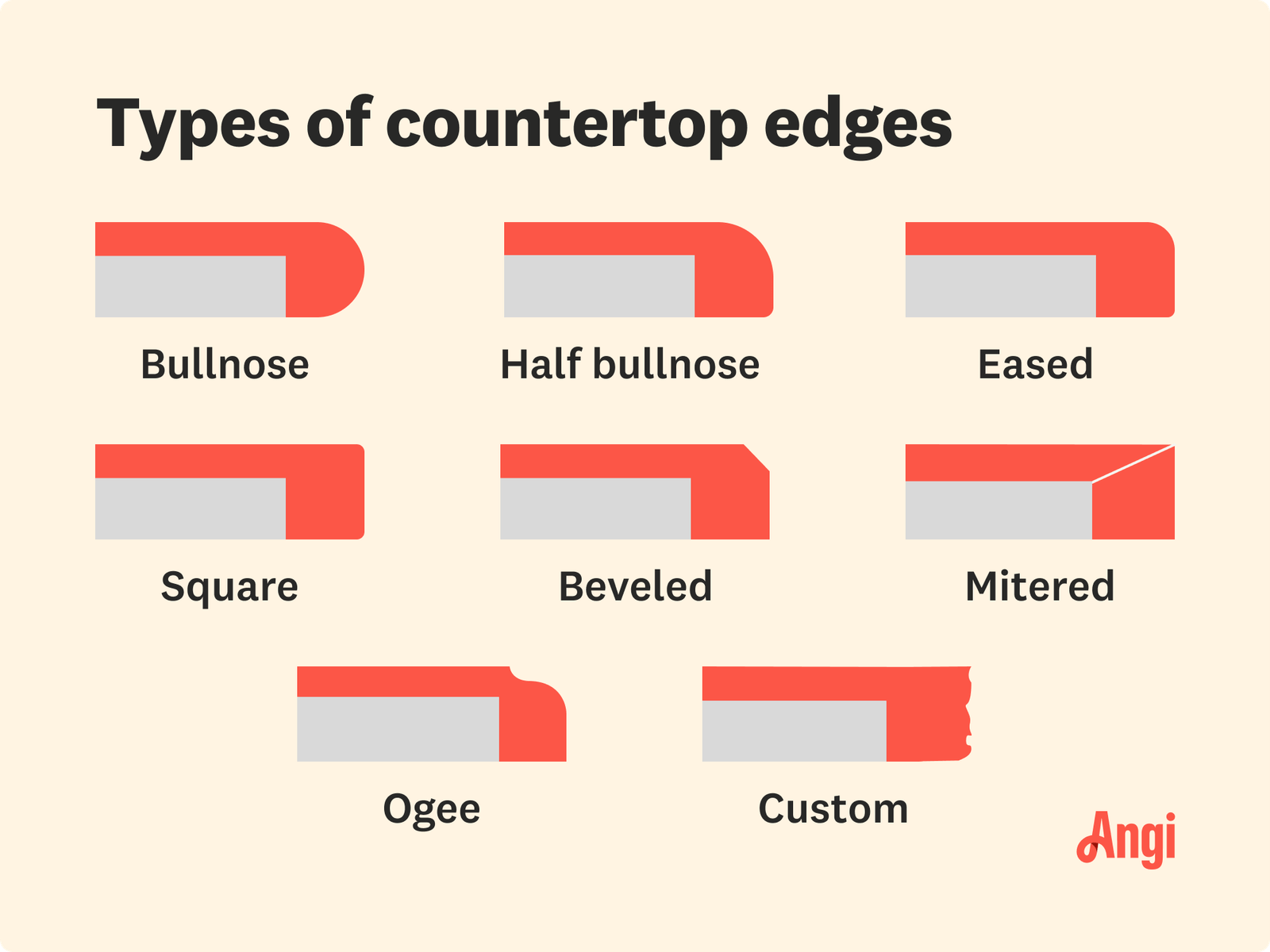
Choosing the right kitchen countertop edge might seem like a small detail, but it can make a big difference in how your kitchen looks and feels. The edge you pick affects not only the style but also the safety and durability of your countertop.
If you want your kitchen to be both beautiful and functional, you need to get this part right. Keep reading, and you’ll discover simple tips that help you choose the perfect countertop edge for your space—no matter your style or budget.

Credit: www.mgduk.com
Types Of Countertop Edges
Choosing the right edge for your kitchen countertop can change the look of your entire space. Edges offer both style and safety.
There are many edge styles to pick from. Each edge has its own shape and feel. Learn about five popular types below.
Eased Edge
The eased edge is simple and clean. It has a slightly rounded edge to avoid sharp corners. This edge fits modern and traditional kitchens.
Beveled Edge
The beveled edge slants at a 45-degree angle. It adds a bit of style without being too fancy. This edge works well on thick countertops.
Bullnose Edge
The bullnose edge is fully rounded. It feels smooth and soft on your hands. This edge is great for safety in homes with children.
Ogee Edge
The ogee edge has a classic S-shaped curve. It looks elegant and traditional. This edge adds a decorative touch to your countertop.
- Creates a fancy look
- Works well with stone countertops
- Needs more care to avoid chips
Mitered Edge
The mitered edge joins two pieces at a 45-degree angle. It makes a thick, sharp edge look thinner. This edge adds a modern style to your kitchen.
| Edge Type | Description | Best For |
| Eased | Smooth, slightly rounded edge | All kitchen styles |
| Beveled | Angled edge for subtle style | Thick countertops |
| Bullnose | Fully rounded for safety | Homes with kids |
| Ogee | Decorative S-curve shape | Traditional kitchens |
| Mitered | Joined pieces creating thin look | Modern kitchens |
Consider Material Compatibility
Choosing the right kitchen countertop edge means thinking about the material. Each material has unique traits that affect edge design choices.
Matching edges with materials keeps your countertop strong and looks good for years.
Granite And Quartz
Granite and quartz are hard stones. They work well with sharp or rounded edges. These edges show the stone’s beauty and protect it from chipping.
- Beveled edges add a modern look and are less likely to chip.
- Ogee edges create a classic style but need careful sealing.
- Rounded edges feel smooth and safe for busy kitchens.
Marble And Wood
Marble is soft and can scratch or stain easily. Wood can dent or warp. Choose edges that protect these materials well.
| Material | Recommended Edge Types | Care Tips |
|---|---|---|
| Marble | Rounded, eased edges | Seal often, clean spills quickly |
| Wood | Beveled, bullnose edges | Oil regularly, avoid water damage |
Laminate Options
Laminate is flexible and budget-friendly. Edge styles can change the look and feel without extra cost.
- Square edges give a clean, simple look.
- Rounded edges soften the feel and reduce wear.
- Beveled edges add style but may show wear faster.
Match With Kitchen Style
Choosing the right countertop edge is key to fitting your kitchen style. Edges can change the look and feel of your space.
This guide helps you pick edges that match modern, traditional, and transitional kitchens.
Modern Kitchens
Modern kitchens focus on clean lines and simplicity. Simple edges like square or eased edges work well here. They keep the look sleek and uncluttered.
Traditional Designs
Traditional kitchens often use detailed and curved edges. These edges add warmth and charm to the space. Rounded and ogee edges are popular choices.
- Ogee edges have an S-shaped curve
- Beveled edges feature angled cuts
- Rounded edges soften the countertop look
Transitional Spaces
Transitional kitchens blend modern and traditional styles. Edges should balance sharp and smooth features. A half bullnose edge fits well in this style.
| Edge Type | Look | Style Suitability |
| Square | Sharp, clean | Modern |
| Ogee | Curved, detailed | Traditional |
| Half Bullnose | Soft curve | Transitional |
Evaluate Maintenance Requirements
Choosing the right kitchen countertop edge affects cleaning and care. Some edges need more time and effort to keep clean.
Think about how much cleaning you want to do. This helps pick an edge that fits your lifestyle.
Easy-to-clean Edges
Simple edges have fewer grooves and curves. They stop dirt and crumbs from hiding.
Flat edges like square or eased edges are easier to wipe down. They need less scrubbing.
- Square edges have straight lines and flat surfaces
- Eased edges have a slight curve to soften the look
- Beveled edges have angled cuts but still clean well
Durability Factors
Some edges handle wear better than others. Strong edges resist chips and cracks.
Rounded edges like bullnose are less likely to show damage. Sharp edges can chip if hit hard.
- Bullnose edges have a smooth, rounded finish
- Ogee edges are decorative but need careful handling
- Chipped edges may need repairs or replacement
Budget Considerations
Choosing the right kitchen countertop edge affects your budget. Some edges cost less but still look good. Others add style but come with a higher price.
Understanding cost differences helps you pick an edge that fits your kitchen and wallet. Let’s explore choices for different budgets.
Cost-effective Choices
Simple edges usually cost less and are easier to install. They work well in many kitchens without extra charges.
- Beveled edges are angled and clean-looking.
- Square edges offer a modern, straight finish.
- Rounded edges are smooth and safe, especially for homes with kids.
- Ogee edges, while more decorative, can be found at budget-friendly prices in laminate materials.
Materials like laminate or tile can lower costs. These edges are easier to replace if needed.
Luxury Selections
Luxury edges add style and uniqueness but cost more. They often require skilled labor and special tools.
| Edge Style | Material | Approximate Cost | Features |
| Beveled | Natural Stone | High | Elegant angled finish |
| Bullnose | Granite or Marble | High | Rounded, thick edge for safety and style |
| Double Ogee | Quartz | Very High | Decorative, detailed edge |
| Waterfall | Custom Stone | Very High | Edge flows down the side for a seamless look |
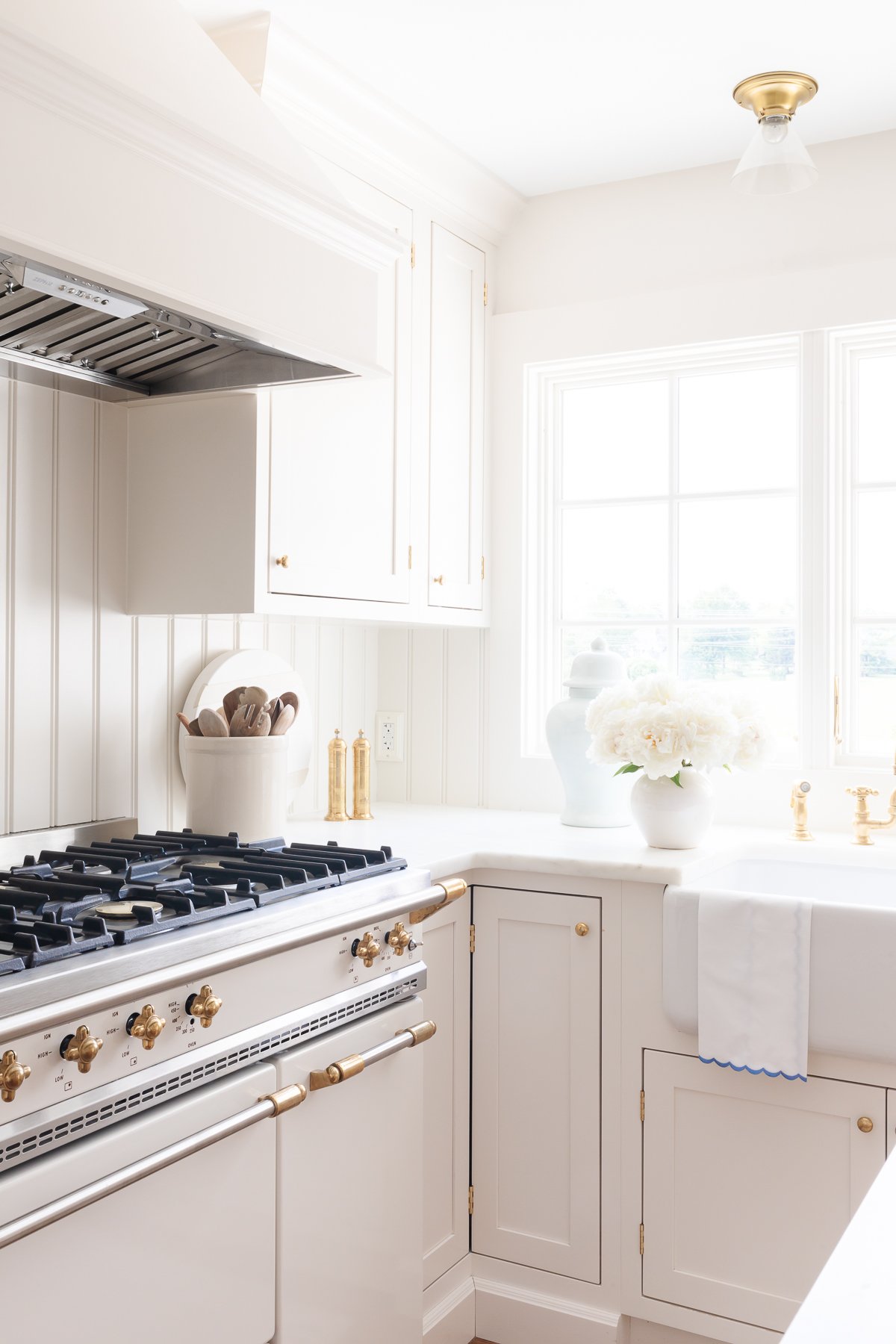
Credit: julieblanner.com
Safety And Functionality
Choosing the right kitchen countertop edge is important for both safety and function. The edge style can protect against injuries and make your kitchen easier to use.
Some edges are better for homes with kids, while others save space or add style. Think about how you use your kitchen before picking an edge.
Child-friendly Options
Rounded or beveled edges reduce sharp corners that can hurt children. These edges are softer and safer if kids bump into them.
Edges like bullnose or eased edges are smooth and gentle. They prevent cuts and bruises, making the kitchen safer for little ones.
- Rounded edges have a smooth curve with no sharp points
- Beveled edges have a small angled cut to soften corners
- Bullnose edges are fully rounded on top and bottom
- Eased edges are slightly rounded for smoothness
Space Optimization
Edge styles can help save space in small kitchens. Slim or square edges offer more usable countertop area near walls or appliances.
Square edges give a clean look and fit tightly against walls. This design maximizes every inch of your countertop.
- Square edges have sharp, 90-degree corners for full surface use
- Chamfered edges have a small angled cut that reduces bulk
- Ogee edges add style but take up more space
Personal Aesthetic Preferences
Choosing the right kitchen countertop edge depends a lot on what you like. Your personal taste helps make your kitchen feel like home.
Focus on colors and textures that match your style. These details create a space you enjoy spending time in.
Color Coordination
Pick countertop edges that blend well with your kitchen colors. The edge color can highlight or soften your countertops.
- Choose light edges for dark countertops to create contrast.
- Match edge colors with cabinets for a unified look.
- Use neutral edges to keep the focus on your backsplash.
- Bright edges add a pop of color and personality.
Texture And Finish
The texture and finish of your countertop edge affect how it feels and looks. Smooth edges give a clean look, while rough textures add character.
| Edge Finish | Feel | Look |
| Polished | Smooth and sleek | Shiny and modern |
| Matte | Soft and subtle | Natural and understated |
| Honed | Velvety smooth | Elegant and classic |
| Textured | Rough or patterned | Rustic and unique |

Credit: wilgusiq.com
Frequently Asked Questions
What Are Popular Kitchen Countertop Edge Styles?
Popular kitchen countertop edges include eased, bullnose, ogee, and beveled. Each style offers a unique look and feel. Choose based on your kitchen’s design and safety preferences. Consider durability and ease of cleaning when selecting an edge style.
How To Choose Durable Countertop Edges?
Durable edges like eased or bullnose resist chips and cracks well. These edges have smooth, rounded profiles that handle daily wear. Avoid intricate edges if you want low maintenance. Durability depends on both edge style and countertop material.
Which Countertop Edge Suits Modern Kitchens?
Straight or beveled edges suit modern kitchens best. They provide clean, sleek lines that match contemporary designs. These edges are easy to clean and maintain. Choose materials like quartz or granite for a modern, durable finish.
Can Countertop Edges Affect Kitchen Safety?
Yes, rounded edges like bullnose improve safety by reducing sharp corners. This is ideal for homes with children or elderly. Sharp edges increase the risk of injury. Smooth edges also protect your countertop from damage.
Conclusion
Choosing the right kitchen countertop edge can change your space’s look. Simple edges suit modern kitchens well. Rounded edges offer safety, especially in busy homes. Detailed edges bring a classic, elegant feel. Consider your kitchen style and daily use. Think about cleaning and maintenance too.
Small choices make a big difference in design. Take time to pick what fits best. Enjoy a beautiful and functional kitchen every day.