
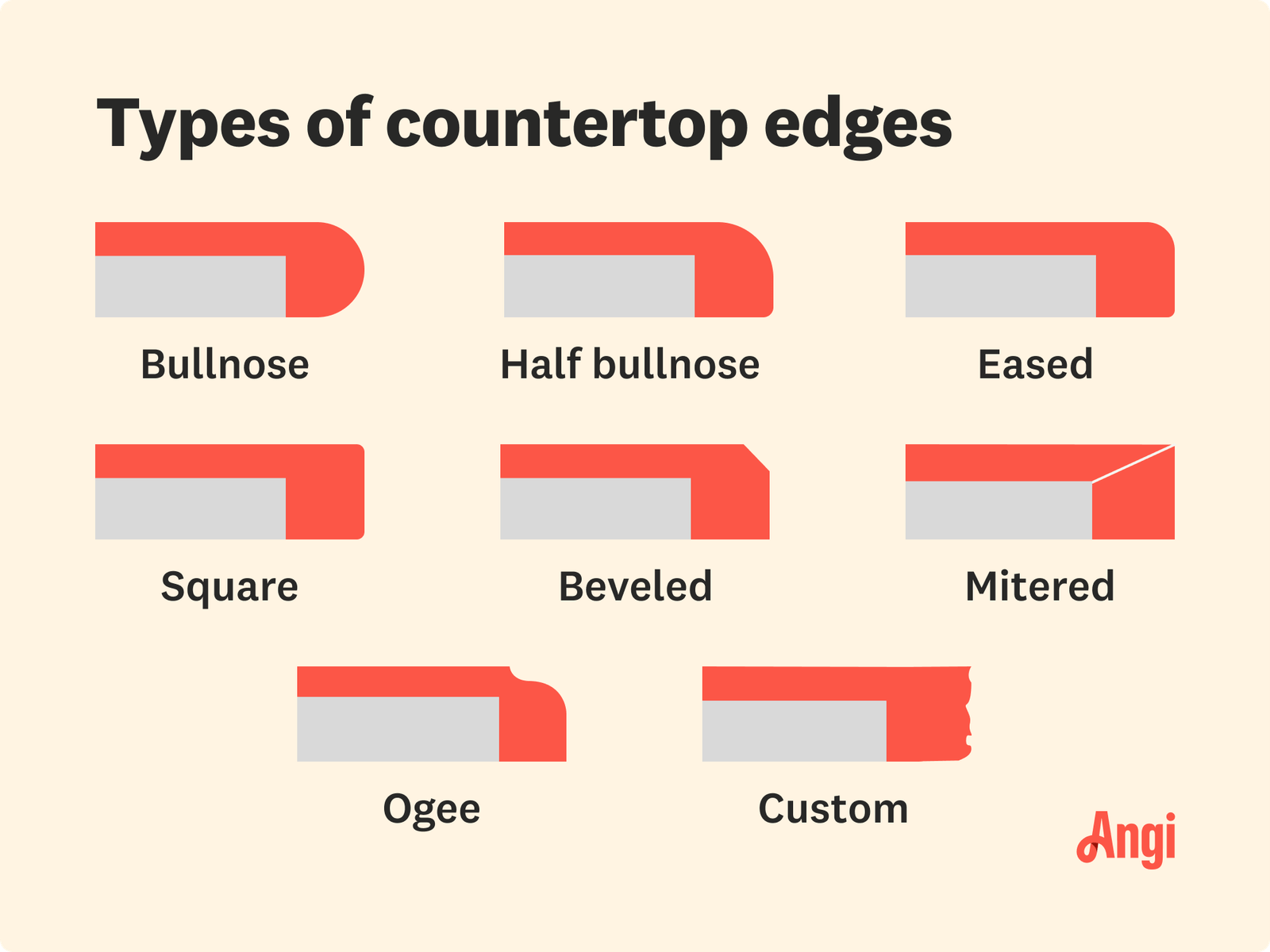
Choosing the right kitchen countertop edge might seem like a small detail, but it can completely change the look and feel of your kitchen. Your countertop edge affects not only the style but also the safety and durability of your space.
If you want your kitchen to look stunning and work perfectly for your daily needs, you need to pick the edge that fits your lifestyle and taste. Keep reading, and you’ll discover simple tips that make this decision easier and ensure your kitchen countertop looks just the way you want it.

Credit: www.mgduk.com
Types Of Countertop Edges
Choosing the right edge for your kitchen countertop is important. Edges change the look and feel of your kitchen.
There are many edge styles. Each one has its own style and safety features. Knowing them helps you pick the best one.
Straight Edge
The straight edge is simple and clean. It has a flat surface with sharp corners.
This edge style fits modern and minimalist kitchens. It is easy to clean and looks neat.
Beveled Edge
A beveled edge has a slanted cut along the edge. It creates an angled look.
This edge adds a decorative touch. It also hides minor chips or damage well.
Bullnose Edge
The bullnose edge is rounded and smooth. It has no sharp corners.
This style is safe and comfortable. It works well in homes with children or busy kitchens.
Ogee Edge
The ogee edge has an S-shaped curve. It is more detailed and classic in style.
This edge looks elegant and fits traditional kitchens. It adds a fancy touch to your countertop.
Half Bullnose Edge
The half bullnose edge rounds only the top part of the edge. The bottom remains flat.
This edge is a mix of straight and rounded styles. It is easier to clean than a full bullnose.
Material Considerations
Choosing the right edge for your kitchen countertop depends on the material. Different materials need different edge styles.
Some edges work better with certain materials. Knowing this helps you pick a durable and beautiful edge.
Granite
Granite is a strong and heavy stone. It can handle sharp and detailed edges well.
Rounded edges protect against chipping. Square edges give a modern look but chip easier.
- Rounded edges prevent damage
- Beveled edges add style and strength
- Ogee edges look classic but cost more
Quartz
Quartz is engineered and consistent. It suits many edge designs.
Edges like eased or bullnose work well. They reduce sharpness and look smooth.
- Eased edges are simple and clean
- Bullnose edges are fully rounded
- Beveled edges add a sharp, angled look
Marble
Marble is softer and can chip more easily. Choose edges that protect the stone.
Rounded or eased edges reduce risk of damage. Avoid sharp edges with marble.
- Rounded edges protect marble better
- Eased edges keep a clean look
- Ogee edges add elegance but need care
Laminate
Laminate is thin and flexible. It works best with simple edges.
Square and eased edges are common. Complex edges may peel or break.
- Square edges are budget-friendly
- Eased edges soften the look
- Be careful with thick or carved edges
Solid Surface
Solid surface materials are easy to shape. Many edge styles fit well.
Edges like bullnose and ogee add style. Edges can be seamless and smooth.
- Bullnose edges are smooth and safe
- Ogee edges offer a decorative look
- Square edges give a modern feel
Style And Aesthetic
Choosing the right kitchen countertop edge affects the room’s style. Edges can change how modern or traditional your kitchen looks. They also add to the kitchen’s overall feel and charm.
Focus on the edge style that matches your kitchen design. Each edge type offers a unique look and suits different aesthetics. Consider your preferences and the kitchen’s theme.
Modern Look
Modern kitchens often use simple, clean edges. Straight edges like square or beveled give a sleek and sharp appearance. These edges pair well with minimalist designs and smooth surfaces.
Traditional Appeal
Traditional kitchens benefit from soft and detailed edges. Rounded or bullnose edges add warmth and a gentle feel. These edges help create a welcoming and timeless space.
Rustic Charm
Rustic kitchens use edges that look natural and handcrafted. Ogee or chiseled edges give a textured, old-world feel. They fit well with wood and stone materials for a cozy look.
- Ogee edges have decorative curves and points
- Chiseled edges look rough and hand-cut
- These edges add character and depth
Luxury Design
| Edge Style | Luxury Effect |
| Beveled | Sharp, elegant lines that catch light |
| Ogee | Rich curves that feel classic and grand |
| Double Bullnose | Soft, rounded edges that look smooth and refined |
Luxury kitchens often combine polished edges with high-end materials. These edges make the countertop look expensive and well-crafted. They fit perfectly in upscale kitchen designs.
Functionality And Practicality
Choosing the right kitchen countertop edge matters for daily use. It affects safety, cleaning, and how long it lasts.
Edges should fit your kitchen style and handle regular wear and tear well. Think about how you use your kitchen most.
Safety Concerns
Sharp edges can cause cuts, especially in busy kitchens or homes with kids. Rounded or beveled edges reduce this risk.
- Rounded edges are safer for families.
- Beveled edges soften the corner impact.
- Flat edges look modern but may be sharper.
- Consider your kitchen’s traffic and users.
Maintenance Needs
Some edges collect dirt or crumbs more than others. Simple edges are easier to clean and keep looking good.
| Edge Type | Cleaning Ease | Stain Risk |
| Rounded | Easy | Low |
| Beveled | Moderate | Medium |
| Ogee | Hard | High |
| Square | Easy | Low |
Durability Factors
Edges face daily hits from pots, pans, and utensils. Strong edges last longer and resist chipping or cracking.
- Choose edges with thicker profiles.
- Avoid delicate designs that chip easily.
- Consider materials like granite or quartz.
- Regularly check for damage and fix early.
Budget Considerations
Choosing the right kitchen countertop edge affects your budget. Understanding costs helps you pick options within your price range.
Consider materials, installation fees, and long-term value before making a decision.
Cost Of Materials
Material prices vary widely. Some edges use expensive stones, while others use simple laminate.
- Granite and quartz edges cost more.
- Wood and laminate are usually cheaper.
- Metal edges can have moderate prices.
- Custom shapes add to material costs.
Installation Expenses
Installation fees depend on edge complexity. Simple edges cost less to install than detailed ones.
| Edge Type | Installation Cost |
| Simple Rounded | Low |
| Beveled | Medium |
| Ogee or Complex | High |
| Custom Designs | Highest |
Long-term Investment
Some edges last longer and resist damage better. This saves money over time.
- Durable edges reduce repair costs.
- Easy-to-clean edges lower maintenance effort.
- Classic styles keep value if you sell your home.
- Choose edges that fit your lifestyle and budget.
Trends In Countertop Edges
Countertop edges shape the look and feel of your kitchen. Choosing the right edge style can update your space easily.
Many homeowners pick edges that match current design trends. These edges blend style with function.
Minimalist Designs
Minimalist edges have clean, simple lines. They suit modern kitchens that focus on neatness and space.
- Square edges with sharp corners
- Beveled edges that are angled slightly
- Flat polished edges without decoration
Bold Statements
Bold edges add a strong visual effect. They become a focal point in kitchen design.
| Edge Style | Look | Best For |
| Ogee | Curved and ornate | Traditional and classic kitchens |
| Waterfall | Edge continues down cabinet side | High-end modern kitchens |
| Bullnose | Fully rounded edge | Casual and soft look |
Eco-friendly Options
Eco-friendly edges use sustainable materials and shapes. They support green building goals.
- Edges made from recycled stone or glass
- Simple shapes that reduce waste in cutting
- Edges that allow easy repair and refinishing
Choosing The Right Edge For Your Kitchen
Choosing the right edge for your kitchen countertop can change the look and feel of your space. The edge style affects safety, style, and maintenance. Think about how you use your kitchen before picking an edge.
Many edge styles exist, from simple to detailed. The right edge fits your kitchen’s shape and your personal taste. Below are tips to help you decide.
Assessing Kitchen Layout
Look at your kitchen’s size and shape. Rounded edges work well in small kitchens. They are safer and stop bumps. Straight edges suit large kitchens and modern designs.
- Rounded edges protect in tight spaces
- Beveled edges add style and soften sharp lines
- Square edges fit modern, clean designs
- Ogee edges give a classic, elegant look
Matching With Cabinets
Countertop edges should match your cabinet style and color. This makes the kitchen look balanced. Use this table to see which edges match common cabinet styles.
| Cabinet Style | Recommended Edge |
| Modern | Square or Beveled |
| Traditional | Ogee or Bullnose |
| Farmhouse | Rounded or Bullnose |
| Minimalist | Square |
Personal Preferences
Your daily use and style matter. Choose edges that feel good to touch and look nice to you. Some edges need more care than others.
- Rounded edges are safer for homes with kids.
- Sharp edges show chips more easily.
- Detailed edges need more cleaning.
- Simple edges are easier to maintain.

Credit: wilgusiq.com
Credit: julieblanner.com
Frequently Asked Questions
What Are The Most Popular Kitchen Countertop Edges?
Popular edges include eased, bullnose, ogee, and bevel. Each offers a distinct style and functionality. Choose based on kitchen design and maintenance needs.
How To Choose Countertop Edges For Safety?
Rounded edges like bullnose reduce injury risks. They are ideal for homes with children or busy kitchens. Safety and comfort go hand-in-hand with edge selection.
Do Countertop Edges Affect Kitchen Style?
Yes, edges define kitchen aesthetics. Sharp edges suit modern looks, while ornate edges fit traditional designs. Match edges to your kitchen’s overall theme.
Which Materials Work Best With Different Countertop Edges?
Granite and quartz suit most edges, especially bevel and bullnose. Laminate pairs well with eased edges. Material and edge choice impact durability and appearance.
Conclusion
Choosing the right kitchen countertop edge shapes your space’s style and function. Simple edges offer a clean, modern look and easy maintenance. Rounded edges bring safety, especially for homes with kids. Decorative edges add character but may need more care.
Think about your kitchen use and personal taste before deciding. Small details like edges make a big difference. Take your time and pick what feels best for you. Your countertop edge can blend beauty with daily comfort.