
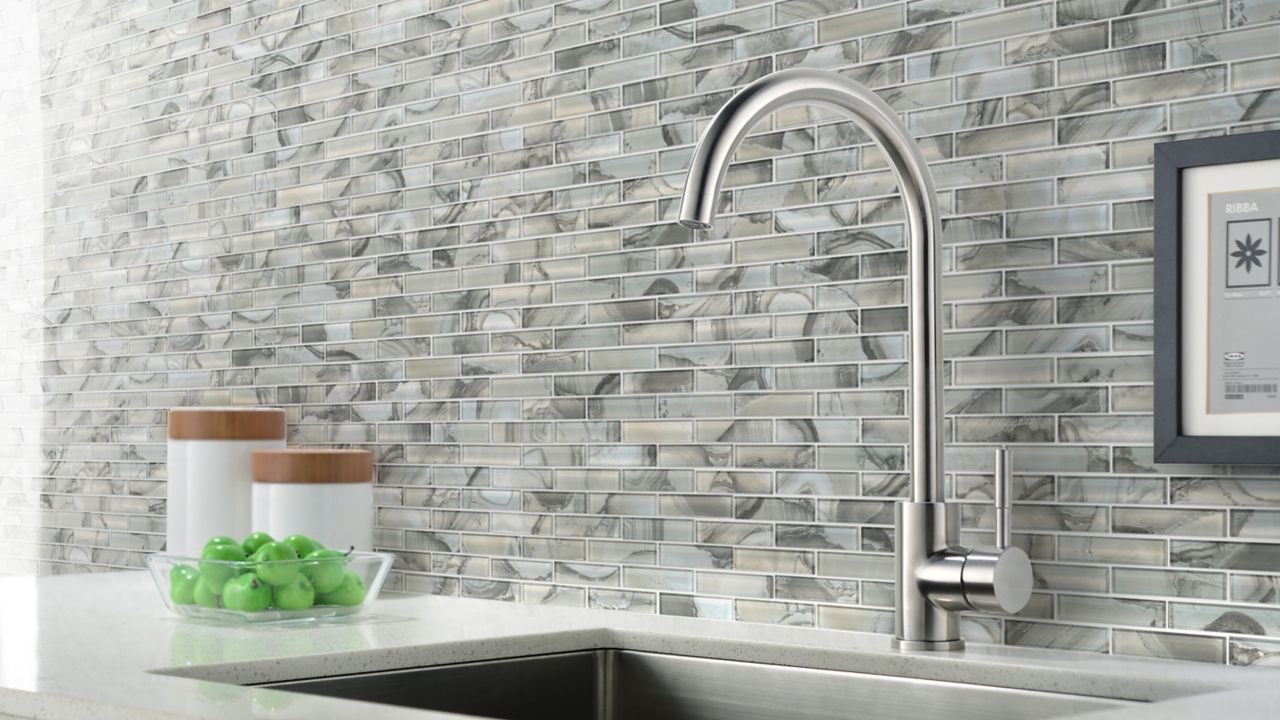
Choosing the right kitchen backsplash material can completely change the look and feel of your kitchen. But with so many options out there, how do you pick the one that fits your style and needs perfectly?
You want something that looks great, is easy to clean, and lasts for years. You’ll discover simple tips to help you make the best choice without any stress. Keep reading, and you’ll find the perfect backsplash material that makes your kitchen truly shine.
Factors To Consider
Choosing the right kitchen backsplash material can change your kitchen’s look. It also helps protect walls from spills and stains.
Think about different factors before picking a material. These will help you find the best fit for your kitchen.
Budget Constraints
Set a clear budget before you shop. Different materials come at different prices. Some options are cheap but less durable. Others cost more but last longer.
- Consider the total cost including installation
- Look for materials that fit your budget and style
- Remember to include costs for cleaning and maintenance
Durability Needs
Think about how much wear the backsplash will face. Some materials resist heat, water, and scratches better than others. Choose one that matches your kitchen use.
| Material | Durability | Heat Resistance | Scratch Resistance |
| Ceramic Tile | High | Good | Moderate |
| Glass | Moderate | Good | Low |
| Stainless Steel | Very High | Excellent | High |
| Laminate | Low | Low | Low |
Aesthetic Preferences
Pick a backsplash that matches your kitchen style. Color, texture, and pattern affect the room’s look. Choose a material that makes you happy to cook and spend time in.
- Classic subway tile for a clean look
- Natural stone for a rustic feel
- Colorful glass tiles for a modern touch
- Metal panels for an industrial vibe
Maintenance Requirements
Think about how much time you want to spend cleaning the backsplash. Some materials need special cleaners or frequent care. Others are easy to wipe and keep clean.
- Porous materials may need sealing
- Non-porous surfaces clean with a damp cloth
- Avoid materials that stain easily if you cook a lot
- Check if grout lines require regular scrubbing
Credit: www.blockrenovation.com
Popular Backsplash Materials
Choosing the right backsplash material can change your kitchen’s look. It protects walls and adds style.
This guide covers popular materials to help you decide what fits your kitchen best.
Ceramic Tiles
Ceramic tiles are common for kitchen backsplashes. They come in many colors and shapes.
They are easy to clean and resist moisture well. Ceramic tiles suit many kitchen styles.
- Affordable and widely available
- Durable and easy to maintain
- Large variety of designs
- Good for DIY installation
Glass Options
Glass backsplashes offer a modern and shiny look. They reflect light and make kitchens brighter.
Glass is easy to wipe clean but can scratch or chip if hit hard. It suits sleek, contemporary kitchens.
- Available in clear, frosted, or colored glass
- Resists stains and moisture
- Needs careful installation to avoid damage
- Creates a bright and open feeling
Natural Stone Choices
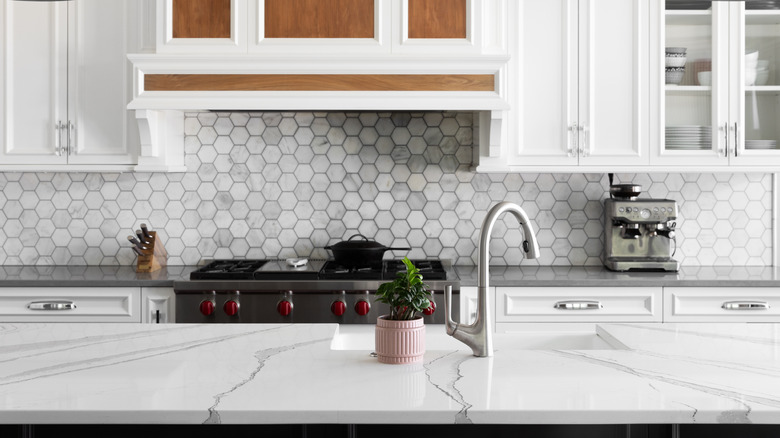
Natural stone backsplashes add texture and a classic look. Popular stones include marble, granite, and slate.
Stone is strong but may need sealing to prevent stains. It fits well with rustic and traditional kitchens.
- Each piece has a unique pattern
- Durable and heat resistant
- Requires regular maintenance
- Can be more expensive than other materials
Metal Finishes
Metal backsplashes give a sleek and industrial style. Stainless steel and copper are popular choices.
Metal is easy to clean and heat resistant but can scratch. It works well in modern and professional kitchens.
- Reflective and modern appearance
- Resistant to heat and water
- Can show fingerprints and scratches
- Simple to wipe down for cleaning
Color And Pattern Selection
Choosing the right color and pattern for your kitchen backsplash is important. It can change the whole look of your kitchen.
Think about how colors and patterns will work with your cabinets and other kitchen features.
Matching With Cabinets
Pick backsplash colors that match or complement your cabinets. This creates a smooth, unified look.
If your cabinets are dark, choose lighter backsplash colors to balance the space. Light cabinets work well with darker backsplashes.
Creating A Focal Point
Use your backsplash to catch attention. A bright or patterned backsplash can become the kitchen’s centerpiece.
Keep other parts of the kitchen simple so the backsplash stands out without clashing.
Using Neutral Tones
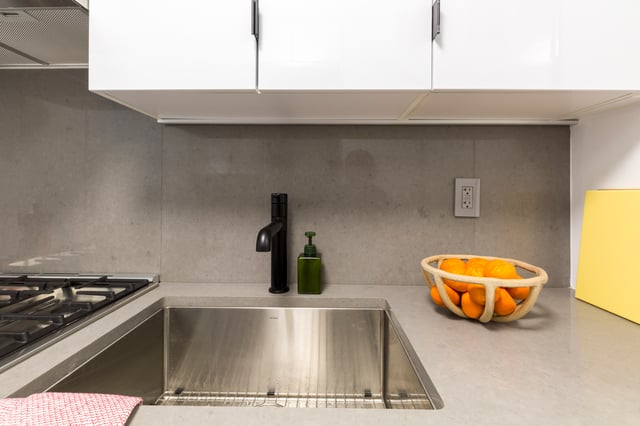
Neutral colors like white, beige, or gray suit most kitchen styles. They make the space feel clean and calm.
Neutral backsplashes are easy to match with colorful or patterned cabinets and accessories.
Incorporating Bold Patterns
Bold patterns add personality and style to your kitchen. Choose patterns that fit your taste and space size.
Small kitchens may look better with simple patterns. Large kitchens can handle bigger, more complex designs.
- Geometric shapes create a modern look
- Floral patterns add a classic touch
- Mix colors carefully to avoid visual clutter
Installation Considerations
Choosing the right kitchen backsplash material means thinking about how it will be installed. Some materials need special skills or tools. Others can be done by yourself with ease. Knowing these details helps you plan better.
This guide covers key points about installing backsplash materials. It explains the difference between DIY and professional work, the time and complexity involved, and the tools you might need.
Diy Vs. Professional
Some backsplash materials are easy to install by yourself. Others need a professional to get the job done right. Think about your skills and comfort with tools before deciding.
- DIY is good for simple materials like peel-and-stick tiles or vinyl sheets.
- Professional help is best for heavy materials like natural stone or glass tiles.
- Hiring a pro can prevent costly mistakes and save time.
- DIY saves money but may take longer and need patience.
Time And Complexity
Each backsplash material takes a different amount of time and effort to install. Some are quick and easy, while others require careful measuring and cutting.
| Material | Average Installation Time | Difficulty Level |
| Peel-and-stick tiles | 1-2 hours | Easy |
| Ceramic or porcelain tiles | 4-8 hours | Medium |
| Natural stone tiles | 6-12 hours | Hard |
| Glass tiles | 5-10 hours | Hard |
| Metal sheets | 3-6 hours | Medium |
Tools And Equipment
Different backsplash materials need different tools. Knowing what tools you need will help you prepare for the job or decide if you need a professional.
- Measuring tape and level for accurate placement
- Tile cutter or wet saw for ceramic and stone tiles
- Notched trowel for spreading adhesive
- Grout float and sponge for finishing tiles
- Caulking gun for sealing edges
Long-term Maintenance
Choosing the right kitchen backsplash material means thinking about how to keep it looking good over time. Long-term maintenance helps your backsplash last and stay clean.
Some materials need more care than others. Knowing how to clean, fix, and protect your backsplash will save you time and money.
Cleaning Techniques
Regular cleaning keeps your backsplash free from stains and grime. Use gentle cleaning products to avoid damage. Avoid harsh chemicals that can wear down the surface.
- Use warm water and mild soap for daily cleaning.
- Wipe spills quickly to prevent stains.
- Use a soft cloth or sponge to avoid scratches.
- For tile backsplashes, clean grout lines regularly.
Repairing Damage
Small chips or cracks can happen over time. Fixing damage early stops it from getting worse. Some materials are easier to repair than others.
| Material | Repair Method | Tools Needed |
| Tile | Replace broken tiles or fill grout cracks | Replacement tiles, grout, putty knife |
| Glass | Use resin kits for small chips | Resin repair kit, cleaning cloth |
| Metal | Polish scratches or fill dents | Metal polish, filler compound |
Sealing And Protecting
Sealing your backsplash can prevent stains and water damage. Some materials need sealing right after installation. Others may require resealing every year.
Tips for sealing your backsplash:
- Clean the surface before applying sealant.
- Use the right sealant for your backsplash material.
- Apply sealant evenly with a brush or cloth.
- Let the sealant dry completely before use.
- Reseal as recommended to maintain protection.
Credit: www.foodrepublic.com
Trends In Backsplash Design
Kitchen backsplashes protect walls and add style to kitchens. New trends focus on unique materials and textures.
Choosing the right backsplash material can change the kitchen’s look and feel. Here are some popular design trends.
Sustainable Materials
Many people want eco-friendly kitchens. Sustainable backsplash materials help reduce waste and save energy.
Materials like recycled glass, bamboo, and reclaimed wood are popular choices. They look good and support the environment.
- Recycled glass tiles offer bright colors and shine
- Bamboo panels bring warmth and natural texture
- Reclaimed wood adds rustic charm and uniqueness
Mixed Media Designs
Combining different materials creates eye-catching backsplashes. Mixed media designs allow more creativity and style.
People mix tiles, metal, and stone to get unique patterns and textures. These designs bring depth and personality.
- Use ceramic tiles with metal strips for contrast
- Mix natural stone with glass for texture variety
- Combine wood and tile for warm, modern looks
Textured Surfaces
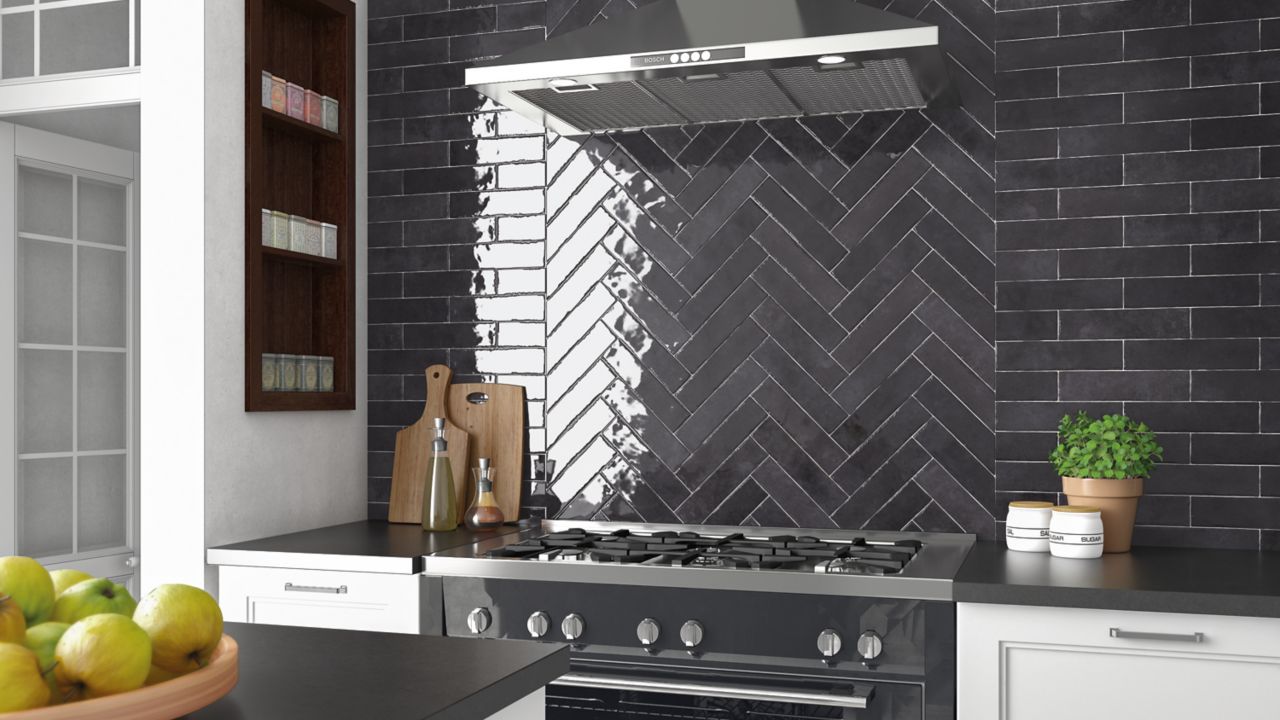
Textured backsplashes add interest and dimension. They catch light and create shadows that enhance kitchens.
Materials like 3D tiles, embossed metal, and rough stone bring texture. These surfaces feel lively and modern.
- 3D ceramic tiles create bold patterns
- Embossed metal sheets add shine and relief
- Rough natural stone offers an earthy look
Credit: www.tileshop.com
Frequently Asked Questions
What Factors Should I Consider When Choosing Backsplash Material?
Consider durability, ease of cleaning, style, budget, and kitchen use. Choose materials resistant to heat, moisture, and stains for longevity.
Which Backsplash Materials Are Best For High-traffic Kitchens?
Ceramic, glass, and stainless steel are ideal for busy kitchens. They offer durability, easy maintenance, and resist damage from frequent use.
How Do I Match Backsplash Material With Kitchen Design?
Select colors and textures that complement cabinets and countertops. Neutral tones suit most styles, while bold patterns add a modern touch.
Can Backsplash Material Affect Kitchen Cleaning Routines?
Yes, smooth and non-porous materials like glass or ceramic simplify cleaning. Avoid textured surfaces that trap grease and dirt, increasing maintenance time.
Conclusion
Choosing the right kitchen backsplash material makes a big difference. Think about durability, style, and ease of cleaning. Match the backsplash with your kitchen’s look and your daily needs. Small details can change the whole space. Take your time to decide what fits best.
A good choice will last for years and keep your kitchen looking great. Simple steps lead to a beautiful and functional kitchen backsplash. Your kitchen deserves the best, so choose wisely.