
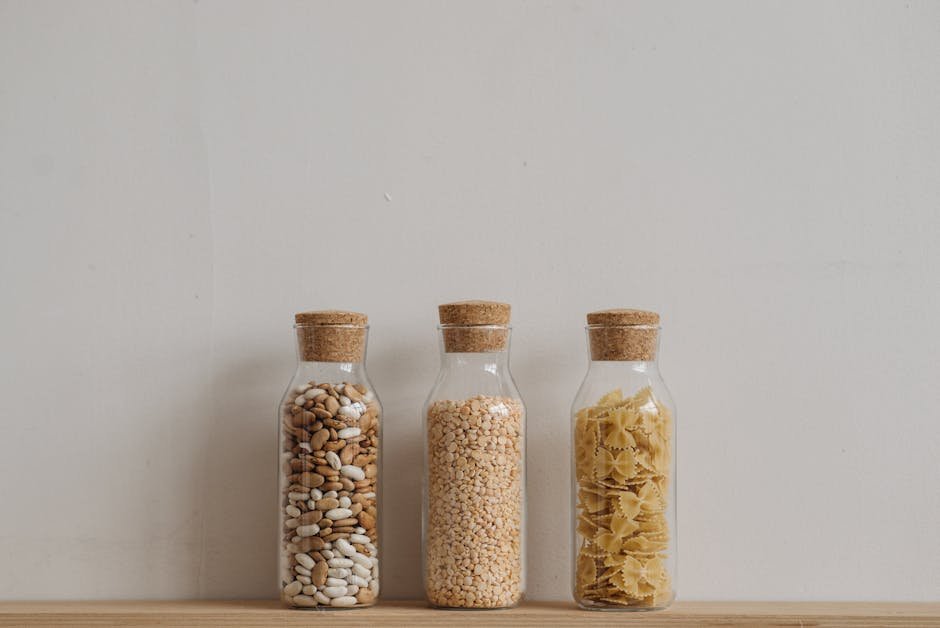
Are you tired of using food storage options that harm the planet and clutter your kitchen? Choosing eco-friendly food storage can feel overwhelming, but it doesn’t have to be.
Imagine keeping your food fresh while cutting down on waste and protecting the environment—all with simple swaps you can make today. You’ll discover easy and effective tips to pick the best sustainable containers that fit your lifestyle. Keep reading to find out how you can make smarter choices that benefit both your family and the Earth.
Benefits Of Eco-friendly Storage
Eco-friendly food storage offers many benefits. It helps the environment and keeps food fresh longer.
Choosing green storage options is good for health. It also reduces household waste.
Reducing Plastic Waste
Plastic waste harms the planet. Eco-friendly storage reduces plastic usage.
- Use glass jars instead of plastic containers
- Opt for reusable silicone bags
- Choose beeswax wraps over plastic wrap
Improving Food Longevity
Eco-friendly storage keeps food fresh. This helps reduce food waste.
Proper containers protect food from air and moisture. This extends shelf life.
Health And Safety Advantages
Traditional plastic can leach chemicals. Eco-friendly options are safer for food storage.
- Glass and stainless steel do not contain harmful chemicals
- Natural materials are safe for families
- Reusable products are better for the skin and health
Materials To Consider
Choosing the right material for eco-friendly food storage helps reduce waste. It also keeps your food fresh and safe.
Different materials have unique benefits. Learn about common options to find what fits your needs.
Glass Containers
Glass containers are durable and easy to clean. They do not absorb smells or stains from food.
They are safe for the fridge, freezer, and microwave. Glass is fully recyclable and does not release harmful chemicals.
Stainless Steel Options
Stainless steel is strong and long-lasting. It does not rust or react with food.
This material is lightweight and great for lunch boxes or travel. It keeps food cool and fresh for hours.
Silicone Alternatives
Silicone is flexible and easy to store. It can be used for lids, bags, and wraps.
This material is heat-resistant and safe for the dishwasher. Silicone is reusable and reduces single-use plastics.
Beeswax Wraps
Beeswax wraps are made from cotton coated with beeswax. They are a natural alternative to plastic wrap.
These wraps are breathable and keep food fresh. You can wash and reuse them many times before replacing.
Features For Sustainability
Choosing eco-friendly food storage helps protect the environment. Look for features that make products more sustainable.
These features include reusability, biodegradability, and safety for your health. Understanding them guides better choices.
Reusability And Durability
Reusable food containers reduce waste from single-use plastics. Durable materials last longer and save resources.
Choose storage that can be used many times without breaking. This helps lower overall environmental impact.
- Look for strong materials like glass or stainless steel
- Avoid thin plastics that crack easily
- Check if the container seals tightly to keep food fresh
- Choose products that are easy to clean and maintain
Biodegradability
Biodegradable materials break down naturally in the environment. They reduce long-term waste and pollution.
Look for storage made from plant fibers or compostable materials. These options return to the earth safely.
- Materials like bamboo, paper, and cornstarch are biodegradable
- Avoid plastics that can take hundreds of years to decompose
- Check product labels for compostable or biodegradable certifications
Non-toxic And Bpa-free
Non-toxic materials keep your food safe and healthy. BPA-free products do not release harmful chemicals.
Choose food storage that is free from toxins and safe for all ages. This protects both your health and the planet.
- Look for BPA-free labels on plastic containers
- Choose glass or stainless steel for safer storage
- Avoid containers with unknown chemical coatings
:max_bytes(150000):strip_icc()/faw-rubbermaid-brilliance-bpa-free-22-piece-food-storage-containers-set-livia-hughes-8-7372d2407568479eaee4784d770dffa2.jpeg)
Credit: www.foodandwine.com
Sizing And Functionality
Choosing eco-friendly food storage means thinking about size and how well it works. Good sizing saves space and reduces waste.
Functionality helps keep food fresh and makes storage easier. Both are key to a smart choice.
Choosing The Right Sizes
Pick containers that fit the food you store often. Too big containers waste space and energy.
Small containers are great for snacks or leftovers. Large ones work for meal prep or bulk items.
- Match container size to typical portion sizes
- Avoid buying many different sizes you won’t use
- Choose sizes that fit your fridge and pantry shelves
Stackability And Space Saving
Stackable containers help keep your kitchen neat and save room. They make it easy to organize food items.
Look for containers with flat lids and uniform shapes. These fit well together and do not waste space.
- Choose containers that stack without slipping
- Use clear containers to find food quickly
- Pick shapes that fit your storage areas best
Leak-proof And Airtight Designs
Leak-proof containers stop spills and keep your fridge clean. Airtight seals keep food fresh longer.
Check lids for tight seals and durable materials. Good seals save food and reduce waste.
- Look for silicone or rubber seals on lids
- Test lids for a secure, snap-on fit
- Choose containers that hold liquids without leaking
Maintenance And Care
Eco-friendly food storage lasts longer with proper care. Good maintenance keeps them clean and safe.
Simple daily habits help avoid damage. These tips ensure your storage stays useful and eco-friendly.
Cleaning Tips
Clean your eco-friendly storage after every use. Use gentle soap and warm water to avoid damage.
Avoid harsh chemicals or abrasive scrubbers. They can harm the material and shorten its life.
- Use soft sponges or cloths
- Rinse thoroughly to remove soap
- Air dry completely before storing
Avoiding Damage
Handle your storage with care to prevent cracks or breaks. Avoid dropping or bending the items.
Keep storage away from extreme heat or direct sunlight. These can weaken the material over time.
- Do not use in microwave or oven unless safe
- Store in cool, dry places
- Check for wear and replace if needed
Extending Product Life
Rotate your food storage use to avoid overuse of one container. This helps all items last longer.
Repair minor damage quickly. Small fixes stop bigger problems and keep storage usable.
- Use food-safe sealants for minor cracks
- Replace lids or parts if broken
- Store with lids off to prevent odors
Budget-friendly Choices
Choosing eco-friendly food storage can save money and help the planet. You can find options that fit your budget.
Simple changes in how you store food reduce waste and lower costs. Let’s look at some budget-friendly ideas.
Affordable Eco Options
Look for reusable bags made from cloth or silicone. These cost less over time than single-use plastic bags.
Glass jars and containers are good for storing leftovers. They last long and do not release harmful chemicals.
- Cloth produce bags
- Silicone food storage bags
- Glass mason jars
- Stainless steel containers
Investing In Quality
Buying good quality storage means you replace items less often. This saves money and reduces waste.
Choose durable materials like stainless steel or thick glass. These keep food fresh and last for years.
- Look for airtight lids
- Check for BPA-free labels
- Pick containers that fit your needs
- Test durability before buying
Diy Storage Solutions
You can make your own food storage using old jars, cloth, or containers. This is cheap and eco-friendly.
Reuse glass jars from sauces or jams. Sew simple cloth covers or use beeswax wraps for sealing.
- Clean and reuse glass jars
- Sew small cloth bags for snacks
- Make beeswax wraps at home
- Use old containers for dry goods
Where To Shop
Choosing eco-friendly food storage starts with finding the right places to shop. Different stores offer unique products that fit your needs and values.
Look for stores that focus on sustainability and offer reusable, safe materials for storing food. This helps reduce waste and protect the environment.
Specialty Eco Stores
Specialty eco stores sell products made from sustainable materials like bamboo, glass, and stainless steel. These stores often have strict rules about product safety and environmental impact.
Staff at these stores usually know a lot about eco-friendly options. They can help you pick the right containers for your needs.
Online Marketplaces
Online marketplaces offer a wide variety of eco-friendly food storage products. You can compare prices and read reviews before buying.
Shopping online allows you to find unique items that may not be available in local stores. Look for products with clear descriptions about materials and care.
Local And Farmer’s Markets
Local and farmer’s markets often have vendors who sell handmade or small-batch eco-friendly food storage. These products are usually made with care and local materials.
Shopping at these markets supports local businesses and reduces your carbon footprint by cutting down on shipping.
:max_bytes(150000):strip_icc()/faw-yeti-the-dash-and-dine-set-3-piece-set-marco-zuccarello-11-ce3383ddf67241ef9a1e410730524b0e.jpeg)
Credit: www.foodandwine.com
:max_bytes(150000):strip_icc()/faw-bentgo-20-piece-lightweight-durable-reusable-bpa-free-1-compartment-containers-melisa-binder-10-43a9d905bd2b43338d18a4ec1398805e.jpeg)
Credit: www.foodandwine.com
Frequently Asked Questions
What Materials Are Best For Eco-friendly Food Storage?
Glass, stainless steel, and silicone are top eco-friendly materials. They are durable, reusable, and safe for food. Avoid plastics with harmful chemicals. These materials reduce waste and environmental impact, making them excellent choices for sustainable food storage.
How To Choose Sustainable Food Storage Containers?
Look for containers made from recyclable or biodegradable materials. Prioritize durability to avoid frequent replacements. Check if they are BPA-free and non-toxic. Opt for containers that can be repurposed or recycled easily to minimize environmental footprint.
Are Silicone Food Storage Bags Eco-friendly?
Yes, silicone bags are eco-friendly. They are reusable, durable, and free from harmful chemicals. Silicone is heat-resistant and safe for freezing or microwaving. These bags reduce single-use plastic waste and support sustainable living practices.
Can Eco-friendly Food Storage Save Money?
Absolutely. Durable containers last longer, reducing replacement costs. Reusable storage decreases spending on disposable bags and wraps. Investing in quality eco-friendly products leads to long-term savings and less environmental waste.
Conclusion
Choosing eco-friendly food storage helps protect the planet. It saves money by reducing waste. Materials like glass, stainless steel, and silicone last longer. Avoid plastics that harm the environment and your health. Small changes in storage can make a big difference.
Start with simple swaps and see the benefits. Caring for the Earth begins in your own kitchen. Every choice matters in creating a greener future. Keep these tips in mind for smarter, safer storage. Your effort supports a cleaner, healthier world for all.