
Choosing the right kitchen flooring can change how your kitchen feels and functions every day. You want something that not only looks great but stands up to spills, drops, and constant foot traffic.
Picking durable flooring means less worry about damage and more time enjoying your space. You’ll discover simple, practical tips to help you find flooring that fits your style and lasts for years. Keep reading to make sure your kitchen stays beautiful and strong through all life’s moments.
Types Of Durable Kitchen Flooring
Choosing the right kitchen flooring is important for durability and style. Kitchens need floors that can handle spills, traffic, and wear.
There are many durable flooring types that fit kitchens well. Some options include tile, hardwood, laminate, and vinyl.
Tile Options
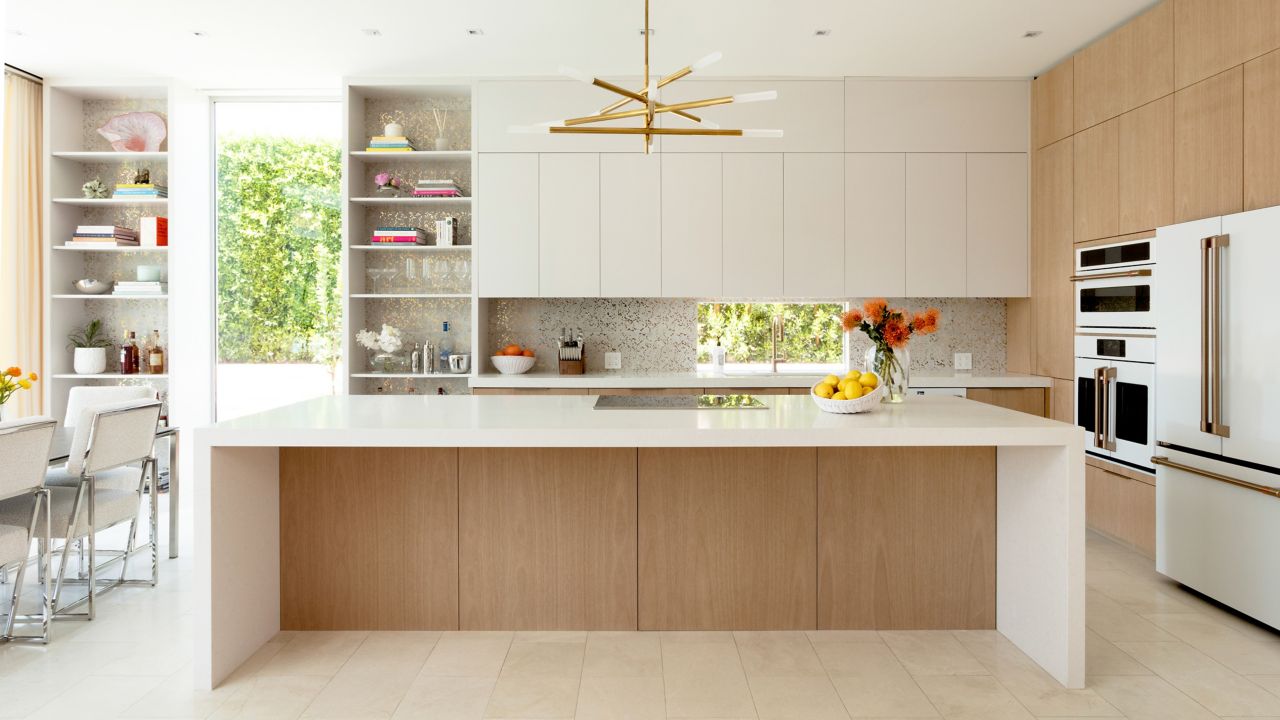
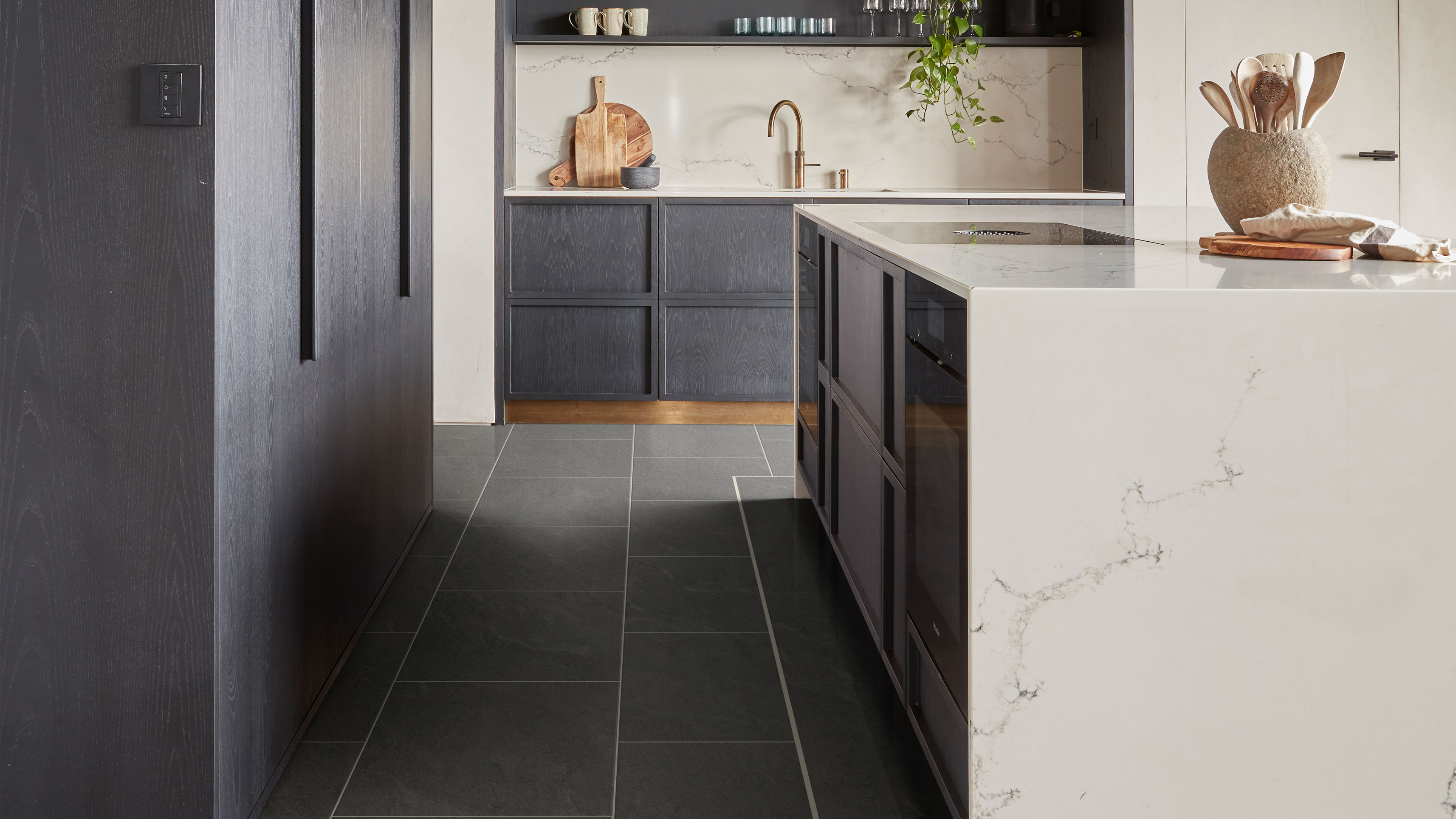
Tiles are a strong choice for kitchen floors. They resist water, stains, and scratches very well.
Porcelain and ceramic tiles are the most popular. Porcelain is denser and lasts longer. Ceramic is easier to cut and install.
- Porcelain tiles: very durable and water-resistant
- Ceramic tiles: affordable and easy to clean
- Natural stone tiles: stylish but may need sealing
Hardwood Choices
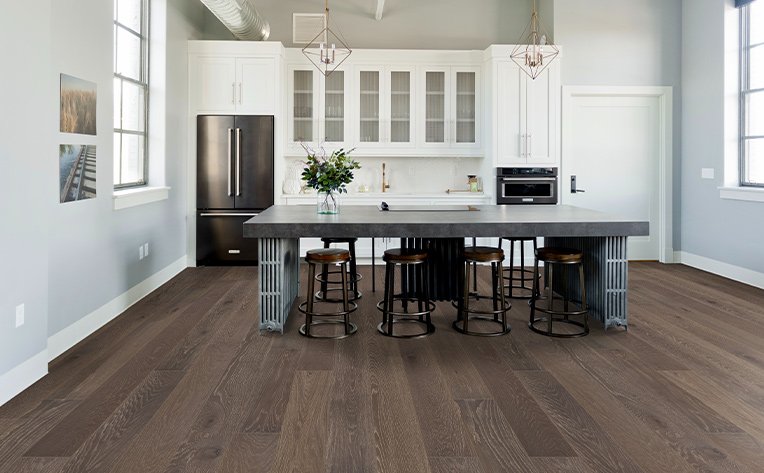
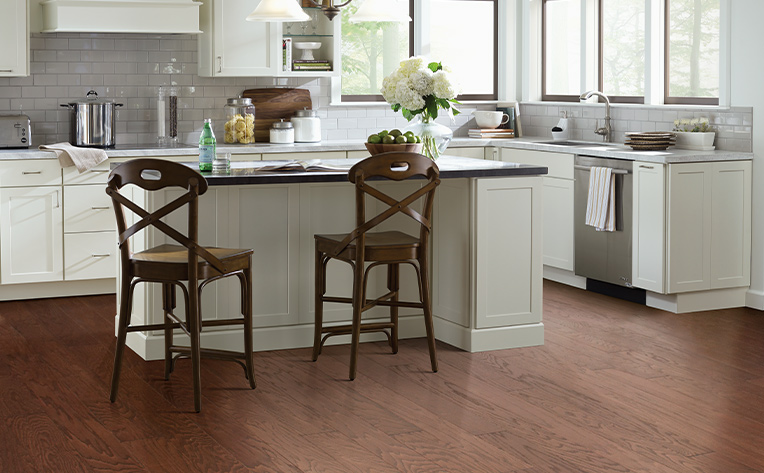
Hardwood floors add warmth and beauty to kitchens. They last long if cared for properly.
Look for hardwood types that resist dents and moisture better. Oak and maple are good options for kitchens.
- Oak: tough and widely available
- Maple: hard and smooth finish
- Bamboo: eco-friendly and durable
Laminate Flooring
Laminate flooring looks like wood or stone but costs less. It is easy to clean and scratch-resistant.
Laminate can handle spills if you clean them fast. Choose water-resistant types for kitchen use.
- Easy to install with click-lock design
- Resists scratches and stains
- Not as water-proof as vinyl or tile
Vinyl Alternatives
Vinyl flooring is soft underfoot and very water-resistant. It works well in busy kitchens.
Luxury vinyl tiles (LVT) come in many styles. They mimic wood, stone, or tile at a lower price.
- Waterproof and easy to clean
- Comfortable and quiet to walk on
- Durable but can dent under heavy objects
Credit: www.tileshop.com
Factors To Consider
Choosing durable kitchen flooring is important for a long-lasting and practical kitchen. You need to think about several factors before making a decision.
These factors help you pick flooring that fits your needs and style. Consider each one carefully to find the best option.
Foot Traffic Levels
The kitchen often has many people walking around. High foot traffic wears down floors faster. Choose flooring that can handle heavy use if your kitchen is busy.
Materials like tile, vinyl, and hardwood are good for high traffic. Softer materials may get damaged quickly.
Moisture And Spills
Kitchens have frequent spills and moisture. Flooring must resist water to avoid damage. Waterproof or water-resistant floors last longer.
Materials like ceramic tile, vinyl, and sealed hardwood work well. Avoid floors that soak up water easily.
Maintenance Requirements
Some floors need more care than others. Consider how much time you want to spend cleaning and fixing your floor.
Hard surfaces like tile and vinyl need less maintenance. Wood floors may require regular sealing or polishing.
- Easy-to-clean floors save time
- Durable surfaces reduce repairs
- Choose materials that match your cleaning habits
Budget Considerations
Your budget affects your flooring choices. Some materials cost more upfront but last longer. Others are cheaper but need replacing sooner.
Think about the total cost, including installation and upkeep. Balance price with durability to get the best value.
- Set a clear budget before shopping
- Compare costs of materials and installation
- Include maintenance costs in your plan
Comparing Durability
Durable kitchen flooring lasts longer and keeps its look. It must handle daily use without damage. Choosing the right floor means knowing what makes it strong.
This guide compares key durability features. You will learn about wear and tear, scratches, dents, and moisture effects. These factors help you pick the best floor.
Wear And Tear Resistance
Wear and tear means damage from foot traffic and moving objects. Floors with high resistance show less fading and surface loss. Materials like tile and vinyl often score well here.
| Floor Type | Wear and Tear Resistance |
|---|---|
| Porcelain Tile | Very High |
| Luxury Vinyl | High |
| Hardwood | Medium |
| Laminates | Medium |
| Carpet | Low |
Scratch And Dent Resistance
Scratch and dent resistance shows how floors handle sharp or hard objects. Strong surfaces keep smooth and clean. Hard floors like tile resist scratches best, while soft woods dent easier.
- Tile and stone resist scratches and dents well.
- Vinyl is tough but can scratch under heavy use.
- Hardwood can dent but refinishes easily.
- Laminates resist scratches but may chip.
Moisture Resistance
Moisture resistance is key in kitchens. Floors must avoid swelling, warping, or mold from spills and humidity. Some materials handle water better than others.
| Floor Type | Moisture Resistance | Notes |
|---|---|---|
| Porcelain Tile | Excellent | Waterproof and easy to clean |
| Luxury Vinyl | Very Good | Waterproof, good for spills |
| Hardwood | Poor | Can warp or swell with water |
| Laminates | Low to Medium | Can swell if water seeps in |
| Carpet | Poor | Absorbs water, promotes mold |
Credit: www.homesandgardens.com
Installation Tips For Longevity
Choosing durable kitchen flooring is only half the job. Proper installation helps your floor last longer.
Follow these tips to ensure your kitchen floor stays strong and beautiful over time.
Professional Vs. Diy Installation
Deciding between hiring a pro or doing it yourself affects the floor’s durability. Professionals bring experience and tools.
- Pros: Accurate cuts, proper alignment, faster work
- Cons: Higher cost, need to schedule
- DIY Pros: Save money, flexible timing
- DIY Cons: Risk of mistakes, longer installation time
Preparing The Subfloor
A clean, flat subfloor is key to a long-lasting kitchen floor. Remove debris and fix any damage.
| Task | Why It Matters |
| Clean surface | Prevents bumps and gaps |
| Check moisture | Stops mold and warping |
| Level the floor | Ensures even installation |
| Repair cracks | Prevents floor damage |
Proper Sealing Techniques
Seal your kitchen floor well to protect it from water and stains. Use the right sealant for your floor type.
- Clean the floor before sealing
- Apply sealant evenly with a brush or roller
- Follow drying times on the product label
- Apply multiple coats for better protection
- Check for missed spots and cover them
Maintaining Your Kitchen Floor
Keeping your kitchen floor clean helps it last longer. Regular care stops dirt from causing damage.
Follow simple steps to keep your floor looking good and working well every day.
Routine Cleaning Tips
Sweep or vacuum your kitchen floor daily to remove dust and crumbs. Use a damp mop with mild cleaner once a week to clean spills and stains.
- Use soft broom or vacuum with floor attachment
- Avoid harsh chemicals that damage the floor finish
- Wipe spills immediately to prevent stains
- Dry the floor after mopping to avoid water damage
Preventive Measures
Protect your floor from scratches and dents by placing mats at entrances. Use furniture pads under chairs and tables to reduce wear.
| Preventive Action | Benefit |
| Place mats at doors | Stops dirt and moisture |
| Use furniture pads | Prevents scratches |
| Lift furniture when moving | Avoids dents |
| Keep pet nails trimmed | Reduces floor damage |
Repairing Minor Damages
Fix small scratches and chips quickly to keep your floor safe. Use repair kits made for your floor type to fill gaps and cover marks.
Tips for minor repairs:
- Clean the damaged area before repair
- Apply filler or wax matching your floor color
- Use a soft cloth to smooth the repair
- Allow the repair to dry before walking on it
Credit: www.flooringamerica.com
Expert Recommendations
Choosing kitchen flooring that lasts is important for any home. Durable floors save money and look good for years.
Experts suggest focusing on materials that resist water, stains, and heavy foot traffic. This helps keep floors strong and safe.
Top Picks For Durability
Hardwood floors add warmth but need sealing to resist water. Engineered wood offers better moisture resistance.
Tile flooring is very tough and easy to clean. Porcelain tiles resist scratches and stains well.
- Vinyl flooring is waterproof and soft underfoot.
- Laminate floors resist scratches and are budget-friendly.
- Natural stone is strong but may need sealing.
Innovative Flooring Solutions
New flooring options use technology to improve strength and comfort. Some floors blend style with durability.
Luxury vinyl planks mimic wood and resist moisture well. Cork floors offer softness and natural resistance to mold.
- Waterproof laminate prevents warping from spills.
- Composite tiles combine stone and resin for toughness.
- Antimicrobial coatings keep floors cleaner longer.
Frequently Asked Questions
What Is The Most Durable Kitchen Flooring Material?
Porcelain tile is one of the most durable options. It resists scratches, stains, and moisture well. It also lasts for decades with minimal maintenance, making it ideal for busy kitchens.
How To Choose Kitchen Flooring For Heavy Foot Traffic?
Look for materials like ceramic tile, vinyl, or hardwood with a strong finish. These options withstand constant use and maintain their appearance longer in high-traffic areas.
Are Waterproof Floors Good For Kitchen Durability?
Yes, waterproof floors like luxury vinyl or sealed tile prevent water damage. They help maintain flooring integrity in kitchens prone to spills and moisture.
How Important Is Slip Resistance In Kitchen Flooring?
Slip resistance is crucial for kitchen safety. Choosing flooring with textured surfaces or anti-slip coatings reduces accident risks from wet or greasy floors.
Conclusion
Choosing durable kitchen flooring takes careful thought and planning. Focus on materials that resist water and scratches. Consider how much foot traffic your kitchen gets daily. Think about cleaning ease and maintenance needs. Remember, durable floors save money over time.
Your kitchen will look great and stay strong for years. Take your time to pick the best option. A smart choice makes cooking and cleaning easier. Durable flooring means less worry and more comfort.