
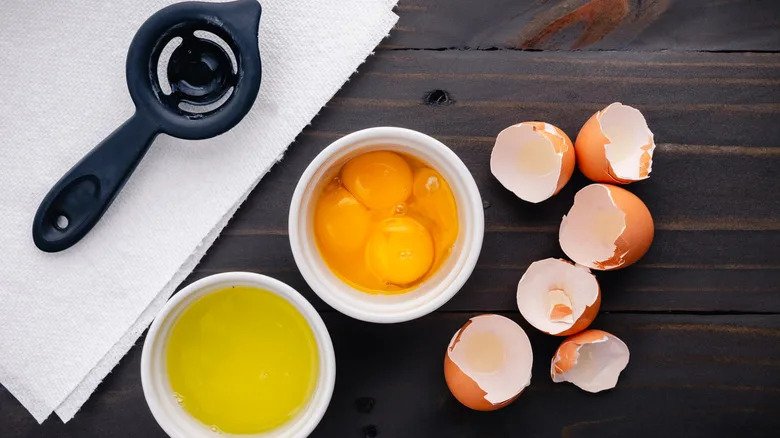
Are you tired of messy egg yolks ruining your recipes? Choosing the right egg separator can make a huge difference in your kitchen.
It’s not just about convenience—it’s about saving time and avoiding frustration every time you crack an egg. You’ll discover simple tips to pick the perfect egg separator that fits your needs. Keep reading, and you’ll never struggle with separating eggs again!
Importance Of An Egg Separator
An egg separator helps you split egg whites from yolks easily. It saves time and keeps your hands clean.
Using the right egg separator improves cooking and baking results. It ensures you get pure egg whites or yolks.
Ease Of Use
An egg separator should be simple to hold and use. A good design helps you separate eggs quickly without mess.
Look for separators that fit comfortably in your hand. This reduces spills and broken yolks while separating.
Material And Durability
Egg separators come in plastic, metal, and silicone. Choose a strong material that lasts long and is easy to clean.
Metal separators are sturdy but can be heavy. Plastic ones are light but may break. Silicone is flexible and safe.
Cleaning And Maintenance
Choose an egg separator that is easy to wash. Some models are dishwasher safe, which saves you time.
A simple design without many parts is easier to clean. Avoid separators with small holes where egg can get stuck.
Size And Storage
Pick an egg separator that fits your kitchen space. Compact models are good for small kitchens and easy to store.
Some separators stack well or hang on hooks. This helps keep your kitchen neat and organized.

Credit: www.amazon.ae
Types Of Egg Separators
Egg separators help divide the yolk from the white easily. Choosing the right type saves time and effort.
There are different egg separators to fit various kitchen needs. Each type works in a unique way.
Manual Egg Separators
Manual egg separators work by hand to separate egg yolks and whites. They are simple and easy to use.
These separators come in many shapes, like cups or slotted spoons. They do not need batteries or power.
- Usually made of plastic or metal
- Easy to clean and store
- Affordable and widely available
Electric Egg Separators
Electric egg separators use power to separate eggs quickly. They reduce manual effort and speed up the process.
These tools often have a small motor and suction to pull yolks from whites. They are good for large batches.
- Require batteries or charging
- Easy to use with one button
- More expensive than manual types
Multi-functional Tools
Multi-functional egg separators combine several kitchen tasks in one tool. They can separate eggs and perform other jobs.
Some include measuring cups, scoops, or strainers. These tools save space and add convenience in the kitchen.
- Great for small kitchens
- May be less specialized
- Useful for multiple cooking tasks
Material Considerations
Choosing the right material for an egg separator is important. It affects durability, ease of cleaning, and safety.
Some materials last longer while others are easier to handle. Knowing the options helps you pick the best one.
Stainless Steel
Stainless steel egg separators are strong and long-lasting. They do not rust or stain easily.
This material is easy to clean and safe for food use. It can handle heat if you want to separate eggs over a pan.
- Durable and rust-resistant
- Easy to clean by hand or dishwasher
- Good for hot or cold use
- Usually more expensive
Plastic
Plastic egg separators are lightweight and affordable. They come in many shapes and colors.
Some plastics can stain or absorb odors. Look for BPA-free options to keep your food safe.
- Light and easy to handle
- Often dishwasher safe
- May stain or hold smells
- BPA-free is safer
Silicone
Silicone separators are flexible and soft. They are gentle on eggs and easy to store.
This material resists heat and is simple to clean. Silicone is also non-stick, so egg whites slide off easily.
- Flexible and soft
- Heat resistant
- Non-stick surface
- Easy to clean
Design Features To Look For
Choosing the right egg separator makes cooking easier. The design of the tool affects how well it works. Look for features that fit your kitchen needs.
A good egg separator saves time and reduces mess. It should be simple to use and clean. Space-saving designs help if your kitchen is small.
Ease Of Use
Pick an egg separator that feels comfortable in your hand. The shape should make it easy to separate yolks from whites quickly. Avoid designs that need too much effort.
Look for separators with simple mechanics. A steady grip and smooth edges help prevent egg shell pieces from falling in. Clear parts let you see the separation clearly.
Ease Of Cleaning
Choose separators that are easy to wash. Fewer parts mean less time cleaning. Dishwasher-safe materials save effort and keep the tool clean.
A smooth surface stops egg residue from sticking. Avoid separators with small holes or grooves that trap dirt. Quick drying also helps prevent bacteria build-up.
Space-saving Designs
Find an egg separator that fits well in your kitchen drawers or hangers. Compact designs take less space. Some separators nest inside other kitchen tools.
Look for separators with flat backs or hooks. These allow easy storage and quick access. Space-saving tools keep your kitchen organized and tidy.
Size And Capacity
Choosing the right size and capacity for an egg separator is important. It helps you work faster and avoid messes in the kitchen.
Think about how many eggs you usually separate at once. This will guide you to the best size and capacity for your needs.
Consider How Many Eggs You Separate
Some egg separators hold one egg at a time. Others can handle multiple eggs. Choose a size that fits how often you cook.
If you cook for many people, pick a separator with larger capacity. It saves time and effort.
Size And Kitchen Space
Think about the space you have in your kitchen. A big separator may not fit well in small kitchens.
Small separators are easy to store and clean. Large ones can be harder to find space for.
Material And Durability Affect Size
Egg separators come in plastic, metal, or silicone. Each material affects the size and weight of the tool.
Metal separators may be smaller but heavier. Plastic ones can be bigger but light. Pick the size that feels right for you.
Budget-friendly Options
Choosing an egg separator does not have to be expensive. There are many affordable options that work well. You can find tools that save time and are easy to clean.
Focus on simple designs and durable materials. These will last longer without costing too much. Think about what fits your kitchen and your needs.
Plastic Egg Separators
Plastic egg separators are often the cheapest choice. They are lightweight and easy to use. Many come in bright colors and simple shapes.
Look for BPA-free plastic to keep food safe. These separators usually clean well by hand or in a dishwasher.
- Lightweight and easy to handle
- Affordable and widely available
- Easy to clean and store
Stainless Steel Egg Separators
Stainless steel separators cost a bit more but last longer. They resist rust and do not absorb odors. This makes them a good value for the price.
These separators are simple to clean and often dishwasher safe. They add a classic look to your kitchen tools.
- Durable and rust-resistant
- Easy to clean and maintain
- Good long-term investment
Silicone Egg Separators
Silicone separators are flexible and gentle on eggs. They are usually budget-friendly and come in many colors. Silicone is also heat-resistant and easy to clean.
These tools can be squeezed to separate eggs without breaking yolks. They are small and easy to store in any kitchen.
- Flexible and gentle on eggs
- Affordable and colorful
- Heat-resistant and dishwasher safe
Simple Bowl And Spoon Method
You can separate eggs without a tool. Use a clean spoon and two bowls. This method costs nothing and works well with care.
Crack the egg gently and scoop out the yolk with the spoon. Let the egg white drip into the bowl. This is a budget-friendly option.
- No special tools needed
- Works well with practice
- Easy to clean and store
User Reviews And Ratings
User reviews and ratings help you find the best egg separator. They show real experiences from buyers.
Reading reviews saves time and avoids poor quality products. Ratings give a quick idea of the product’s value.
Look For Detailed Feedback
Check reviews that explain how well the egg separator works. Look for comments on ease of use and cleaning.
Detailed feedback helps you understand if the separator meets your needs. It also shows if the product is durable.
- Does it separate yolk from white easily?
- Is it simple to clean after use?
- Does it fit well in your kitchen?
Check Overall Ratings
Look at the average star rating to know the product’s popularity. Higher ratings often mean better quality.
Be cautious of products with few reviews. Many ratings give a more reliable score.
- Five-star ratings show high satisfaction
- Three-star or below may indicate issues
- Look for products with at least 50 reviews
Notice Common Complaints
Read what users complain about the most. This shows common problems with the egg separator.
If many users mention the same problem, consider choosing another model.
- Yolk breaks during separation
- Plastic parts break easily
- Hard to clean design
Compare Reviews Across Sites
Check reviews on different websites to get a full picture. Ratings can vary between stores.
Comparing helps find honest feedback and avoid fake reviews.
- Look at retailer sites and independent review sites
- Check for consistent opinions about the product
- Avoid products with very mixed reviews
Credit: www.dhgate.com
Expert Recommendations
Choosing the right egg separator makes cooking easier and cleaner. Experts share tips to help you pick the best one.
Focus on materials, ease of use, and cleaning to find a separator that fits your kitchen needs.
Pick Durable Materials
Egg separators should last long and resist damage. Experts recommend stainless steel or high-quality silicone.
These materials do not break easily and clean well. Avoid cheap plastic that can crack or stain.
Choose Easy-to-clean Designs
Cleaning your egg separator should be quick and simple. Experts suggest choosing models without small holes or tight corners.
Dishwasher-safe separators save time. If hand-washing, pick separators that rinse easily.
Look For Comfortable Handling
Good egg separators feel comfortable in your hand. Experts say choose separators with grips or handles.
This helps control the tool when separating eggs. Avoid slippery surfaces that make the tool hard to hold.
Consider Size And Capacity
Size matters in the kitchen. Experts recommend separators that fit your usual egg size and cooking needs.
Some separators work best with large eggs, others with small ones. Pick a size that matches your cooking style.
Check For Stability And Safety
Stable separators reduce mess and spills. Experts suggest choosing separators that rest securely on bowls.
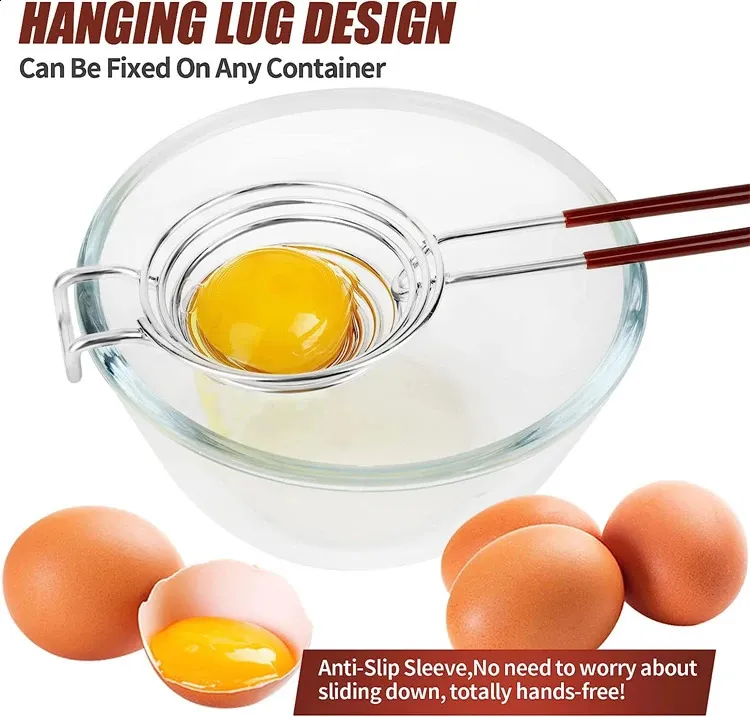
Look for features like wide rims or hooks that keep separators in place during use.
Common Mistakes To Avoid
Choosing an egg separator may seem easy, but many people make mistakes. These errors can cause frustration and mess in the kitchen.
Knowing what to avoid helps you pick the right tool. This makes cooking and baking smoother.
Ignoring Material Quality
Many people buy egg separators made from cheap plastic. These can break easily or stain quickly.
Choose separators made from sturdy materials like stainless steel or BPA-free plastic. They last longer and are safer to use.
Picking The Wrong Size
Some egg separators are too small or too large for regular kitchen use. A wrong size can waste time or cause spills.
Select a size that fits your eggs well and works with your kitchen tools. A medium size suits most needs.
Overlooking Ease Of Cleaning
Egg separators can get sticky and hard to clean. Some designs have small holes or corners where egg white hides.
Pick separators that are easy to wash by hand or dishwasher safe. Simple shapes clean faster and better.
Ignoring Egg White Waste
Some separators hold too much egg white, wasting part of it. This is a problem for recipes needing exact amounts.
Choose a separator that lets egg white flow freely without holding too much. This saves your ingredients.
Choosing Complex Designs
Fancy egg separators with many parts can be hard to use and clean. They may also break easily.
Simple designs work better for most cooks. They are easy to use and last longer.
Caring For Your Egg Separator
Taking good care of your egg separator helps it last longer. Clean it properly after each use to keep it working well.
Knowing how to store and handle your egg separator keeps it safe from damage. This guide shares simple care tips.
Clean Your Egg Separator Right Away
Wash your egg separator immediately after use. This stops egg residue from hardening and makes cleaning easier.
Use warm water and mild soap. Avoid strong chemicals that might damage the material.
Use A Soft Brush Or Cloth
Use a soft brush or cloth to clean the egg separator. This prevents scratches on plastic or metal parts.
Be gentle around small openings to remove egg bits without bending or breaking the tool.
Dry Thoroughly Before Storing
Dry your egg separator fully before putting it away. Moisture can cause mold or rust depending on the material.
- Use a clean towel to dry it well
- Let it air dry if needed
- Store in a dry place
Store In A Safe Place
Keep your egg separator in a spot where it won’t get crushed or bent. This keeps it ready for use.
Use a drawer or container that protects it from heavy items or sharp tools.
Check For Damage Regularly
Look over your egg separator often to find cracks or breaks. Damaged tools can fail or hurt you.
Replace your egg separator if you see signs of wear that affect its use or safety.
Credit: feedtheball.com
Frequently Asked Questions
What Is The Best Material For An Egg Separator?
The best egg separators are made from food-safe materials like stainless steel or BPA-free plastic. These materials ensure durability and safety. Stainless steel is sturdy and easy to clean, while plastic models are lightweight and affordable. Choose based on your kitchen needs and preferences.
How Do I Choose The Right Size Egg Separator?
Choose an egg separator that fits your typical egg size and bowl. A medium size works well for most eggs. Avoid separators that are too small as they may spill yolks. Also, ensure it fits comfortably on your mixing bowl for easy use.
Can Egg Separators Be Dishwasher Safe?
Many egg separators are dishwasher safe, especially those made from stainless steel or high-quality plastic. Always check the manufacturer’s instructions before cleaning. Dishwasher-safe separators save time and ensure thorough cleaning, maintaining hygiene in your kitchen.
Why Is An Egg Separator Useful In Cooking?
Egg separators help easily separate egg whites from yolks without mess. This tool is essential for recipes requiring only whites or yolks. It saves time and reduces the chance of yolk contamination, ensuring better recipe results.
Conclusion
Choosing the right egg separator makes cooking easier and cleaner. Think about ease of use and cleaning before buying. Choose a separator that fits your kitchen tools and style. Durability matters; pick one that lasts through many uses. A good egg separator saves time and prevents mess.
Small details can make a big difference in your cooking. Enjoy cracking eggs without the hassle of shells or spills. Simple steps lead to better cooking results every time.