
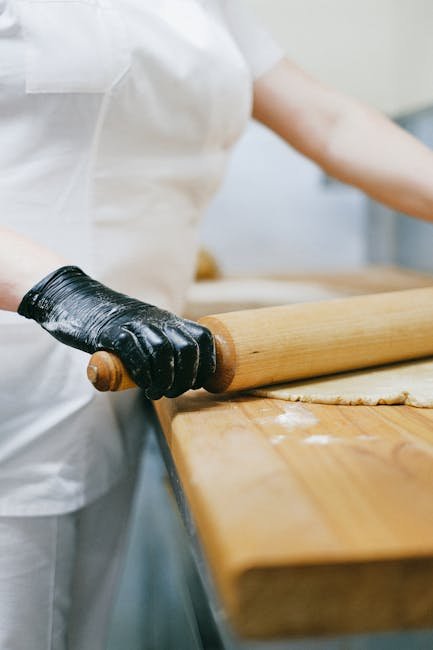
Are you tired of struggling with dough that sticks, tears, or just won’t roll out evenly? Choosing the right rolling pin can make all the difference in your baking.
But with so many options out there, how do you know which one fits your needs? In this guide, you’ll discover simple tips that will help you pick the perfect rolling pin—one that feels comfortable in your hands and makes your baking smoother and more enjoyable.
Keep reading, and you’ll be ready to roll like a pro in no time!

Credit: thisoldbaker.com
Types Of Rolling Pins
Rolling pins come in different styles for baking needs. Choosing the right type helps you roll dough evenly.
Each type offers unique features. Learn about traditional, French, tapered, and non-stick rolling pins.
Traditional Rolling Pins
Traditional rolling pins have a thick cylindrical center with handles on both ends. They roll smoothly over dough.
These pins provide good control and even pressure. They work well for most baking tasks.
French Rolling Pins
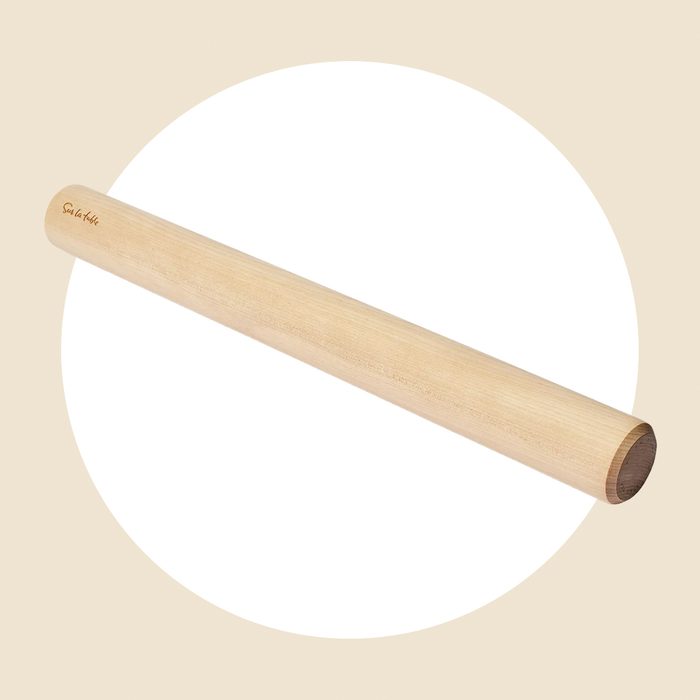
French rolling pins are long and thin without handles. They have a uniform thickness from end to end.
This design gives better sensitivity to dough thickness. Bakers use them to roll delicate dough evenly.
Tapered Rolling Pins
Tapered rolling pins are thinner at the ends and thicker in the middle. They allow easy turning and shaping.
These pins help roll dough in different shapes. They work well for pies and pastries.
Non-stick Rolling Pins
Non-stick rolling pins have smooth surfaces that prevent dough from sticking. They often use silicone or coated materials.
These pins reduce the need for extra flour. They make rolling sticky dough easier and cleaner.
Material Considerations
Choosing the right rolling pin depends on the material it is made of. Different materials offer different benefits for baking and cooking.
Think about weight, texture, and maintenance when picking a rolling pin material. These factors affect your baking experience.
Wooden Options
Wooden rolling pins are classic and widely used. They are light and easy to handle for most bakers.
Wood absorbs some dough moisture, which can help prevent sticking. They need to be cleaned carefully to avoid damage.
- Lightweight and easy to control
- Natural surface helps with dough grip
- Requires hand washing and drying
- May need occasional oiling to maintain wood
Marble Rolling Pins
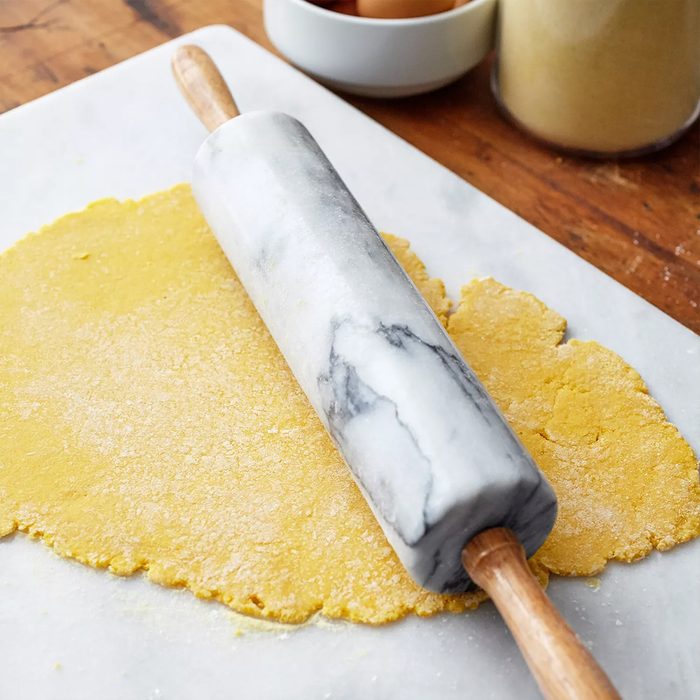
Marble rolling pins are heavy and smooth. Their weight helps roll dough evenly without much effort.
They stay cool, which is good for working with pastry dough. Marble is easy to clean but can chip if dropped.
- Heavy for easy dough flattening
- Cool surface prevents dough sticking
- Simple to clean with a damp cloth
- Fragile; avoid hard impacts
Stainless Steel Choices
Stainless steel rolling pins are durable and non-porous. They do not absorb flavors or odors from dough.
They are easy to clean and can be chilled for cold dough. Their smooth surface helps dough roll smoothly.
- Strong and long-lasting material
- Non-porous surface resists sticking
- Can be cooled for better dough handling
- Dishwasher safe for easy cleaning
Silicone Alternatives
Silicone rolling pins are lightweight and flexible. They often have non-stick surfaces that reduce dough sticking.
They are easy to clean and store. Silicone may not have the same weight as other materials, needing more effort to roll dough.
- Light and easy to handle
- Non-stick surface reduces dough sticking
- Simple to clean with soap and water
- Flexible design for easy storage
Size And Weight Factors
Choosing the right rolling pin depends a lot on its size and weight. These factors affect how easy it is to roll dough smoothly.
Picking a rolling pin that fits your comfort and baking style can make cooking more enjoyable and efficient.
Length Preferences
Rolling pins come in different lengths. The length you choose depends on the size of dough you usually work with.
Longer pins are good for big dough batches. Shorter pins are easier to control for small tasks.
- Long pins (18-24 inches) help roll large doughs quickly
- Medium pins (12-18 inches) suit most home bakers
- Short pins (less than 12 inches) offer better precision
Weight Advantages
Weight affects how much pressure the rolling pin applies to the dough. Heavier pins need less force from you.
Lighter pins give more control but require more effort. Choose the weight that feels comfortable for your hands.
- Heavy pins roll dough faster with less effort
- Light pins allow delicate handling and detail work
- Medium weight offers a balance of control and ease
Diameter Variations
Diameter affects how thick the rolling pin feels in your hands. Thicker pins give a firmer grip.
Thinner pins are lighter and easier to maneuver. Think about what feels best when you roll dough.
- Thick diameter (over 2 inches) offers strong grip and stability
- Medium diameter (1.5 to 2 inches) fits most hand sizes comfortably
- Thin diameter (under 1.5 inches) is light and easy to control
Handle Features
Choosing a rolling pin means looking closely at its handle features. The handles affect comfort and control during use.
Good handles help you roll dough evenly and reduce hand strain. Focus on grips and rotation features.
Comfortable Grips
Comfortable grips keep your hands from slipping while rolling dough. Soft, textured handles provide better hold.
Look for handles made from materials like silicone or rubber. These materials feel soft and prevent blisters.
- Soft grips reduce hand fatigue
- Textured surfaces improve control
- Non-slip materials keep hands steady
Rotation Mechanisms
Rolling pins may have rotating handles or fixed ones. Rotating handles help the pin turn smoothly while you roll.
This feature lessens wrist effort and allows faster, even rolling. Check if the rotation is smooth and quiet.
- Rotating handles reduce wrist strain
- Smooth rotation helps even dough thickness
- Fixed handles offer more control but need more effort
Ease Of Cleaning
Choosing a rolling pin that is easy to clean saves time and keeps your kitchen safe. A rolling pin that cleans well stops dough and flour from building up.
Look for materials and designs that allow simple cleaning. This helps keep your rolling pin ready for every baking task.
Dishwasher Safety
Some rolling pins can be cleaned in the dishwasher. This makes cleaning fast and easy.
Check if your rolling pin is dishwasher safe before use. Materials like stainless steel usually work well in dishwashers.
- Wooden rolling pins often are not dishwasher safe.
- Plastic and metal pins usually handle dishwasher cleaning.
- Dishwasher use can damage some pins over time.
Manual Cleaning Tips
Some rolling pins need hand washing to stay in good shape. Clean them right after use to stop dough from hardening.
Use warm water and mild soap. Avoid soaking wooden pins to stop cracking or warping.
- Use a soft cloth or sponge for cleaning.
- Dry wooden pins with a towel immediately after washing.
- Apply a small amount of food-safe oil on wooden pins to keep them smooth.
Credit: www.tasteofhome.com
Budget And Brand Choices
Choosing the right rolling pin can make baking easier. Your budget and brand choices matter a lot.
This guide helps you find rolling pins that fit your money and quality needs.
Affordable Options
Many good rolling pins cost less than $20. These are great for beginners or casual bakers.
Look for pins made of wood or plastic in this price range. They are light and easy to use.
- Wooden rolling pins with smooth finish
- Plastic pins that are easy to clean
- Smaller size pins for simple tasks
Premium Brands
Premium brands offer rolling pins with better materials and design. They last longer and feel sturdy.
These pins often use high-quality wood or stainless steel. They are good for regular bakers.
- Hard maple wood pins that resist warping
- Stainless steel pins that stay cool
- Ergonomic handles for comfort
Customer Reviews And Recommendations
Reading customer reviews helps you find reliable rolling pins. People share real experiences.
Look for pins with many positive ratings. Pay attention to comments about durability and ease of use.
- Check if the pin rolls smoothly
- See if the size fits your baking needs
- Notice if the pin is easy to clean
Specialty Rolling Pins
Specialty rolling pins help bakers create unique shapes and textures. They offer more than just a smooth surface for dough.
Choosing the right specialty rolling pin can improve your baking and add fun details to your pastries.
Textured Designs
Textured rolling pins have patterns carved into them. These patterns press into dough and create decorative effects.
They work well for cookies, pie crusts, and fondant. Patterns can be flowers, swirls, or geometric shapes.
- Create detailed designs without extra tools
- Use gentle pressure to avoid tearing dough
- Clean patterns carefully to keep them sharp
- Best for soft dough that holds shapes well
Adjustable Thickness Models
Adjustable rolling pins let you set the dough thickness. They have removable rings or guides on the ends.
This feature helps make even dough every time. It is useful for pastries, pizza, and pasta dough.
- Choose ring size for your desired thickness
- Roll dough evenly without guessing thickness
- Easy to clean and store with removable parts
- Good for beginners and consistent baking
Credit: www.tasteofhome.com
Frequently Asked Questions
What Materials Are Best For A Rolling Pin?
Wood, marble, and stainless steel are popular materials. Wood is lightweight and versatile. Marble stays cool, ideal for dough. Stainless steel is durable and easy to clean. Choose based on your baking needs and preferences.
How Do I Choose The Right Rolling Pin Size?
Select a rolling pin size based on your baking space and dough quantity. Smaller pins offer control, while larger pins cover more dough quickly. A 10 to 18-inch pin suits most home bakers.
Should I Buy A Tapered Or Straight Rolling Pin?
Tapered pins offer better control and ease of use. Straight pins are versatile and provide even pressure. Choose tapered for delicate pastries, straight for general baking tasks.
How Important Is The Weight Of A Rolling Pin?
Weight affects dough rolling ease and pressure. Heavier pins require less force, ideal for thick dough. Lighter pins offer better control for delicate dough. Pick weight based on your comfort and dough type.
Conclusion
Choosing the right rolling pin makes baking easier and more fun. Think about the material, size, and weight that suit your needs. A good rolling pin helps create smooth dough and better results. Take your time to pick one that feels comfortable in your hands.
With the right tool, your baking will improve day by day. Keep these tips in mind for happy baking ahead.