
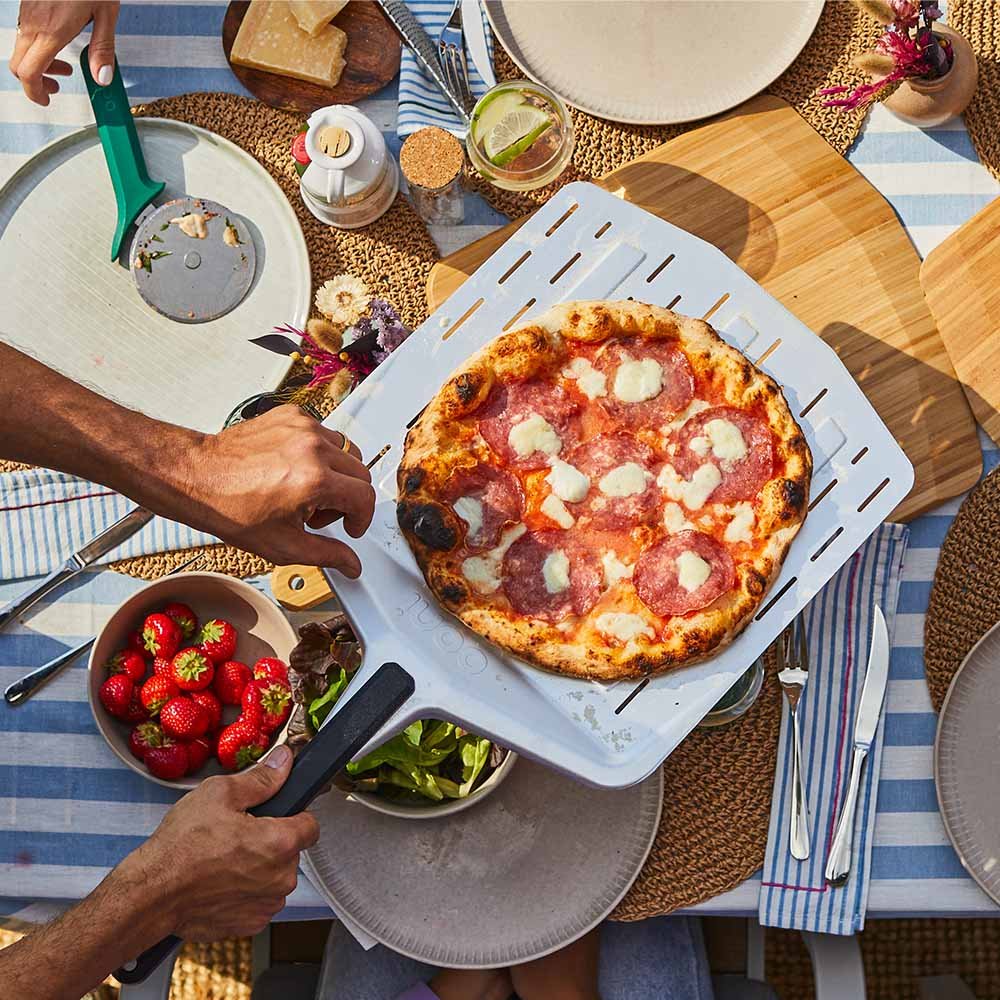
Choosing the right pizza peel can make a big difference in your pizza-making experience. Whether you’re a beginner or a seasoned pro, the peel you use affects how easily you slide your pizza in and out of the oven.
Imagine pulling out a perfectly cooked, golden-crust pizza without any hassle—that’s what the right peel can help you achieve. You’ll discover simple tips to pick the best pizza peel for your needs. Keep reading to make your pizza nights smoother and more enjoyable!

Credit: ooni.com
Types Of Pizza Peels
Pizza peels help you put pizzas in and take them out of the oven. They come in different types. Each type has its own strengths and uses.
Choosing the right peel depends on your cooking style and oven type. Let’s look at the main types of pizza peels.
Wooden Peels
Wooden peels have a flat, wide surface made of wood. They are good for sliding pizzas in the oven without sticking.
Wood absorbs moisture from the dough. This helps prevent the pizza from sticking to the peel. They are great for raw or uncooked pizzas.
- Lightweight and easy to handle
- Needs regular cleaning and drying
- Can wear down over time
- Not good for removing hot pizzas
Metal Peels
Metal peels are usually made from aluminum or stainless steel. They are thin and strong, which makes sliding pizzas easier.
They work well for removing baked pizzas from the oven. Metal peels are easy to clean and last a long time.
- Good for handling hot, cooked pizzas
- Thin edge slides under pizza easily
- May cause dough to stick if not used carefully
- Heavier than wooden peels
Composite Peels
Composite peels are made from mixed materials like wood and resin. They combine benefits of wood and metal peels.
These peels are strong and lightweight. They resist warping and are easy to clean. Composite peels work well for both raw and cooked pizzas.
- Durable and long-lasting
- Lightweight and easy to use
- Resistant to moisture and heat
- More expensive than wood or metal
Size And Shape Considerations
Choosing the right pizza peel helps you handle pizzas safely and easily. Size and shape matter a lot for your cooking style.
Think about the size of your oven and the pizza size you like. The peel should fit well and be easy to use.
Standard Sizes
Pizza peels come in different sizes to match various pizza sizes. Small peels are good for personal pizzas.
Larger peels work well for big pizzas or multiple smaller ones. Choose a size that fits your oven and pizza type.
- Small: 10 to 12 inches wide, best for personal pizzas
- Medium: 14 to 16 inches, fits most home ovens
- Large: 18 inches or more, ideal for big pizzas or commercial use
Shapes: Round Vs. Square
Pizza peels come in round or square shapes. Each shape offers different benefits for pizza handling.
Round peels match the shape of pizza. Square peels give more surface area for easier loading and unloading.
- Round:Fits the shape of the pizza well
- Square:Offers more space for different pizza sizes
- Square:Easier to slide under the pizza
- Round:Looks traditional and simple to use
Handle Length And Comfort
The handle length of a pizza peel affects how easy it is to use. Comfort also plays a big role in handling the peel well.
Choosing the right handle length and design helps you work safely and efficiently in the kitchen.
Short Handles For Home Use
Short handles are easy to store and control. They work well for small ovens and home kitchens.
These handles keep the peel close to you, giving better precision when placing or removing pizza.
Long Handles For Professional Use
Long handles keep your hands away from heat. They are best for large ovens or busy pizza kitchens.
These handles give you more reach and safety but need more space to use.
Ergonomic Designs
Ergonomic handles fit your hand shape well. They reduce strain and make the peel easier to hold.
Look for soft grips or curved handles to improve comfort during long use.

Credit: www.yahoo.com
Surface Material And Maintenance
Choosing the right pizza peel depends a lot on its surface material. The surface affects how the pizza slides on and off the peel.
Maintenance is important to keep your peel in good shape. Different materials need different care routines.
Non-stick Surfaces
Non-stick surfaces make it easier to slide pizzas off the peel. These surfaces reduce sticking and mess.
Common non-stick materials include coated aluminum and silicone. They help move pizzas smoothly without tears.
- Coated aluminum peels are lightweight and easy to use
- Silicone surfaces offer great release but may wear over time
- Non-stick peels reduce flour or cornmeal use
Cleaning And Care Tips
Keep your pizza peel clean to avoid food buildup and damage. Clean it soon after use for best results.
Use gentle cleaning methods to protect the surface. Avoid harsh scrubbing or soaking for long periods.
- Wipe wooden peels with a damp cloth, then dry
- Wash metal peels with mild soap and water
- Do not put wooden peels in the dishwasher
- Apply mineral oil to wooden peels to prevent cracking
- Store peels in a dry place to avoid warping
Weight And Balance
Choosing the right pizza peel means thinking about its weight and balance. These two factors help you handle the peel easily and safely.
A heavy peel can tire your arm quickly. An unbalanced peel may feel awkward and hard to control.
Lightweight Options
Lightweight pizza peels make it easier to slide pizzas in and out of the oven. They reduce strain on your wrist and arm.
Materials like aluminum and thin wood help keep the peel light. These peels are good for quick and simple pizza moves.
- Less tiring to use for long times
- Easy to store and carry
- Good for thin crust pizzas
Balanced Designs
A balanced pizza peel feels steady in your hand. The weight is spread well between the handle and the blade.
Balanced designs help you control the peel better. This makes it safer to move pizzas without dropping them.
- Helps keep the pizza steady
- Reduces wrist strain
- Makes turning pizzas easier
Cost And Budget
Choosing the right pizza peel depends a lot on your budget. You want a tool that works well without spending too much.
Knowing what fits your budget helps you find a peel that lasts and suits your cooking style.
Affordable Choices
Affordable pizza peels are good for beginners or occasional use. They usually have simple designs and basic materials.
These peels often use wood or thin metal. They can handle small pizzas but may wear out faster.
- Wooden peels are cheap and easy to use
- Thin metal peels slide under pizzas well
- Look for handles that feel comfortable
- Check if the peel size fits your oven
Premium Options
Premium pizza peels cost more but last longer and feel stronger. They use high-quality materials like thick metal or hardwood.
These peels often have extra features like non-stick surfaces or ergonomic handles. They work well for regular pizza makers.
- Thick aluminum or stainless steel peels are durable
- Hardwood peels resist warping and cracking
- Long handles keep hands safe from heat
- Some have coated surfaces to prevent sticking
Brand Recommendations
Choosing the right pizza peel depends on quality and trust. Brands with good reputations often offer better products.
Knowing which brands perform well can help you pick a peel that lasts and works well in your kitchen.
Top Brands In The Market
Several brands are known for making durable and easy-to-use pizza peels. These brands use good materials and smart designs.
- PizzaCraft offers wooden and metal peels with comfortable handles.
- GI Metal Tools makes strong steel peels that slide easily under pizzas.
- New Star Foodservice produces peels with a mix of wood and aluminum for light weight and strength.
- American Metalcraft features peels with thin edges for quick pizza transfers.
- OXO Good Grips has peels with non-slip handles for better control.
Customer Reviews And Feedback
Customers often share what they like or dislike about pizza peels. This feedback helps new buyers choose wisely.
Many users praise peels that feel light but strong. They also value handles that do not slip or hurt their hands.
- Positive reviews highlight easy pizza sliding and good balance.
- Some users prefer wooden peels for their classic look and feel.
- Metal peels get credit for durability and easy cleaning.
- Negative comments often mention heavy peels or handles that become slippery.
- Users also warn about peels with edges that are too thick to slide under thin pizzas.
Common Mistakes To Avoid
Choosing the right pizza peel is important for making great pizza. Some mistakes can make the process harder.
Avoid these common errors to enjoy cooking and handling your pizza better.
Choosing The Wrong Size
Picking a peel that is too big or too small causes problems. A large peel can be hard to handle. A small peel may not fit your pizza.
Think about the size of your oven and pizza before buying a peel. A proper size helps you slide the pizza in and out easily.
- Small peel: hard to move big pizzas
- Large peel: heavy and hard to control
- Match peel size to your pizza and oven
Neglecting Material Quality
Low-quality materials can break or wear out fast. A weak peel may not support the pizza well. It can also damage your oven.
Choose peels made from strong wood or metal. These materials last longer and work better. Check if the handle is sturdy too.
- Wood peels: natural, good for raw dough
- Metal peels: strong, easy to slide cooked pizza
- Check for smooth edges to avoid sticking
Expert Tips For Usage
Choosing the right pizza peel helps you handle your pizza easily. Using it the right way keeps your pizza perfect.
This guide shares simple tips to use your pizza peel well. Learn how to move pizza and stop dough from sticking.
Proper Pizza Transfer Techniques
Slide the peel under the pizza gently. Keep the peel level to support the dough fully. This stops the pizza from folding.
Use a quick, smooth motion to move the pizza onto the oven stone or grill. Avoid jerky moves that can damage the shape.
- Flour the peel surface before placing the dough
- Hold the peel steady and slide pizza off carefully
- Check the peel angle to keep pizza flat
- Use a quick push to transfer pizza in and out
Tips For Avoiding Dough Sticking
Keep the peel dry and dusted with flour or cornmeal. This creates a barrier between dough and peel.
Work quickly after placing dough on the peel. Dough can get sticky if it sits too long. Shake the peel gently to check if pizza moves freely.
- Use flour, cornmeal, or semolina on the peel
- Keep dough thin and even to reduce sticking
- Do not overload pizza with toppings
- Shake peel gently before transferring pizza

Credit: www.clickk.co.uk
Frequently Asked Questions
What Materials Are Best For A Pizza Peel?
Wood and aluminum are top materials for pizza peels. Wood offers better dough release, while aluminum is lightweight and durable. Choose based on your baking style and preference for handling heat.
How Do I Choose The Right Size Pizza Peel?
Select a peel slightly larger than your pizza size. This ensures easy transfer without dropping toppings. Common sizes range from 12 to 16 inches wide.
Should I Pick A Wooden Or Metal Pizza Peel?
Wood peels prevent dough sticking and are ideal for raw pizzas. Metal peels are thinner, perfect for sliding cooked pizzas in and out of the oven.
Can A Pizza Peel Fit In A Home Oven?
Yes, measure your oven width before buying. Choose a peel that fits comfortably inside your oven for easy maneuvering and safety.
Conclusion
Choosing the right pizza peel makes cooking easier and more fun. Think about the size, material, and handle comfort. A good peel helps slide pizzas in and out of the oven smoothly. It also keeps your hands safe from heat.
Take your time to pick one that fits your needs. Enjoy making delicious pizzas at home with the perfect tool. Simple steps lead to better results in your kitchen.