
Choosing the right mixing spoon might seem simple, but it can make a big difference in your cooking. Have you ever struggled with a spoon that’s too flimsy or too heavy?
Or maybe one that scratches your pots or feels uncomfortable in your hand? Getting the perfect mixing spoon isn’t just about picking the first one you see. You’ll discover easy tips that help you find a spoon designed to make your cooking easier and more enjoyable.
Keep reading, and you’ll never have to settle for a frustrating mixing tool again.
Credit: www.carawayhome.com
Material Matters
Choosing the right mixing spoon depends on its material. The material affects how the spoon feels and works in your kitchen.
Different materials suit different cooking tasks. Knowing their features helps you pick the best spoon.
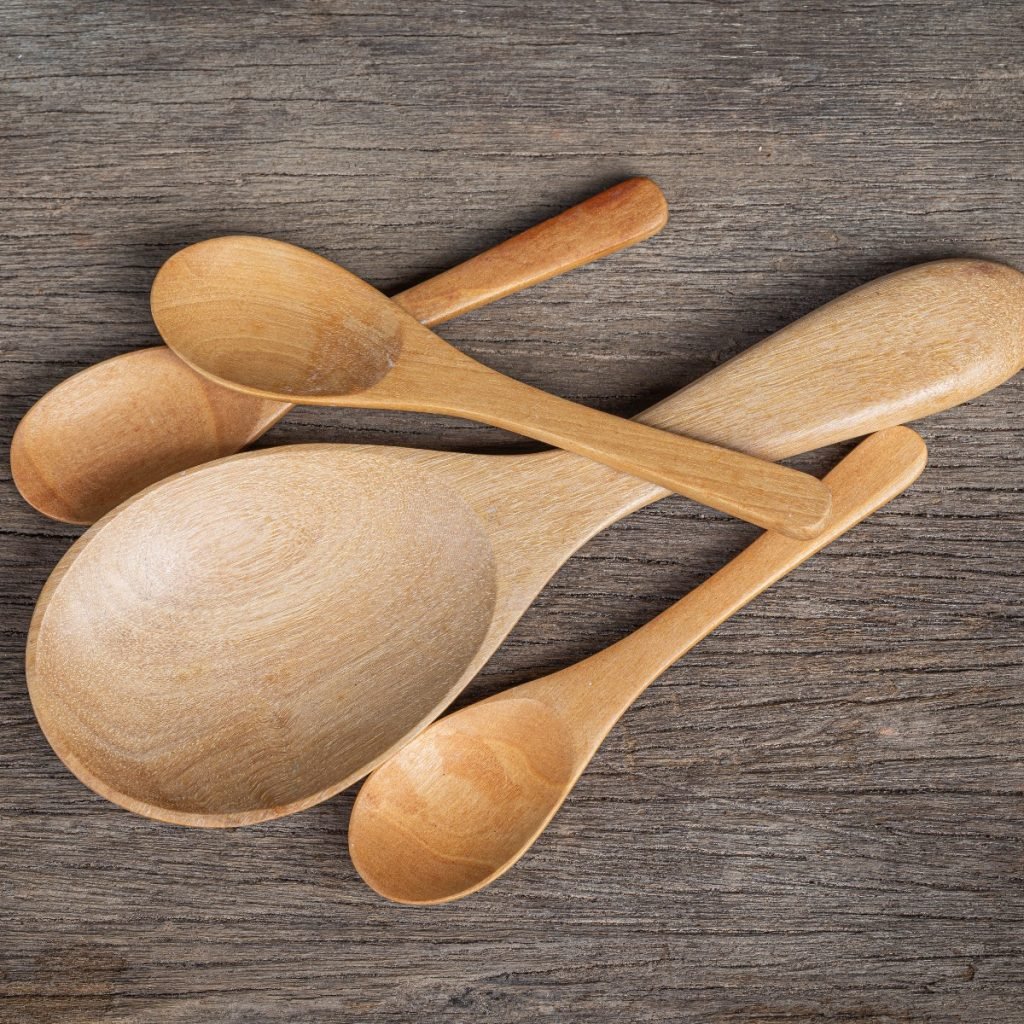
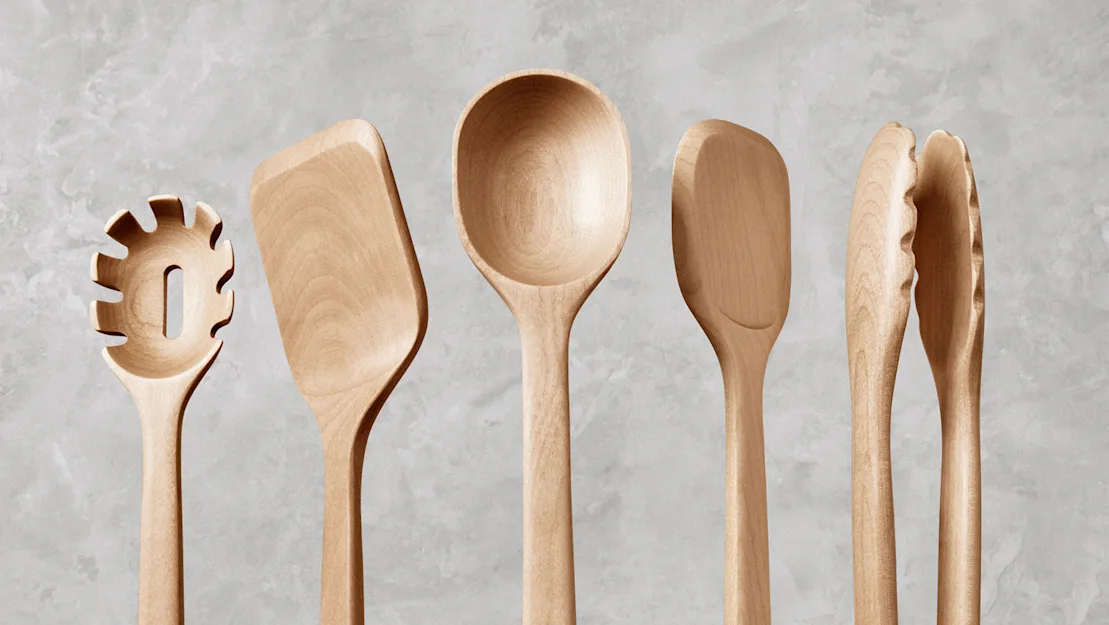
Wooden Spoons
Wooden spoons are gentle on cookware. They do not scratch non-stick pans or pots.
They stay cool and do not conduct heat. This makes them safe to use in hot dishes.
- Durable and strong for thick mixtures
- Do not react with acidic foods
- Can absorb smells if not cleaned well
Silicone Spoons
Silicone spoons are flexible and heat resistant. They work well for stirring and scraping bowls.
These spoons do not scratch cookware. They are easy to clean and often dishwasher safe.
- Heat resistant up to high temperatures
- Non-stick and easy to use
- Safe for all types of pots and pans
Metal Spoons
Metal spoons are strong and long-lasting. They are perfect for heavy stirring and mixing.
They can scratch non-stick cookware. Use metal spoons only with stainless steel or cast iron pots.
- Good heat conductor but can get hot
- Very durable and easy to clean
- Not safe for non-stick surfaces

Credit: bakabee.com
Design Features
Choosing the right mixing spoon depends on its design features. These features affect how easy and comfortable it is to use.
Good design helps you mix ingredients smoothly and reduces hand strain. Focus on the handle and bowl for the best choice.
Handle Comfort
A comfortable handle makes mixing easier and less tiring. Look for handles that fit well in your hand.
Soft or textured grips prevent slipping. Handles that are too thick or thin cause discomfort.
- Ergonomic shape fits hand naturally
- Non-slip material improves grip
- Proper length keeps hands away from bowl
- Lightweight handles reduce fatigue
Bowl Shape And Size
The bowl is the part that stirs and holds ingredients. Its shape and size change how well it mixes.
Choose a bowl that matches your mixing tasks. A deep bowl works for thick batters. A wider bowl suits light stirring.
- Round bowls help mix evenly
- Flat-bottom bowls scrape pans better
- Large bowls hold more ingredients
- Small bowls give more control for small jobs
Versatility And Usage
Choosing the right mixing spoon is important for many kitchen tasks. A good spoon works well for different types of cooking and baking.
Think about how often you will use the spoon and what you will mix. This helps pick a spoon that fits your needs.
Cooking Vs. Baking
Cooking often needs a strong spoon for stirring soups and sauces. Baking needs a spoon that can mix dough and batter smoothly.
Choose a spoon that handles both tasks well. Look for one that is easy to clean and comfortable to hold.
- Cooking spoons are usually deeper and sturdier
- Baking spoons may be flatter for folding ingredients
- A versatile spoon combines both designs
Heat Resistance
Heat resistance is key for a mixing spoon. It must not melt or warp when used in hot pots or pans.
Materials like wood, silicone, and metal offer good heat resistance. Plastic spoons often melt at high heat.
- Wood spoons resist heat and do not scratch cookware
- Silicone spoons handle heat and are flexible
- Metal spoons are strong but can get hot quickly
Maintenance And Durability
Choosing the right mixing spoon means thinking about how to keep it clean. It also means picking a spoon that lasts a long time. Both help save money and time.
A good mixing spoon should be easy to wash and strong enough to handle regular use. This guide helps you understand what to look for.
Cleaning Ease
Look for spoons that are simple to clean. Smooth surfaces stop food from sticking. This makes washing fast and easy.
Materials like stainless steel or silicone often clean well. Avoid spoons with many grooves or rough areas. These spots trap food and bacteria.
- Choose spoons with smooth, non-porous surfaces
- Check if the spoon is dishwasher safe
- Avoid spoons with cracks or hard-to-reach parts
- Materials like silicone and stainless steel clean easily
Longevity
Durable spoons last longer and resist damage. Strong materials handle heat and heavy mixing without breaking.
Wooden spoons can wear out quickly if not cared for. Metal and silicone spoons often last longer and keep their shape.
- Pick spoons made from strong materials like stainless steel or silicone
- Avoid spoons that bend or crack easily
- Check for spoons that resist heat and stains
- Consider spoons that keep their shape over time
Budget Considerations
Choosing the right mixing spoon depends on your budget. You want a spoon that lasts and fits your price range.
Think about how often you will use the spoon. This helps decide if you need a basic or a higher-quality option.
Affordable Options
Affordable spoons are good for occasional use. They can be made from plastic or wood and work well for light mixing.
These spoons are easy to replace if they wear out. They come in many shapes and sizes to fit simple tasks.
- Plastic spoons are lightweight and cheap
- Wooden spoons offer a natural feel
- They work well for small mixing jobs
- Easy to clean and replace
Investment Pieces
Investment spoons cost more but last longer. They are made from strong materials like stainless steel or silicone.
These spoons handle heavy mixing tasks. They stay safe with heat and do not break easily.
- Stainless steel spoons resist rust and stains
- Silicone spoons are heat resistant and flexible
- They offer better durability for frequent use
- Often come with comfortable handles

Credit: www.amazon.com
Expert Recommendations
Choosing the right mixing spoon is important for cooking and baking. Experts suggest picking spoons that feel comfortable and last long. The material and shape of the spoon affect how well it works in the kitchen.
Look for spoons that are easy to clean and safe for all types of cookware. A good spoon helps mix ingredients evenly and makes cooking easier.
Top Brands
Some brands are known for making high-quality mixing spoons. These brands use durable materials like wood, silicone, and stainless steel. Their spoons resist heat and do not scratch pots or pans.
- Wooden spoons from brands like OXO and Le Creuset last a long time.
- Silicone spoons from brands like GIR and Di Oro are heat resistant and flexible.
- Stainless steel spoons from brands like All-Clad are strong and easy to clean.
Chef Favorites
Professional chefs often choose spoons that feel balanced and sturdy. Many chefs prefer wooden spoons because they do not get hot and do not scratch cookware. Chefs also like spoons with comfortable handles that give good control.
Silicone spoons are popular for mixing sticky or hot ingredients. Chefs pick spoons with rounded edges for easy stirring and scraping.
- Wooden spoons with smooth finishes avoid splinters.
- Silicone spoons that bend help reach every corner.
- Long handles keep hands safe from heat.
Frequently Asked Questions
What Materials Are Best For Mixing Spoons?
Wood, stainless steel, and silicone are popular mixing spoon materials. Wood is gentle on cookware, steel is durable, and silicone resists heat well. Choose based on your cooking style and the type of pots or pans you use to ensure longevity and safety.
How Do I Choose The Right Spoon Size?
Select a spoon size that fits your mixing bowl or pot. Larger spoons work well for big batches, while smaller ones offer control for delicate tasks. Proper size helps mix ingredients evenly and reduces spills or splashes during cooking.
Can Mixing Spoon Shape Affect Cooking Results?
Yes, spoon shape impacts mixing efficiency. Flat or slightly curved spoons scrape bowls better, while round spoons stir liquids smoothly. Choose a shape that matches your recipe needs to improve blending and avoid damaging cookware surfaces.
Should I Consider Heat Resistance In Mixing Spoons?
Absolutely. Heat resistance prevents spoons from melting or warping during cooking. Silicone and stainless steel spoons handle high temperatures well. Avoid plastic spoons for hot mixtures to ensure safety and durability in your kitchen tools.
Conclusion
Choosing the right mixing spoon makes cooking easier and more fun. Think about the material, size, and shape that suit your needs. A good spoon helps mix ingredients well and lasts long. Simple care keeps it clean and ready to use.
Taking time to pick the best spoon saves effort later. Enjoy cooking with the perfect tool in your hand.