
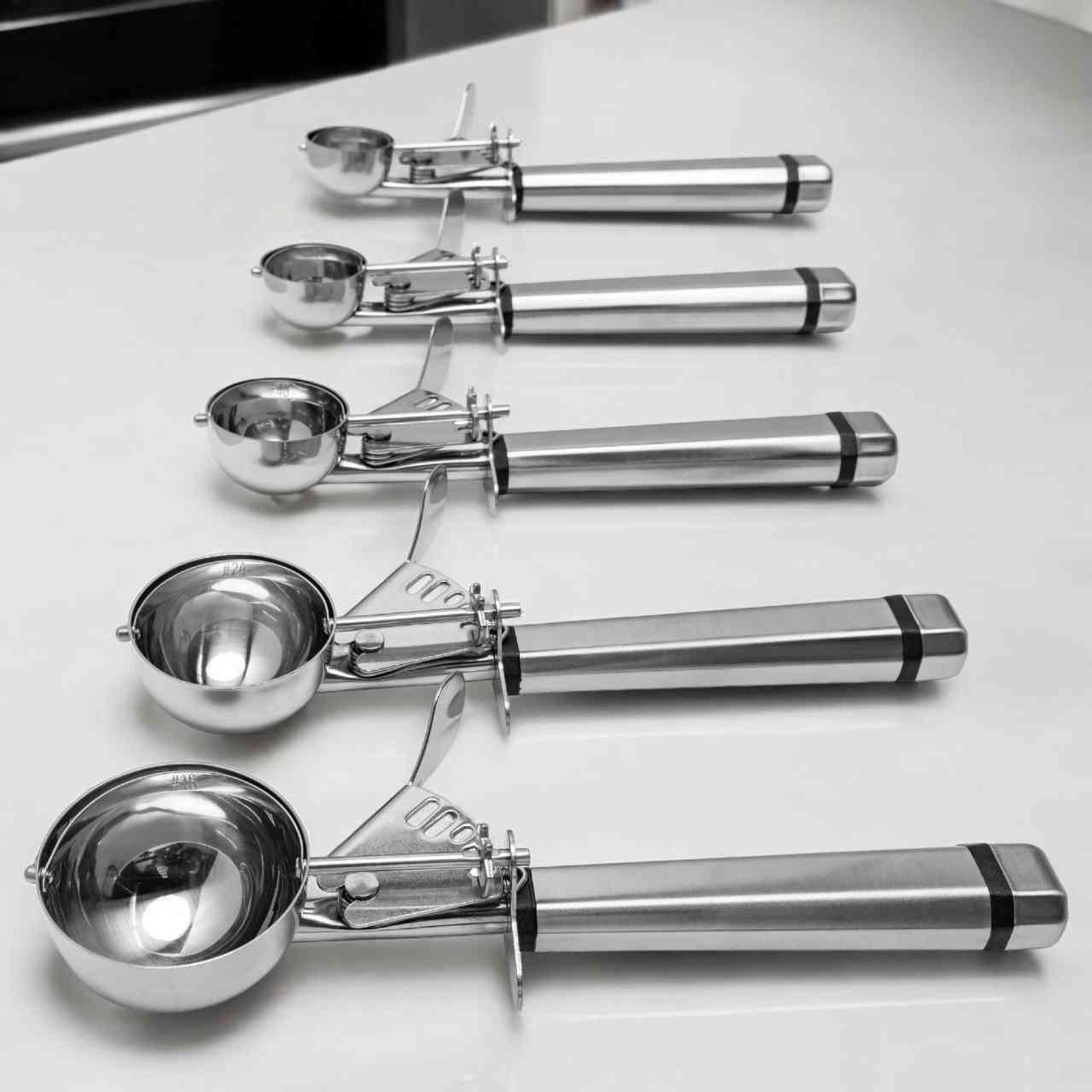
Choosing the right kitchen scoop might seem simple, but it can make a big difference in your cooking and baking. You want a scoop that feels comfortable in your hand, measures accurately, and lasts a long time.
Imagine how much easier your kitchen tasks could be with the perfect scoop by your side. You’ll discover practical tips that help you pick the best kitchen scoop tailored to your needs. Keep reading to find out how to make your cooking more efficient and enjoyable!

Credit: blog.thertastore.com
Materials Matter
Choosing the right kitchen scoop depends on the material it is made from. Different materials offer various benefits and drawbacks. Knowing these can help you pick a scoop that fits your cooking style and needs.
Some materials are better for durability, while others offer ease of use or heat resistance. Understanding these differences is key to making a smart choice.
Plastic Vs Metal
Plastic scoops are lightweight and gentle on non-stick pans. They do not scratch surfaces and are usually affordable. Metal scoops are stronger and last longer. They can handle hot foods without melting.
- Plastic scoops are best for delicate cookware
- Metal scoops resist heat better
- Plastic may melt if left near high heat
- Metal can scratch some pans
- Metal is heavier than plastic
Wooden Options
Wooden scoops look natural and are gentle on cookware. They do not conduct heat, so the handle stays cool. Wood can absorb stains and odors if not cleaned well. These scoops need more care to last long.
| Feature | Wooden Scoop |
| Heat Resistance | Good |
| Durability | Moderate |
| Maintenance | Requires regular oiling |
| Surface Friendly | Yes |
| Weight | Light to moderate |
Silicone Benefits
Silicone scoops combine flexibility and heat resistance. They are safe for non-stick surfaces and easy to clean. Silicone does not absorb odors or stains. These scoops bend easily but stay strong.
- Heat resistant up to 450°F (232°C)
- Flexible and bendable for better scraping
- Non-stick surface safe
- Dishwasher safe and easy to clean
- Does not absorb smells or stains
Size And Capacity
Choosing the right kitchen scoop size helps you measure ingredients easily. Size affects how much you can scoop at once.
Think about the amount you usually need before picking a scoop. This saves time and avoids extra work.
Small Scoops
Small scoops are perfect for measuring spices and small amounts. They usually hold one to two tablespoons.
Use small scoops for baking or cooking when precise amounts matter. They help avoid adding too much.
- Hold 1 to 2 tablespoons
- Good for spices and herbs
- Useful for baking recipes
- Easy to control small amounts
Medium Options
Medium scoops work well for everyday cooking. They usually hold about half a cup.
These scoops are great for measuring sugar, flour, or grains. They balance size and ease of use.
- Hold around half a cup
- Good for flour and sugar
- Ideal for regular cooking tasks
- Easy to scoop and pour
Large Scoops
Large scoops hold one cup or more. They are perfect for big batches and bulk ingredients.
Use large scoops for rice, beans, or flour when you cook in large amounts. They save time and reduce trips.
- Hold one cup or more
- Best for bulk ingredients
- Good for big cooking projects
- Helps scoop large amounts fast
Handle Design
The handle of a kitchen scoop affects comfort and control. Choosing the right design helps reduce hand strain. This guide covers key handle features to consider.
Focus on ergonomic shapes, length, and grip materials. These details improve your scooping experience in the kitchen.
Ergonomic Shapes
Ergonomic handles fit the natural curve of your hand. They reduce fatigue during repeated use. Look for scoops with rounded or contoured handles.
Some handles have finger grooves or wider grips for better control. These shapes help prevent slipping and improve precision.
Length Considerations
- Short handles offer better control for small scooping tasks.
- Long handles keep your hand away from hot pots or bowls.
- Choose a length that matches your typical cooking needs.
- A balanced handle length reduces wrist strain over time.
Try different lengths to see what feels most comfortable for you.
Grip Materials
| Material | Benefits | Considerations |
|---|---|---|
| Silicone | Soft, non-slip, heat resistant | May wear out with heavy use |
| Wood | Natural feel, warm to touch | Needs drying to avoid damage |
| Plastic | Lightweight, affordable | Can become slippery when wet |
| Metal | Durable, easy to clean | Can get hot and hard on hands |
Purpose And Usage
Choosing the right kitchen scoop helps you measure ingredients easily. It makes cooking and baking more accurate.
Different scoops work best for different types of ingredients. Knowing their purpose helps you pick the right one.
Dry Ingredients
Use scoops with straight edges for dry ingredients like flour or sugar. They help level off ingredients for exact amounts.
Choose scoops made of metal or hard plastic. These materials handle dry ingredients well and do not absorb moisture.
- Flour
- Sugar
- Rice
- Cereal
Wet Ingredients
Scoops for wet ingredients need to be easy to clean and non-absorbent. Silicone and stainless steel work well.
Look for scoops with rounded edges to help pour liquids like batter or sauces without spilling.
- Batter
- Sauces
- Oils
- Honey
Specialty Uses
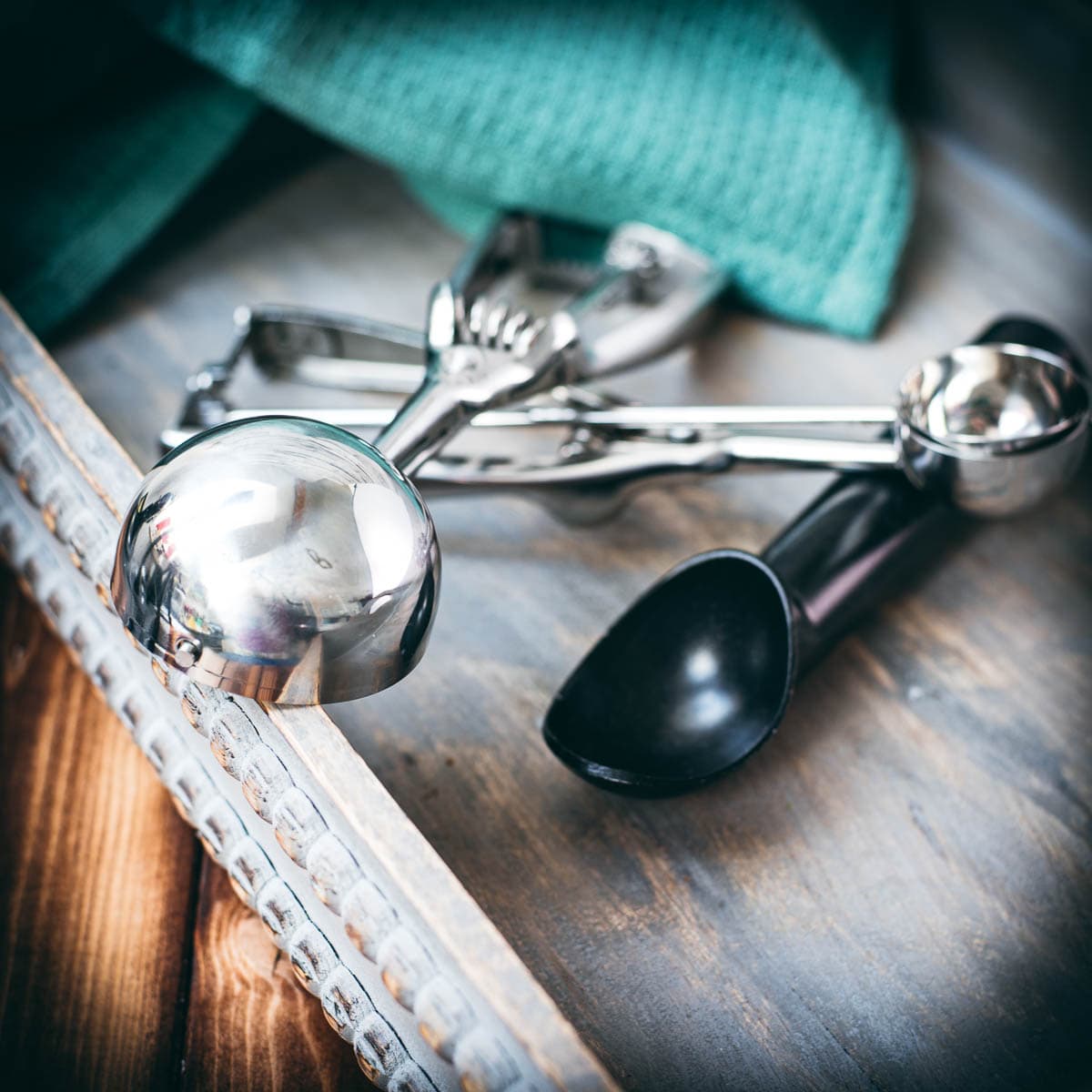
Some scoops are made for special kitchen tasks like measuring ice cream or cookie dough. These often have unique shapes.
Choose scoops with handles or release mechanisms for easy portioning of sticky or thick foods.
- Ice cream scoops
- Cookie dough scoops
- Portion control scoops
- Herb or spice scoops
Maintenance And Durability
Choosing the right kitchen scoop means thinking about how to keep it clean and strong. Good care helps the scoop last longer. Durable scoops save money and effort in the kitchen.
Look for scoops that are easy to maintain. Materials like stainless steel or sturdy plastic often last longer. Proper cleaning and storage also protect your scoop from damage.
Cleaning Tips
Clean your kitchen scoop after each use to stop germs and stains. Use warm water and mild soap. Avoid harsh chemicals that can damage the scoop’s surface.
Dry the scoop completely before storing it. This stops rust or mold from forming. For metal scoops, wipe them with a cloth to keep them shiny.
- Wash with warm soapy water
- Rinse thoroughly to remove soap
- Dry fully to prevent rust or mold
- Avoid abrasive cleaners or scrubbers
Wear And Tear
Kitchen scoops face regular use and can wear out over time. Look for scoops made from tough materials that resist scratches and cracks. This keeps them safe for food and easy to use.
Check your scoop often for damage. Replace it if it has deep cracks or broken parts. A damaged scoop can affect food quality and safety.
- Choose stainless steel or strong plastic
- Inspect for cracks or chips regularly
- Do not use scoops with broken handles
- Replace worn-out scoops promptly
Storage Ideas
Store your kitchen scoop where it stays dry and clean. Avoid places where it can get bent or scratched. Hanging or placing it in a drawer works well.
Keep scoops separate from sharp tools. This helps keep their shape and surface smooth. Using a holder or a hook can protect the scoop and make it easy to find.
- Store in a dry place to avoid rust
- Use hooks or holders for easy access
- Keep away from sharp utensils
- Organize drawers to prevent damage
Credit: combinegoodflavors.com
Style And Aesthetics
Choosing a kitchen scoop is not only about function. Style and look play a big role. The right scoop can add charm and fit your kitchen’s vibe.
Think about colors, decor, and current trends. These details help you pick a scoop you will enjoy using every day.
Color Choices
Color sets the mood in your kitchen. Bright colors can bring energy. Soft tones create calm and warmth. Choose a color that feels right for your space.
- Pick colors that contrast with your countertop.
- Use neutral colors for a classic look.
- Match colors with your kitchen gadgets.
- Consider colors that hide stains well.
Matching Kitchen Decor
Your scoop should blend well with your kitchen style. Think about the materials and finishes in your kitchen. This helps keep a smooth and unified look.
| Kitchen Decor Style | Recommended Scoop Material | Finish |
| Modern | Stainless Steel | Matte or Polished |
| Rustic | Wood or Bamboo | Natural |
| Classic | Metal with Detail | Brushed or Antique |
| Minimalist | Silicone or Plastic | Solid Color |
Trendy Designs
Trends change but can make your kitchen look fresh. Look for scoops with new shapes or clever features. This adds a modern touch without losing function.
- Ergonomic handles for comfort
- Multi-use scoops with measuring marks
- Mix of materials like wood and metal
- Bold geometric shapes

Credit: combinegoodflavors.com
Frequently Asked Questions
What Materials Are Best For A Kitchen Scoop?
Stainless steel and food-grade plastic are ideal materials. They offer durability, easy cleaning, and food safety. Choose based on your kitchen needs and preferences.
How To Choose The Right Size Kitchen Scoop?
Consider the scoop size based on the quantity you handle. Small scoops suit spices; larger ones fit flour or sugar. Match size to your cooking tasks for efficiency.
Why Is Handle Design Important In Kitchen Scoops?
A comfortable, ergonomic handle improves grip and reduces hand strain. Look for non-slip, heat-resistant handles for safety and convenience during frequent use.
Can Kitchen Scoops Measure Ingredients Accurately?
Some scoops come with measurement markings for precision. They help in consistent cooking and baking results. Choose marked scoops if accuracy is a priority.
Conclusion
Choosing the right kitchen scoop matters for your cooking experience. Consider size, material, and design. These factors influence ease of use and durability. Stainless steel scoops last longer. Plastic ones are lightweight. Think about your kitchen needs. A scoop that fits well in your hand ensures comfort.
Always check for easy cleaning options. Dishwasher-safe scoops save time. Also, look for scoops with measurement markings. They help with precise cooking. A good scoop makes kitchen tasks smoother. Investing in the right one enhances daily cooking. So, make your choice wisely and enjoy stress-free kitchen moments.