
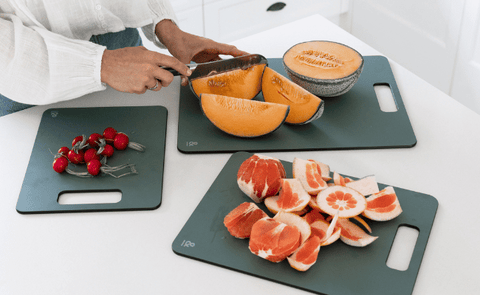
Choosing the right cutting board might seem simple, but it can make a big difference in your kitchen. The board you pick affects how safe and easy your meal prep will be.
Imagine slicing your favorite veggies or juicy steak on a surface that keeps your knives sharp and your food clean. Sounds great, right? You’ll discover easy tips to help you find the perfect cutting board for your cooking style. Keep reading to make sure your next kitchen upgrade is a smart one.
Credit: www.dictum.com
Types Of Cutting Boards
Cutting boards come in different materials. Each type has its own benefits and drawbacks.
Choosing the right board can make food prep easier and safer. Learn about common types here.
Wooden Boards
Wooden cutting boards are popular for their durability and beauty. They are gentle on knives.
They absorb juices from food, which helps keep the board from slipping. They need regular oiling.
- Made from hardwoods like maple and walnut
- Self-healing surface reduces visible cuts
- Needs hand washing and oiling to last
Plastic Boards
Plastic cutting boards are lightweight and easy to clean. Many are dishwasher safe.
They can show knife marks more quickly. Use different colors to avoid cross-contamination.
- Affordable and widely available
- Non-porous, so they don’t absorb liquids
- Can be replaced easily when worn out
Bamboo Boards
Bamboo boards are eco-friendly and harder than many woods. They resist knife cuts well.
They dry quickly but need oiling to prevent cracking. Bamboo is a sustainable choice.
- Made from fast-growing bamboo grass
- Less porous than wood, resists bacteria
- Lightweight and harder surface
Glass Boards
Glass cutting boards are easy to clean and very durable. They do not absorb odors.
They can dull knives quickly. Glass boards are best for serving or light cutting tasks.
- Non-porous and stain resistant
- Dishwasher safe and hygienic
- Can cause knives to dull faster
Size And Shape Considerations
Choosing the right cutting board size and shape is key for kitchen tasks. It helps keep your workspace organized and safe.
Think about your kitchen space and the types of food you prepare often. This will guide your choice well.
Standard Sizes
Standard cutting boards come in small, medium, and large sizes. Each size fits different needs and spaces.
Small boards are good for quick tasks and small kitchens. Medium boards suit most daily cooking. Large boards give space for big jobs.
- Small: Around 8 x 10 inches, fits small spaces
- Medium: About 10 x 14 inches, good for most tasks
- Large: 15 x 20 inches or more, great for big meals
Specialty Shapes
Specialty shapes include round, oval, or custom boards. They add style and fit special uses.
Round boards are handy for serving and cutting smaller items. Oval shapes fit better in tight spaces or for cheese boards.
- Round: Perfect for cutting small fruits or serving
- Oval: Fits narrow counters and looks nice on tables
- Custom: Unique shapes for specific kitchen tasks
Material Durability And Maintenance
Choosing the right cutting board depends on its material durability and ease of care. A durable board lasts longer and keeps your kitchen safe.
Maintenance is important to keep the board clean and prevent damage. Some materials need more care than others.
Long-lasting Materials
Wood and bamboo cutting boards are strong and can last many years. They resist knife marks and stay sturdy over time.
Plastic boards are lighter and cheaper but can wear out faster. Look for high-density plastic for better durability.
- Wood and bamboo: durable and gentle on knives
- High-density plastic: good for heavy use
- Composite boards: mix of wood and resin, very strong
Easy Cleaning Tips
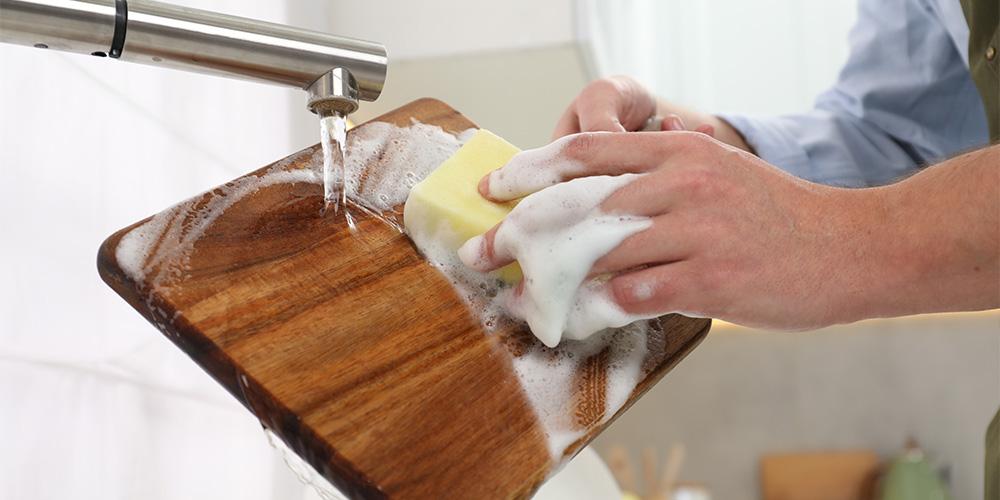
Keep your cutting board clean to avoid bacteria and stains. Clean it after every use with warm, soapy water.
Avoid soaking wooden boards in water. Dry them quickly to stop warping and cracking.
- Wash with warm water and mild soap
- Do not put wood boards in the dishwasher
- Dry boards fully before storing
- Use vinegar or lemon to remove odors
Safety Features
Choosing a cutting board with safety features helps prevent accidents in the kitchen. These features keep the board stable and protect your workspace.
Look for boards designed to reduce slipping and contain liquids. These features make cutting safer and cleaner.
Non-slip Surfaces
Non-slip surfaces keep the cutting board steady during use. This reduces the risk of the board moving and causing cuts.
Some boards have rubber edges or feet to hold them in place. Others use textured surfaces to stop slipping on smooth counters.
- Rubber feet prevent sliding on the countertop
- Textured surfaces add grip for safer cutting
- Some boards have non-slip pads on the bottom
Juice Grooves
Juice grooves catch liquids from fruits, vegetables, or meats. This stops spills and keeps your countertop clean.
Boards with deep juice grooves are best for cutting juicy foods. They prevent liquid from pooling and reduce slipping hazards.
- Grooves collect juices and stop spills
- Keep counters dry and clean while cutting
- Help maintain a safer cutting surface
Hygiene And Bacteria Resistance
Choosing the right cutting board helps keep your kitchen clean. It lowers the chance of bacteria growing on the surface.
Some cutting boards stop germs better than others. Knowing this can protect your family from food illnesses.
Antimicrobial Properties
Some cutting boards have materials that fight bacteria. These materials help stop germs from growing.
Wood and bamboo can naturally resist bacteria. Plastic boards may include antimicrobial treatments to help.
- Wood blocks bacteria by trapping it in tiny pores
- Bamboo is hard and less likely to hold germs
- Plastic boards can be treated to resist microbes
Proper Sanitization
Cleaning cutting boards well is key to stopping bacteria. Use hot water and soap after every use.
Disinfect boards by soaking in a vinegar or bleach solution. Let them dry fully to avoid germs growing.
- Wash with hot, soapy water after use
- Soak in vinegar or diluted bleach to kill germs
- Dry completely before storing to prevent bacteria
- Replace boards with many deep cuts or stains
Environmental Impact
Choosing a cutting board affects the environment. Some boards harm nature more than others.
Look at materials and how makers produce them. This helps you pick a greener cutting board.
Eco-friendly Materials
Choose cutting boards made from natural, renewable materials. Wood and bamboo are good choices.
These materials break down easily and do not pollute the soil or water.
- Hardwood like maple or walnut lasts long and is biodegradable
- Bamboo grows fast and uses less water than trees
- Avoid plastic boards that take many years to decompose
Sustainable Production Practices
Choose boards made by companies that care for the environment. They use safe methods and less waste.
Look for brands that use certified wood and reduce pollution during making boards.
- Use wood from forests managed to grow new trees
- Reduce chemicals and energy in the production process
- Recycle scraps and use eco-friendly packaging
Budget Considerations
Choosing the right cutting board can fit many budgets. It is important to think about how much you want to spend.
Your budget affects the material, size, and durability of the board you pick.
Affordable Options
There are many cutting boards that cost less but still work well. Plastic boards are usually cheaper and easy to clean.
Bamboo boards can also be affordable and last a long time if cared for properly.
- Plastic boards are light and dishwasher safe
- Bamboo boards resist bacteria and are eco-friendly
- Look for sales or discount brands for better prices
Investment Pieces
Some cutting boards cost more but offer great quality and last many years. Wood boards like maple or walnut are strong and gentle on knives.
These boards need more care but can improve your cooking experience and kitchen look.
- Wood boards are durable and knife-friendly
- They may need oiling to keep them in good shape
- Heavy boards stay steady while cutting

Credit: www.woodcuttingboardstore.com
Aesthetic Appeal
Choosing a cutting board is not only about function. Its look can add style to your kitchen.
A cutting board that fits your kitchen’s style makes cooking more enjoyable.
Matching Kitchen Decor
Pick a cutting board that matches your kitchen’s colors and materials. This creates a smooth look.
Think about the wood type, color, and finish to match cabinets or counters.
- Light wood fits modern and bright kitchens
- Dark wood works well with classic or rustic styles
- Plastic boards come in many colors to match appliances
Unique Design Choices
Choose a cutting board with a unique design to add character to your kitchen.
Look for boards with interesting shapes or patterns to stand out on your countertop.
- Boards with live edges show natural wood beauty
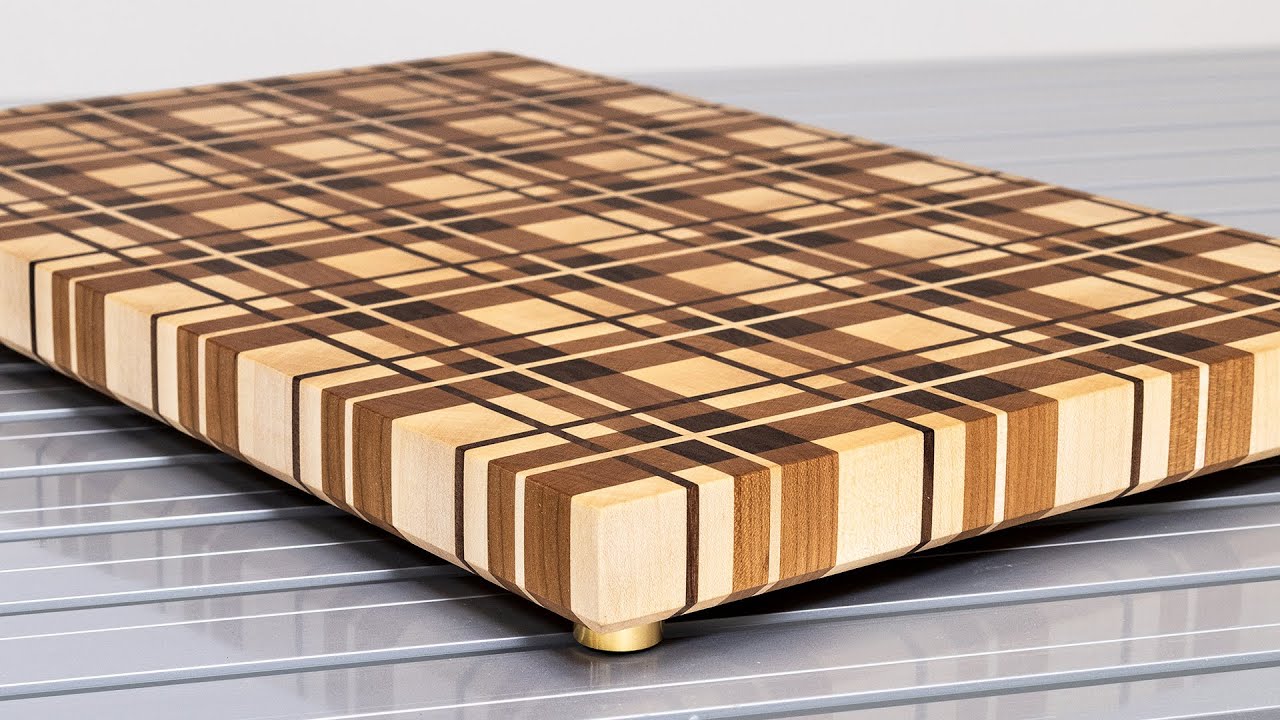
- Inlaid wood patterns create artistic effects
- Colorful resin accents add a modern touch
Credit: www.youtube.com
Frequently Asked Questions
What Materials Are Best For Cutting Boards?
Wood and plastic are popular for cutting boards. Wood is durable and gentle on knives. Plastic is easy to clean and dishwasher-safe. Bamboo offers eco-friendly benefits. Choose based on your kitchen needs and maintenance preferences.
How To Prevent Bacteria On Cutting Boards?
Clean boards thoroughly with hot, soapy water after use. Avoid cross-contamination by using separate boards for meat and vegetables. Sanitize regularly with vinegar or diluted bleach solutions. Proper drying also helps reduce bacteria growth.
Which Cutting Board Size Is Ideal For Kitchens?
Choose a size that fits your counter space and cooking style. A medium board around 12×18 inches suits most tasks. Larger boards offer more space but need more storage room. Balance size with convenience for best results.
Are Wooden Cutting Boards Dishwasher Safe?
Wooden cutting boards are generally not dishwasher safe. Heat and water can cause warping and cracking. Hand wash with mild soap and dry immediately. Proper care extends the board’s life and maintains hygiene.
Conclusion
Choosing the right cutting board makes cooking safer and easier. Think about the material, size, and maintenance. Wood boards are gentle on knives but need care. Plastic boards are easy to clean and light. Always pick a board that fits your kitchen space.
Clean your board well to avoid germs. Change boards if they get deep cuts. A good cutting board helps keep your food fresh. Simple steps lead to better cooking results every day.