
Choosing the right colander might seem like a small decision, but it can make a big difference every time you cook. Imagine easily draining pasta without spills or rinsing veggies quickly and effortlessly.
You want a colander that fits your kitchen style and meets your cooking needs. You’ll discover simple tips to help you pick the perfect colander that saves you time and hassle. Keep reading to find out how to make your cooking smoother and more enjoyable!
Credit: www.surlatable.com
Types Of Colanders
Choosing the right colander helps you cook better. Different types fit different needs. Knowing the types makes shopping easier.
Colanders come in metal, plastic, and silicone. Each type has strengths and weaknesses. Learn about them to pick the best one.
Metal Colanders
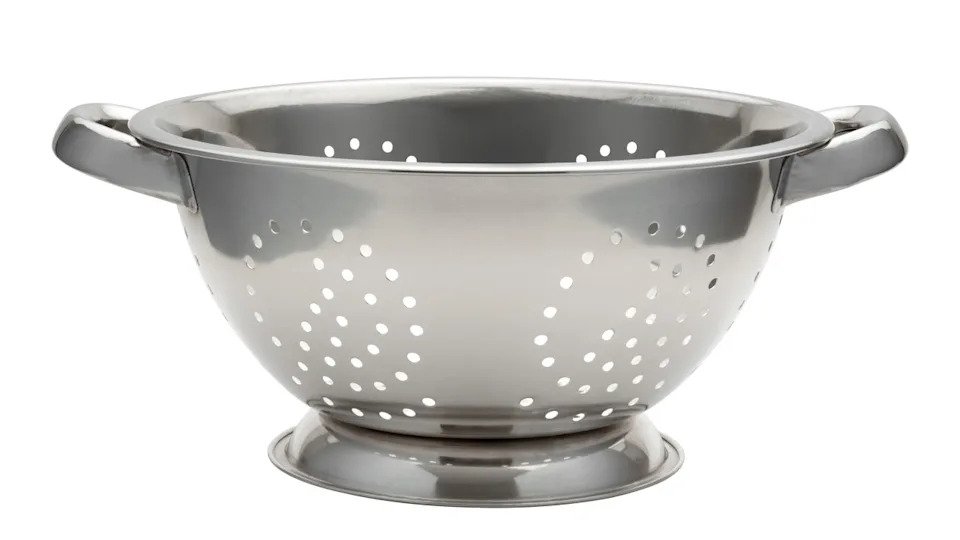
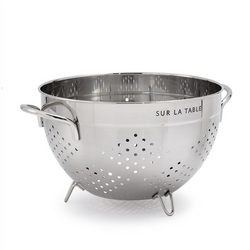
Metal colanders are strong and last a long time. They handle hot foods well and don’t melt.
They often have large holes for quick draining. Stainless steel is a popular choice because it resists rust.
- Durable and sturdy
- Good for hot water and steam
- Easy to clean
- May be heavy
Plastic Colanders
Plastic colanders are light and easy to handle. They come in many colors and shapes.
They are safe for cold and warm foods but can melt if used with very hot water. Plastic colanders are budget friendly.
- Lightweight and colorful
- Safe for cold and warm foods
- Can melt with very hot water
- Usually less expensive
Silicone Colanders
Silicone colanders are flexible and easy to store. They fold flat to save space in your kitchen.
They handle heat well and do not rust. Silicone is soft, so it won’t scratch pots or bowls.
- Flexible and foldable
- Heat resistant and rust-free
- Soft and won’t scratch surfaces
- May not be as sturdy as metal
Size And Capacity
Choosing the right size and capacity for a colander is very important. The size affects how much food you can rinse or drain at once.
Picking a colander that fits your cooking needs saves time and space in your kitchen.
Small Vs. Large Colanders
Small colanders are easier to store and handle. They work well for rinsing small amounts of fruits or draining pasta for one person.
Large colanders hold more food and are good for big meals. They take up more space but help drain large pots quickly.
- Small colander: holds 1-2 quarts, easy to clean
- Large colander: holds 4-6 quarts, ideal for families
- Small colander: best for washing berries or herbs
- Large colander: best for draining pasta or vegetables
Ideal Size For Different Uses
Choose a colander size based on what you cook most often. Small sizes fit quick tasks, while large sizes suit bigger meals.
Consider the size of your pots and storage space when selecting a colander.
| Use | Recommended Size |
|---|---|
| Rinsing small fruits or herbs | 1-2 quarts (small) |
| Draining pasta for 2-3 people | 3-4 quarts (medium) |
| Cooking for a family or large meals | 5+ quarts (large) |
| Storing in small kitchens | Smaller colander preferred |
Design Features
Choosing the right colander means looking at its design features. These features affect how easy and safe it is to use.
Good design makes draining food simple and quick. Focus on handles, base, and hole patterns to find a good colander.
Handles And Grip
Handles help you hold the colander securely. Look for handles that fit your hands well and do not slip when wet.
Some handles have soft grips or are made from non-slip materials. These reduce the chance of dropping the colander.
- Wide handles allow a firm grip
- Heat-resistant handles protect your hands
- Non-slip grips improve safety
- Handles with enough space keep hands away from hot steam
Base Stability
A stable base keeps the colander steady on the sink or counter. This prevents spills or accidents while draining.
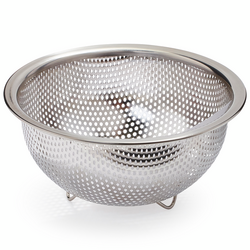
Look for bases that are wide or have rubber feet. These features stop the colander from tipping over.
- Wide base supports the colander evenly
- Rubber feet add grip to surfaces
- Raised bases keep food away from water
Hole Patterns
Hole patterns control how fast water drains and if food stays inside. Different patterns suit different foods.
Small holes work well for grains or small pasta. Large holes help drain vegetables quickly. Look for even hole spacing.
- Small holes prevent small food from falling out
- Large holes allow fast draining
- Even hole spacing avoids water buildup
- Some colanders have holes on sides and bottom for better flow
Material Considerations
Choosing the right colander depends a lot on the material it is made from. Different materials affect how the colander performs and lasts.
Understanding the material helps you pick a colander that fits your kitchen needs and style.
Durability
Durability means how long the colander will last without breaking or wearing out. Some materials resist damage better than others.
Metal colanders are usually very strong and last long. Plastic ones may crack or break with heavy use.
- Stainless steel resists rust and dents.
- Plastic can break under pressure or heat.
- Silicone lasts well but can tear if stretched too much.
Weight
The weight of a colander affects how easy it is to handle. Heavy colanders can be harder to lift when full.
Plastic and silicone colanders are usually light. Metal colanders tend to be heavier but feel sturdy.
- Light colanders are easier to move and store.
- Heavier colanders may stay stable on the sink.
- Consider your strength and kitchen space when choosing weight.
Heat Resistance
Heat resistance shows how well a colander can handle hot water or food. Some materials melt or warp with heat.
Metal colanders handle heat very well. Plastic colanders may melt or release chemicals if too hot.
- Stainless steel colanders are safe for boiling water.
- Heat-safe silicone colanders work well for hot foods.
- Avoid plastic colanders near high heat.
Ease Of Cleaning
Choosing a colander that is easy to clean saves time and effort in the kitchen. Food can get stuck in small holes and corners.
Look for features that help you wash the colander quickly and keep it sanitary after use.
Dishwasher Safe Options
Dishwasher safe colanders allow you to clean them without scrubbing by hand. This helps keep your hands free and saves energy.
Materials like stainless steel and some plastics are often dishwasher safe. Always check the product label before using the dishwasher.
- Stainless steel colanders often tolerate dishwasher cleaning well
- Plastic colanders may warp if not dishwasher safe
- Silicone colanders usually clean easily in the dishwasher
- Check manufacturer instructions for dishwasher safety
Non-stick Surfaces
Non-stick colanders help prevent food from sticking to the surface. This reduces the time needed to clean stuck bits.
These colanders usually have a smooth coating that food does not cling to. They work well with soft or sticky foods.
- Non-stick surfaces wipe clean easily
- They reduce the need for scrubbing
- Some coatings require gentle cleaning to avoid damage
- Check if the non-stick layer is safe for dishwasher use

Credit: www.yahoo.com
Budget-friendly Choices
Choosing a colander does not have to be expensive. Many good options fit tight budgets.
Think about what you need and how often you will use it. This helps find the best value.
Affordable Picks
Look for colanders made from plastic or simple stainless steel. These usually cost less.
Check the size to make sure it fits your kitchen needs. Smaller ones often cost less.
- Plastic colanders are light and easy to clean
- Basic stainless steel colanders last longer
- Collapsible colanders save space and money
Value For Money
Choose a colander that balances price and quality. Avoid very cheap ones that break fast.
Look for features like sturdy handles and stable bases. These add value and ease of use.
- Stainless steel resists rust and lasts longer
- Wide holes drain water quickly
- Non-slip feet keep the colander steady
Expert Recommendations
Choosing the right colander can make cooking easier and safer. Experts say to focus on material, size, and ease of cleaning.
Look for sturdy handles and holes that drain water well. Avoid colanders that bend or break easily.
Top-rated Brands
Some brands are known for making durable and useful colanders. They use quality materials like stainless steel or BPA-free plastic.
Brands with good reviews offer options in different sizes and styles. This helps fit different kitchen needs.
- Cuisinart: Known for strong stainless steel colanders
- OXO: Offers comfortable grips and non-slip bases
- KitchenAid: Durable and easy to clean designs
- Joseph Joseph: Space-saving and innovative styles
User Reviews
Many users say a good colander drains water quickly and feels sturdy. Handle comfort is a common praise or complaint.
Some users prefer colanders that fit inside sinks for easy draining. Others like models that stack for storage.
- Stainless steel colanders last longer and resist stains
- Plastic colanders are lighter but may warp with heat
- Wide bases prevent tipping during use
- Large holes drain faster but may lose small foods
Credit: www.surlatable.com
Frequently Asked Questions
What Material Is Best For A Durable Colander?
Stainless steel colanders are durable, rust-resistant, and easy to clean. Plastic colanders are lightweight but less durable. Choose based on your kitchen needs and maintenance preference.
How To Choose The Right Size Colander?
Select a colander size that fits your typical cooking volume. Small colanders suit single servings, while larger ones handle family meals and big batches.
Are Silicone Colanders Better For Heat Resistance?
Yes, silicone colanders resist heat well and are flexible. They are also easy to store and dishwasher safe, making them convenient for daily use.
What Features Improve Colander Stability?
Look for colanders with sturdy bases or feet for stability. Handles on both sides improve grip and safety when draining hot water.
Conclusion
Choosing the right colander makes cooking easier and more fun. Think about size, material, and holes that fit your needs. A good colander drains well and lasts long. Simple care keeps it clean and safe. Pick one that feels right in your kitchen.
Enjoy cooking with the best tool for your tasks. Small choices bring big kitchen smiles.