
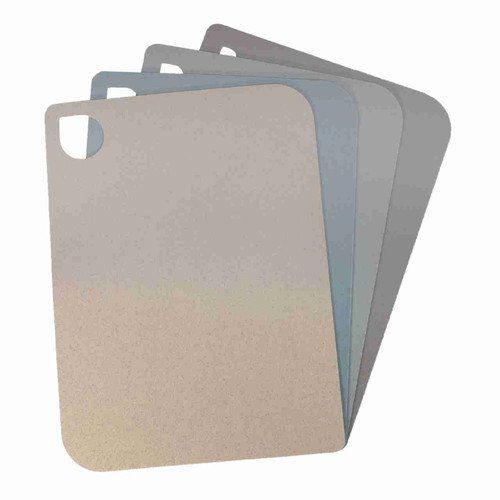
Are you thinking about buying a recycled cutting board but don’t know where to start? Choosing the right one can feel tricky, especially with so many options out there.
But what if you could find a cutting board that’s not only good for your kitchen but also great for the planet? This guide will help you discover simple, smart tips to pick the perfect recycled cutting board. Keep reading to make a choice you’ll feel proud of every time you cook.

Credit: www.healthierhomes.com
Benefits Of Recycled Cutting Boards
Recycled cutting boards offer many advantages for your kitchen and the planet. They use old materials to make new, useful products.
Choosing recycled cutting boards helps reduce waste and supports a greener lifestyle. They also come with good strength and cost benefits.
Environmental Impact
Recycled cutting boards help lower the amount of waste sent to landfills. They reuse plastic and wood that would otherwise be thrown away.
Using recycled materials saves natural resources and reduces pollution. This helps protect forests and oceans from harm.
- Reduces landfill waste
- Saves trees and water
- Lowers carbon emissions
Durability And Quality
Recycled cutting boards are strong and last a long time. Many are made from hard plastics or wood composites that resist damage.
They can handle daily cutting tasks without wearing down quickly. This makes them safe and reliable for food preparation.
- Made from tough recycled materials
- Resists cuts and scratches
- Safe for food contact
Cost Savings
Recycled cutting boards often cost less than new ones. This is because they use leftover materials instead of fresh resources.
You get good quality without paying high prices. This helps save money while still choosing an eco-friendly product.
- Lower price than brand new boards
- Good value for durability
- Helps reduce kitchen expenses
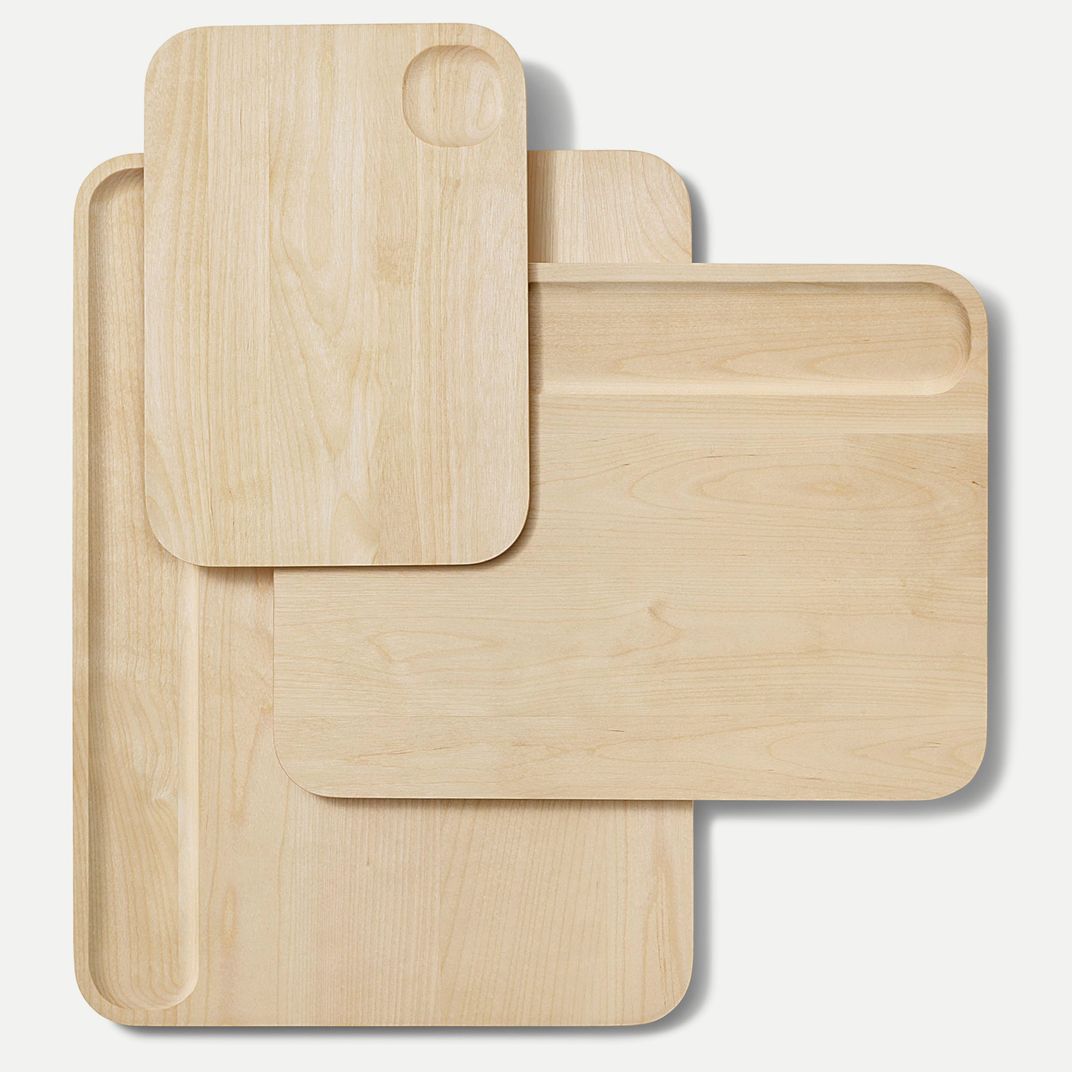
Credit: nymag.com
Materials To Look For
When buying recycled cutting boards, consider the materials used. Different materials offer unique benefits and impact durability.
Understanding these materials helps you make a better choice for your kitchen needs.
Types Of Recycled Wood
Recycled wood cutting boards are eco-friendly. They use wood from old furniture or buildings.
These boards are strong and have a natural look. They bring warmth to your kitchen.
- Look for boards made from oak, maple, or cherry.
- Ensure the wood is treated to prevent splinters.
- Check for finishes that are safe for food contact.
Recycled Plastic Options
Recycled plastic boards are durable and easy to clean. They are made from post-consumer plastics.
These boards come in different colors and are often dishwasher safe. They are also lightweight.
- Choose boards with a non-slip surface.
- Ensure the plastic is BPA-free.
- Look for materials certified for food safety.
Composite Materials
Composite cutting boards mix recycled wood fibers and plastic. They combine the best features of both materials.
These boards are sturdy and resist warping. They often look like wood but are easier to maintain.
- Check for boards with a smooth surface.
- Ensure they are heat resistant.
- Look for options that are gentle on knives.
Safety And Hygiene Tips
Buying recycled cutting boards is good for the environment. It is important to keep safety and hygiene in mind.
Clean and safe cutting boards help stop germs and food contamination. Follow these tips for a healthy kitchen.
Non-toxic Finishes
Choose cutting boards with non-toxic finishes. These finishes do not release harmful chemicals into food.
Look for natural oils or food-safe wax coatings. They protect wood without causing health risks.
Antibacterial Properties
Some recycled wood has natural antibacterial properties. These woods help reduce bacteria growth on the surface.
Hardwoods like maple and bamboo are good choices. They are dense and resist bacteria better than softwoods.
Maintenance And Cleaning
Clean cutting boards after each use with hot water and soap. Avoid soaking them for a long time.
Dry boards fully to stop mold and bacteria. Oil them regularly to keep wood from cracking.
- Wash with mild dish soap
- Use a scrub brush for tough stains
- Dry with a clean towel or air dry
- Apply food-grade mineral oil once a month
Sizing And Design Choices
Buying a recycled cutting board means thinking about size and design. Both affect how useful the board will be in your kitchen.
Choosing the right size and design helps you cook safely and comfortably. It also makes your kitchen look nice.
Choosing The Right Size
Cutting boards come in many sizes. Pick one that fits your kitchen space and cooking style.
Large boards give more space but take up more room. Small boards are easy to store but may not fit big tasks.
- Use a big board for chopping vegetables and meat
- Choose a small board for quick snacks or small items
- Think about where you will store the board after use
Ergonomic Designs
Ergonomic cutting boards make cooking easier and safer. Look for features that fit your hands and body.
Boards with handles or grips help you hold and move them without slipping. Rounded edges feel better on your hands.
- Handles for easy lifting and carrying
- Non-slip feet to keep the board steady
- Comfortable edges to avoid hand strain
Aesthetics And Style
Recycled cutting boards often have unique colors and patterns. Pick a style that matches your kitchen decor.
Natural wood tones or mixed materials add charm. A nice-looking board can also serve as a kitchen decoration.
- Choose colors that blend with your kitchen
- Look for smooth finishes that feel good to touch
- Unique patterns make your board stand out
Where To Buy Recycled Cutting Boards
Recycled cutting boards are eco-friendly and durable. They make great kitchen tools while reducing waste.
Finding the right place to buy these boards helps you get quality products. Here are some places to look.
Trusted Brands
Some brands focus on making recycled cutting boards. They use safe materials and good designs.
Buying from trusted brands means you get tested quality and customer support.
- Look for brands with clear recycling claims
- Check if the brand uses non-toxic finishes
- Read customer reviews for durability feedback
Online Marketplaces
Online marketplaces offer many recycled cutting board options. You can compare prices and styles easily.
These sites often include user reviews and ratings. This helps you choose a good product.
- Search for recycled or eco-friendly cutting boards
- Filter by material and size
- Check seller ratings and reviews
- Look for clear product descriptions
Local Artisans And Shops
Local artisans often craft unique recycled cutting boards. They use reclaimed wood or other recycled materials.
Buying from local shops supports small businesses and reduces shipping impact.
- Visit farmers markets or craft fairs
- Ask about the materials used
- Look for handmade and one-of-a-kind items
- Support shops with clear recycling practices
Price And Warranty Considerations
Buying recycled cutting boards can save money and help the environment. It is important to think about price and warranty before you buy.
These factors protect your purchase and make sure you get a good deal. Learn how to budget and check warranty details carefully.
Budgeting Tips
Set a clear budget before looking for recycled cutting boards. Prices vary based on size, material, and brand.
Think about how often you will use the cutting board and what quality you need. Spending a bit more can last longer.
- Compare prices from different sellers
- Look for sales or discounts
- Check if the board meets your size needs
- Choose durable materials to avoid replacing soon
Warranty And Return Policies
Check the warranty before buying. A good warranty protects you from defects or damage.
Read the return policy. Know how long you have to return the board if it is not right for you.
- Find out what the warranty covers
- Know the warranty length and conditions
- Check if you can return or exchange the board
- Keep your receipt and warranty documents

Credit: www.avocadogreenmattress.com
Frequently Asked Questions
What Are The Benefits Of Buying Recycled Cutting Boards?
Recycled cutting boards reduce waste and conserve resources. They offer eco-friendly durability and often feature unique designs. Choosing recycled options supports sustainable practices and lowers your environmental impact in the kitchen.
How To Identify Quality Recycled Cutting Boards?
Look for boards made from durable, non-toxic materials. Check for smooth surfaces and proper sealing to prevent bacteria. Certifications or brand reputation can also indicate quality and safety in recycled cutting boards.
Are Recycled Cutting Boards Safe For Food Preparation?
Yes, if made from food-grade materials and properly sealed. They resist bacteria and are easy to clean. Always verify the product’s safety standards before use to ensure hygiene.
What Maintenance Tips Extend Recycled Cutting Boards’ Lifespan?
Clean boards with mild soap and warm water. Avoid soaking or harsh chemicals. Regular oiling with food-safe oil helps maintain wood integrity and prevents cracking or warping.
Conclusion
Choosing the right recycled cutting board saves money and helps the planet. Check the material for durability and safety. Size matters—pick one that fits your kitchen space. Clean and care for it properly to last longer. Trust your senses; a good board feels sturdy and smooth.
Enjoy cooking with a tool that supports recycling and reduces waste. Small choices like this make a big difference over time. Keep these tips in mind for smart, eco-friendly kitchen buys.