
Choosing the right bamboo cutting board can make a big difference in your kitchen. You want something that lasts, stays clean, and feels good to use every day.
But with so many options out there, how do you pick the best one for your needs? This guide will help you avoid common mistakes and find a bamboo cutting board that matches your style and keeps your food safe.
Keep reading—you’re just a few tips away from making a smart, confident choice.
Benefits Of Bamboo Cutting Boards
Bamboo cutting boards are a popular choice in many kitchens. They offer several benefits that make them stand out.
These boards are not only practical but also environmentally friendly. Let’s explore why they are a great addition to your kitchen.
Durability And Strength
Bamboo is a strong material that resists scratches. This makes bamboo cutting boards very durable.
They can handle heavy chopping and last a long time. This strength helps them stay in good condition for years.
Eco-friendly Choice
Bamboo grows quickly, which makes it a sustainable resource. Using bamboo helps reduce deforestation.
Choosing bamboo cutting boards supports eco-friendly practices. This helps protect our environment.
Natural Antibacterial Properties
Bamboo has natural antibacterial properties. This makes it a hygienic choice for cutting boards.
These properties help reduce bacteria buildup. This keeps your kitchen safer and cleaner.
- Reduces bacteria growth
- Hygienic for food preparation
- Easy to clean and maintain
Types Of Bamboo Cutting Boards
Bamboo cutting boards are popular for their durability and eco-friendliness. They come in different types that suit various kitchen needs.
Understanding the types helps you pick the right board for cutting, chopping, and serving food safely.
Solid Vs. Laminated Boards
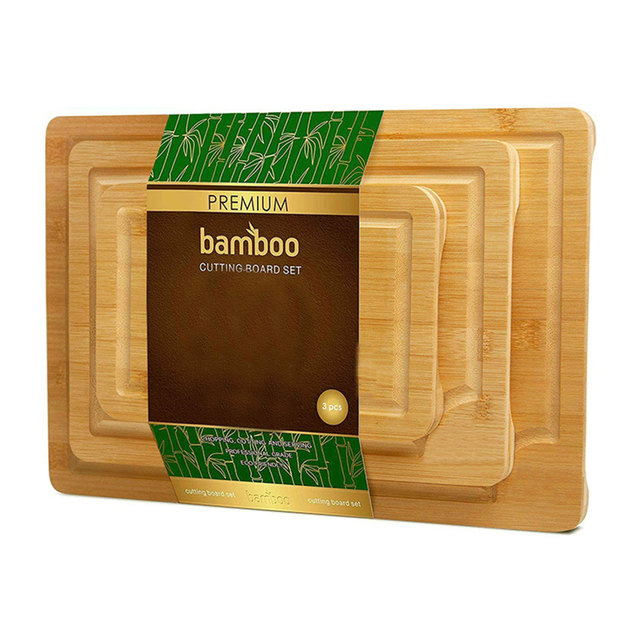
Solid bamboo boards are made from one piece of bamboo. They are sturdy and have a smooth surface.
Laminated boards are made by gluing several bamboo strips together. This makes them stronger and less likely to crack.
- Solid boards feel heavier and denser
- Laminated boards resist warping better
- Laminated boards often show striped patterns
Edge Grain Vs. End Grain
Edge grain boards have bamboo strips laid side by side. They offer a flat cutting surface that is easy to clean.
End grain boards are made by placing bamboo strips upright. They are softer on knives and last longer.
- Edge grain boards show long bamboo lines
- End grain boards have a checkerboard look
- End grain is better for heavy chopping
Sizes And Thickness Options
Bamboo cutting boards come in many sizes. Small boards are good for fruits and snacks.
Thicker boards are heavier and more stable. Thin boards are easy to store and carry.
| Size | Use | Thickness |
|---|---|---|
| Small (8-10 inches) | Fruits, sandwiches | 0.5-0.7 inches |
| Medium (12-15 inches) | Vegetables, meat | 0.7-1 inch |
| Large (16+ inches) | Big chopping tasks | 1-1.5 inches |
Key Features To Look For
Choosing the right bamboo cutting board makes cooking easier. Look for features that improve safety and durability.
Good design helps your cutting board last longer and stay clean. Focus on these key features to pick the best one.
Smooth Surface And Finish
A smooth surface is gentle on your knives and easy to clean. The finish should protect the wood without feeling sticky.
Look for boards with a fine sanding and a natural, food-safe oil finish. Avoid rough or uneven surfaces that can trap bacteria.
Non-slip Edges Or Feet
Non-slip edges or feet keep your board steady while cutting. This feature helps prevent accidents in the kitchen.
Check for rubber or silicone feet, or beveled edges that grip the countertop. These add safety and make cutting easier.
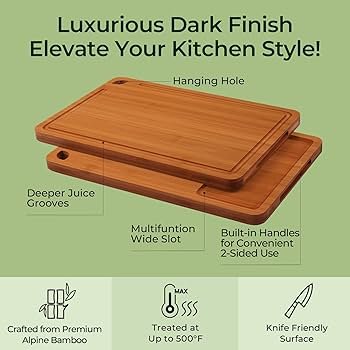
Juice Grooves And Handles
Juice grooves catch liquids and keep your counter clean. Handles make it easier to carry and store the board.
- Choose boards with deep juice grooves to hold more liquid
- Handles can be cut-out or attached for easy grip
- Both features add convenience during food prep

Credit: www.listful.com
Maintenance And Care Tips
Bamboo cutting boards are strong and eco-friendly. They need proper care to last longer.
Good maintenance keeps the board clean and prevents damage like cracks or warping.
Cleaning And Drying Properly
Wash your bamboo board with warm soapy water after each use. Avoid soaking it in water.
Dry the board well with a towel. Let it air dry standing up to keep both sides dry.
- Do not put bamboo boards in the dishwasher.
- Use a soft sponge or cloth for cleaning.
- Dry quickly to stop bacteria growth.
Oiling And Conditioning
Apply food-safe mineral oil or bamboo conditioner to your board every few weeks. This keeps it from drying out.
Rub oil evenly on the surface and let it soak in for a few hours or overnight. Wipe off any extra oil.
- Use only oils safe for food contact.
- Oiling prevents cracks and keeps the board smooth.
- Conditioning helps resist stains and water damage.
Avoiding Warping And Cracking
Keep your bamboo cutting board away from extreme heat or cold. Do not leave it near stoves or in direct sunlight.
Use both sides of the board to avoid uneven wear. Store it in a dry place standing up or flat.
- Do not soak the board in water for long periods.
- Keep the board dry between uses.
- Use gentle cleaning methods to protect the bamboo fibers.
Common Mistakes To Avoid
Buying a bamboo cutting board seems simple, but many people make mistakes. These mistakes can reduce the board’s life and safety.
Knowing what to avoid helps you pick the best board. Read on to learn common errors and how to prevent them.
Choosing Poor Quality Bamboo
Not all bamboo boards are made the same. Low-quality bamboo can crack, warp, or break fast.
Cheap bamboo often has many knots and weak spots. This weakens the cutting surface and shortens the board’s life.
- Look for dense, smooth bamboo with few knots
- Avoid boards that feel light or brittle
- Check for cracks or rough edges before buying
Ignoring Board Thickness
Thin bamboo boards may look nice but break easily. Thick boards last longer and stay flat on the counter.
Boards that are too thin can warp after washing. This makes chopping unsafe and harder to use.
- Choose boards at least 1 inch thick for better durability
- Thicker boards resist warping and cracking
- Thin boards are best for light, occasional use only
Neglecting Regular Maintenance
Bamboo boards need regular care to stay safe and last long. Ignoring cleaning and oiling causes damage.
Skipping maintenance lets water soak in. This leads to cracks and bacteria build-up on the board.
- Wash boards by hand with mild soap and water
- Dry boards completely after washing to avoid warping
- Apply food-safe mineral oil every few weeks to protect bamboo
Credit: www.accio.com
Where To Buy Quality Bamboo Boards
Buying a bamboo cutting board needs care to get a strong and safe product. Quality boards last longer and resist damage.
Knowing where to buy helps you find good boards that fit your kitchen needs.
Trusted Brands And Retailers
Look for brands that focus on eco-friendly and durable bamboo boards. Trusted sellers often provide detailed product info.
- Brands like Totally Bamboo and Royal Craft Wood are known for quality.
- Retailers such as Williams Sonoma and Sur La Table offer reliable options.
- Check if the retailer has good reviews and clear return policies.
Online Vs. In-store Shopping
Online shopping gives more variety and customer reviews. You can compare many bamboo boards in one place.
In-store shopping lets you feel the board’s weight and texture. You see the real product before buying.
- Online: More choices, easy price comparison, read reviews.
- In-store: Check quality, avoid waiting for delivery, ask staff questions.
Price Range Expectations
Bamboo cutting boards vary in price based on size, thickness, and brand. Expect to spend more for better quality.
Basic boards can be affordable, but thicker and larger boards cost more. Higher prices often mean longer-lasting boards.
| Price Range | What to Expect |
| $10 – $20 | Small, thin boards for light kitchen use |
| $20 – $50 | Medium size, good durability, popular choice |
| $50 and above | Large, thick boards with premium finish |
Credit: www.bambuhome.com
Frequently Asked Questions
What Makes Bamboo Cutting Boards Better Than Wood?
Bamboo cutting boards are eco-friendly and highly durable. They resist moisture and bacteria better than many woods. Bamboo is harder, reducing deep knife marks. It also requires less maintenance, making it a practical kitchen choice.
How Do I Clean And Maintain Bamboo Cutting Boards?
Clean boards with warm, soapy water after use. Avoid soaking or dishwasher cleaning to prevent warping. Periodically, oil the board with food-safe mineral oil. This keeps bamboo hydrated and prevents cracking or splitting.
Are Bamboo Cutting Boards Knife-friendly?
Yes, bamboo is firm yet gentle on knives. It provides a sturdy cutting surface that helps maintain blade sharpness. Bamboo’s hardness reduces deep cuts, prolonging both board and knife life.
Can Bamboo Cutting Boards Resist Bacteria And Odors?
Bamboo has natural antimicrobial properties that resist bacteria growth. Its dense surface prevents food particles from embedding. Regular cleaning and oiling keep odors and stains at bay, ensuring hygienic use.
Conclusion
Choosing the right bamboo cutting board makes cooking safer and easier. Think about size, thickness, and care before buying. A good board lasts long and stays clean. Remember to wash it well and dry it quickly. This keeps your board fresh and strong.
Bamboo boards are eco-friendly and gentle on knives. Pick one that fits your kitchen and needs. Enjoy cooking with a reliable, natural cutting board every day. Simple steps lead to smart kitchen choices.