

Do you love biting into a cookie that’s soft, chewy, and just melts in your mouth? If you’ve ever tried baking cookies only to end up with hard or crunchy ones, you’re not alone.
The good news is, you don’t have to settle for dry, tough cookies anymore. With the right tips and tricks, you can easily bake cookies that stay soft and delicious every time. Keep reading, because your perfect batch of soft cookies is just a few simple steps away!

Credit: www.displacedhousewife.com
Choosing The Right Ingredients
Soft cookies start with the right ingredients. Each part affects texture and taste.
Choosing fresh and proper ingredients helps make cookies soft and delicious.
Selecting The Best Flour
Flour type changes cookie softness. All-purpose flour works well for soft cookies.
- Use all-purpose flour for balanced texture.
- Try cake flour for lighter, softer cookies.
- Avoid bread flour; it makes cookies tough.
- Measure flour correctly to avoid dry dough.
Importance Of Fresh Baking Soda
Baking soda helps cookies rise and spread. Old baking soda loses power.
| Test | How to Do It | Result |
|---|---|---|
| Freshness Test | Mix 1/4 teaspoon baking soda with 2 teaspoons vinegar | It should bubble strongly if fresh |
| Old Baking Soda | Same test as above | No or weak bubbles means replace |
Using Unsalted Butter
Unsalted butter lets you control salt in cookies. Salt affects flavor and texture.
- Choose unsalted butter for precise salt control.
- Use room temperature butter for smooth mixing.
- Salted butter can add too much salt.
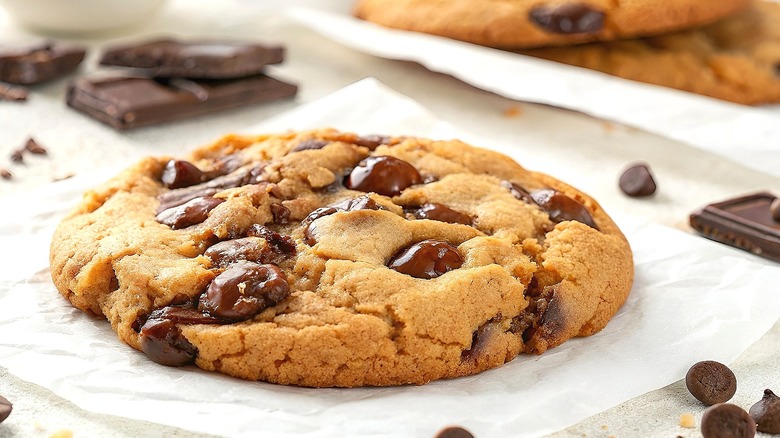
Credit: www.chowhound.com
Mastering Dough Preparation
Soft cookies start with the right dough preparation. The way you measure, mix, and rest the dough affects texture.
Follow simple tips to make your cookie dough soft and easy to bake. Focus on each step carefully.
Properly Measuring Ingredients
Measure ingredients accurately to keep cookie texture soft. Too much flour can make cookies dry and hard.
Use a kitchen scale or measuring cups for best results. Spoon flour into the cup, then level it off.
- Use room temperature butter for even mixing
- Measure sugar and flour carefully for balance
- Use fresh baking soda or baking powder
Mixing Techniques For Softness
Mix ingredients gently but fully. Overmixing can make cookies tough and dense.
Cream butter and sugar until light and fluffy. Add eggs one at a time for smooth dough.
- Mix dry ingredients separately before adding
- Fold in flour slowly to avoid overworking dough
- Stop mixing when dough just comes together
Resting And Chilling The Dough
Let dough rest in the fridge for at least 30 minutes. Chilling helps flavors develop and dough firm up.
Cold dough spreads less in the oven, keeping cookies soft and thick. Resting also improves texture.
- Wrap dough tightly in plastic wrap
- Chill for 1 to 2 hours for best results
- Bring dough to room temperature before baking if too hard
Optimal Baking Techniques
Baking soft cookies takes more than just following a recipe. Using the right techniques helps keep them tender and chewy.
Small details during baking make a big difference in the final texture. Focus on the oven, baking surface, and timing for best results.
Preheating The Oven
Always preheat your oven before baking cookies. A steady temperature helps cookies bake evenly and stay soft inside.
- Set the oven to the recipe temperature at least 15 minutes before baking.
- Use an oven thermometer to check the actual heat if possible.
- A hot oven seals the cookie edges quickly, locking in moisture.
Using Parchment Paper
Place parchment paper on your baking sheet to prevent cookies from sticking. It also helps cookies bake more evenly.
Benefits of Parchment Paper:
- Stops cookies from burning on the bottom
- Allows easy cleanup after baking
- Keeps cookies soft by reflecting heat gently
Ideal Baking Time And Temperature
Baking time and temperature control cookie softness. Bake too long or too hot, and cookies become hard.
| Cookie Type | Temperature (°F) | Time (minutes) |
| Chewy Chocolate Chip | 350 | 8–10 |
| Soft Sugar Cookies | 325 | 9–11 |
| Oatmeal Cookies | 350 | 10–12 |
Secrets For Extra Softness
Soft cookies are a favorite treat for many. Getting them just right means using special ingredients. These small changes can make a big difference in texture.
Try these tips to keep your cookies soft and chewy every time you bake. Each tip adds a unique touch to the dough.
Adding Cornstarch To The Mix
Cornstarch helps make cookies tender by softening the flour’s protein. It creates a fine texture that melts in your mouth.
- Use about 1 to 2 teaspoons of cornstarch per batch.
- Sift cornstarch with flour before mixing.
- Do not add too much, or cookies may become crumbly.
Incorporating Cream Cheese
Cream cheese adds moisture and richness, making cookies soft and flavorful. It also helps keep cookies fresh longer.
| Amount of Cream Cheese | Effect on Cookies |
| 2 tablespoons | Soft texture without changing taste |
| 4 tablespoons | More moist and rich flavor |
| 6 tablespoons | Very soft but may affect cookie shape |
Using Brown Sugar For Moisture
Brown sugar has more moisture than white sugar. This keeps cookies soft and chewy after baking.
Tips for using brown sugar:
- Replace half or all of the white sugar with brown sugar.
- Choose dark brown sugar for more moisture and flavor.
- Pack brown sugar firmly to measure correctly.
Storage Tips For Maintaining Softness
Keeping cookies soft after baking needs the right storage methods. Soft cookies stay fresh and tasty longer.
Using proper containers and avoiding cold storage can help keep cookies soft. Small reheats can restore softness too.
Choosing The Right Container
Pick containers that hold moisture well to keep cookies soft. Airtight containers work best for this purpose.
- Use plastic or glass containers with tight lids
- Line the container bottom with a paper towel to absorb excess moisture
- Place a slice of bread inside to keep cookies moist
- Avoid containers that let air in or out
Avoiding Refrigeration
Refrigeration dries out cookies and makes them hard. Keep cookies at room temperature instead.
| Storage Method | Effect on Cookie Softness |
|---|---|
| Room Temperature (Airtight Container) | Keeps cookies soft for several days |
| Refrigeration | Dries cookies, makes them hard |
| Freezing | Preserves softness if sealed well |
Reheating For Freshness
Reheat cookies for a few seconds to bring back softness. Use gentle heat to avoid drying them out.
- Preheat oven to 300°F (150°C)
- Place cookies on a baking sheet
- Warm cookies for 5–7 minutes
- Let cool slightly before eating
Troubleshooting Common Issues
Baking soft cookies can be tricky. Small mistakes can change texture and taste. Knowing how to fix common problems helps you bake better cookies every time.
This guide covers three key issues: overbaking, flat cookies, and dry dough. Use these tips to improve your cookie baking results.
Preventing Overbaking
Overbaking makes cookies hard and dry. Watch the baking time carefully. Cookies should look set but still soft in the middle when removed from the oven.
- Check cookies 2 minutes before the recipe time ends.
- Use a timer to avoid guessing.
- Remove cookies when edges are firm but centers look slightly underbaked.
- Let cookies cool on the baking sheet to finish cooking gently.
Dealing With Flat Cookies
Flat cookies often come from too much butter or not enough flour. Cold dough helps cookies hold shape better. Baking soda and baking powder also affect rise.
| Cause | Fix |
|---|---|
| Too much butter | Reduce butter by 1-2 tablespoons |
| Warm dough | Chill dough for 30 minutes before baking |
| Not enough flour | Add 1-2 tablespoons more flour |
| Expired leavening agents | Use fresh baking soda or powder |
Fixing Dry Dough
Dry dough is crumbly and hard to shape. It usually means missing liquid or too much flour. Adding moisture helps dough come together smoothly.
Try these fixes for dry dough:
- Add 1 teaspoon of milk or water at a time.
- Mix gently to avoid tough dough.
- Check flour measurements; spoon flour into the cup and level it off.
- Use room temperature butter to help blend ingredients better.

Credit: www.sixsistersstuff.com
Frequently Asked Questions
How Can I Keep Cookies Soft Longer?
Store cookies in an airtight container at room temperature. Add a slice of bread to maintain moisture. Avoid refrigerating as it can dry cookies faster.
What Ingredients Make Cookies Soft And Chewy?
Use brown sugar, butter, and eggs for soft cookies. Adding cornstarch or using cake flour also helps. Avoid overmixing the dough to keep texture tender.
Does Baking Time Affect Cookie Softness?
Yes, shorter baking time keeps cookies soft. Remove cookies when edges are set but centers look slightly underbaked. They firm up while cooling, staying soft inside.
Can Chilling Dough Improve Cookie Softness?
Chilling dough prevents spreading and enhances flavor. It also helps cookies retain moisture during baking, resulting in a softer texture. Chill for at least 30 minutes before baking.
Conclusion
Baking soft cookies takes practice and careful steps. Use the right ingredients and measure well. Avoid overbaking to keep cookies soft inside. Cooling cookies on the tray helps them stay tender. Try these tips in your next batch. Enjoy fresh, soft cookies every time.
Simple changes make a big difference. Happy baking!