
Baking bread without yeast is easier than many think. You can make tasty bread using simple ingredients and easy methods.
Yeast is common in bread recipes, but it is not the only way to make bread rise. Some recipes use baking soda, baking powder, or natural starters instead. These alternatives help create soft, fluffy bread without the need for yeast.
This guide offers practical tips to bake bread without yeast at home. It covers ingredient choices, mixing techniques, and baking times. Anyone can follow these steps, even with little baking experience. Enjoy fresh, homemade bread without waiting for yeast to activate. Simple tips can lead to delicious results every time.
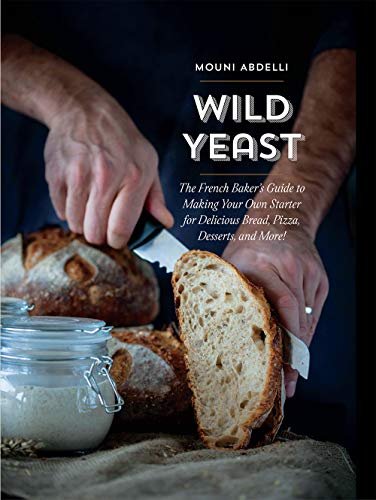
Wild Yeast

Ideal for home bakers and food enthusiasts eager to explore the art of natural fermentation, Wild Yeast: The French Baker’s Guide to Making Your Own Starter for Delicious Bread, Pizza, Desserts, and More! is perfect for those who want to master the craft of creating their own wild yeast starter. If you are passionate about baking and desire to produce authentic, flavorful bread and other baked goods without relying on commercial yeast, this guide is tailored for you.
Pros:
- Comprehensive instructions on making and maintaining your own wild yeast starter
- Includes recipes for a variety of baked goods like bread, pizza, and desserts
- Compact and easy-to-handle size with 160 pages of detailed content
- Published by Rocky Nook, a trusted brand in culinary literature
- Enhances baking skills by teaching natural fermentation techniques
Cons:
- May require patience and practice, not ideal for those seeking quick results
- Specific to French-style baking, which might not suit all baking preferences
- Limited to the knowledge and recipes provided within 160 pages, may need supplemental resources
This book offers a detailed exploration of the natural fermentation process, focusing on cultivating a robust wild yeast starter that forms the foundation of exceptional baked goods. The step-by-step guidance empowers bakers to develop their own starters, ensuring freshness and enhancing the flavor profiles of breads, pizzas, and desserts. Readers will appreciate the clear explanations and practical tips that make the complex process approachable and enjoyable.
Beyond just recipes, the guide delves into the science and artistry behind fermentation, helping users understand how to manipulate and maintain their starters to achieve consistent results. The dimensions and weight of the book make it a convenient companion in the kitchen, while its publication by Rocky Nook guarantees quality content trusted by baking professionals and hobbyists alike.
To buy this product, click here.
Bread Machine Cookbook For Beginners

The Bread Machine Cookbook for Beginners is perfect for anyone who is new to baking and wants to create delicious homemade breads, buns, and doughs with ease. Ideal customers include busy individuals, novice bakers, and those looking to simplify the bread-making process while still enjoying fresh, wholesome baked goods straight from their bread machines. This cookbook removes the guesswork and provides foolproof recipes that require minimal effort, making it an excellent choice for anyone eager to master bread baking at home.
Pros:
- Contains 242 pages filled with easy-to-follow recipes
- Published recently in 2025, ensuring up-to-date baking techniques
- Focuses on minimal effort recipes ideal for beginners
- Covers a wide range of breads, buns, and doughs to suit various tastes
- Helps users save time by utilizing the bread machine efficiently
Cons:
- Primarily designed for bread machine users, limiting usability for traditional baking methods
- May not cater to advanced bakers looking for complex or artisan recipes
- Requires owning a bread machine to fully benefit from the recipes
This cookbook offers a comprehensive collection of foolproof recipes tailored specifically for bread machine users, making it an invaluable resource for beginners. Each recipe is designed to minimize preparation time while maximizing flavor and texture, so users can enjoy fresh-baked bread without complicated steps. The detailed instructions ensure that even those with no prior baking experience can achieve consistent and delicious results every time.
Additionally, the book’s extensive variety allows bakers to experiment with different types of breads and doughs, expanding their baking repertoire with confidence. The focus on simplicity and reliability means that users can trust the recipes to work well with their machines, reducing the chances of errors and wasted ingredients. Overall, this cookbook is a practical guide that empowers beginners to effortlessly produce homemade bread that tastes as good as it looks.
To buy this product, click here.
Frequently Asked Questions
How Can I Bake Bread Without Yeast?
You can bake bread without yeast using natural leavening agents like wild yeast starters. These starters use naturally occurring bacteria and wild yeast from the environment. They provide fermentation, making your bread rise. Wild yeast starters can be made from simple ingredients like flour and water, allowing you to create delicious, homemade bread.
What Is Wild Yeast Starter?
A wild yeast starter is a natural leavening agent created from flour and water. It captures wild yeast and bacteria from the environment, fermenting and producing carbon dioxide. This process helps the bread dough rise without commercial yeast, resulting in a unique flavor and texture.
Can Bread Machines Make No-yeast Bread?
Yes, bread machines can make no-yeast bread using recipes designed for natural leavening. These recipes often include ingredients like baking powder or baking soda. They help the bread rise without yeast. With the right recipe, bread machines can produce delicious, no-yeast bread with minimal effort.
How Does Wild Yeast Affect Bread Flavor?
Wild yeast creates a distinct flavor profile in bread due to its natural fermentation process. This fermentation results in a tangy, complex taste. The flavor varies based on the environment and ingredients used. Using wild yeast enhances the overall taste and texture of homemade bread.
What Are Common No-yeast Bread Recipes?
Common no-yeast bread recipes include soda bread, flatbreads, and quick breads. Soda bread uses baking soda as a leavening agent. Flatbreads are typically unleavened or use minimal rising agents. Quick breads rely on baking powder or baking soda, providing a quick and easy alternative to traditional yeast bread.
Conclusion
Baking bread without yeast can be simple and fun. You just need the right tips and a bit of patience. Using natural starters or baking soda can give your bread a nice texture and taste. You don’t need fancy ingredients or special tools.
Practice helps you find what works best for your kitchen. Homemade bread can be fresh, soft, and healthy without yeast. This way of baking also lets you enjoy making bread anytime, even if you don’t have yeast at home. Try different recipes from cookbooks or guides to learn new methods.
Remember, every loaf is a step closer to better bread. Enjoy the process, and don’t worry about mistakes. Baking bread without yeast is a great way to explore new flavors and traditions. Keep experimenting, and you will get delicious results soon.