
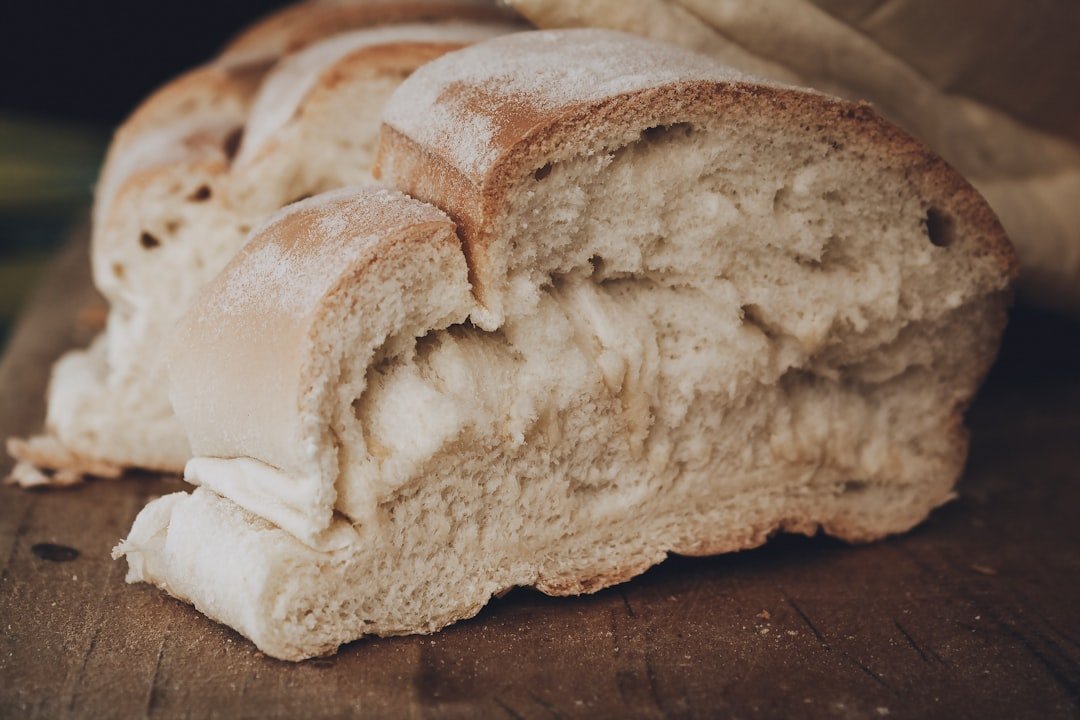
If you’ve ever bitten into a bread roll that was dry or tough, you know how disappointing it can be. But what if your homemade bread rolls could come out soft, fluffy, and perfectly tender every single time?
You’re just a few simple tips away from mastering the secret to irresistibly soft bread rolls. Keep reading, and you’ll discover easy tricks that will transform your baking and make your rolls the star of every meal. Your kitchen is about to smell amazing, and your family will be asking for seconds!
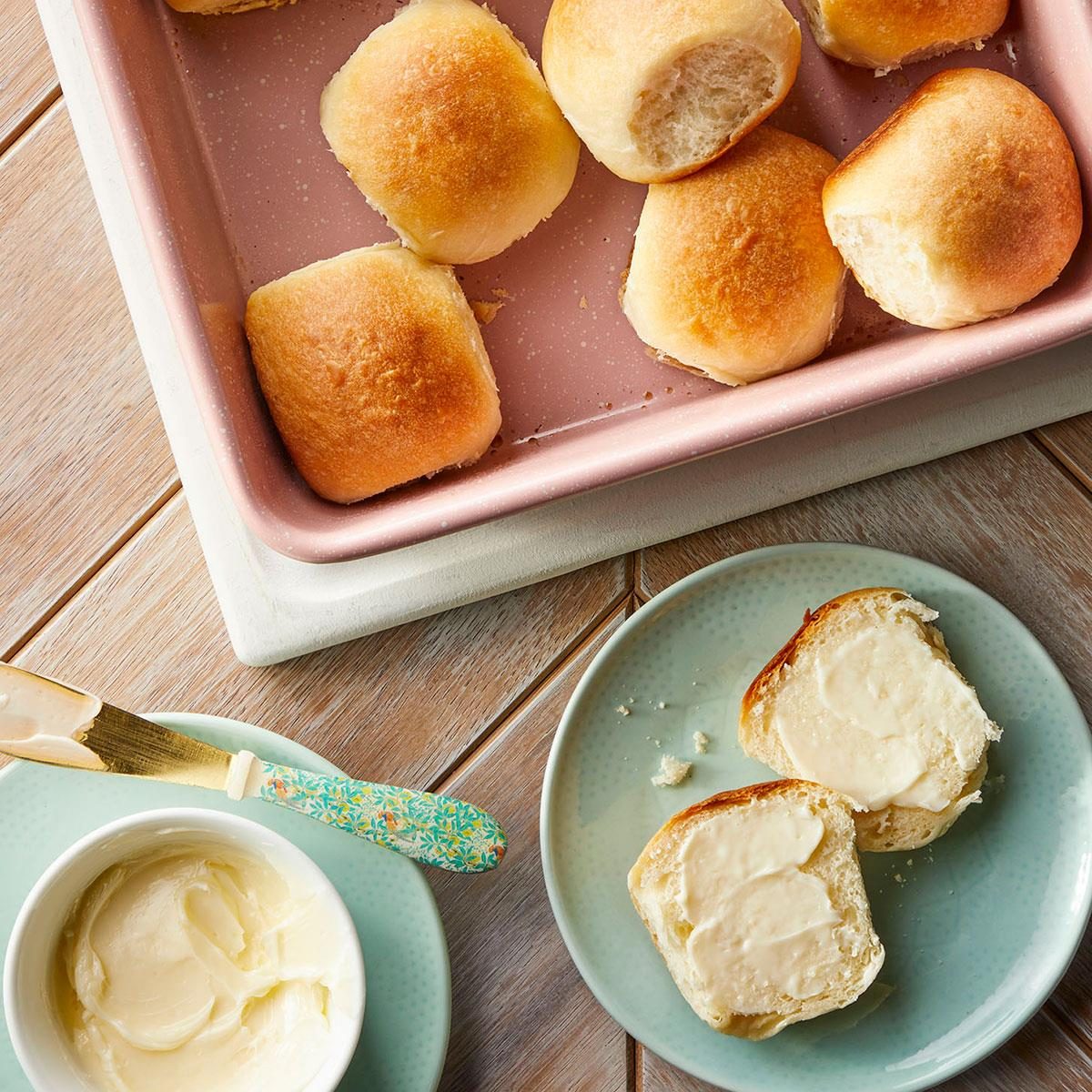
Credit: www.tasteofhome.com
Choosing The Right Flour
Flour is the main ingredient in bread rolls. Picking the right flour helps make rolls soft and tasty.
Different flours have different protein levels. This changes how the dough feels and bakes.
Use Bread Flour For Strong Gluten
Bread flour has more protein than all-purpose flour. This creates strong gluten strands.
Strong gluten traps air, making rolls rise well. This gives a nice soft texture inside.
Try All-purpose Flour For Soft Rolls
All-purpose flour has medium protein. It works well for soft bread rolls.
This flour gives a tender crumb and is easy to find in stores.
Avoid Whole Wheat Flour Alone
Whole wheat flour has more fiber and less gluten. Rolls made with only whole wheat can be dense.
Mix whole wheat with bread or all-purpose flour for softer rolls.
Consider Cake Or Pastry Flour For Very Soft Rolls
Cake and pastry flours have low protein. They make dough soft and light.
Use them with bread flour to balance softness and structure.
- Bread flour: 12-14% protein, strong gluten
- All-purpose flour: 10-12% protein, medium gluten
- Whole wheat flour: 13-14% protein, coarse texture
- Cake/pastry flour: 7-9% protein, low gluten
Importance Of Yeast
Yeast is a key ingredient in baking soft bread rolls. It helps the dough rise and become fluffy.
Without yeast, bread rolls would be dense and hard. It creates air pockets in the dough.
Active Dry Vs Instant Yeast
Active dry yeast needs to be dissolved in warm water before use. It takes longer to activate.
Instant yeast can be mixed directly with dry ingredients. It works faster than active dry yeast.
- Active dry yeast: requires proofing in water
- Instant yeast: mixes directly with flour
- Instant yeast rises dough quicker
- Active dry yeast may give a stronger flavor
Proper Yeast Activation
Use warm water between 100°F and 110°F to activate yeast. Too hot water can kill it.
Let the yeast sit in water with a little sugar for 5 to 10 minutes. It should become foamy.
- Check water temperature with a thermometer
- Add a pinch of sugar to feed the yeast
- Wait for foam to appear before mixing dough
- Do not rush the activation process
Perfect Dough Consistency
Soft bread rolls start with dough that feels just right. The dough should not be too dry or too sticky.
Getting the perfect dough consistency helps the rolls stay tender and fluffy after baking.
Achieving The Right Hydration
Hydration means the amount of water in the dough. The right water level makes the dough soft and easy to work with.
Use warm water to help yeast activate and mix it slowly with flour for even moisture.
- Too little water makes dough dry and tough
- Too much water makes dough sticky and hard to shape
- Start with about 60% water to flour ratio and adjust as needed
- Feel the dough; it should be soft but not sticky
Kneading Techniques
Kneading helps develop gluten, which gives dough stretch and strength. This makes rolls soft and chewy.
Use a gentle folding and pressing motion to avoid tearing the dough.
- Knead for 8 to 10 minutes until dough is smooth
- Check dough by pressing with a finger; it should bounce back
- Avoid adding too much flour while kneading to keep dough soft
- Rest dough if it feels too tough before continuing
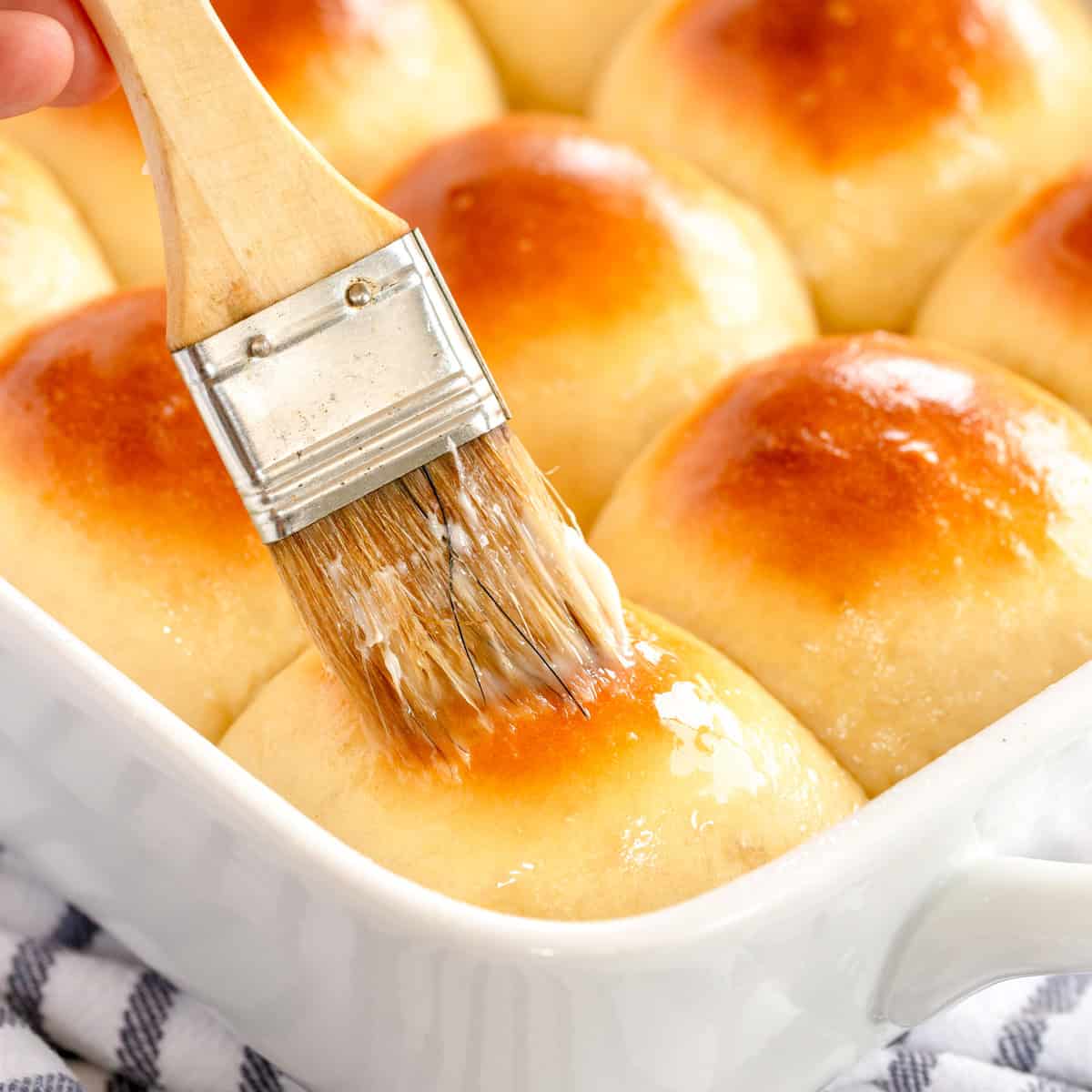
Credit: www.kyleecooks.com
Optimal Proofing Conditions
Proofing is a key step in baking soft bread rolls. It lets the dough rise and develop texture.
Good proofing conditions help yeast work well. This creates soft, airy bread rolls.
Ideal Temperature And Humidity
Keep the proofing area warm but not hot. The best temperature is between 75°F and 85°F (24°C to 29°C).
Humidity helps the dough stay moist. Aim for 75% to 85% humidity to stop the dough skin from drying.
- Too cold slows yeast activity, causing dense rolls.
- Too hot kills yeast, stopping the rise.
- Low humidity dries dough, leading to cracks.
- High humidity keeps dough soft and elastic.
Signs Of A Well-proofed Dough
Check the dough to know if it is ready to bake. Look for these signs:
| Sign | Description |
| Doubled Size | The dough should be about twice its original volume. |
| Soft and Puffy | The dough feels light and airy to the touch. |
| Indentation Test | Press dough gently. If the mark stays, it is ready. |
| Glossy Surface | The dough surface looks smooth and slightly shiny. |
Secrets To Fluffy Texture
Baking soft bread rolls takes some key tricks. The right ingredients make your rolls light and fluffy.
Small changes in your recipe can improve texture and taste. Learn how fats, sugars, milk, and eggs help.
Incorporating Fats And Sugars
Fats and sugars soften the dough and keep rolls tender. They also help the crust stay soft after baking.
- Fats like butter or oil coat flour proteins and slow gluten formation.
- Sugar feeds yeast, helping dough rise well and stay moist.
- Use just enough sugar to avoid dense texture.
- Adding fats improves flavor and softness.
Role Of Milk And Eggs
Milk and eggs add richness and help create a soft crumb. They also add color and flavor to rolls.
| Ingredient | Effect on Bread Rolls |
| Milk | Makes crumb soft and adds a light sweetness |
| Eggs | Improve texture and help rolls rise better |
| Milk + Eggs | Combine for richer taste and softer texture |
Baking Techniques For Softness
Soft bread rolls are a delight to eat and not hard to make. The right baking techniques help keep them tender and fluffy.
Two key methods that affect softness are steam baking and controlling baking time and temperature. These tips will help you bake perfect soft rolls.
Steam Baking
Steam keeps the bread crust soft during baking. It stops the outside from drying out too fast. This helps the rolls stay tender.
- Place a pan of hot water at the bottom of the oven.
- Spray water inside the oven before and during the first 10 minutes of baking.
- Use a covered baking dish or a Dutch oven to trap steam.
- Remove the steam source near the end to let the crust set.
Proper Baking Time And Temperature
Baking bread rolls at the right temperature and for the right time is important. Too hot or too long makes them hard. Too cool or short leaves them doughy.
| Temperature | Time | Effect on Rolls |
| 180°C (350°F) | 15-20 minutes | Soft crust, fully baked inside |
| 200°C (390°F) | 12-15 minutes | Faster bake, slightly firmer crust |
| 160°C (320°F) | 20-25 minutes | Soft inside but less crust color |
Cooling And Storing Bread Rolls
Proper cooling and storing keep bread rolls soft and fresh. Cooling stops moisture loss and prevents sogginess.
Storing bread rolls the right way helps keep their texture and taste longer.
Cooling Techniques
Cool bread rolls on a wire rack to let air flow around them. This stops the bottoms from getting wet.
- Remove rolls from the baking tray immediately after baking.
- Place rolls on a wire rack in a single layer.
- Do not cover rolls while hot; wait until fully cooled.
- Allow at least 30 minutes for rolls to cool.
Maintaining Freshness
Store bread rolls in a clean, airtight container or bag to keep them soft. Avoid the fridge as it dries bread quickly.
| Storage Method | Effect |
| Airtight container | Keeps moisture and softness |
| Plastic bag at room temperature | Maintains freshness for 1-2 days |
| Freezing in sealed bags | Preserves rolls for weeks |
| Refrigeration | Dries out bread quickly |
Common Mistakes To Avoid
Baking soft bread rolls can be tricky if you make common errors. These mistakes affect the texture and softness of your rolls.
Knowing what to avoid helps you get better results and enjoy fresh, soft bread every time.
Over-kneading
Over-kneading bread dough makes the rolls tough and dense. It breaks down the gluten structure and removes air pockets.
- Stop kneading as soon as the dough is smooth and elastic.
- Use the “windowpane test” to check gluten development.
- Avoid using machines at high speed for too long.
- Rest the dough if it feels too tight after kneading.
Under-proofing
Under-proofing means the dough does not rise enough before baking. This leads to hard and dense rolls with poor texture.
| Signs of Under-Proofing | Effects on Bread Rolls |
| Dough looks small and tight | Rolls are dense and heavy |
| Dough does not spring back slowly when poked | Texture is hard and not soft |
| Crust is thick and tough | Less volume and poor crumb |

Credit: www.youtube.com
Frequently Asked Questions
How Can I Make Bread Rolls Soft And Fluffy?
Use high-quality flour and add fats like butter or oil. Knead dough well, allow proper rising, and avoid overbaking. Steam in the oven for extra moisture.
What Ingredients Help Keep Bread Rolls Soft Longer?
Incorporate ingredients like milk, butter, eggs, and sugar. These retain moisture and soften texture. Adding a little vinegar or yogurt also helps maintain softness.
Why Is Kneading Important For Soft Bread Rolls?
Kneading develops gluten, creating a strong dough structure. This traps gas during fermentation, making rolls rise well and become soft and airy.
How Does Proofing Affect Bread Roll Softness?
Proper proofing allows yeast to ferment and produce gas. This makes dough rise, resulting in lighter, softer rolls with a tender crumb.
Conclusion
Soft bread rolls come from simple, careful steps. Use fresh ingredients and measure them well. Knead the dough gently to keep it light. Let the dough rise in a warm place. Bake just until golden, not too long. These tips help you enjoy soft, tasty rolls every time.
Try them and see the difference in your baking. Bread baking can be easy and fun. Keep practicing, and your rolls will get better fast. Enjoy the warm, soft bread with your meals!