
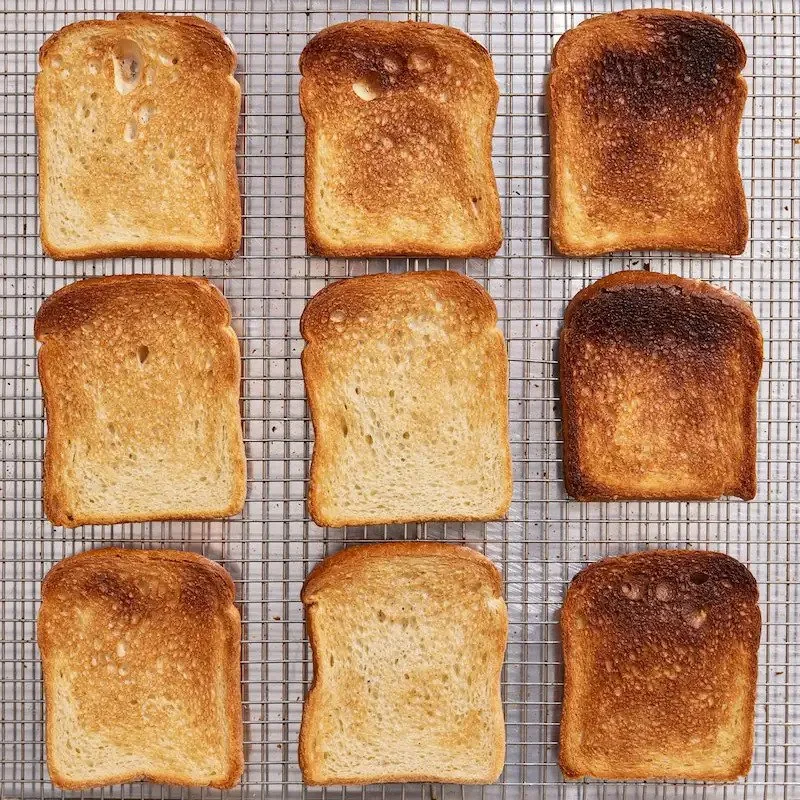
Baking bread that’s perfectly golden and evenly cooked can feel like a tricky task. You want every slice to have that soft, fluffy inside and a crisp, beautiful crust.
But sometimes, the middle stays doughy while the edges get too dark. What if you could fix that? Imagine pulling a loaf from your oven that looks and tastes just right every single time. In this post, you’ll discover simple, practical tips to help your bread bake evenly, so you can enjoy delicious homemade bread without the guesswork.
Ready to bake like a pro? Let’s dive in!
Choosing The Right Flour
Flour is the main ingredient in bread. Choosing the right type affects how your bread bakes and tastes.
Different flours have different protein levels. This changes the texture and rise of your bread.
Types Of Flour For Bread
Flour types vary by protein content. High protein flours make chewy bread. Low protein flours make soft bread.
- All-Purpose Flour: Medium protein, good for most breads
- Bread Flour: High protein, best for chewy and strong bread
- Whole Wheat Flour: Contains bran, adds flavor and nutrition
- Pastry Flour: Low protein, best for soft baked goods
Protein Content And Its Effect
Protein in flour forms gluten. Gluten traps air and helps bread rise evenly.
| Flour Type | Protein % | Effect on Bread |
| Pastry Flour | 7-9% | Soft, crumbly texture |
| All-Purpose Flour | 10-12% | Balanced texture and rise |
| Bread Flour | 12-14% | Chewy, strong structure |
| Whole Wheat Flour | 13-14% | Dense and flavorful bread |
Tips For Using Flour Correctly
Measure flour with care. Too much flour makes bread dry. Too little makes it sticky.
Use this checklist to handle flour well:
- Sift flour to remove lumps
- Use a spoon to fill the measuring cup
- Level off with a flat edge
- Store flour in a cool, dry place

Credit: learn.surlatable.com
Importance Of Accurate Measurements
Measuring ingredients correctly is key to baking bread evenly. Small changes can affect dough texture and baking time.
Using the right amount of flour, water, yeast, and salt helps create a balanced dough. This balance affects how your bread rises and bakes.
Consistent Dough Texture
Accurate measurements keep the dough texture steady. Too much flour makes dough dry and dense. Too little flour makes it sticky and hard to shape.
Proper Yeast Activation
Yeast needs the right environment to work well. Measuring yeast and water precisely ensures good fermentation and even rise.
Balanced Salt Levels
Salt controls yeast growth and adds flavor. Too much salt slows yeast, while too little lets it grow too fast. Measuring salt carefully keeps bread even.
Tips For Measuring Ingredients Accurately
- Use a digital kitchen scale for dry ingredients.
- Level off measuring cups with a knife for accuracy.
- Measure liquids at eye level in a clear cup.
- Use the same measuring tools every time.
- Check measurements twice before mixing.
Effects Of Measurement Errors
| Error Type | Effect on Bread |
| Too Much Flour | Dry, dense loaf with poor rise |
| Too Little Flour | Sticky dough, hard to shape |
| Too Much Yeast | Fast rise, uneven texture |
| Too Little Yeast | Slow rise, dense crumb |
| Too Much Salt | Yeast slows, dense bread |
| Too Little Salt | Overactive yeast, poor flavor |
Mastering Dough Consistency
Getting the dough just right is key to baking bread evenly. Dough consistency affects how the bread rises and bakes.
Understanding how to balance ingredients and texture helps make bread with a good crumb and crust.
Balancing Wet And Dry Ingredients
The right mix of wet and dry ingredients keeps dough soft but not sticky. Too much water makes dough hard to shape.
Too little water makes dough dry and tough. Measure ingredients carefully for even results.
- Use a kitchen scale for accuracy
- Adjust water slowly while mixing
- Consider humidity and flour type
- Wet hands help handle sticky dough
Achieving The Right Texture
Dough texture shows how well ingredients combine. It should feel soft, smooth, and elastic.
Knead dough until it stretches without tearing. This helps the bread rise evenly and bake well.
- Dough should bounce back when pressed
- Not sticky but slightly tacky is good
- Use the windowpane test to check gluten
- Rest dough to relax and improve texture
Proper Kneading Techniques
Kneading dough is key to baking bread evenly. It helps develop gluten for structure and texture.
Good kneading makes dough smooth and elastic. This leads to bread that rises well and bakes evenly.
Hand Kneading Tips
Use the heel of your hands to push dough forward. Fold it back and turn it a quarter turn.
- Press dough with the heel of your hand.
- Fold dough back over itself.
- Turn dough 90 degrees.
- Repeat for 8 to 10 minutes.
- Stop when dough is smooth and springs back.
Keep your work surface lightly floured to stop sticking. Avoid adding too much flour, or dough will be dry.
Using A Stand Mixer
Attach the dough hook to your mixer. Mix on low speed to combine ingredients.
| Speed Setting | Duration | Effect |
|---|---|---|
| Low | 5 minutes | Mixes ingredients without overworking dough |
| Medium | 3-5 minutes | Develops gluten for strong dough |
| High | Not recommended | Can tear dough and reduce quality |
Stop mixing when dough is smooth and elastic. Over-kneading can make bread tough.
Temperature Control
Keeping the right temperature is key to baking bread evenly. It helps the dough rise and bake properly.
Too hot or too cold can spoil your bread’s texture and taste. Control heat for the best results.
Optimal Dough Rising Conditions
The dough needs a warm, steady place to rise well. Aim for about 75°F to 85°F (24°C to 29°C).
Cold spots can slow rising and cause uneven texture. Keep the dough covered and away from drafts.
- Use an oven light or proofing box for warmth
- Cover dough with a damp cloth to keep moisture
- Avoid cold or drafty areas during rising
Oven Temperature Settings
Set your oven to the right temperature before baking. Most breads bake between 375°F and 450°F (190°C to 230°C).
Check your recipe for exact heat. Preheat the oven fully to avoid uneven baking.
- Preheat oven for at least 20 minutes
- Use an oven thermometer to check actual temperature
- Adjust racks for even heat circulation
Timing The Fermentation Process
Fermentation is key to baking bread evenly. It helps develop flavor and texture.
Knowing when to start and stop fermentation can improve your bread’s rise and crumb.
Understanding Bulk Fermentation
Bulk fermentation is the first rise after mixing the dough. It lets yeast create gas and flavor.
- Watch for the dough to double in size.
- The dough should feel airy but still hold its shape.
- Check temperature; warmer dough ferments faster.
- Over-fermentation can cause a weak structure.
- Under-fermentation can make dense bread.
Benefits Of Cold Fermentation
Cold fermentation slows yeast activity by chilling the dough. This helps develop taste and texture.
| Benefit | Description |
| Improved Flavor | Yeast produces complex acids and alcohols over time. |
| Better Texture | Dough strengthens and becomes easier to shape. |
| Flexible Timing | Slower rise allows for baking at a convenient time. |
| Reduced Overproofing Risk | Cold slows fermentation, preventing dough collapse. |
Shaping The Loaf
Shaping the loaf is important for even baking. A good shape helps the bread rise well.
It also affects the texture and how the bread looks. Taking time to shape the dough right pays off.
Techniques For Consistent Shape
Use gentle but firm pressure when shaping the dough. This helps keep air inside for a soft crumb.
Make sure the dough surface is smooth and tight. This stops the loaf from spreading too much during baking.
- Stretch and fold the dough evenly
- Pinch seams tightly to seal the dough
- Roll the dough on a clean surface
- Keep the dough at room temperature for easier shaping
Avoiding Common Shaping Mistakes
Do not overwork the dough. Too much handling can make the bread dense and tough.
Avoid leaving loose seams or holes. These cause uneven baking and poor shape.
- Do not use too much flour when shaping
- Do not stretch dough unevenly
- Do not press too hard on the dough
- Do not rush the shaping process

Credit: smittenkitchen.com
Scoring For Even Expansion
Scoring bread means making shallow cuts on its surface. This helps the bread expand evenly while baking. Without scoring, bread can crack in unwanted places.
Good scoring lets steam escape and guides the dough’s rise. It also adds a decorative touch to your bread.
Tools For Scoring
Choose the right tool to score your bread. A sharp blade makes clean cuts that help the dough open properly. Here are common tools used for scoring:
- Lame: A special razor blade on a handle for precise cuts.
- Sharp knife: A very sharp kitchen knife can work well.
- Utility blade: A clean, new box cutter blade can also be used.
- Scissors: Sometimes scissors help make patterns on soft dough.
Patterns And Their Effects
Different scoring patterns affect how bread expands and looks. Some patterns create more room for the dough to rise. Others add nice shapes to the crust.
| Pattern | Effect on Bread |
|---|---|
| Single long slash | Directs expansion along one line, helps bread rise tall. |
| Cross or X | Allows even expansion in four directions. |
| Waves or curves | Makes decorative ridges and controlled opening. |
| Multiple parallel cuts | Helps bread expand evenly with a striped look. |
Baking With Steam
Adding steam to your oven can help you bake bread that is evenly cooked. Steam keeps the dough surface moist during the early baking phase. This moisture helps the bread rise fully and develop a nice crust.
Using steam is a simple way to improve the texture and appearance of homemade bread. You do not need special equipment to try this method.
Creating Steam In Home Ovens
You can create steam in your home oven with easy tools. Here are some common methods to try:
- Place a pan filled with hot water on the oven floor before baking.
- Spray water inside the oven walls with a spray bottle right after placing the dough inside.
- Use a baking tray with boiling water placed under the rack holding your bread.
- Cover the dough with a metal bowl for the first 10 minutes of baking to trap steam.
Impact On Crust And Texture
Steam affects the crust and texture of bread in these ways:
| Effect | Description |
|---|---|
| Crust Shine | Steam creates a glossy, attractive crust on the bread. |
| Crust Thickness | Steam delays crust formation, allowing the bread to expand more. |
| Crust Crispness | Steam helps form a thin and crisp crust after baking. |
| Texture | Moisture from steam keeps the crumb soft and light. |

Credit: www.tasteofhome.com
Cooling And Storing Bread
Cooling and storing bread correctly helps keep it fresh longer. These steps stop the bread from becoming soggy or dry.
Good cooling and storage also keep the bread’s texture even. Follow these tips to enjoy your bread at its best.
Proper Cooling Techniques
Cool bread on a wire rack to let air flow all around. This stops steam from making the crust soft.
- Remove bread from the pan immediately after baking.
- Place the bread on a wire rack to cool completely.
- Do not cover the bread while it cools; this traps moisture.
- Wait until bread is fully cooled before storing.
Best Practices For Storage
Store bread in a cool, dry place. Avoid plastic bags unless you plan to freeze the bread.
| Storage Method | When to Use | Effect on Bread |
| Paper Bag | Short-term (1-2 days) | Preserves crust, keeps bread fresh |
| Plastic Bag | Freezing or very short-term | Softens crust, keeps moisture |
| Cloth Bread Bag | Short to medium term | Allows air flow, slows drying |
| Freezer | Long-term storage | Keeps bread fresh for weeks |
Frequently Asked Questions
How Can I Ensure Even Baking Of Bread?
Use consistent oven temperature and preheat fully before baking. Rotate the bread halfway for uniform heat exposure. Avoid overloading the oven to maintain proper air circulation around the bread.
What Is The Ideal Oven Temperature For Baking Bread Evenly?
Bake most bread types at 350°F to 450°F (175°C to 230°C). The exact temperature depends on the recipe. Maintaining steady heat throughout baking ensures even cooking and crust formation.
Why Should I Use A Baking Stone Or Steel?
A baking stone or steel distributes heat evenly and retains it well. This helps create a uniform crust and prevents hot spots that cause uneven baking. Preheat them thoroughly before placing the dough.
How Does Dough Shaping Affect Even Baking?
Proper dough shaping creates uniform thickness, which promotes even heat distribution. Avoid thick or thin spots to prevent undercooked or overcooked areas. Consistent shaping also helps the bread rise evenly.
Conclusion
Baking bread evenly takes practice and patience. Use the right oven temperature and check the dough carefully. Rotate your bread during baking for even heat. Avoid opening the oven too often to keep heat steady. These small steps help you bake bread with a nice crust and soft inside.
Keep trying, and soon your bread will look and taste better every time. Enjoy the process and the warm bread fresh from your oven.