
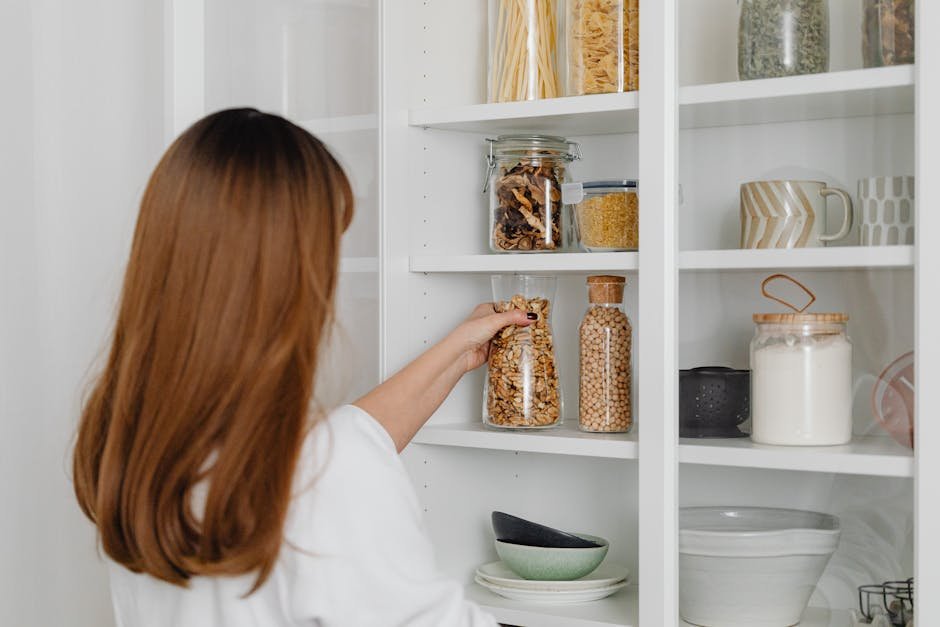
Are you tired of cluttered kitchen shelves that make cooking stressful? Imagine opening your cabinets and finding everything exactly where you need it—neatly organized, easy to reach, and visually appealing.
With a few simple tips, you can transform your kitchen shelves into a smart, tidy space that saves you time and frustration every day. Keep reading to discover practical ideas that will change the way you arrange your kitchen shelves forever.
Your cooking experience is about to get a lot better!
Assess Your Kitchen Space
Organizing kitchen shelves starts with understanding your space. Knowing what you have helps you plan better.
Take time to look at your kitchen shelves carefully. This helps you decide how to arrange items for easy access.
Measure Available Shelf Area
Use a tape measure to find the width, depth, and height of each shelf. Write these numbers down for reference.
| Shelf | Width (inches) | Depth (inches) | Height (inches) |
| Top Shelf | 36 | 12 | 14 |
| Middle Shelf | 36 | 12 | 12 |
| Bottom Shelf | 36 | 12 | 16 |
Identify Storage Needs
Think about what you store most in the kitchen. Group items by type or use to keep things tidy.
- Cookware like pots and pans
- Dry goods such as rice and pasta
- Spices and small containers
- Plates, bowls, and cups
- Cleaning supplies
Consider Kitchen Layout
Look at your kitchen’s shape and how you move around. Place shelves where they fit and work well with cooking flow.
Choose The Right Shelving Type
Choosing the right shelves can help keep your kitchen tidy. Good shelves make it easy to find and store items.
Think about what you need to store and how often you use your kitchen items. This helps pick the best shelf type.
Open Vs Closed Shelves
Open shelves show your dishes and tools. They are easy to reach and make the kitchen look open.
Closed shelves keep items hidden and dust-free. They offer a clean and neat look for your kitchen.
- Open shelves are good for everyday items.
- Closed shelves protect items from dirt and grease.
- Open shelves need more cleaning.
- Closed shelves hide clutter from view.
Materials And Durability
Kitchen shelves come in different materials like wood, metal, and glass. Each has pros and cons.
Wood shelves look warm but can get damaged by water. Metal shelves are strong and last long. Glass shelves look modern but need careful cleaning.
- Wood shelves add a cozy feel.
- Metal shelves resist moisture and heat.
- Glass shelves show items clearly.
- Choose material based on kitchen use and style.
Adjustable Shelving Options
Adjustable shelves let you change shelf height. This helps fit tall or small items easily.
They offer flexibility as your storage needs change. You can move shelves up or down without tools.
- Adjust shelf height for pots and pans.
- Change spacing for small jars or big plates.
- Easy to customize as kitchen items grow.
- Check for sturdy brackets and rails.
Organize By Frequency Of Use
Arranging kitchen shelves by how often you use items saves time and effort. This method keeps your kitchen neat and practical.
Placing things you use daily within easy reach helps you work faster. Items used rarely can be stored away to reduce clutter.
Everyday Items Accessibility
Store daily use items like plates, cups, and utensils in the most reachable spots. This reduces the time spent searching for things.
- Keep plates and bowls on the middle shelves
- Place coffee mugs near the coffee maker
- Store cooking oils and spices close to the stove
- Arrange utensils in a drawer near the prep area
Seasonal And Rarely Used Items
Items used only during holidays or special occasions can be stored on higher or lower shelves. This frees space for daily items.
| Item | Suggested Storage |
| Holiday dishes | Top shelves or cabinet corners |
| Large pots and pans | Lower shelves or under the sink |
| Specialty appliances | Back of cabinets or storage room |
Create Zones For Different Categories
Grouping items by their category makes your kitchen easier to use. It helps keep similar things together and speeds up cooking.
- Breakfast Zone: cereals, spreads, mugs
- Cooking Zone: pots, pans, oils, spices
- Baking Zone: flour, sugar, mixing bowls
- Cleaning Zone: soaps, sponges, towels
Credit: www.rd.com
Maximize Vertical Space
Kitchen shelves often have unused space above items. Using that space can keep your kitchen neat. It also makes it easier to find what you need.
Here are some tips to help you use vertical space well. These ideas work with most kitchen layouts and storage needs.
Use Stackable Containers
Stackable containers save space by letting you pile items safely. They keep food fresh and make shelves look tidy. Clear containers help you see what is inside at a glance.
- Choose containers with flat lids for easy stacking
- Use different sizes to fit various foods
- Label containers to find items quickly
- Stack lightweight containers on top to avoid crushing
Install Hooks And Racks
Hooks and racks add storage below or above shelves. They hold pots, pans, or mugs, freeing shelf space. You can also hang small tools or baskets.
| Type | Use | Placement |
|---|---|---|
| Hooks | Hang mugs or utensils | Under shelves or on walls |
| Wall Racks | Hold spices or jars | Near cooking area |
| Overhead Racks | Store pots and pans | Ceiling or high walls |
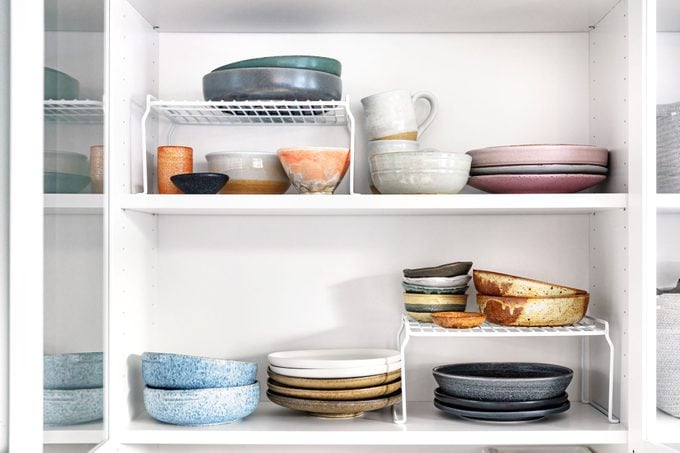
Add Shelf Risers
Shelf risers double your shelf space by adding a level. They work well for plates, cups, and canned goods. Risers keep items easy to reach and organized.
- Choose sturdy risers that fit your shelf size
- Use clear or neutral colors to match your kitchen
- Place frequently used items on the lower level
- Keep heavier items on the bottom shelf for safety
Optimize Shelf Arrangement
Arranging kitchen shelves well helps you find things fast. It also keeps your kitchen tidy and safe.
Simple changes in shelf arrangement can improve your cooking experience every day.
Group Similar Items Together
Keep items that you use for the same purpose close to each other. This saves time and space.
- Store baking supplies like flour, sugar, and baking soda in one area.
- Place cooking oils, spices, and sauces on a single shelf.
- Keep snacks and cereals together for easy access.
Label Containers And Bins
Labels help you know what is inside each container without opening them. This keeps shelves neat.
| Container Type | Label Example |
| Clear Jar | Rice |
| Plastic Bin | Snacks |
| Metal Canister | Tea Bags |
| Glass Bottle | Olive Oil |
Keep Heavy Items Low
Place heavy items like pots and canned goods on lower shelves. This prevents accidents and makes them easy to reach.
- Store large pots and pans on the bottom shelf.
- Keep canned foods within easy reach on lower shelves.
- Avoid placing heavy appliances on high shelves to prevent falls.

Credit: www.purewow.com
Incorporate Functional Accessories
Adding useful accessories to your kitchen shelves makes them more practical. These tools help keep items organized and easy to reach.
Choosing the right accessories can save space and reduce clutter. It also makes cooking and cleaning faster and simpler.
Pull-out Baskets
Pull-out baskets slide out smoothly from shelves. They give easy access to items stored in the back.
These baskets work well for storing fruits, vegetables, or kitchen towels. They keep things visible and within reach.
- Maximize deep shelf space
- Reduce bending and stretching
- Keep items organized and tidy
Lazy Susans
Lazy Susans are rotating trays for corner shelves or large cabinets. They let you spin items to find what you need quickly.
Use them for spices, sauces, or small jars. They make good use of awkward spaces and keep things in order.
- Easy access to all items
- Perfect for small or round containers
- Saves space on crowded shelves
Under-shelf Storage Solutions
Under-shelf storage hangs below existing shelves. It adds extra space without changing your setup.
These storage racks or hooks hold cups, lids, or small tools. They keep your kitchen neat and items easy to grab.
- Extra storage without clutter
- Great for mugs and utensils
- Simple to install and use
Maintain And Refresh Shelves
Keeping your kitchen shelves neat helps your space look clean and organized. Regular care makes shelves last longer and stay useful.
Refreshing shelves prevents clutter build-up and keeps items easy to find. Simple routines can improve your kitchen’s look and function.
Regular Decluttering
Check your shelves often to remove items you no longer use. Decluttering frees space and reduces mess.
Throw away expired food and donate unused kitchen tools. Keep only what you use daily or weekly.
- Remove broken or damaged items
- Sort items by how often you use them
- Group similar items together
- Keep frequently used items within easy reach
Cleaning Tips
Wipe shelves regularly to stop dust and spills from building up. Clean shelves look fresh and help keep food safe.
Use a mild cleaner and a soft cloth to avoid damage. Remove items before cleaning for better results.
- Dust shelves weekly
- Use warm soapy water for sticky spots
- Dry shelves completely before replacing items
- Clean jars and containers before putting them back
Seasonal Reorganization
Change your shelf setup with the seasons to fit your needs better. Store seasonal items separately to save space.
Swap heavy cooking items for light ones in warmer months. Keep holiday dishes and ingredients easy to find during special times.
- Move baking supplies closer during holidays
- Store summer drinks and snacks in front during warm months
- Keep seasonal appliances accessible when needed
- Review and update shelf contents every few months

Credit: shelfexpression.net
Frequently Asked Questions
How Do I Maximize Space On Kitchen Shelves?
To maximize space, use stackable containers and shelf risers. Group similar items together for easy access. Use clear containers to see contents at a glance. Utilize vertical space by installing hooks or adding extra shelves. Regularly declutter to maintain organized and efficient shelves.
What Are The Best Storage Solutions For Small Kitchens?
For small kitchens, use wall-mounted shelves and magnetic strips. Install pull-out racks and lazy Susans in cabinets. Opt for multi-functional furniture like kitchen islands with built-in storage. Utilize the space above cabinets for less-used items. Compact, stackable containers help in efficient organization.
How Should I Organize Pantry Items On Shelves?
Organize pantry items by category, such as snacks, canned goods, and grains. Place frequently used items at eye level. Use clear bins or baskets for smaller items. Label containers for easy identification. Keep heavier items on lower shelves for safety and accessibility.
What Materials Are Best For Kitchen Shelves?
Stainless steel and wood are popular choices for kitchen shelves. Stainless steel is durable, easy to clean, and rust-resistant. Wood adds warmth and can be customized in various finishes. Both materials support heavy items and provide a sleek, modern look to your kitchen.
Conclusion
Organizing kitchen shelves makes cooking easier and faster. Keep items you use often within reach. Group similar things together for quick access. Use clear containers to see what’s inside. Don’t overcrowd shelves; leave some empty space. Regularly check and remove expired or unused items.
Small changes can make a big difference in your kitchen. Enjoy a tidy space that helps you stay calm and focused. Your kitchen will feel more welcoming and practical every day. Simple steps lead to lasting, useful shelf arrangements.