
Before you start cooking your favorite meal, there’s one simple step you must never skip: washing your hands properly. You might think a quick rinse is enough, but effective handwashing is key to keeping harmful germs away from your food—and from you.
If you want to protect yourself and your loved ones from foodborne illnesses, knowing the right way to wash your hands is a must. Keep reading, and you’ll discover easy, practical tips to make sure your hands are truly clean every time you cook.
Your health and your delicious meals depend on it!
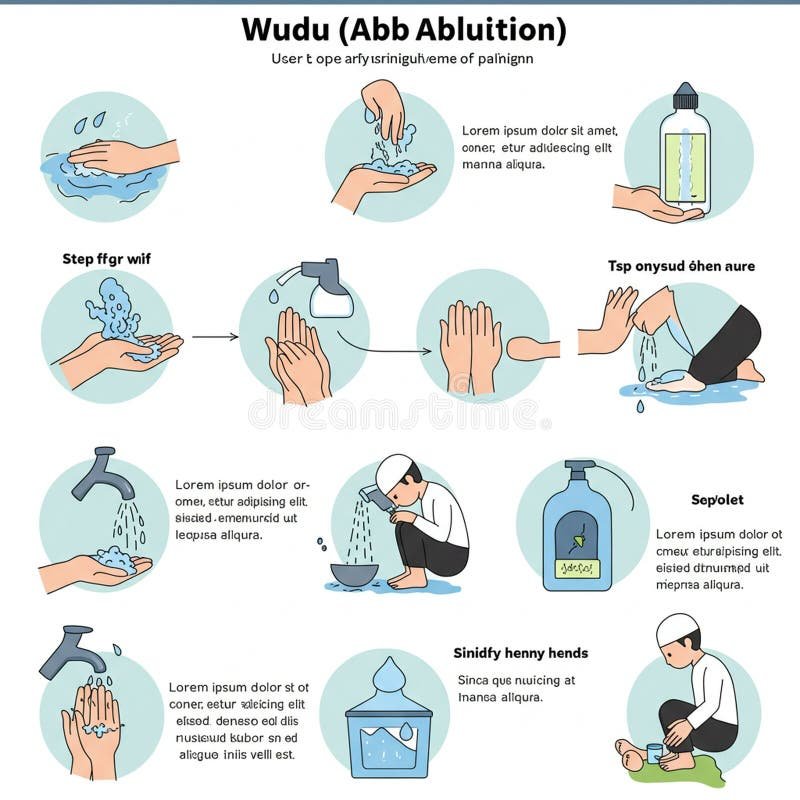
Credit: www.dreamstime.com
Importance Of Hand Hygiene In Cooking
Keeping your hands clean before cooking stops germs from spreading. This helps keep food safe and healthy.
Washing hands right prevents sickness from harmful bacteria and viruses. It is a simple way to protect yourself and others.
Remove Dirt And Germs
Hands carry dirt and germs from many places. Washing them removes these harmful substances before touching food.
Clean hands stop germs from getting into the food. This lowers the chance of foodborne illness.
Prevent Cross-contamination
Cross-contamination happens when germs move from one food to another. Washing hands helps stop this from happening.
Clean hands protect raw and cooked foods from mixing germs. This keeps meals safer to eat.
Protect Family And Friends
Washing hands before cooking protects people who eat your food. It stops spreading illnesses to loved ones.
Good hand hygiene shows you care about others’ health. It helps prevent sickness in your home.
Improve Food Taste And Quality
Dirty hands can add bad smells and tastes to food. Clean hands keep food fresh and tasty.
Proper handwashing helps you make meals that look and taste better. It keeps your cooking clean and enjoyable.

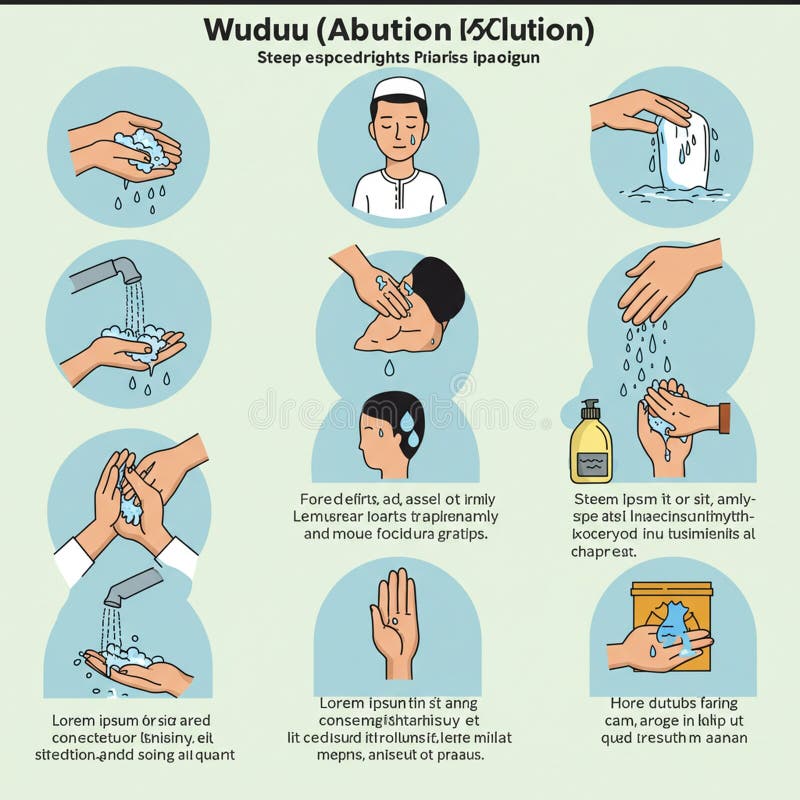
Credit: www.healthline.com
Choosing The Right Soap
Washing hands before cooking is important to keep food safe. Using the right soap helps remove germs and dirt well.
Not all soaps clean hands the same way. Choosing a good soap makes hand washing more effective.
Use Antibacterial Or Regular Soap
Both antibacterial and regular soap clean hands well. Regular soap works by lifting dirt and germs.
Antibacterial soap kills some bacteria. It is not always needed, but it can help if hands are very dirty.
Choose Soaps With Moisturizers
Washing hands often can dry your skin. Soaps with moisturizers keep your hands soft and healthy.
Look for soaps with ingredients like aloe or glycerin. These help prevent dry or cracked skin.
Avoid Harsh Or Scented Soaps
Harsh soaps can irritate your skin. Strong scents may cause allergies or discomfort.
Pick mild, fragrance-free soaps. They clean well without causing skin problems.
Consider Liquid Soap For Hygiene
Liquid soaps reduce the spread of germs better than bar soaps. They are easy to use and rinse off.
Use a pump bottle to keep the soap clean. This helps keep your hands safe before cooking.
Effective Handwashing Steps
Washing your hands before cooking helps keep food safe. Clean hands stop germs from spreading to food.
Follow these simple steps to wash your hands well every time you cook.
Wet Hands With Clean Water
Start by wetting your hands with clean, running water. Use warm or cold water, whichever is comfortable.
Wet hands help soap spread and create a good lather for cleaning.
Apply Soap Generously
Use enough soap to cover your entire hands. Liquid, bar, or foam soap all work well.
Soap helps remove dirt, grease, and germs from your skin.
Lather And Scrub Thoroughly
Rub your hands together to make a rich lather. Scrub all hand surfaces, including:
- Backs of hands
- Between fingers
- Under fingernails
- Thumbs
- Wrists
Scrub for at least 20 seconds to remove germs effectively.
Rinse Hands Completely
Rinse your hands well under clean, running water. Make sure all soap is washed off.
Soap left on skin can cause irritation or leave germs behind.
Dry With A Clean Towel
Use a clean towel or air dryer to dry your hands fully. Wet hands can spread germs more easily.
Avoid using shared towels to keep hands hygienic before cooking.
Common Mistakes To Avoid
Washing your hands well is very important before cooking. It helps stop germs from spreading to food.
Many people make mistakes that reduce how clean their hands get. Avoid these common errors to keep food safe.
Using Cold Water
Some people wash hands with cold water only. Cold water does not remove germs as well as warm water.
Warm water helps soap foam better and wash away dirt and bacteria more easily.
Rushing The Process
Many rush washing hands quickly. This stops soap from working properly and leaves germs behind.
Take at least 20 seconds to scrub all parts of your hands. This helps kill and remove germs.
- Scrub palms and backs of hands
- Clean between fingers
- Wash under nails and thumbs
Skipping Fingernails
People often forget to clean under their fingernails. Germs hide well in this area.
Use a nail brush or rub nails on your palm to remove dirt and bacteria under nails.
When To Wash Hands While Cooking
Washing your hands at the right times keeps food safe and healthy. It stops germs from spreading while you cook.
Knowing when to wash your hands helps prevent food poisoning. Clean hands protect you and your family.
Before Handling Food
Wash your hands before touching any food. This cleans away dirt and germs from your skin.
Clean hands stop germs from moving onto fruits, vegetables, and cooked meals.
After Touching Raw Ingredients
Raw meat, fish, and eggs carry harmful germs. Wash your hands after handling them to avoid cross-contamination.
Clean hands prevent germs from spreading to other foods or surfaces in the kitchen.
- Use warm water and soap
- Scrub all hand parts for at least 20 seconds
- Dry hands with a clean towel
After Coughing Or Sneezing
Germs from your mouth or nose can land on your hands. Wash them right after coughing or sneezing.
Clean hands stop germs from spreading to food and kitchen tools.
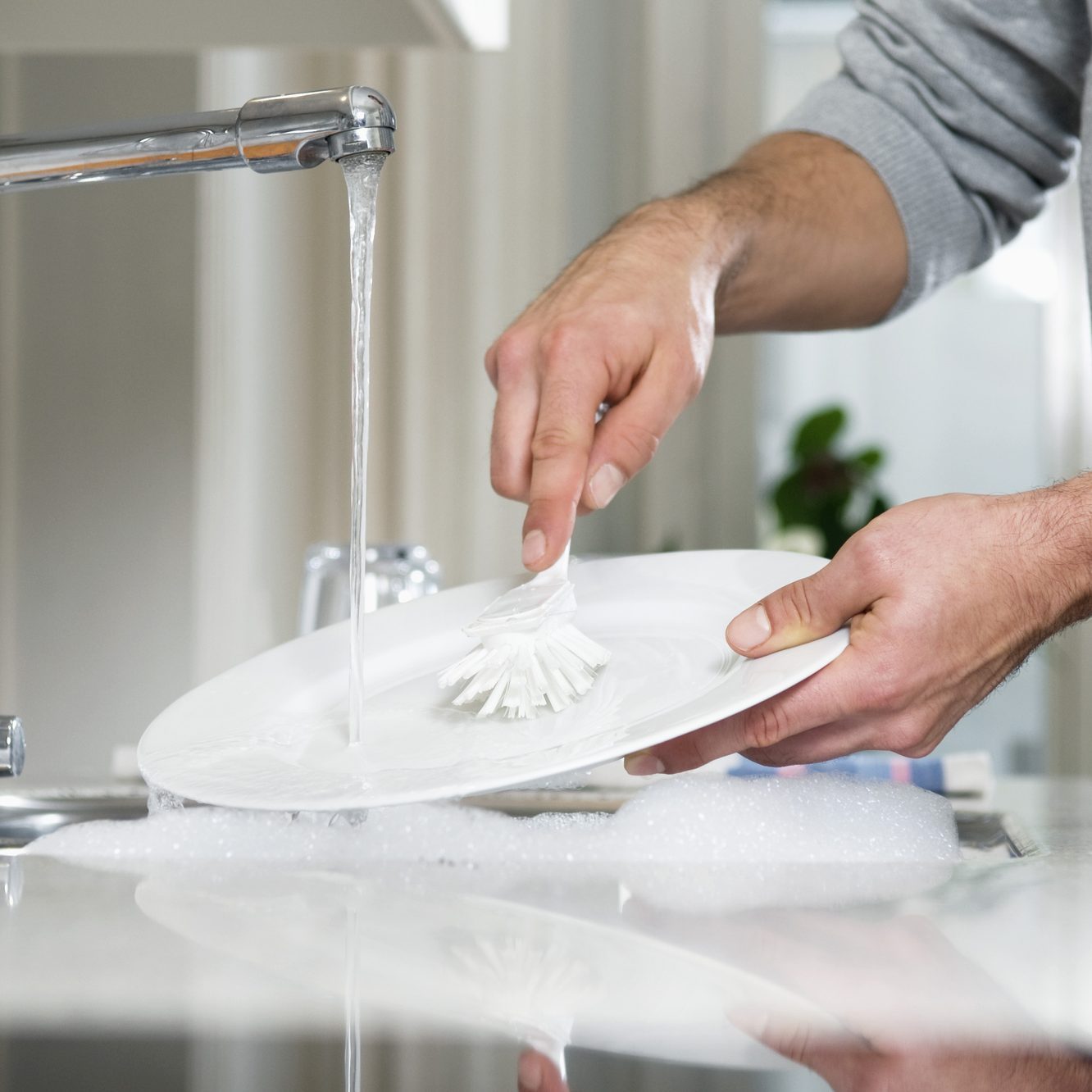
Credit: www.tasteofhome.com
Benefits Of Proper Hand Hygiene
Washing your hands before cooking helps keep food safe. It removes dirt, germs, and bacteria that can cause sickness.
Good hand hygiene protects you and everyone who eats the food you prepare. It is a simple step with big benefits.
Preventing Foodborne Illnesses
Clean hands stop harmful bacteria from spreading to food. This reduces the chance of food poisoning and stomach problems.
Germs like salmonella and E. coli often spread through dirty hands. Washing hands well lowers this risk.
- Use soap and water to wash hands for at least 20 seconds.
- Scrub all parts of your hands, including under nails and between fingers.
- Dry hands with a clean towel or air dry.
Promoting Overall Health
Washing hands reduces the spread of germs that cause colds, flu, and other illnesses. It keeps your body strong.
Healthy hands help prevent infections and keep your immune system working well. This is important for daily life.
- Clean hands stop germs from entering your body through food.
- Good hygiene protects your family and friends from getting sick.
- Regular hand washing builds a habit of staying healthy.
Frequently Asked Questions
Why Is Handwashing Important Before Cooking?
Washing hands removes germs and bacteria that cause foodborne illnesses. Clean hands prevent contamination and ensure food safety. It protects your health and that of others eating the food.
How Long Should I Wash My Hands Before Cooking?
Wash your hands for at least 20 seconds using soap and warm water. This duration effectively removes dirt, germs, and harmful microbes from your skin.
What Steps Ensure Effective Handwashing Before Cooking?
Wet hands, apply soap, scrub all parts including nails for 20 seconds. Rinse thoroughly under clean water and dry with a clean towel or air dryer.
Can Hand Sanitizers Replace Washing Before Cooking?
Hand sanitizers kill some germs but do not remove dirt or grease. Washing with soap and water is the best method before handling food.
Conclusion
Washing hands well keeps germs away from food. Use clean water and soap each time. Rub hands for at least 20 seconds. Don’t forget under nails and between fingers. Dry hands with a clean towel or air dry. This small step helps protect your health.
Safe hands mean safer meals for everyone. Make handwashing a habit before cooking. It takes little time but makes a big difference. Clean hands keep kitchens and families healthy. Simple, effective, and easy to follow.