
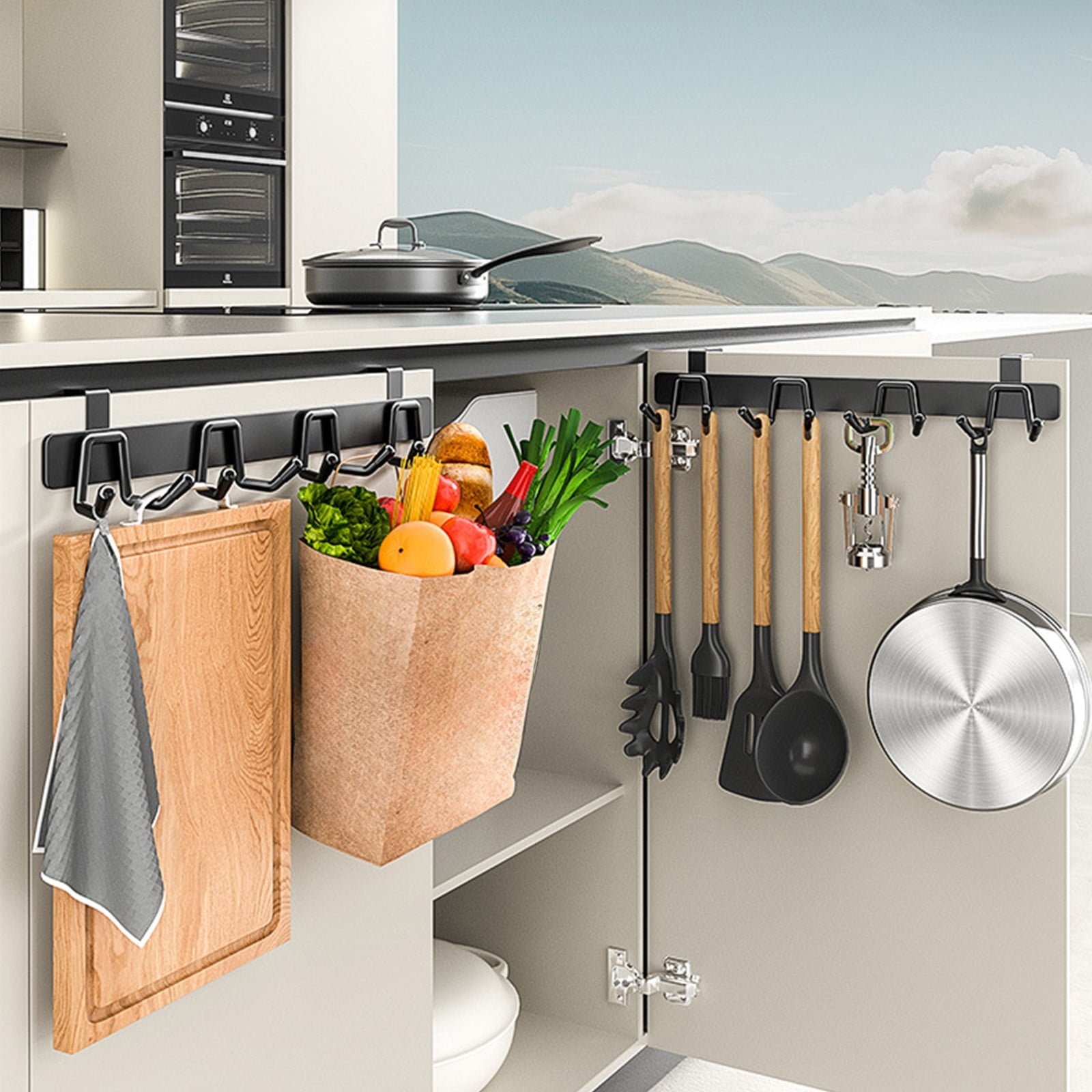
Are your kitchen counters cluttered with utensils, making cooking feel stressful? Imagine having all your favorite tools right within your reach, neatly organized and easy to find.
Using wall hooks for utensils is a simple trick that can transform your kitchen into a more efficient and enjoyable space. You’ll discover practical tips on how to use wall hooks to save space, keep your utensils handy, and even add a touch of style to your kitchen.
Ready to make cooking easier and more fun? Let’s dive in!
Credit: www.amazon.ae
Choosing The Right Wall Hooks
Wall hooks help organize your kitchen utensils. Choosing the right ones keeps your space tidy and tools easy to reach.
Pick hooks based on your kitchen style, utensil types, and how much weight they will hold. This guide helps you make smart choices.
Types Of Wall Hooks For Kitchens
You can find different wall hooks made for kitchen use. Some hooks hold small items, others support heavier pots and pans.
- Single hooks for hanging one utensil
- Double hooks for two items or larger tools
- Magnetic hooks for metal utensils
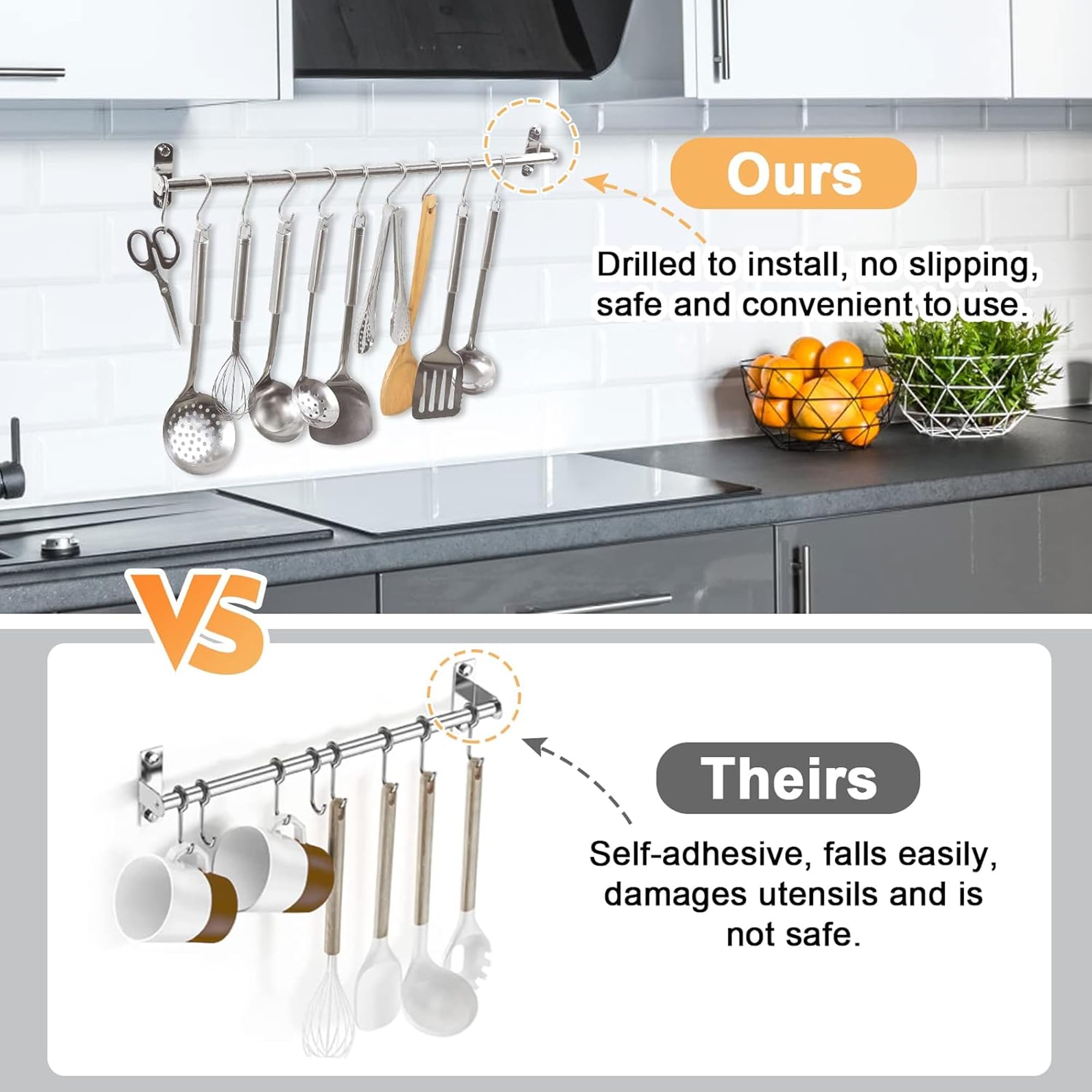
- Adhesive hooks for damage-free walls
- Rail systems with multiple hooks for flexible layouts
Materials And Durability
Look for hooks made with strong materials. Durable hooks last longer and hold utensils securely.
- Stainless steel resists rust and is easy to clean
- Plastic hooks are light and affordable but less strong
- Wood hooks add style but may wear over time
- Aluminum hooks are lightweight and rust-proof
Weight Capacity Considerations
Check the weight limit of hooks before buying. Heavy pots need stronger hooks than light spoons.
| Hook Type | Typical Weight Capacity |
|---|---|
| Small single hook | Up to 1 kg (2.2 lbs) |
| Double hook | Up to 3 kg (6.6 lbs) |
| Heavy-duty hook | Over 5 kg (11 lbs) |
| Magnetic hook | Varies, usually under 2 kg (4.4 lbs) |
Best Locations For Installing Hooks
Wall hooks help keep utensils organized and easy to reach. Installing them in the right places can save space and improve kitchen flow.
Consider areas where you use utensils most often. This makes cooking faster and your kitchen tidier.
Near Cooking Stations
Place hooks close to where you cook. Hanging spatulas, ladles, and spoons near the stove keeps them handy. This cuts down time searching for tools while cooking.
- Install hooks on the backsplash or nearby wall
- Keep frequently used utensils within arm’s reach
- Use heat-resistant hooks to avoid damage
- Arrange hooks by utensil type for easy access
Inside Cabinet Doors
Hooks inside cabinet doors hide utensils but keep them close. This space is often unused and perfect for small tools like peelers and measuring spoons.
| Benefit | Details |
| Space saving | Utilizes hidden areas that are rarely used |
| Easy access | Utensils are near preparation areas but out of sight |
| Organized storage | Keeps small tools neat and prevents clutter |
Unused Wall Spaces
Empty walls can store many utensils with wall hooks. Look for spots near countertops or dining areas. These walls can hold pots, pans, or cutting boards too.
Here are some tips for using unused walls effectively:
- Choose sturdy hooks for heavier items
- Group similar utensils together
- Keep hooks at a comfortable height
- Use decorative hooks to add style
Installation Tips
Wall hooks are a smart way to keep your utensils organized and easy to reach. Installing them correctly helps hold your kitchen tools safely.
This guide will help you install wall hooks with the right tools and steps. Follow safety tips to avoid damage or injury.
Tools Needed
Gathering the right tools makes installation easier and faster. You will need basic items found in most homes.
- Drill with drill bits
- Screwdriver
- Measuring tape
- Level
- Pencil
- Wall anchors and screws
- Stud finder (optional)
Step-by-step Mounting Guide
Follow these steps to mount your wall hooks securely. Take your time with each step for the best results.
- Choose the wall area where you want to install the hooks.
- Use a stud finder to locate studs or plan to use wall anchors.
- Mark the spot with a pencil for each hook.
- Use a level to make sure marks are even.
- Drill pilot holes on the marked spots.
- Insert wall anchors if not drilling into studs.
- Align hooks with holes and screw them in tightly.
- Test the hooks by gently pulling to check stability.
Safety Precautions
Safety is important to avoid damage to walls and injury. Follow these tips during installation.
- Wear safety goggles to protect your eyes while drilling.
- Keep fingers away from drill and screwdriver paths.
- Do not overload hooks beyond their weight limit.
- Use a sturdy ladder or step stool if needed.
- Check for wires or pipes inside walls before drilling.
- Keep your work area clean and free of obstacles.

Credit: www.amazon.co.uk
Organizing Utensils Efficiently
Using wall hooks for utensils helps keep your kitchen tidy and tools easy to reach. It saves drawer space and lets you see everything at a glance.
This method works well in small kitchens or busy cooking areas. You can organize utensils by type and use hooks to store them neatly.
Grouping Similar Items
Group utensils by their function or size. Keep spatulas, ladles, and whisks in separate groups. This makes it easier to grab what you need fast.
- Hang all cutting tools like knives and peelers together
- Place measuring spoons and cups in one area
- Keep frequently used utensils within easy reach
- Store less used items higher up or to the side
Maximizing Vertical Space
Use the full height of your wall by placing hooks at different levels. This keeps your counter clear and uses space well.
| Hook Level | Best for |
|---|---|
| Top row | Light and small utensils like measuring spoons |
| Middle row | Frequently used tools such as spatulas and ladles |
| Bottom row | Heavy items like cast iron lids or large strainers |
Using Hooks With Other Storage Solutions
Combine wall hooks with shelves, magnetic strips, or containers. This creates a complete system that holds different utensils well.
- Use hooks for hanging spoons and tongs
- Add a shelf above for bowls and small pots
- Install magnetic strips for knives and metal tools
- Place containers below hooks for spatulas and whisks
Maintenance And Cleaning
Wall hooks for utensils need regular care to stay useful and clean. Proper maintenance helps keep your kitchen tidy and organized.
Cleaning and checking hooks often prevents damage and keeps them strong for daily use.
Keeping Hooks Clean
Clean your wall hooks regularly to remove dust, grease, and food particles. Use a soft cloth with warm soapy water for best results.
- Wipe hooks weekly to prevent buildup
- Use mild soap to avoid damage
- Dry hooks completely to stop moisture
- Clean around the mounting area to avoid dirt
Preventing Rust And Damage
Metal hooks can rust if exposed to water or steam. Keep them dry and avoid harsh chemicals to protect their finish.
| Action | Effect |
| Dry hooks after cleaning | Prevents rust and corrosion |
| Avoid abrasive cleaners | Protects hook surface |
| Use rust-resistant hooks | Longer life in humid kitchens |
| Apply a thin coat of oil | Prevents moisture buildup |
Regular Checks For Stability
Check hooks often to make sure they are firmly attached. Loose hooks can fall and damage your utensils or walls.
- Test each hook by gently pulling it
- Tighten screws or fasteners if loose
- Replace damaged hooks promptly
- Inspect wall area for signs of wear

Credit: www.amazon.com.au
Creative Ideas For Wall Hook Use
Wall hooks offer a simple way to organize kitchen utensils. They free up drawer space and add style. You can use them for more than just hanging spoons and spatulas.
Try creative ways to display your kitchen tools. This makes your kitchen look neat and inviting. It also helps you find items quickly while cooking.
Displaying Decorative Utensils
Some utensils look nice and can decorate your kitchen walls. Use wall hooks to show off colorful or vintage spoons, ladles, and whisks. Arrange them in patterns or groups for visual interest.
- Hang copper pots and pans for a rustic look
- Display wooden spoons in a fan shape
- Group matching utensils by color or style
- Use hooks to hang hand-painted cutting boards
Hanging Other Kitchen Tools
Wall hooks are great for tools beyond utensils. Hang items you use often to keep them within reach. This includes strainers, oven mitts, and measuring cups.
| Tool | Hook Use |
| Strainer | Hang near the sink for easy draining |
| Oven Mitts | Keep them close to the stove |
| Measuring Cups | Arrange by size for quick measuring |
| Pot Holders | Hang near hot surfaces for safety |
Personalizing Your Kitchen Space
Use wall hooks to add a personal touch to your kitchen. Hang items that reflect your style or hobbies. This makes your kitchen feel cozy and unique.
Ideas to personalize your kitchen with wall hooks:
- Hang small potted herbs for fresh cooking ingredients
- Display vintage tea towels or aprons
- Use hooks to hang framed recipe cards
- Add decorative hooks shaped like fruits or animals
Frequently Asked Questions
What Types Of Utensils Can I Hang On Wall Hooks?
You can hang spoons, spatulas, ladles, and whisks on wall hooks. Avoid heavy pots or sharp knives to prevent damage and accidents.
How Do I Install Wall Hooks For Utensils Properly?
Choose a sturdy wall and use appropriate anchors or screws. Measure spacing evenly to keep utensils accessible and organized.
Can Wall Hooks Save Kitchen Space Effectively?
Yes, wall hooks maximize vertical space, freeing up drawer and counter areas. They keep utensils visible and within easy reach.
Are Magnetic Wall Hooks Suitable For Kitchen Utensils?
Magnetic hooks are ideal for metal utensils. They provide quick access and prevent clutter while maintaining a clean kitchen look.
Conclusion
Wall hooks make organizing utensils simple and efficient. They save space. Neatly display your kitchen tools with ease. Choose hooks that match your kitchen style. Install them securely for best results. Enjoy easy access to your cooking essentials. This method enhances kitchen functionality.
Plus, it adds a touch of charm. Wall hooks are affordable and practical. Perfect for any kitchen size. Try different arrangements to suit your needs. Keep your kitchen tidy and stylish. Embrace this simple organizing solution today. Your utensils will thank you!