
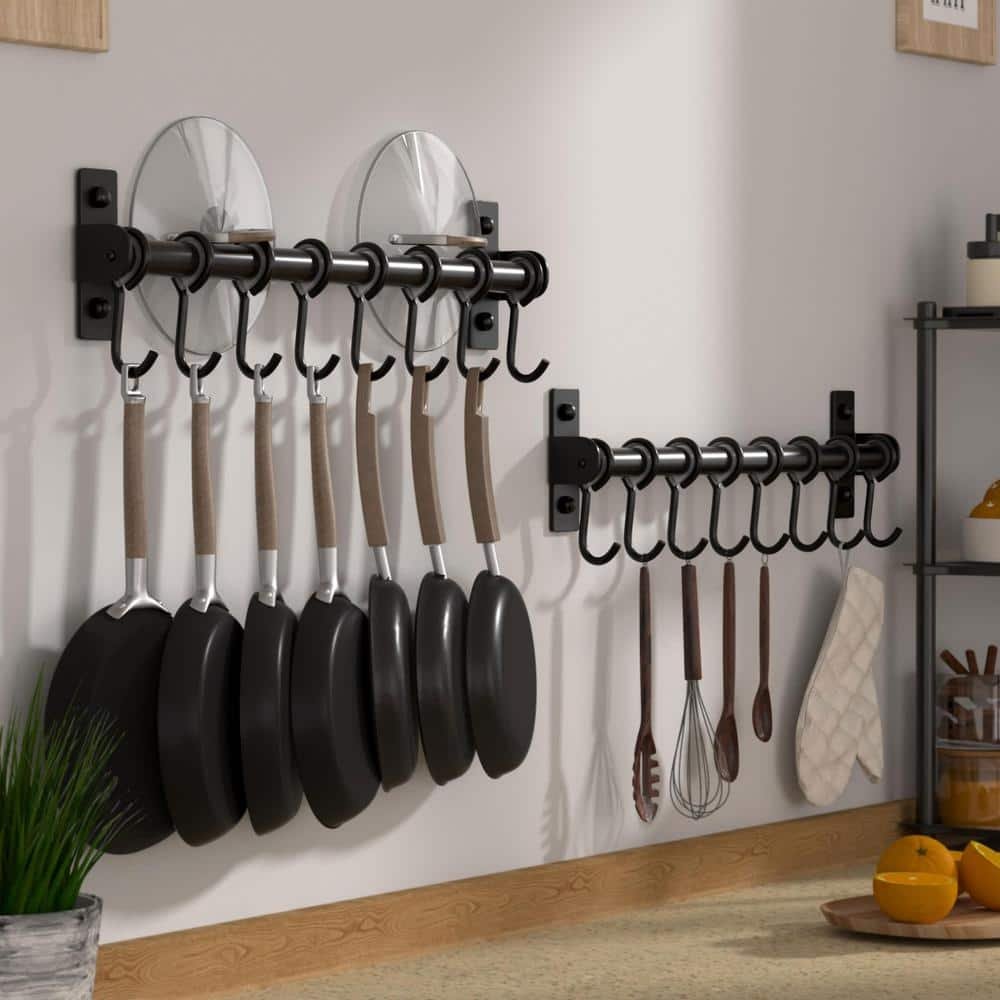
Are you tired of digging through cluttered drawers every time you need a spoon or spatula? Using wall hooks for utensils can change the way you organize your kitchen.
Imagine having your most-used tools right within reach, saving you time and making cooking more enjoyable. You’ll discover simple and effective ways to use wall hooks that will transform your kitchen space. Keep reading to learn how a small change can make a big difference in your daily routine.
Credit: www.amazon.ae
Choosing The Right Wall Hooks
Wall hooks are a smart way to organize kitchen utensils. Picking the right hooks can make your kitchen tidy and efficient. Consider the type, material, and weight capacity of the hooks.
Understanding these factors will help you make the best choice for your kitchen needs.
Types Of Wall Hooks
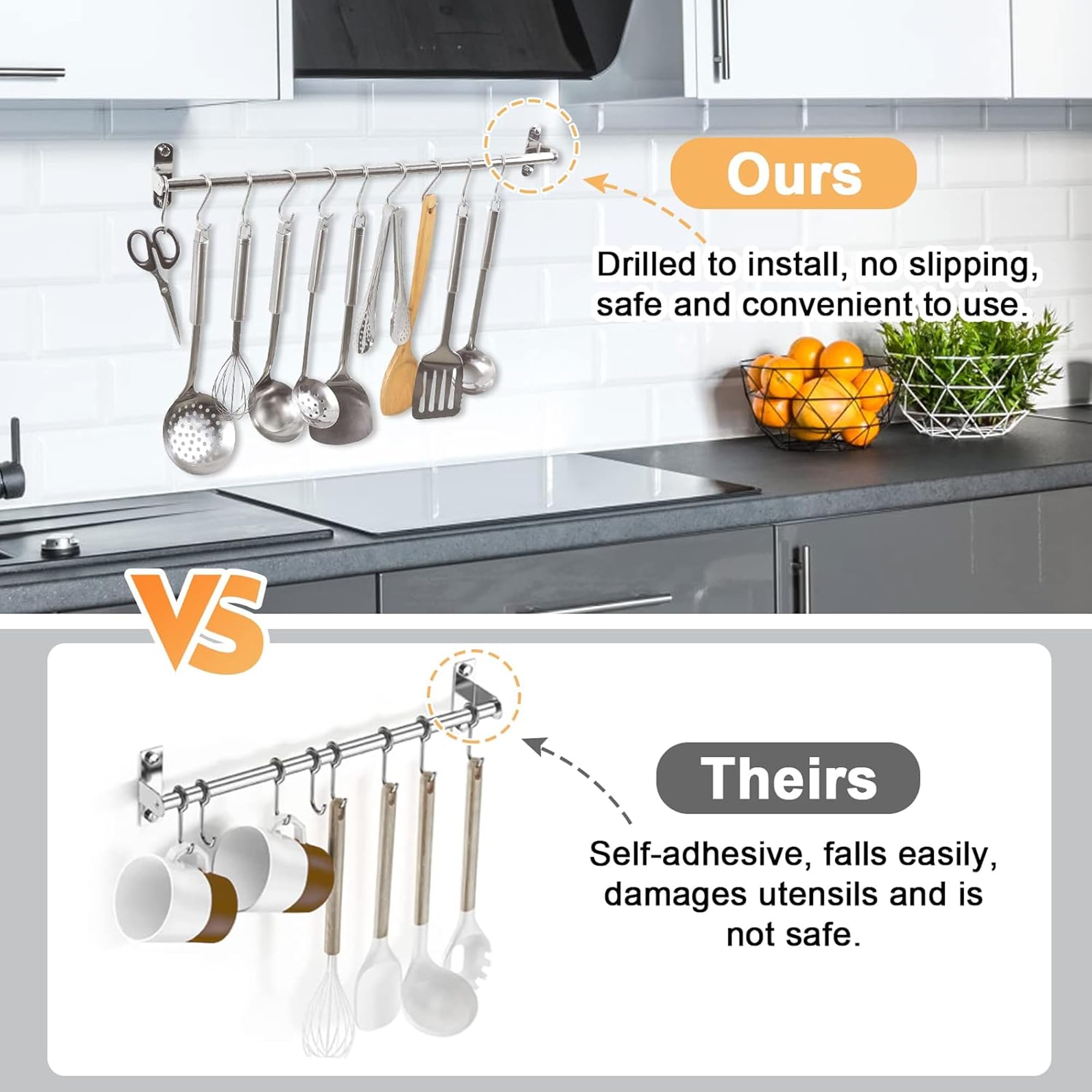
Wall hooks come in different types. Each type serves a unique purpose. Some hooks are adhesive, while others need screws.
- Adhesive hooks are easy to install.
- Screw-in hooks are more secure.
- Magnetic hooks work on metal surfaces.
Material And Durability
The material of a wall hook affects its durability. Metal hooks are strong and last long. Plastic hooks are lightweight but may break easily.
Choose hooks made from materials that suit your kitchen environment and usage needs.
Weight Capacity Considerations
Weight capacity is crucial when choosing wall hooks. Hooks must hold the weight of your utensils without falling.
Check the weight limit of each hook. Heavy-duty hooks are best for large pans and pots.

Credit: www.amazon.co.uk
Ideal Locations For Kitchen Hooks
Wall hooks are simple tools to organize kitchen utensils. Choosing the right spot helps keep your kitchen tidy and tools easy to find.
Using hooks well saves space and makes cooking smoother. Focus on places you use most for hanging utensils.
Near The Cooking Area
Place hooks close to your stove or cooking surface. This keeps spoons, spatulas, and ladles within arm’s reach.
Hanging utensils here saves time and keeps counters clear while you cook.
- Mount hooks on the backsplash or nearby wall
- Use heat-resistant hooks to avoid damage
- Keep frequently used tools easily accessible
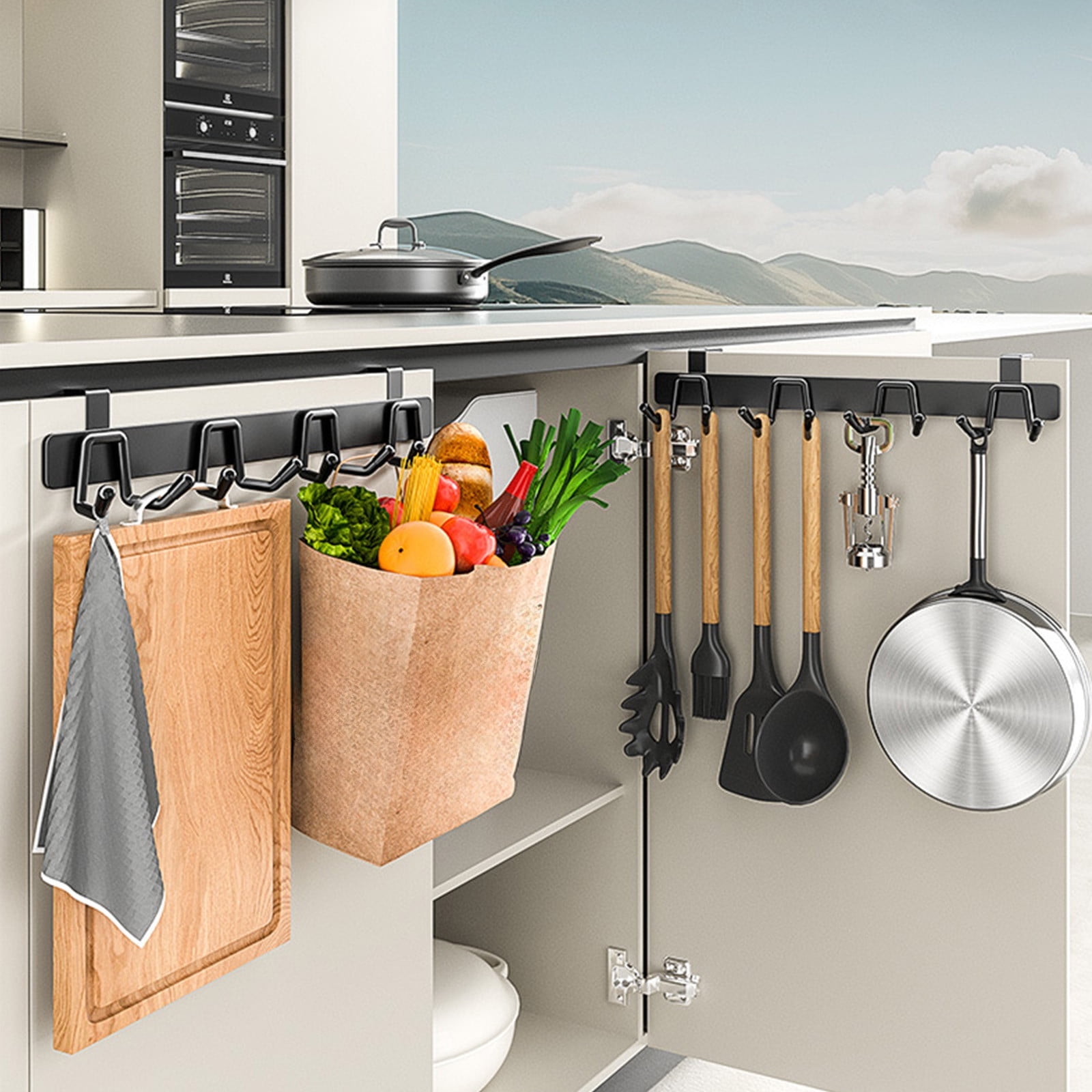
Inside Cabinets And Pantry Doors
Hooks inside cabinet or pantry doors hide utensils out of sight. This keeps your kitchen looking neat.
Use these spots for items you do not use daily but want close by.
- Stick adhesive hooks on the inside of doors
- Hang measuring spoons, small strainers, or brushes
- Keep items organized without taking up shelf space
Utilizing Vertical Wall Space
Vertical wall space is often unused in kitchens. Installing hooks here adds extra storage without clutter.
Hang long utensils or pots and pans vertically to save counter and cabinet space.
- Use tall walls or empty corners
- Install multiple hooks in rows for better use
- Keep heavy items on strong, sturdy hooks
Installation Tips
Wall hooks help keep utensils organized and easy to reach. Installing them correctly makes your kitchen neat and safe.
Follow these tips to install your wall hooks properly and avoid damage or accidents.
Measuring And Spacing
Measure the wall space before placing hooks. Plan enough space between hooks for each utensil.
Spacing too close makes it hard to hang items. Too far wastes wall space.
- Measure the width and height of your utensil area
- Leave at least 3 inches between hooks
- Consider the size of your largest utensils
- Mark spots lightly with a pencil
Tools Needed
Gather the right tools to install hooks safely and quickly. Using proper tools helps secure the hooks firmly.
- Measuring tape
- Pencil for marking
- Level to keep hooks straight
- Drill or screwdriver
- Wall anchors (if needed)
- Hammer (for anchors)
Securing Hooks Safely
Check the wall type before securing hooks. Different walls need different anchors or screws.
Use anchors in drywall to hold hooks firmly. Tighten screws but avoid over-tightening to prevent damage.
- Use a stud finder to locate wall studs if possible
- Drill pilot holes for easier screw insertion
- Insert wall anchors for drywall or plaster walls
- Screw hooks securely but do not strip the screws
- Test the hook’s strength before hanging utensils
Organizing Utensils Effectively
Wall hooks are a simple way to keep your kitchen tidy. They help you save space and find utensils fast.
Using wall hooks well can make cooking easier and your kitchen look neat. Let’s explore some smart ideas.
Grouping By Usage
Group utensils by how you use them. This keeps tools you need together and easy to reach.
For example, hang all cooking spoons near the stove. Keep baking tools like whisks and spatulas in one spot.
- Place frequently used tools at eye level
- Group similar utensils for quick access
- Separate cutting tools for safety
Using Multi-hook Racks
Multi-hook racks hold many utensils on one board. They save wall space and keep items organized.
Choose racks with hooks spaced well apart. This prevents utensils from overlapping and makes each easy to grab.
- Install racks near food prep areas
- Use sturdy racks for heavy tools
- Arrange hooks by utensil size and type
Incorporating Magnetic Strips
Magnetic strips are great for metal utensils like knives and tongs. They keep tools visible and off counters.
Attach magnetic strips to the wall in safe spots. Make sure magnets hold utensils firmly to avoid falls.
- Use strips for sharp or heavy tools
- Place strips away from children’s reach
- Keep strips clean to maintain grip strength
Creative Space-saving Ideas
Wall hooks are a smart way to save space in your kitchen. They keep utensils within reach and clear up drawers.
You can place hooks in many spots to make your kitchen more organized. This helps you use your space better.
Hooks Inside Drawer Fronts
Install hooks on the inside of drawer fronts to hang small utensils. This keeps them hidden but easy to grab.
This idea saves counter space and helps keep your kitchen neat. It works well for spoons, measuring cups, and small tools.
- Attach adhesive or screw-in hooks inside drawers
- Hang lightweight utensils to avoid drawer damage
- Use different hook sizes for various tools
Over-the-sink Hooks
Hooks placed over the sink area use unused space well. You can hang frequently used utensils here for quick access.
This keeps your counters clear and utensils dry fast. It is ideal for spatulas, brushes, and strainers.
- Choose rust-resistant hooks for wet areas
- Install a rod or rail above the sink
- Hang utensils with holes or loops
Hooks On Appliance Sides
Use the sides of appliances like refrigerators or dishwashers for hanging utensils. This spot is often empty and handy.
Hooks here keep tools visible but off counters. It works well for oven mitts, ladles, and small pans.
- Use magnetic hooks for metal appliance surfaces
- Stick adhesive hooks on non-metal sides
- Hang items you use daily for easy reach
Credit: www.walmart.com
Maintenance And Safety
Using wall hooks for utensils keeps your kitchen organized. Proper care helps them last longer.
Safety is important to avoid accidents. Regular checks keep hooks and utensils safe to use.
Regular Hook Inspection
Check your wall hooks often. Look for loose screws or bent hooks.
Fix any problems quickly to stop hooks from falling. Replace hooks if they show damage.
Cleaning Hooks And Utensils
Keep hooks and utensils clean to prevent dirt and rust. Use mild soap and water for cleaning.
Dry hooks well after washing. This stops rust and keeps your kitchen safe and tidy.
Avoiding Overloading
Do not hang too many utensils on one hook. Overloading can cause hooks to break or fall.
Use multiple hooks for heavy or large utensils. Spread the weight evenly to keep hooks secure.
- Check the hook’s weight limit before use
- Hang only lightweight or small utensils per hook
- Distribute utensils across several hooks
Frequently Asked Questions
What Types Of Wall Hooks Work Best For Utensils?
Metal or sturdy plastic hooks with a curved design work best for utensils. They hold weight well and prevent slipping. Choose hooks that match your kitchen style and can support the utensils you plan to hang.
How Do I Install Wall Hooks For Kitchen Utensils?
Use a drill or adhesive strips depending on your wall type. Measure and mark spots evenly for balance. Secure hooks firmly to avoid falling utensils. Follow manufacturer instructions for best results.
Can Wall Hooks Save Kitchen Counter Space?
Yes, wall hooks free up counter space by hanging utensils vertically. This keeps your kitchen organized and utensils easily accessible. It also reduces clutter, making cooking more efficient and enjoyable.
Are Wall Hooks Safe For Heavy Kitchen Utensils?
Heavy-duty metal wall hooks are safe for heavier utensils like ladles and spatulas. Ensure hooks are securely mounted into studs or use strong anchors. Always check weight limits before hanging to avoid accidents.
Conclusion
Wall hooks make utensil storage simple and neat. They save space and keep tools easy to find. Using hooks helps your kitchen stay clean and organized. Choose strong hooks that fit your utensils well. Place them where you cook often for quick access.
Small changes like this improve daily cooking tasks. Try wall hooks to bring order and ease to your kitchen. Simple, practical, and effective.