
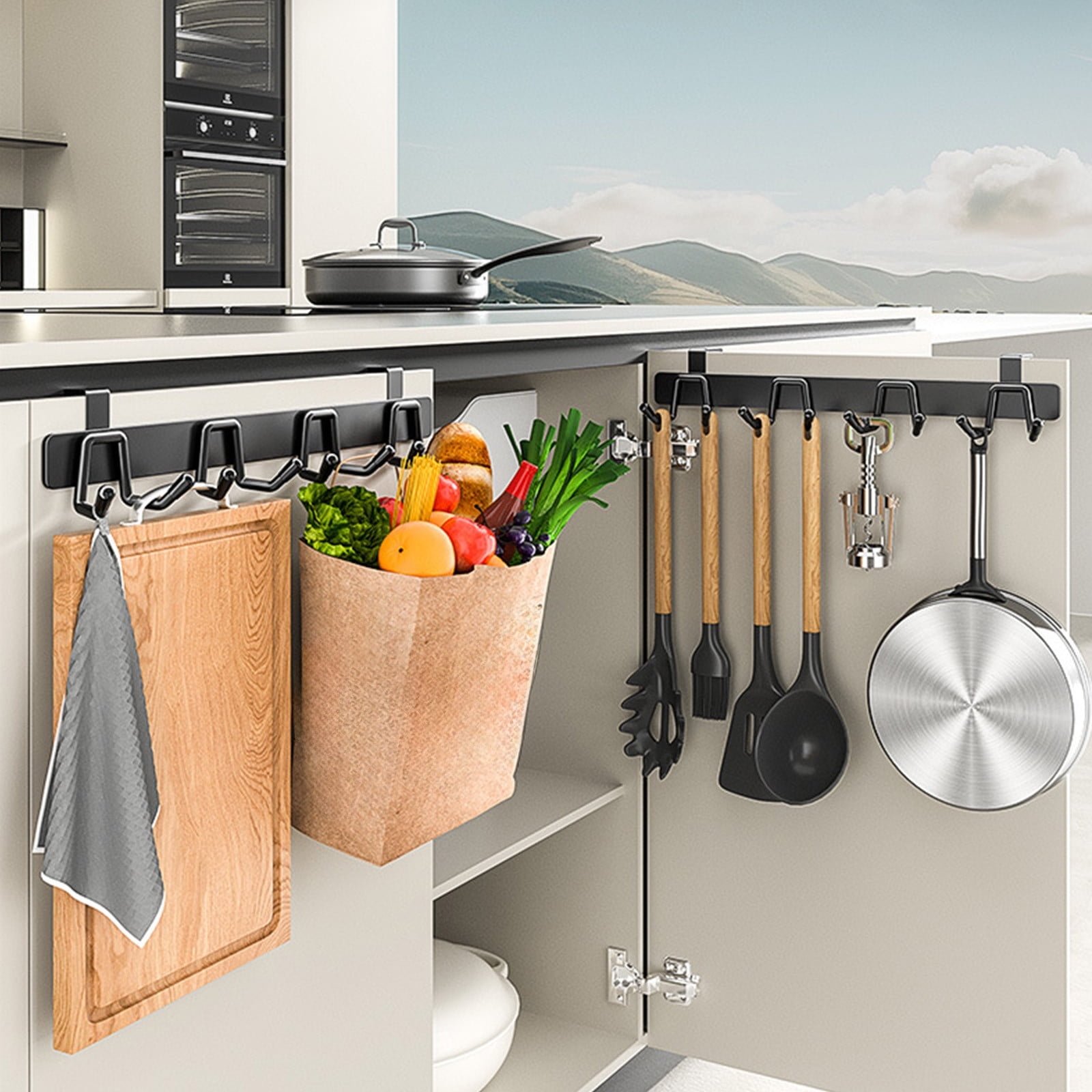
Are you tired of cluttered kitchen drawers and searching endlessly for your favorite utensils? Imagine having all your cooking tools within easy reach, neatly organized, and saving you time every day.
Using wall hooks for utensils is a simple, smart way to transform your kitchen space. You’ll discover how to choose the right hooks, where to place them, and creative ideas to keep your utensils tidy and accessible. Keep reading, and you’ll learn how to make your kitchen work better for you.
Benefits Of Wall Hooks In Kitchens
Wall hooks are simple tools that help keep kitchen utensils organized. They offer many benefits for a neat and efficient kitchen space.
Using wall hooks saves space and makes items easier to reach. This can improve your cooking experience every day.
Saving Counter And Drawer Space
Wall hooks free up counters and drawers by holding utensils on the wall. This keeps your kitchen less crowded.
More free space means you can work comfortably without moving things around too much.
- Keep counters clear for food prep
- Store utensils without cluttering drawers
- Use vertical space efficiently
Enhancing Kitchen Organization
Wall hooks help group similar utensils together. This makes it easy to find what you need fast.
You can arrange hooks by type or size, which creates a neat and tidy look in your kitchen.
- Organize spoons, spatulas, and whisks separately
- Keep frequently used items visible and ready
- Reduce drawer mess and utensil searching time
Improving Accessibility
Wall hooks place utensils within easy reach. You do not have to open drawers or cabinets to find tools.
This quick access saves time and makes cooking smoother, especially during busy meal preparation.
- Hang utensils at eye level
- Grab tools quickly without searching
- Make kitchen tasks faster and easier

Credit: www.amazon.com.au
Choosing The Right Wall Hooks
Wall hooks help keep your kitchen organized by holding utensils neatly. Picking the right hooks makes sure they last and hold your tools safely.
Look at the materials, size, and style of hooks before you buy. This guide covers what to check for each part.
Materials And Durability
Choose wall hooks made from strong materials that resist rust and damage. Metal hooks like stainless steel and brass are good for humid kitchens. Plastic hooks can work but may break easily.
- Stainless steel: rustproof and very strong
- Brass: durable and adds style
- Plastic: cheap but less durable
- Wood: looks nice but can wear out with moisture
Size And Weight Capacity
Pick hooks sized for your utensils. Small hooks fit light tools like spoons. Large hooks hold heavy items like pans. Check the weight limit before installing hooks.
| Hook Size | Best For | Weight Capacity |
| Small (1-2 inches) | Light utensils | Up to 2 lbs |
| Medium (2-3 inches) | Kitchen tools | 2 to 5 lbs |
| Large (3+ inches) | Pots and pans | 5+ lbs |
Styles And Finishes
Choose hooks with styles and finishes that match your kitchen decor. Some finishes resist stains and fingerprints better than others.
- Matte black: modern and hides dirt
- Polished chrome: shiny and easy to clean
- Brushed nickel: hides scratches
- Wood finish: warm and natural look
Best Locations For Wall Hooks
Wall hooks are useful for keeping utensils within reach. Choosing the right spots helps keep your kitchen tidy.
This guide shows the best places to place wall hooks for your kitchen utensils.
Near Cooking Areas
Placing hooks close to cooking zones makes tools easy to grab while cooking. Pots, pans, and spatulas work well here.
- Next to the stove or cooktop
- On the backsplash area
- Near the oven door
- On a side wall close to the cooking range
Inside Cabinet Doors
Hooks inside cabinet doors use hidden space. They keep utensils out of sight but easy to access.
| Cabinet Type | Best Utensils to Hang | Tip |
| Upper Cabinets | Measuring spoons, small ladles | Use lightweight hooks to avoid door damage |
| Lower Cabinets | Pot lids, large spatulas | Choose sturdy hooks for heavier items |
Above The Sink
Hooks above the sink keep utensils handy for washing and drying. Items dry faster when hung here.
- Hang dish brushes and scrubbers
- Place hooks for small colanders or strainers
- Use moisture-resistant hooks to prevent rust
Credit: www.amazon.ae
Types Of Utensils To Hang
Wall hooks help keep your kitchen organized and tidy. You can hang many types of utensils on them.
Choosing the right utensils to hang will make your cooking easier and save space.
Commonly Used Tools
Common kitchen tools like spatulas, ladles, and whisks work well on wall hooks. They are easy to reach and store.
- Spatulas for flipping and stirring
- Ladles for serving soups and sauces
- Whisks for mixing ingredients
- Tongs for grabbing hot food
- Slotted spoons for draining liquids
Heavy Vs. Light Utensils
Heavy utensils need strong hooks that hold weight without falling. Light utensils fit smaller hooks easily.
Make sure to use sturdy hooks for pots, pans, and cast iron tools. Lighter hooks are fine for plastic or wooden spoons.
- Heavy utensils: pots, pans, cast iron skillets
- Light utensils: wooden spoons, plastic spatulas, measuring cups
- Use metal hooks for heavy tools
- Use smaller hooks for light tools
Specialty Kitchen Gadgets
Special gadgets like peelers, garlic presses, and zesters also hang well on wall hooks. They keep your counters clear.
Organize these tools by size or use to find them quickly when cooking or baking.
- Peelers for fruits and vegetables
- Garlic presses for minced garlic
- Zesters for citrus fruits
- Meat tenderizers and small strainers
- Kitchen shears and bottle openers
Installation Tips
Using wall hooks for utensils keeps your kitchen organized and utensils easy to reach. Proper installation ensures the hooks hold well and last long. Follow these tips for a secure and neat setup.
Focus on preparing the surface, spacing hooks correctly, and choosing the right mounting method. These steps help avoid damage and improve usability.
Surface Preparation
Clean and dry the wall before placing hooks. Dirt or moisture can stop adhesive from sticking well. For painted walls, avoid rough cleaning that can peel paint.
Check the wall material. Some surfaces like tile or glass need special care or tools for mounting. Use a soft cloth and mild cleaner for best results.
Proper Spacing
Space hooks to fit utensils comfortably without crowding. Too close hooks make hanging and removing items hard. Too far apart wastes wall space.
- Measure the length of your utensils
- Leave at least 2 inches between hooks
- Arrange hooks in a straight line or grid for neatness
- Consider the weight of utensils when spacing
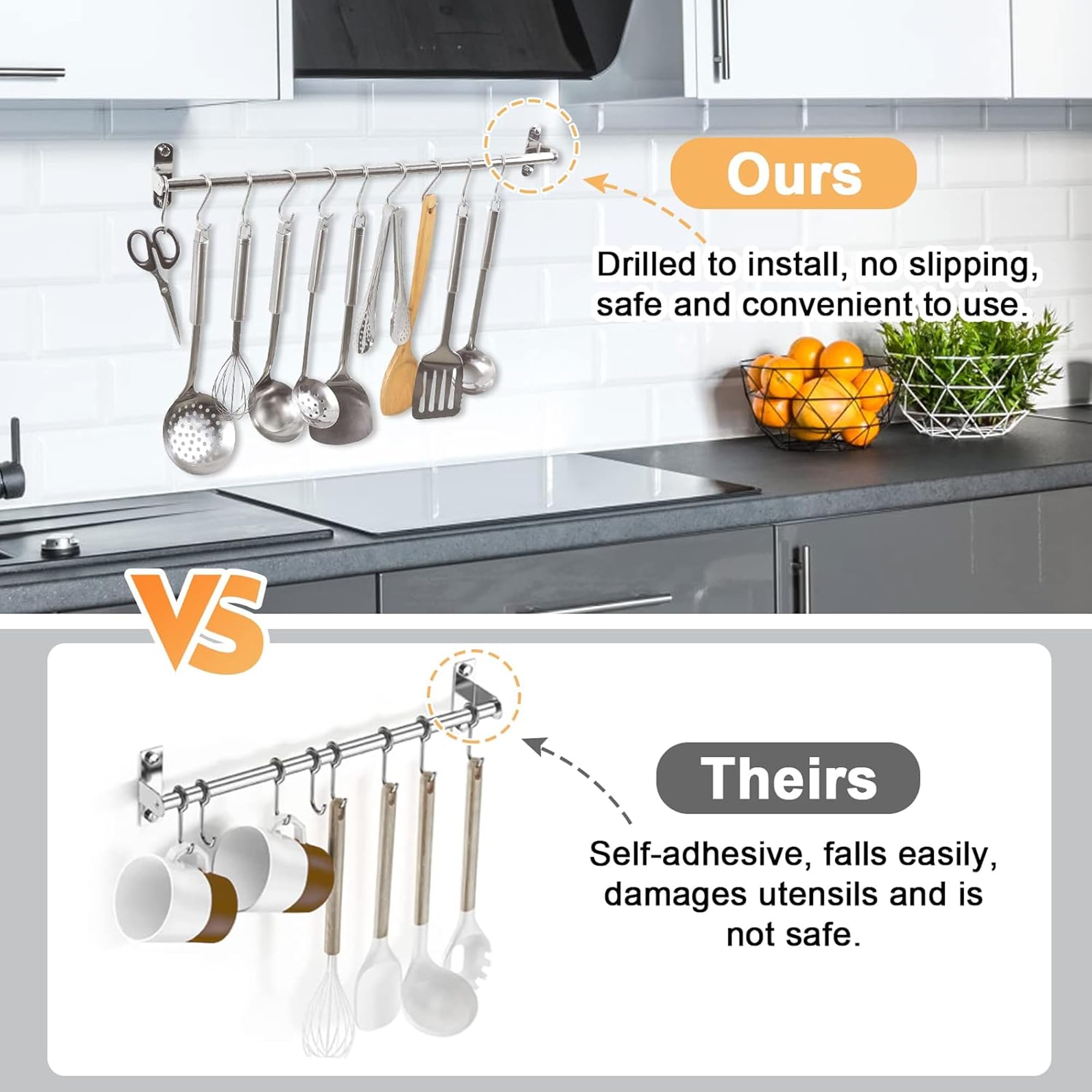
Using Adhesive Vs. Screws
| Mounting Method | Best For | Pros | Cons |
| Adhesive Hooks | Smooth, clean surfaces; light utensils | No drilling; easy to remove; no wall damage | Less weight support; may fail on rough surfaces |
| Screws | Drywall, wood, or studs; heavy utensils | Strong hold; supports more weight; durable | Requires tools; leaves holes; takes more time |
Choose adhesive hooks for quick, damage-free use. Pick screws for heavy items or long-term use. Always follow manufacturer instructions for best results.
Creative Wall Hook Arrangements
Wall hooks offer a simple way to organize your kitchen utensils. You can save space and keep tools within reach. Creative arrangements make your kitchen both functional and neat.
Try different layouts to find what fits your style and needs. Using hooks cleverly can turn your wall into a useful storage area.
Grouping Similar Utensils
Arrange hooks to group similar utensils together. This helps you find what you need quickly. Keep spatulas, ladles, and whisks in separate clusters. It also creates a clean look on your wall.
- Group by utensil type for easy access
- Use matching hooks to unify each group
- Place frequently used items at eye level
- Keep sharp tools in a separate area for safety
Using Multiple Rows
Using several rows of hooks can maximize wall space. Hang longer utensils on the top row and smaller ones below. This layered look keeps everything visible and reachable.
| Row | Utensil Type | Benefits |
| Top | Long spoons, spatulas | Easy to grab, saves space |
| Middle | Whisks, tongs | Accessible and organized |
| Bottom | Measuring cups, small tools | Keeps small items tidy |
Incorporating Magnetic Strips
Magnetic strips work well with wall hooks to hold metal utensils. They add a modern touch and save hook space. You can hang knives, metal spatulas, and scissors on the strip.
Magnetic Strip Tips
- Place strip near hooks for easy mixing
- Keep the strip clean to hold utensils firmly
- Use strong magnets to avoid falling tools
- Combine with hooks for non-metal items
Maintaining And Cleaning Wall Hooks
Wall hooks for utensils help keep kitchens tidy and organized. Regular care keeps them strong and looking good.
Cleaning and maintaining hooks is simple. Doing this prevents damage and makes hooks last longer.
Regular Dusting
Dust can build up on hooks and make them dirty. Use a soft cloth or duster to clean them often.
- Wipe hooks weekly with a dry cloth
- Use a damp cloth for sticky spots
- Dry hooks after cleaning to avoid moisture
Avoiding Rust And Damage
Rust can weaken metal hooks and spoil their look. Keep hooks dry and clean to stop rust from forming.
| Cause | Prevention |
| Moisture | Wipe hooks dry after cleaning or spills |
| Harsh cleaners | Use mild soap and water only |
| Heavy weight | Hang items within hook’s weight limit |
Replacing Worn Hooks
Old or broken hooks can cause utensils to fall. Replace worn hooks quickly to keep kitchen safe.
- Check hooks monthly for cracks or looseness
- Remove damaged hooks carefully
- Install new hooks firmly in the wall
- Test new hooks with light hanging first

Credit: www.amazon.co.uk
Frequently Asked Questions
How Do Wall Hooks Organize Kitchen Utensils?
Wall hooks keep kitchen utensils within easy reach and save counter space. They provide a neat display, preventing clutter. By using wall hooks, utensils are organized and visible, which enhances kitchen efficiency. This simple solution keeps your kitchen tidy and stylish.
Can Wall Hooks Hold Heavy Kitchen Utensils?
Yes, wall hooks can hold heavy utensils if properly installed. Choose hooks with high weight capacity for heavier items. Ensure they are securely mounted on a solid surface or wall stud. This ensures they can safely support pots, pans, and other heavy kitchen tools.
Are Wall Hooks Easy To Install For Utensils?
Yes, wall hooks are generally easy to install in your kitchen. Most require simple tools like a drill or screwdriver. Many come with adhesive options for renter-friendly installations. Follow the manufacturer’s instructions for best results and ensure they’re securely fixed for safety.
What Materials Are Best For Wall Hooks?
Metal and stainless steel are ideal for durable wall hooks. They support heavy utensils and resist rust. Plastic hooks are budget-friendly and suitable for lightweight utensils. Wood adds an aesthetic touch but may not hold as much weight. Choose based on your kitchen’s needs.
Conclusion
Wall hooks offer a simple way to organize utensils. They save space and keep your kitchen neat. You can hang spoons, spatulas, and more within easy reach. Choose hooks that fit your kitchen style and needs. Installation is quick and requires little effort.
Small changes like these make daily cooking easier. Try using wall hooks to keep your utensils tidy today. Enjoy a clutter-free kitchen that works for you.