
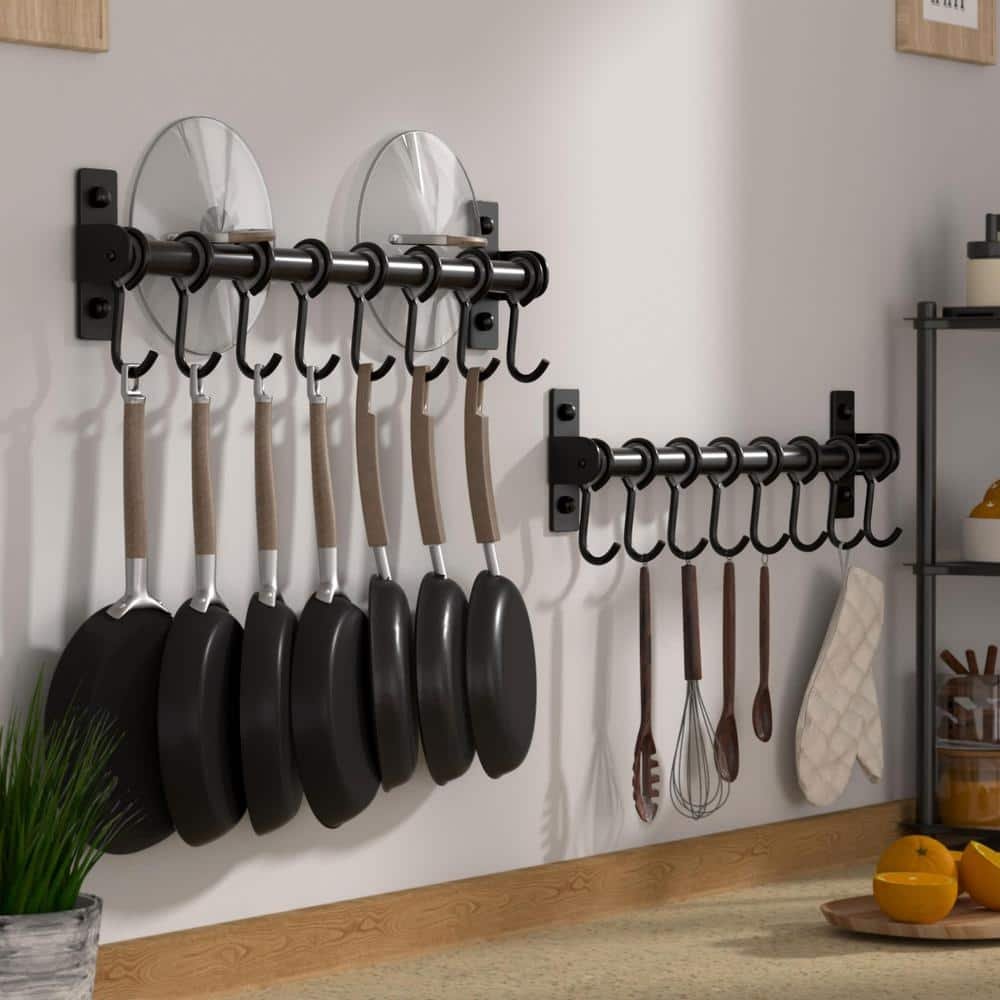
Are you tired of digging through cluttered drawers every time you need a spatula or whisk? Using wall hooks for your kitchen utensils is a simple trick that can transform your cooking space instantly.
Imagine having all your essential tools right where you need them—within arm’s reach and beautifully organized. You’ll discover easy ways to use wall hooks that save space, reduce mess, and make your kitchen more enjoyable to work in. Keep reading, and you’ll learn how a small change can make a big difference in your daily cooking routine.
Credit: www.wayfair.ca
Benefits Of Wall Hooks In The Kitchen
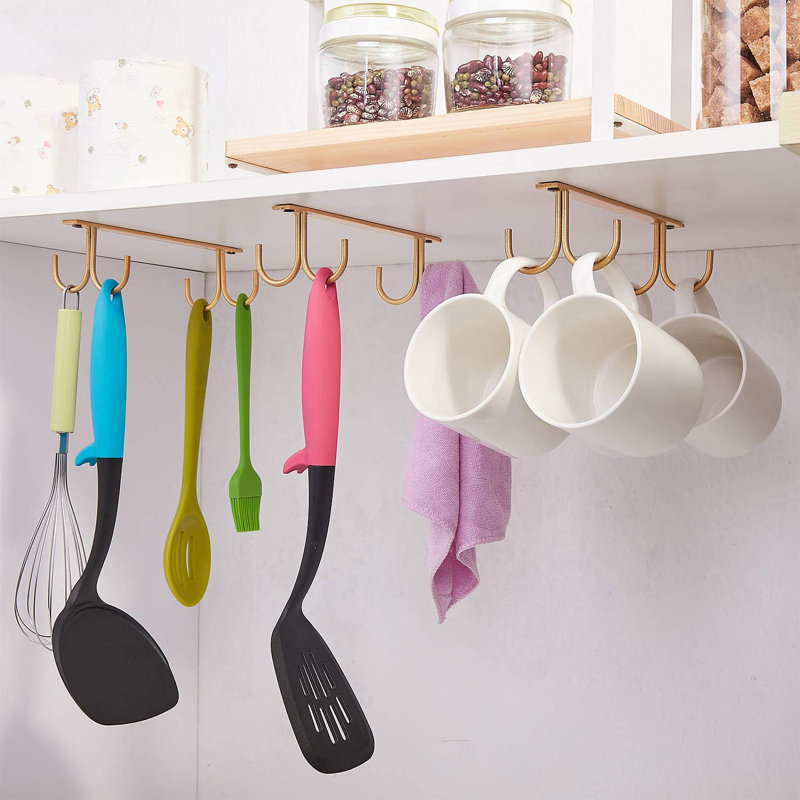
Wall hooks can transform your kitchen space. They keep utensils organized and within reach.
Using wall hooks is a simple way to enhance your kitchen’s functionality. They help save space and improve access to tools.
Space-saving Advantages
Wall hooks free up your kitchen counters. You can hang pots, pans, and utensils on the wall.
This method uses vertical space efficiently. Your kitchen looks less cluttered and more organized.
- More room on counters for food prep
- Utilizes empty wall space effectively
- Reduces the need for bulky storage
Easy Access To Utensils
Wall hooks keep your utensils within easy reach. You can quickly grab what you need while cooking.
They help you avoid searching through drawers. This makes cooking more enjoyable and less stressful.
- Quick access to frequently used items
- No more digging through cluttered drawers
- Saves time during meal preparation
Enhanced Kitchen Organization
Wall hooks contribute to a neat kitchen environment. They help categorize and separate different utensils.
This system makes it easy to find and store items. It improves the overall look and feel of your kitchen.
- Keeps similar utensils grouped together
- Reduces visual clutter in the kitchen
- Improves kitchen workflow and efficiency
Types Of Wall Hooks Suitable For Kitchens
Wall hooks help keep kitchen utensils organized and easy to reach. They save counter space and make cooking more efficient.
Different types of wall hooks fit various kitchen needs. Choose hooks based on weight, surface, and style.
Adhesive Hooks
Adhesive hooks stick to smooth surfaces without drilling holes. They are easy to install and remove.
These hooks work well for light utensils like spatulas and measuring spoons. Clean the surface before applying.
- Best for renters or temporary setups
- Do not hold very heavy items
- Leave little or no damage when removed
Screw-in Hooks
Screw-in hooks are strong and hold heavy utensils securely. They require drilling into the wall or cabinet.
These hooks are perfect for pots, pans, and large kitchen tools. Choose stainless steel or coated hooks to avoid rust.
- Offer strong support for heavy items
- Permanent installation with screws
- Best for long-term kitchen organization
Magnetic Hooks
Magnetic hooks attach to metal surfaces like refrigerators or metal racks. They hold utensils with metal parts.
These hooks are easy to move and adjust. They are good for small tools like knives and scissors.
- Quick to reposition without damage
- Works only on magnetic surfaces
- Good for lightweight metal utensils
Decorative Hooks
Decorative hooks add style while holding utensils. They come in various shapes, colors, and materials.
These hooks fit well in kitchens where design matters. Choose hooks that match your kitchen theme.
- Combine function with aesthetic appeal
- Available in wood, metal, ceramic, and plastic
- Good for light to medium weight utensils
Choosing The Right Wall Hooks
Wall hooks help keep kitchen utensils organized and easy to reach. Picking the right hooks makes your kitchen neat and safe.
Think about what you will hang and where. The right hooks hold your items well and fit your kitchen style.
Weight Capacity Considerations
Check the weight your hooks can hold. Heavy utensils need stronger hooks to avoid falling or damage.
Choose hooks that support more weight than your heaviest item. This keeps everything safe and steady.
- Light hooks are good for small tools like peelers
- Medium hooks work for spatulas and ladles
- Heavy-duty hooks hold pots and pans
Material And Finish Options
Wall hooks come in many materials. Pick one that lasts and fits your kitchen look.
Metal hooks are strong and easy to clean. Wood adds warmth but may need care. Plastic hooks are light and budget-friendly.
- Stainless steel resists rust in humid kitchens
- Wood hooks offer a natural style
- Plastic hooks come in many colors
- Matte finishes hide fingerprints
- Shiny finishes add brightness
Placement And Accessibility
Put hooks where you can reach utensils easily while cooking. Avoid placing them too high or too low.
Group similar items together. This saves time and keeps your kitchen tidy.
- Near the stove for cooking tools
- Close to prep areas for knives and spoons
- Leave enough space between hooks for large utensils
- Install at a comfortable height for all users
Credit: www.walmart.com
Installing Wall Hooks Safely
Using wall hooks for kitchen utensils keeps your space neat. You must install them safely to avoid accidents.
Proper installation helps hooks hold utensils firmly. Follow simple steps to protect your walls and kitchen tools.
Tools Required
Gathering the right tools makes installation easier. You will need a few common tools to start.
- Electric drill or screwdriver
- Wall anchors or screws
- Measuring tape
- Level tool
- Pencil for marking
- Stud finder (optional)
- Protective gloves (optional)
Step-by-step Installation Guide
Follow these steps to install wall hooks for your kitchen utensils safely and securely.
- Use the stud finder to locate wall studs for stronger support.
- Mark the hook positions with a pencil and check with the level tool.
- Drill pilot holes if using screws or anchors.
- Insert wall anchors if the hook is not on a stud.
- Attach the hooks using screws and tighten with a screwdriver or drill.
- Check that hooks are firm and level before hanging utensils.
Avoiding Wall Damage
Protect your walls by using proper tools and techniques during installation. This prevents holes and cracks.
- Find studs to hold heavy utensils and avoid anchors on drywall alone.
- Use wall anchors designed for your wall type (drywall, tile, or plaster).
- Drill small pilot holes to prevent wall cracking.
- Do not over-tighten screws to avoid stripping the wall.
- Use a level to prevent uneven hook placement, which can cause stress on the wall.
Creative Ways To Hang Kitchen Utensils
Wall hooks help keep kitchen utensils neat and easy to find. They save space and add style.
You can hang utensils in smart ways to make cooking faster and your kitchen look great.
Grouping By Function
Group utensils by their use to find them quickly. Keep spoons, spatulas, and whisks in separate areas.
This way, you grab the right tool without searching or making a mess.
- Hang measuring spoons together
- Place cooking spoons in one row
- Keep baking tools in one section
Using Multiple Hook Rows
Use several rows of hooks to separate utensils by size or type. This keeps the wall organized.
Top rows can hold smaller items and lower rows can hold heavier or larger utensils.
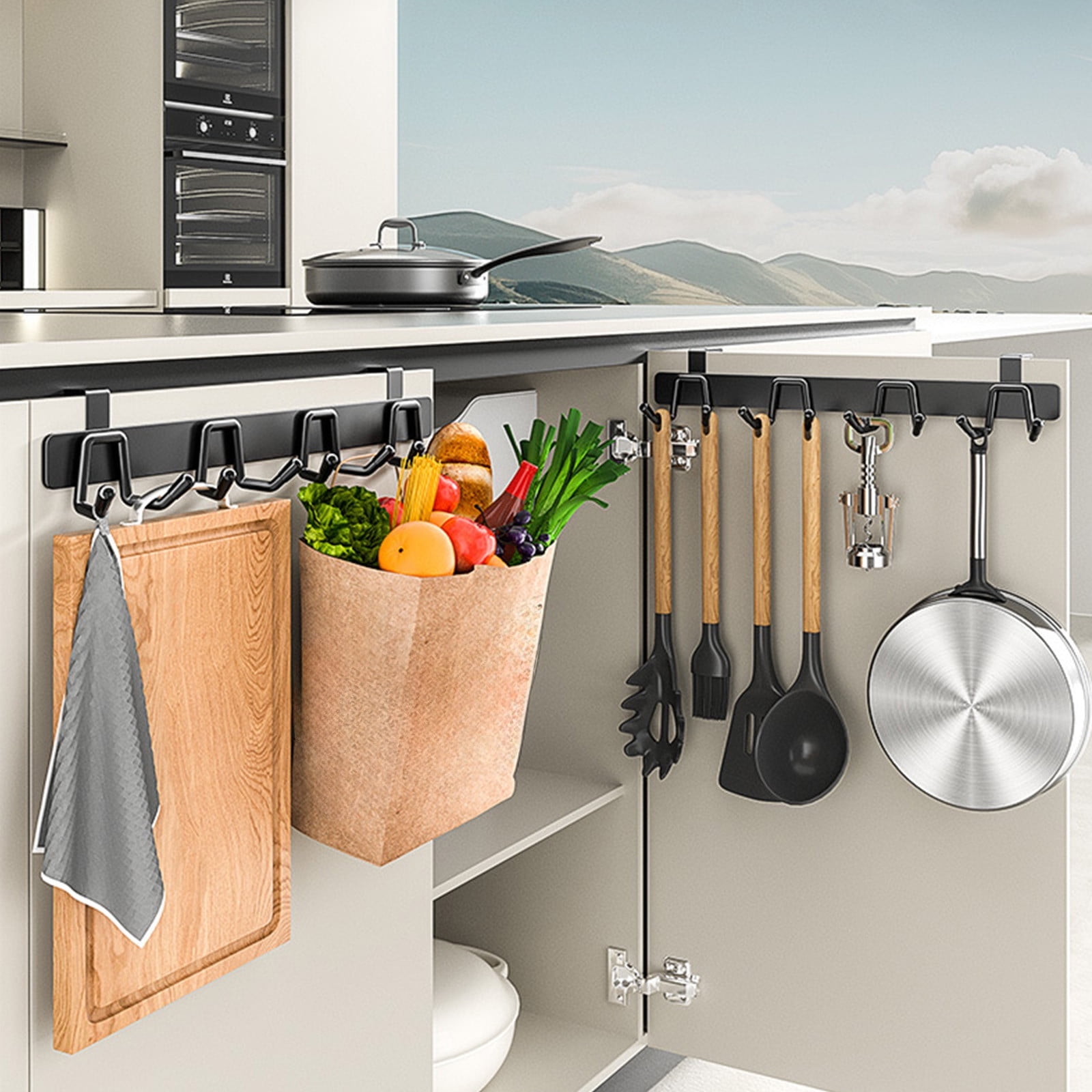
- Top row: small tools like peelers and bottle openers
- Middle row: medium tools like ladles and spatulas
- Bottom row: large tools like pans or cutting boards
Incorporating Other Storage Accessories
Add shelves, magnetic strips, or small baskets with your hooks. This adds more space and function.
You can store knives on magnetic strips and small jars on shelves for spices.
- Use magnetic strips for metal knives and scissors
- Place small baskets for sponges or cloths
- Add a shelf above hooks for spice jars or cookbooks
Maintaining And Cleaning Wall Hook Areas
Wall hooks help keep kitchen utensils organized and easy to find. To keep them working well, you need to clean and maintain the area regularly.
Cleaning and checking the hooks prevents damage and keeps your kitchen neat. It also stops dirt and rust from building up.
Regular Cleaning Tips
Clean the wall hook area often to remove dust, grease, and food splashes. Use a soft cloth with mild soap and water for best results.
Dry the hooks and wall well after cleaning to avoid moisture buildup. This keeps the hooks and wall surface in good shape.
- Wipe hooks and nearby wall weekly
- Use mild soap and warm water
- Dry completely after cleaning
- Avoid harsh chemicals that damage surfaces
Checking Hook Stability
Check the hooks regularly to make sure they are secure. Loose hooks can fall and damage your utensils or wall.
Gently pull each hook to test if it is tight. If a hook moves or feels loose, tighten screws or replace it if needed.
- Test each hook monthly
- Tighten screws with a screwdriver
- Replace damaged or weak hooks
- Ensure hooks can hold the weight of utensils
Preventing Rust And Wear
Metal hooks can rust over time, especially in kitchens with moisture. Prevent rust by keeping hooks dry and clean.
Use hooks made from rust-resistant materials like stainless steel or coated metals. Apply a light coat of oil to metal hooks to protect them.
- Keep hooks dry after cleaning
- Choose rust-resistant materials
- Apply a small amount of cooking oil to metal hooks
- Replace hooks showing signs of rust or wear

Credit: www.amazon.co.uk
Frequently Asked Questions
What Types Of Wall Hooks Work Best For Kitchen Utensils?
Metal hooks with a sturdy design work best for kitchen utensils. Stainless steel or heavy-duty plastic hooks provide durability. Choose hooks with smooth edges to avoid utensil damage. Adhesive or screw-in hooks can be selected based on your wall type and utensil weight.
How Do I Install Wall Hooks Safely In The Kitchen?
Clean the wall surface before installation for better adhesion. Use a level to align hooks evenly. For heavy utensils, use screw-in hooks anchored into studs. Avoid placing hooks near heat sources or water to ensure longevity and safety.
Can Wall Hooks Hold Heavy Kitchen Utensils Securely?
Yes, wall hooks can hold heavy utensils if properly installed. Use heavy-duty hooks anchored into wall studs for maximum support. Adhesive hooks may not hold very heavy items reliably. Always check the weight rating before hanging utensils.
How To Organize Kitchen Utensils Using Wall Hooks Effectively?
Group utensils by type or frequency of use for easy access. Hang frequently used items at eye level. Use multiple hooks to separate different utensil categories. This method keeps your kitchen organized and utensils easily reachable.
Conclusion
Wall hooks keep kitchen utensils neat and easy to reach. They save space and help organize your cooking area. You can hang spoons, spatulas, and even pots. Choose hooks that fit your kitchen style and needs. Installing them is quick and does not need much effort.
Try different layouts to find what works best for you. Using wall hooks makes cooking smoother and your kitchen tidier. Small changes like this make a big difference every day. Give wall hooks a try and enjoy a clutter-free kitchen.