

Is your under-sink space a cluttered mess that makes finding what you need a daily struggle? You’re not alone.
Many people overlook this hidden area, letting it become chaotic and frustrating. But what if you could transform that cramped spot into an organized, easy-to-navigate storage zone? Using under-sink organizers is the simple secret to reclaiming your space and saving time every day.
Keep reading, and you’ll discover practical tips that make your life easier—no more digging through piles or wasting minutes searching for essentials. Your perfect, tidy under-sink setup is just a few steps away.

Credit: www.amazon.ca
Choosing The Right Organizer
Under-sink spaces can get messy fast. Using the right organizer helps keep things tidy. You want an organizer that fits well and lasts a long time.
Consider your needs before picking an organizer. Think about the size, material, and style that match your space and items.
Materials And Durability
Organizers come in many materials. Choose one that handles moisture well under the sink. It should resist rust and damage.
- Plastic is lightweight and water-resistant.
- Metal offers strength but may rust if not coated.
- Wood looks nice but can warp from moisture.
- Wire baskets allow airflow and dry quickly.
Pick materials that last longer in damp environments. This saves money and keeps your space neat.
Size And Fit
Measure your under-sink area before buying an organizer. Size matters to avoid blocking pipes or wasting space.
- Check height, width, and depth carefully.
- Leave space for plumbing and cleaning.
- Choose adjustable or stackable organizers for flexibility.
A good fit makes your organizer more useful and safer. Avoid too big or too small options.
Types Of Organizers
There are many organizer styles. Pick one based on what you store and your space layout.
- Pull-out drawers give easy access to items.
- Stackable bins save vertical space.
- Wire racks help air flow and visibility.
- Lazy Susans rotate for quick reach.
- Hooks and baskets hang on cabinet doors.
Mix types if needed. Choose what fits your items and makes cleaning simple.
Preparing The Space
Using under-sink organizers makes your storage neat and easy to access. Before installing, prepare the space carefully. This helps you find the best fit and avoid problems.
Start by clearing the area and checking for any limits. Then, take exact measurements and note plumbing parts. These steps save time and effort later.
Clearing And Cleaning
Empty everything under the sink. Remove all items so you can see the full space. Next, clean the cabinet well with soap and water. Dry it completely before adding organizers.
Measuring Dimensions
Measure the width, height, and depth of the cabinet. Write down each size. Check the door opening space too. This helps you pick organizers that fit perfectly.
- Measure the inside width from left to right
- Measure the inside height from bottom to top
- Measure the inside depth from front to back
- Note the door opening width and height
Identifying Plumbing Constraints
Look for pipes, garbage disposals, and water lines. These parts limit where you can place organizers. Mark their positions clearly to avoid blocking them.
| Plumbing Part | Location | Notes |
| Drain Pipe | Center back | Leaves less space in the middle |
| Water Supply Lines | Left and right sides | Do not block access to valves |
| Garbage Disposal | Under drain | Needs clearance for movement |
Installation Tips
Under-sink organizers help keep your space neat and easy to use. Proper installation makes sure they stay secure and last longer.
This guide covers ways to secure shelves and drawers, choose between adhesive or screws, and adjust for uneven surfaces.
Securing Shelves And Drawers
Fasten shelves and drawers tightly to avoid wobbling. Use the right tools and hardware for your cabinet type.
- Measure space before placing shelves or drawers.
- Use brackets or mounting clips if available.
- Tighten screws firmly but do not overtighten.
- Check stability by gently pressing on installed parts.
- Adjust placement if shelves or drawers tilt or move.
Using Adhesive Vs. Screws
Choose adhesive for quick setups or when drilling is not possible. Screws provide stronger hold but need more work.
| Method | Pros | Cons |
| Adhesive | Easy to apply; no holes needed | Less strong; may peel off over time |
| Screws | Very secure; long-lasting | Requires tools; may damage cabinet |
Adjusting For Uneven Surfaces
Uneven surfaces can cause instability. Use small shims or pads to level the organizer parts.
- Identify low spots by placing a level on the surface.
- Insert thin wood or plastic shims under unstable parts.
- Trim shims to fit and keep surfaces flat.
- Retest with a level to confirm evenness.
- Secure parts after leveling to prevent movement.
Organizing Items Efficiently
Under-sink organizers help keep your space neat and tidy. Using them well can save time and reduce clutter.
Organizing items efficiently makes it easier to find what you need fast. It also protects items from damage.
Grouping Similar Items
Keep similar items together to find them quickly. Group cleaning supplies, tools, or toiletries in separate areas.
This method helps prevent clutter and makes restocking easier. You know exactly where each item belongs.
- Put all sprays and bottles in one spot
- Store sponges and brushes together
- Keep extra trash bags in a separate section
Using Bins And Labels
Bins help contain small items and keep them from falling over. Choose bins that fit your space under the sink.
Label bins clearly to know what is inside without opening them. This saves time and keeps things organized.
- Use clear bins to see contents easily
- Label bins with simple words or pictures
- Group similar items inside each bin
Maximizing Vertical Space
Use the full height under the sink by adding shelves or stackable organizers. This gives you more room for items.
Hooks and hanging holders also use vertical space well. Hang gloves or small tools to free up shelf space.
- Add tiered shelves to store items at different heights
- Use adhesive hooks on cabinet doors
- Hang small baskets or pouches for extra storage
Maintenance And Upkeep
Keeping your under-sink organizers clean and well-arranged makes them last longer. Regular care helps avoid clutter and damage.
Follow simple habits to manage your storage space better. This keeps your kitchen or bathroom tidy and safe.
Regular Cleaning
Clean the organizers at least once a month. Remove all items and wipe shelves and containers with a damp cloth.
- Use mild soap and warm water for cleaning
- Dry all parts completely before replacing items
- Check for cracks or damage during cleaning
- Clean spills immediately to prevent stains
Rearranging For Seasonal Needs
Change your organizer setup based on the season. Store items you use less often in the back or higher shelves.
- Sort items by frequency of use
- Group similar items together
- Place seasonal items in easy-to-reach spots
- Label containers for quick access
Handling Moisture And Mold
Moisture under the sink can cause mold and damage your organizers. Keep the area dry and well ventilated.
| Problem | Solution |
|---|---|
| Water leaks | Fix pipes and check seals regularly |
| Condensation | Use moisture-absorbing products like silica gel |
| Mold growth | Clean with vinegar solution and dry thoroughly |
| Poor airflow | Leave cabinet doors open sometimes to air out |
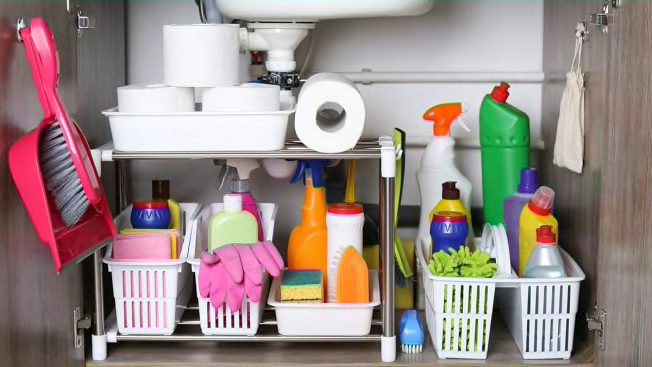
Credit: www.consumerreports.org
:max_bytes(150000):strip_icc()/spr-the-container-store-bathroom-under-sink-starter-kit-stella-yu-9-b677a23d65be496b89eaa0257dec08de.jpeg)
Credit: www.thespruce.com
Frequently Asked Questions
What Are The Benefits Of Using Under-sink Organizers?
Under-sink organizers maximize storage space and reduce clutter. They help keep cleaning supplies accessible and neatly arranged. This improves kitchen or bathroom efficiency and prevents spills or damage to stored items.
How Do I Choose The Right Under-sink Organizer?
Select an organizer based on your available space and storage needs. Consider adjustable shelves or pull-out drawers for easy access. Choose materials that resist moisture and match your room’s style.
Can Under-sink Organizers Fit Around Plumbing Pipes?
Yes, many organizers are designed to accommodate plumbing pipes. Look for adjustable or customizable options to fit your unique under-sink space. This ensures no interference with pipes while maximizing storage.
How Do I Maintain And Clean Under-sink Organizers?
Regularly wipe organizers with a damp cloth to remove dust and spills. Avoid harsh chemicals that might damage materials. Keep the area dry to prevent mold and maintain a fresh environment.
Conclusion
Organizing under-sink space transforms clutter into order. Simple solutions make a difference. Use bins, baskets, or racks for easy access. Label items for quick identification. Keep cleaning supplies in one spot. Save space with stackable containers. Regularly check and rearrange items.
This keeps everything neat. Under-sink organizers simplify daily tasks. They make your space more efficient. Try different arrangements to find what works best. Your kitchen or bathroom will feel tidy and fresh. Enjoy the newfound order and convenience. A little organization goes a long way.
Embrace these tips for a clutter-free sink area.