
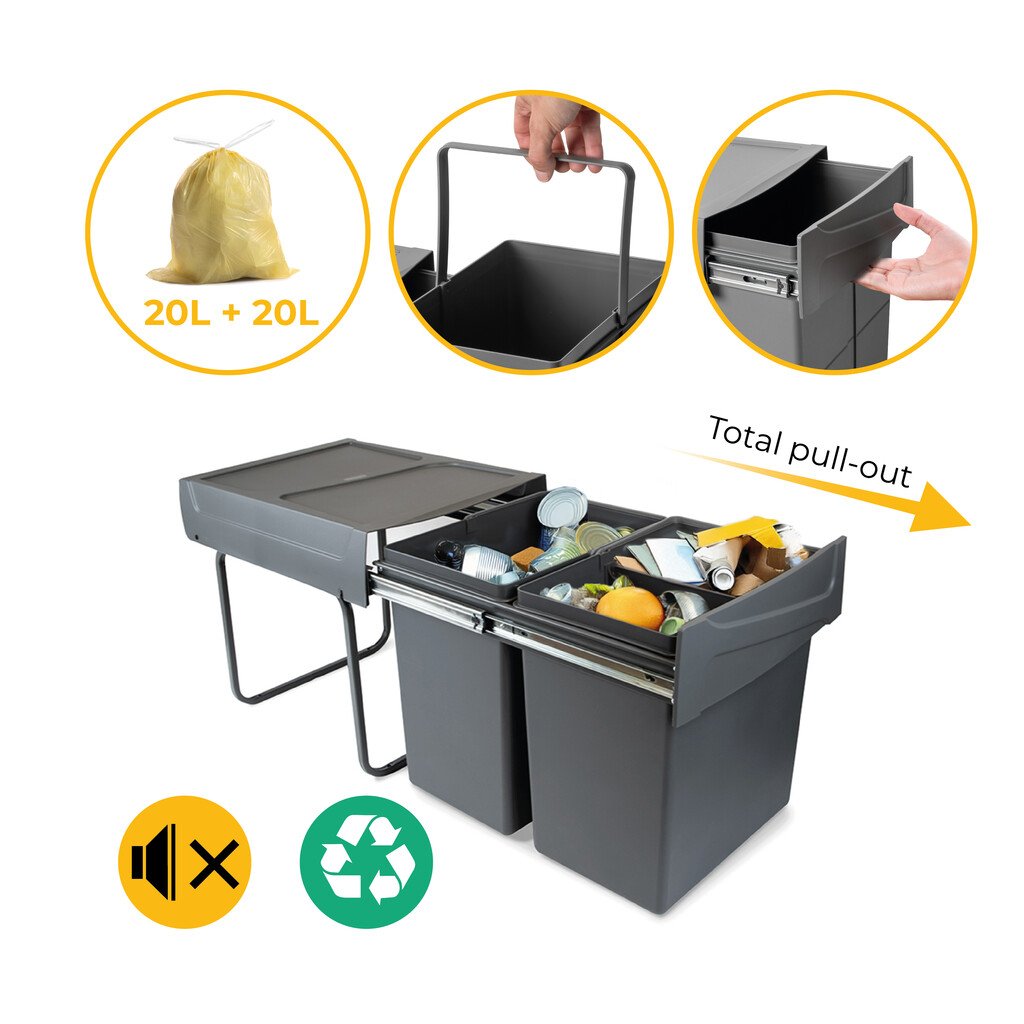
Are you tired of messy recycling bins cluttering your space? Imagine a simple way to keep your recyclables organized, easy to sort, and out of sight.
Pull-out bins could be the game-changer your home needs. You’ll discover how to use pull-out bins for recycling in a way that saves you time, reduces stress, and helps you stay eco-friendly without any hassle. Keep reading to transform your recycling routine into a smooth, efficient habit you’ll actually enjoy.
Benefits Of Pull-out Bins
Pull-out bins make recycling easier at home. They save space and help keep your kitchen tidy.
These bins also make sorting recyclables simple. You can organize waste without clutter.
Maximizing Kitchen Space
Pull-out bins fit inside cabinets. They use space that might otherwise be wasted.
This setup keeps your kitchen clean. It hides recyclables from view and frees up floor space.
- Bins fit neatly under counters
- Easy access while cooking
- No need for extra floor bins
Improving Recycling Habits
Pull-out bins simplify the recycling process. They encourage everyone at home to recycle more often.
With easy access, it becomes a habit. Families can quickly sort cans, bottles, and paper.
- Bins are easy to reach
- Label each bin for its contents
- Kids learn to recycle early
Enhancing Home Organization
These bins help organize your home. They keep recyclables separate from regular trash.
Clear organization reduces mess. It makes cleaning up faster and more efficient.
| Regular Trash | Recyclables |
| Kitchen Waste | Plastic, Paper, Metal |
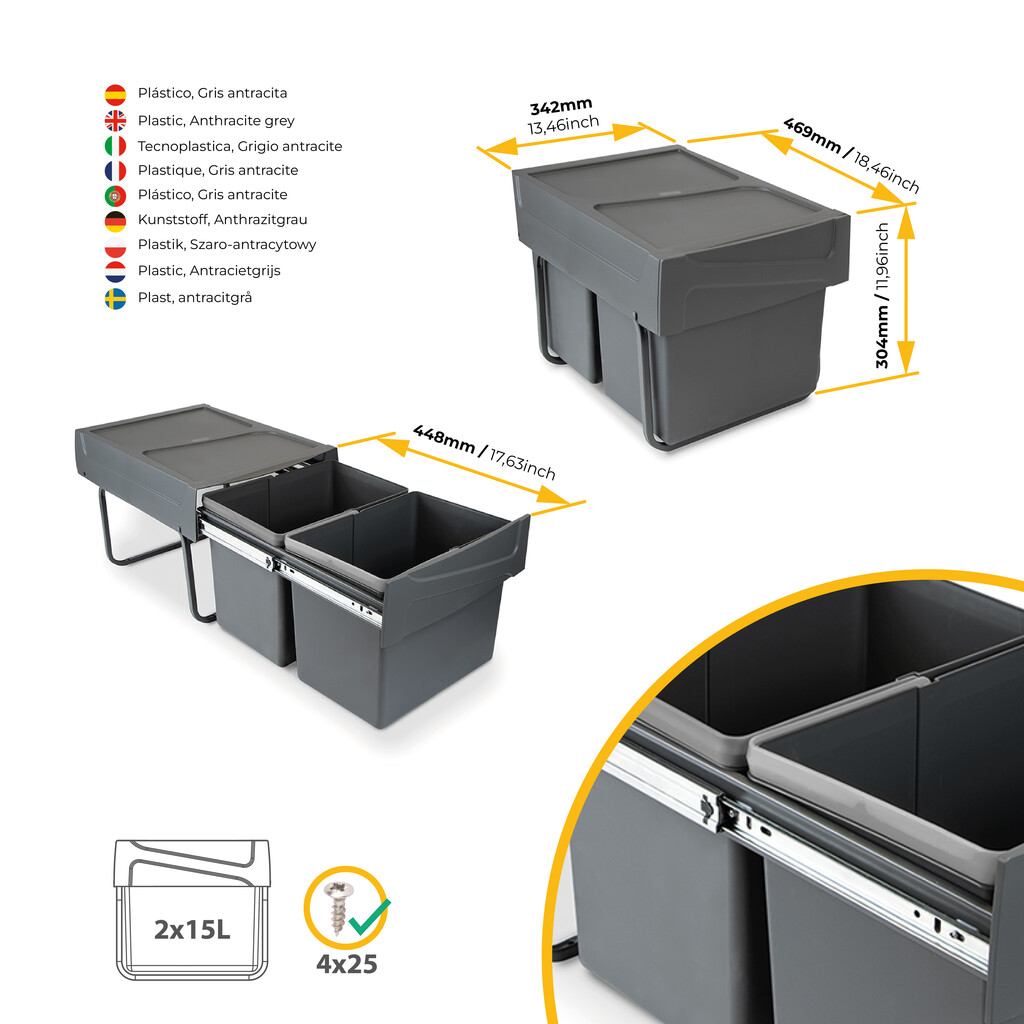
Credit: www.emuca.com
Choosing The Right Pull-out Bins
Pull-out bins help keep recycling organized and hidden. Picking the right bins makes recycling easier and cleaner.
Think about size, material, and cabinet fit before buying. These factors affect how well the bins work for you.
Size And Capacity Options
Pull-out bins come in many sizes to fit your needs. Choose a size that matches how much recycling you produce.
Look for bins that fit your kitchen space well. Too big or too small bins can cause problems with storage and use.
- Small bins suit light recycling habits
- Medium bins fit most families comfortably
- Large bins are good for heavy recycling
- Check bin dimensions before buying
Material Durability
Bins should be strong to hold heavy recycling items. Durable materials last longer and resist wear and tear.
Common materials include plastic, metal, and wood. Plastic is light and easy to clean. Metal is very strong but can rust. Wood looks nice but may need more care.
- Plastic: lightweight, easy to clean
- Metal: strong, may rust if wet
- Wood: stylish, needs more care
Compatibility With Cabinets
Bins must fit your cabinets to slide in and out smoothly. Measure your cabinet space carefully before buying.
Check if the bins come with mounting hardware. Some bins fit only certain cabinet types or sizes.
- Measure cabinet width, height, and depth
- Look for bins with adjustable fittings
- Confirm bins match your cabinet style
- Choose bins with smooth sliding mechanisms
Installing Pull-out Bins
Pull-out bins make recycling easier and keep your space tidy. They fit inside kitchen cabinets for neat storage.
Installing these bins needs careful steps to work smoothly. This guide helps you set them up correctly.
Tools And Materials Needed
Gathering the right tools and materials saves time. It also makes installation safer and easier.
- Pull-out bin kit with rails and bins
- Measuring tape
- Pencil for marking
- Power drill with drill bits
- Screwdriver (manual or electric)
- Level tool
- Screws (usually included in the kit)
- Safety gloves and glasses
Step-by-step Installation
Follow these steps to install your pull-out bins properly. Take your time for the best fit.
- Measure the cabinet width and height to fit the bin frame.
- Mark where the rails will attach inside the cabinet.
- Use the drill to make pilot holes for screws.
- Attach the rails firmly with screws.
- Slide the bin frame onto the rails carefully.
- Check the frame moves smoothly in and out.
- Place the bins into the frame.
- Test the pull-out action several times.
Common Installation Mistakes
Some errors can cause the bins to not work well. Avoid these common mistakes for smooth use.
- Not measuring cabinet space correctly
- Marking rail positions unevenly
- Skipping pilot holes before screwing
- Using wrong screw types or sizes
- Forgetting to check if rails are level
- Forcing the bin frame on rails
- Ignoring weight limits of the bins
Organizing Recycling Materials
Using pull-out bins helps keep recycling neat and easy. It saves space and makes sorting simple.
Organizing your recycling reduces waste and keeps your home cleaner. It also helps you recycle the right way.
Sorting Different Types Of Waste
Sort your recycling into groups like paper, plastic, and glass. This makes it easier to recycle correctly.
Keep each type in a separate pull-out bin. This stops materials from mixing and causing contamination.
- Paper and cardboard
- Plastic bottles and containers
- Glass jars and bottles
- Metal cans
- Organic waste (if your bins allow)
Labeling And Color Coding
Label each bin clearly to show what goes inside. Use simple words or pictures for easy reading.
Color coding bins helps everyone know where to put items fast. Choose colors that stand out and match waste types.
- Blue for paper
- Green for glass
- Yellow for plastics
- Red for metals
- Brown for organic waste
Tips For Easy Access
Place pull-out bins in a spot you use often. This helps you recycle without extra effort.
Make sure bins slide smoothly and open fully. This keeps recycling quick and avoids spills.
- Keep bins near the kitchen or main waste area
- Use bins with handles for easy pulling
- Clean bins regularly to avoid smells
- Check bins before emptying to prevent overflow
Maintaining Pull-out Bins
Pull-out bins make recycling easier at home or work. Keeping them clean and fresh helps avoid mess and odors.
Regular maintenance keeps bins working well and lasts longer. Simple care can save time and effort.
Regular Cleaning Tips
Clean your pull-out bins often to stop dirt and grime buildup. Use mild soap and warm water for best results.
Wipe down the bin frame and the sliding tracks to keep them smooth and dust-free.
- Empty the bin before cleaning
- Use a sponge or cloth with soap
- Rinse with clean water
- Dry completely before use
- Check sliding mechanism for debris
Preventing Odors
Odors come from leftover waste and moisture. Keep bins dry and clean to stop bad smells.
Use baking soda or charcoal to absorb odors inside the bins. Replace these regularly for good effect.
- Rinse bins often to remove residue
- Dry bins fully after cleaning
- Sprinkle baking soda in the bin base
- Use charcoal bags designed for odor control
- Keep lids closed to trap smells
Replacing Bin Liners
Bin liners protect the bin from spills and stains. Change liners regularly to keep bins clean.
Choose liners that fit your pull-out bins well. Avoid overfilling to prevent tears and leaks.
- Select the right size liners
- Remove liners carefully to avoid spills
- Replace liners when full or damaged
- Use biodegradable liners if possible
- Secure liners inside the bin to avoid slipping

Credit: www.reddit.com
Space-saving Tips
Pull-out bins help keep recycling organized and out of sight. Using them smartly saves kitchen space.
These tips show how to fit pull-out bins in small areas. You can keep recycling tidy without clutter.
Maximizing Cabinet Use
Choose cabinets with enough depth to hold pull-out bins fully. This lets you slide bins in and out easily.
Use the entire cabinet width by fitting multiple bins side by side. This helps separate different recyclables.
- Pick pull-out bins that fit your cabinet size well
- Install sliding tracks for smooth opening and closing
- Use adjustable dividers inside bins to sort materials
- Keep cabinet doors light for easy handling
Stacking And Nesting Techniques
Stack smaller bins on top of bigger ones to save floor space. Nest bins inside each other when empty.
This method works well for plastic or metal bins that fit inside one another. It keeps bins neat and accessible.
- Use bins with matching shapes for easy nesting
- Label bins clearly to avoid confusion
- Store rarely used bins stacked away to free space
Using Vertical Space
Install pull-out bins that slide vertically instead of horizontally. This uses the height inside cabinets well.
Add shelves above bins to hold extra recycling bags or cleaning supplies. Use wall hooks for small items.
- Choose tall cabinets for vertical pull-out bins
- Add removable shelves above the bins
- Use hooks or racks on cabinet doors
- Keep frequently used bins at eye level
Encouraging Recycling Habits
Using pull-out bins for recycling makes it easier to sort waste at home. These bins help keep recycling organized and neat.
Good recycling habits start with simple actions. Pull-out bins can motivate everyone in the house to recycle more.
Involving Family Members
Get your family involved by explaining why recycling matters. Show them how to use the pull-out bins correctly.
Make recycling a shared task. Assign each person a role to keep the bins clean and sorted.
- Teach children which items go in each bin
- Encourage adults to check bins before throwing waste
- Celebrate when everyone recycles well
Setting Up Recycling Stations
Create recycling stations using pull-out bins in kitchens or utility rooms. Place them where trash bins are usually kept.
Label each bin clearly to show what materials belong inside. This helps avoid mistakes and keeps the system simple.
- Use one bin for paper and cardboard
- Use another for plastics and metals
- Have a separate bin for glass
Tracking Recycling Progress
Track how much your family recycles each week. This helps everyone see the difference they make.
Use a simple chart or checklist near the recycling station. Update it regularly to keep the family motivated.
| Week | Recycled Paper (lbs) | Recycled Plastic (lbs) | Recycled Glass (lbs) |
|---|---|---|---|
| 1 | 5 | 3 | 2 |
| 2 | 6 | 4 | 3 |
| 3 | 7 | 5 | 3 |

Credit: www.amazon.ca
Frequently Asked Questions
What Are Pull-out Bins Used For In Recycling?
Pull-out bins provide a neat, accessible way to sort recyclables. They fit inside cabinets, saving space. Using them encourages proper waste separation and reduces contamination. They streamline recycling tasks and keep your kitchen organized and clean.
How Do Pull-out Bins Improve Recycling Efficiency?
Pull-out bins make sorting recyclables quick and easy. Their design allows easy access and separate compartments for different materials. This reduces confusion and speeds up the recycling process. It also encourages consistent recycling habits at home.
Can Pull-out Bins Fit In Small Kitchen Spaces?
Yes, pull-out bins are ideal for small kitchens. They fit inside cabinets, utilizing unused space efficiently. Compact designs allow multiple bins to fit in tight spots. This helps maintain a clutter-free recycling area without sacrificing space.
What Materials Are Best Recycled Using Pull-out Bins?
Pull-out bins are perfect for sorting paper, plastic, glass, and metal. Separate compartments prevent cross-contamination. This ensures recyclables remain clean and easy to process. They support better recycling outcomes and environmental benefits.
Conclusion
Pull-out bins make recycling simple and tidy. They save space and keep things organized. Sorting trash becomes quick and less messy. Everyone at home can join in easily. Using these bins helps protect the environment. Small changes like this make a big difference.
Start using pull-out bins for cleaner, greener living today.