
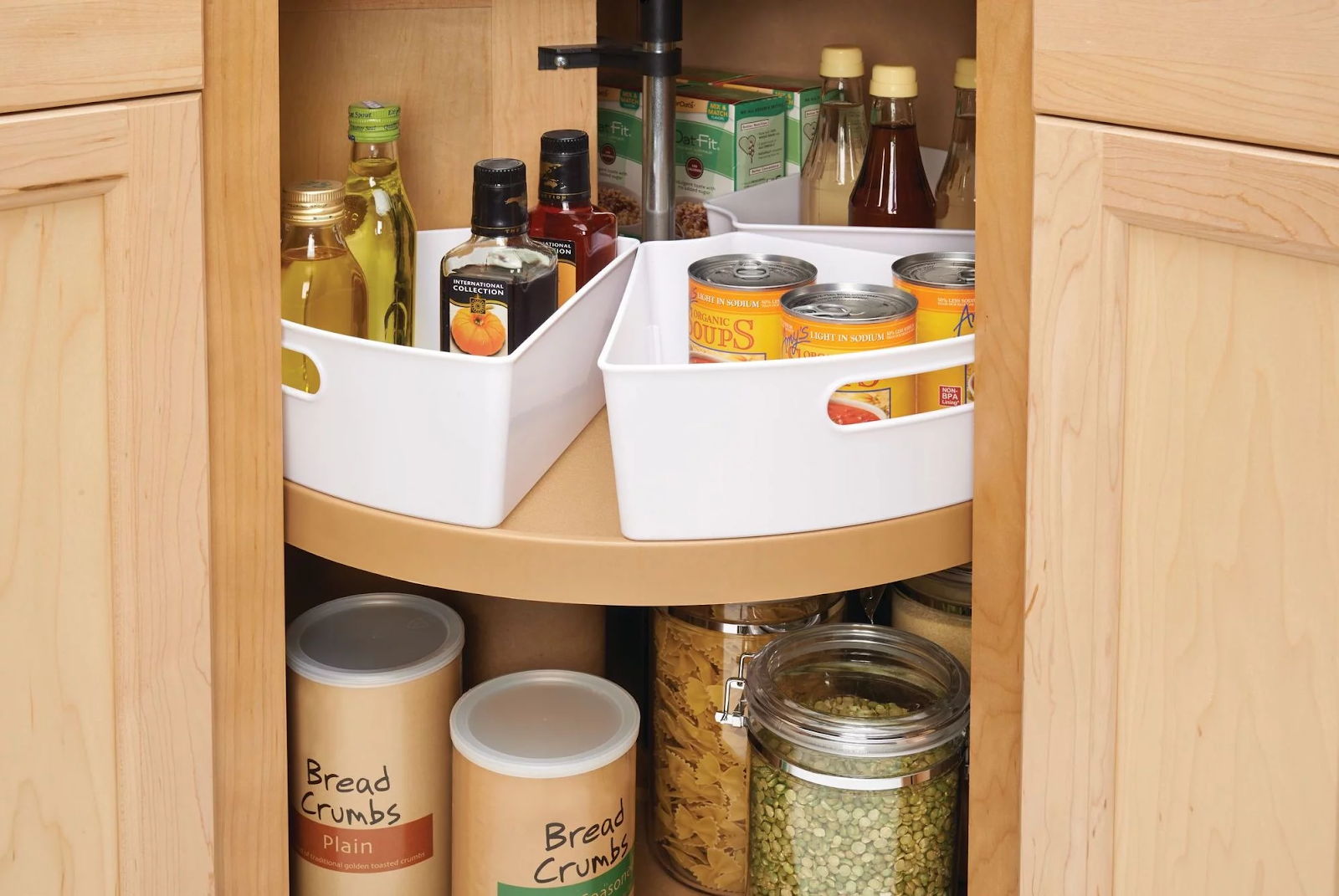
Are you tired of digging through cluttered cabinets, struggling to find what you need? Imagine having a simple tool that turns your messy shelves into organized, easy-to-access spaces.
Lazy Susans can transform your cabinets, making every item visible and within reach. You’ll discover practical tips on how to use Lazy Susans in your cabinets to save time, reduce frustration, and keep your kitchen or pantry perfectly organized. Keep reading to unlock the secret to a more efficient and stress-free storage solution!

Credit: www.pakitchen.com
Benefits Of Lazy Susans
Lazy Susans are useful for keeping cabinets tidy. They help store items efficiently.
Using Lazy Susans can make it easier to find things in your kitchen. They save time and space.
Maximizing Cabinet Space
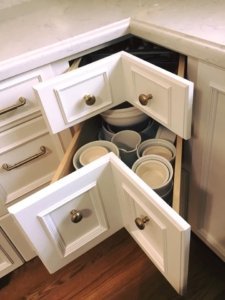
Lazy Susans fit into corners, making use of awkward spaces. They allow full use of shelves.
They help store more items by using circular space. This can make cabinets hold more.
- Fit neatly into corner cabinets
- Allow easy access to items at the back
- Increase overall storage capacity
Improving Accessibility
Lazy Susans make it easy to reach items. A simple spin gives access to everything.
This feature is good for those with limited mobility. It reduces the need to bend or stretch.
| Feature | Benefit |
| Rotating trays | Easy access to all items |
| No need to rearrange | Saves time and effort |
Enhancing Organization
Lazy Susans help keep items organized. They prevent clutter by holding items in place.
They allow grouping similar items together. This makes finding things quicker and easier.
- Keeps items from getting lost
- Makes it easy to find what you need
- Reduces clutter in cabinets

Credit: marathonhardware.com
Choosing The Right Lazy Susan
Lazy Susans make it easier to reach items in deep cabinets. Picking the right one helps you use space well and keep things organized.
Look at the material, size, shape, and weight limits before buying. These details affect how well it works in your kitchen.
Material Options
Lazy Susans come in many materials like wood, plastic, and metal. Each material offers different looks and durability.
Wood suits a classic kitchen style. Plastic is easy to clean and lightweight. Metal is strong and lasts long.
- Wood: stylish but may need more care
- Plastic: affordable and easy to clean
- Metal: very durable and sturdy
Size And Shape Considerations
Measure your cabinet space before choosing size and shape. Lazy Susans come in round, D-shaped, and kidney shapes.
Round shapes fit most cabinets. D-shaped work well in corner cabinets. Kidney shapes maximize space in odd corners.
- Round: fits standard cabinets
- D-shaped: ideal for corner spaces
- Kidney: fits unusual cabinet shapes
Weight Capacity
Check how much weight the Lazy Susan can hold. Stronger models support heavy pots and pans without damage.
Lightweight ones are best for spices and small items. Heavy-duty models work well for large cookware and food containers.
- Light capacity: under 20 pounds
- Medium capacity: 20 to 50 pounds
- Heavy capacity: over 50 pounds
Installing Lazy Susans
Lazy Susans make cabinet storage easier to reach and organize. Installing them can improve your kitchen’s functionality.
This guide shows you how to install Lazy Susans in your cabinets step by step.
Tools And Materials Needed
Before you start, gather all the tools and materials. This will make the installation smooth and quick.
- Lazy Susan kit (including turntable and hardware)
- Measuring tape
- Pencil or marker
- Power drill with drill bits
- Screwdriver (Phillips or flathead)
- Level tool
- Safety glasses
- Clamps (optional)
Step-by-step Installation
Follow these steps carefully to install your Lazy Susan inside the cabinet.
- Remove the cabinet shelves and clean the inside.
- Measure the cabinet’s width and depth for proper fit.
- Mark the center point on the bottom of the cabinet door or base.
- Attach the Lazy Susan base plate at the center mark using screws.
- Place the turntable on the base plate and secure it.
- Install shelves on the turntable if required by your model.
- Check that the Lazy Susan spins smoothly and adjust if needed.
- Replace cabinet doors and test operation again.
Common Installation Mistakes
Watch out for these mistakes to avoid problems with your Lazy Susan.
- Not measuring the cabinet space accurately.
- Installing the base plate off-center.
- Using the wrong screws or hardware.
- Skipping the level check before securing parts.
- Forgetting to clean the cabinet before installation.
- Over-tightening screws, which can damage components.
- Not testing the turntable movement after installation.
Optimizing Cabinet Layout
Lazy Susans help make the most of cabinet space. They spin, so you can reach items easily.
Using them smartly can keep your kitchen neat and items within reach. This guide shows how.
Arranging Items For Easy Access
Place frequently used items near the front of the Lazy Susan. Less-used items go in the back.
Group similar items together. This saves time when you look for things.
- Keep spices in one section
- Store canned goods in another
- Put small appliances or jars on the bottom level
Using Dividers And Containers
Dividers stop items from falling over when you spin the Lazy Susan. Containers hold small things.
Use clear containers to see what is inside. Label them for quick identification.
- Plastic bins keep snacks tidy
- Adjustable dividers separate cans or jars
- Use containers for small packets or utensils
Combining With Other Storage Solutions
Use Lazy Susans alongside shelves and pull-out drawers for better storage. This adds layers.
Stack items on shelves above or below the Lazy Susan. Pull-out drawers can hold heavy items.
- Put pots and pans in drawers
- Use shelves for bigger or less-used items
- Lazy Susans work well for small or medium-sized items
Maintaining Lazy Susans
Lazy Susans help keep your cabinet items easy to reach. To keep them working well, you need to maintain them regularly.
Proper care includes cleaning, lubricating, and fixing small problems. This helps your Lazy Susan last longer and spin smoothly.
Cleaning Tips
Clean your Lazy Susan often to remove dust and spills. Use a soft cloth and mild soap for best results.
Avoid harsh chemicals that can damage the surface or the spinning mechanism.
- Remove all items before cleaning
- Use warm water and gentle soap
- Wipe dry with a soft towel
- Clean under the trays if possible
Lubrication And Smooth Rotation
Lubricate the Lazy Susan to keep it turning smoothly. Use a small amount of silicone spray or light oil on the bearing or axle.
Do not use heavy grease, as it can attract dirt and slow rotation.
- Remove the trays if possible
- Apply lubricant sparingly to moving parts
- Spin the Lazy Susan to spread lubricant evenly
- Wipe off excess lubricant
Troubleshooting Issues
If your Lazy Susan does not spin well, check for loose screws or dirt in the mechanism. Tighten screws and clean parts as needed.
Listen for grinding sounds or catching. These signs mean you may need to clean or replace worn parts.
- Check screws and tighten if loose
- Clean dirt or debris from bearings
- Lubricate moving parts
- Replace damaged or worn components
Creative Uses Beyond Cabinets
Lazy Susans are great for more than just cabinets. They help keep things easy to reach and organized.
Try using Lazy Susans in different rooms to save space and reduce clutter.
Pantry Organization
Use a Lazy Susan in your pantry to store spices, cans, or snacks. It helps you see everything at once.
Place small jars or bottles on the turntable. Spin it to find what you need quickly.
- Keep spices grouped by type
- Store canned goods in layers
- Place snacks for kids at the front
Bathroom Storage
Lazy Susans work well in bathrooms to hold toiletries and makeup. They make small spaces more useful.
Put lotions, perfumes, or hair products on the tray. Spin it to reach everything easily.
- Group daily items together
- Keep small bottles stable
- Use for cotton balls or swabs in containers
Craft And Office Supplies
Use a Lazy Susan on your desk for craft or office supplies. It helps keep tools close and tidy.
Store pens, scissors, tape, and glue on the turntable. Spin it to find what you need fast.
- Sort supplies by type or color
- Keep small items visible and easy to grab
- Save desk space by using vertical storage
Credit: www.harrelldesignbuild.com
Frequently Asked Questions
What Are The Benefits Of Using Lazy Susans In Cabinets?
Lazy Susans maximize cabinet space by providing easy access to items. They help organize kitchen essentials and reduce clutter. Their rotating feature allows quick retrieval of items from the back of deep cabinets, improving storage efficiency and convenience.
How Do I Install A Lazy Susan In My Cabinet?
Installing a Lazy Susan involves measuring the cabinet space, mounting the rotating base, and securing the shelves. It usually requires basic tools like a drill and screwdriver. Proper installation ensures smooth rotation and optimal use of cabinet space.
Which Cabinet Sizes Work Best For Lazy Susans?
Lazy Susans work best in corner or deep base cabinets that are at least 24 inches wide. Larger cabinets benefit more from this solution because it maximizes otherwise hard-to-reach areas. Always measure your space before purchasing to ensure a proper fit.
Can Lazy Susans Be Customized For Different Kitchen Needs?
Yes, Lazy Susans come in various sizes, materials, and tier options. You can choose wooden, metal, or plastic shelves and add multiple tiers for extra storage. Customization helps fit specific items like spices, pots, or pantry goods.
Conclusion
Lazy Susans make cabinet spaces easier to use every day. They help keep items neat and easy to find. Spinning trays save time and reduce clutter in kitchens. Installing them is simple and fits many cabinet types. Try adding one to improve your kitchen’s function.
Small changes like this bring big benefits. Enjoy a more organized and smooth kitchen routine.