
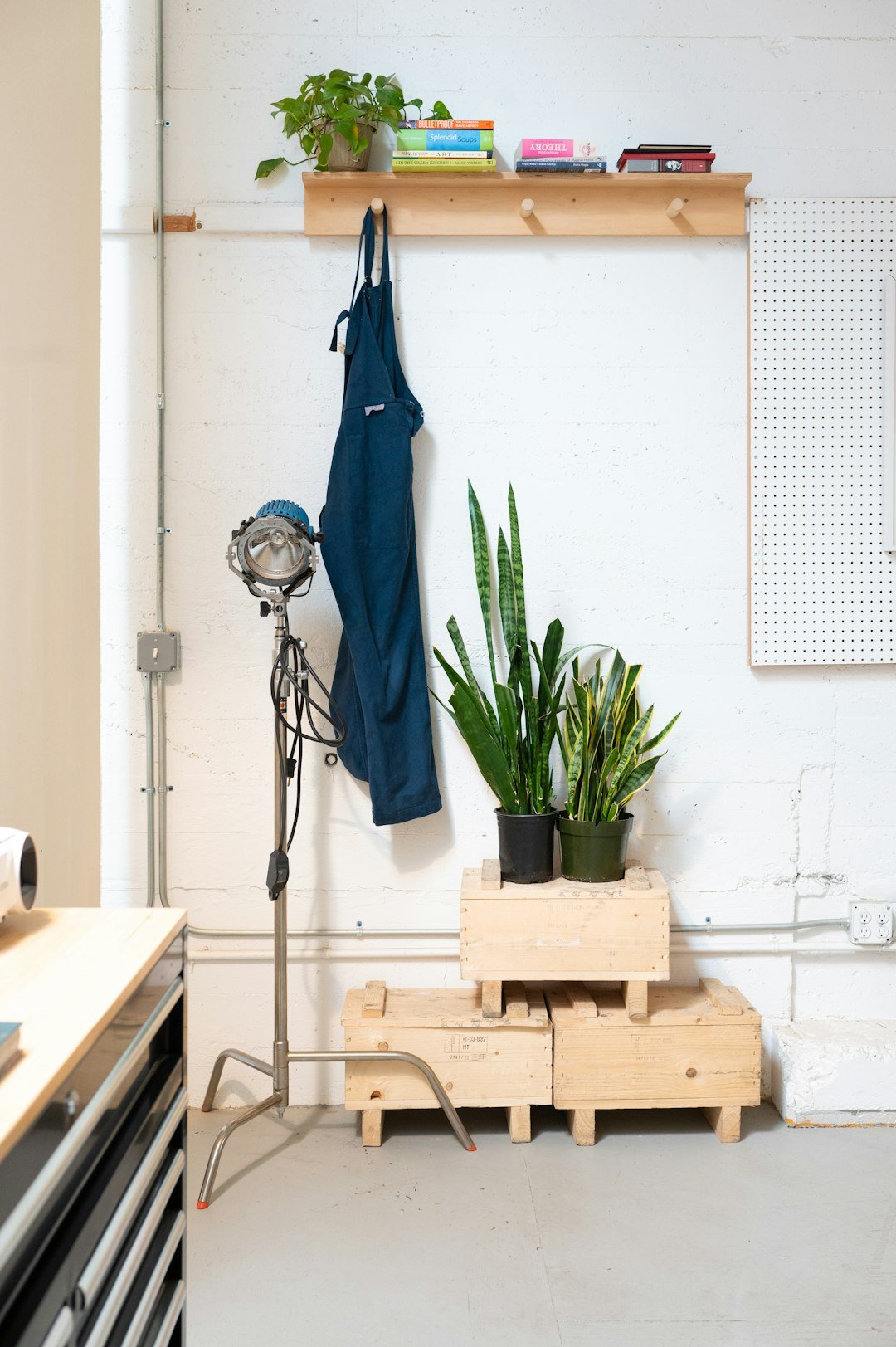
Are you struggling with a cluttered kitchen? Imagine turning your crowded counters and messy cabinets into a neat, organized space without spending a fortune.
The secret lies in something simple but powerful: hooks. Using hooks for kitchen storage can instantly free up space, keep your essentials within reach, and make cooking more enjoyable. You’ll discover easy, practical ways to use hooks that transform your kitchen into a tidy and efficient area you’ll love.
Keep reading to unlock these clever tips and take control of your kitchen today.

Credit: ashandgardenia.com
Benefits Of Hooks In Kitchen Storage
Hooks are a simple way to organize kitchen items. They make storage easy and accessible.
Using hooks saves space and keeps your kitchen tidy. Let’s explore the benefits of using hooks for kitchen storage.
Maximize Space
Hooks help you use vertical space in your kitchen. This means more room on your counters and in cabinets.
They can be placed on walls, inside cabinets, or under shelves. This keeps items off surfaces and within reach.
Easy Access To Utensils
Hooks make grabbing utensils quick and easy. Hang spoons, spatulas, and other tools where you cook.
This saves time since you won’t need to search through drawers. Everything is visible and easy to reach.
Organize Pots And Pans
Heavy pots and pans can be hung on sturdy hooks. This frees up shelf space for other items.
Hanging them also prevents stacking, which can cause scratches or damage.
Keep Mugs And Cups Handy
Mugs and cups can be hung by their handles. This creates more shelf room for dishes or food.
Hooks can be placed inside cabinets or under shelves to keep cups easily accessible.
Simple Installation
Hooks are easy to install and remove. No special tools are needed, just a little time.
They can be moved around to suit your storage needs, offering flexibility in organizing.
Cost-effective Solution
Hooks are affordable and available in many styles. They are an inexpensive way to improve kitchen storage.
You can find hooks that match your kitchen decor, adding both function and style.
Choosing The Right Hooks
Hooks help organize kitchen tools and save space. Picking the right hooks keeps your kitchen neat and items easy to reach.
Look at material, weight capacity, and design before buying hooks. These factors ensure hooks fit your kitchen needs.
Material Types
Hooks come in many materials like metal, plastic, and wood. Each material has pros and cons for kitchen use.
Metal hooks are strong and last long. Plastic hooks are lightweight and cheap. Wood hooks add a natural look.
- Metal: durable, good for heavy items
- Plastic: easy to clean, less strong
- Wood: stylish, may wear with moisture
Weight Capacity
Check how much weight hooks can hold. Strong hooks prevent falling and damage in the kitchen.
Lightweight hooks suit small items like measuring spoons. Heavy-duty hooks hold pots, pans, and large utensils.
- Light hooks: under 5 pounds, for small tools
- Medium hooks: 5 to 15 pounds, for mugs and pans
- Heavy hooks: over 15 pounds, for heavy pots
Design And Style
Choose hooks that match your kitchen style and colors. This adds to your kitchen’s look and feel.
Simple hooks fit modern kitchens. Decorative hooks fit rustic or vintage kitchens. Pick designs that suit your space.
- Minimalist hooks: clean lines, simple shapes
- Ornate hooks: detailed designs, vintage look
- Color options: match or contrast with kitchen decor
Ideal Spots For Hook Placement
Hooks are simple tools that help keep kitchens tidy. Choosing the right spots for hooks makes storage easy and neat.
This guide shows the best places to put hooks in your kitchen for easy access and better use of space.
Walls And Backsplashes
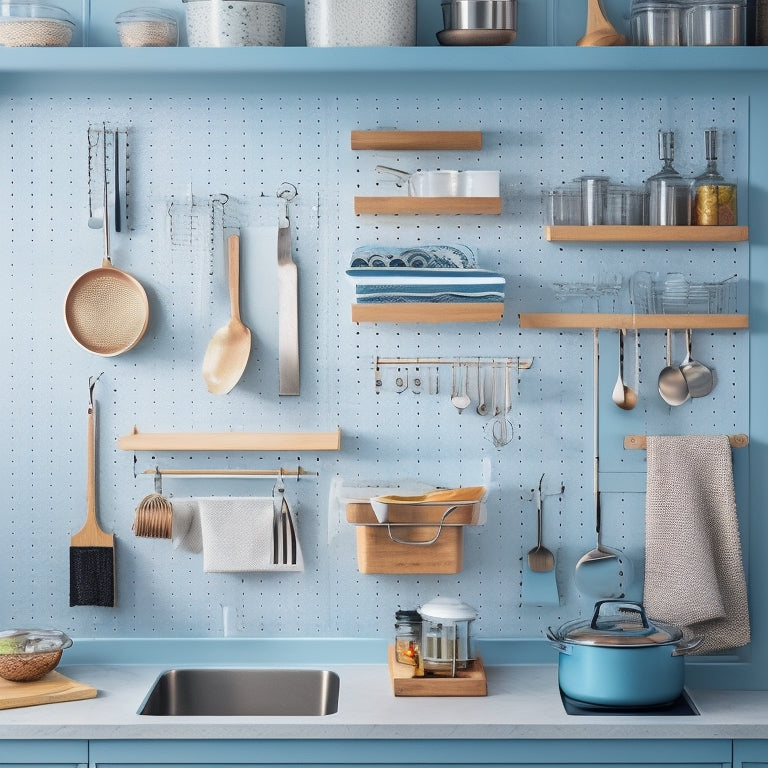
Walls and backsplashes offer great space for hooks. They keep utensils and tools within reach.
Hooks here hold items like spatulas, measuring spoons, and oven mitts. This keeps your counters clear.
- Near the stove for cooking tools
- Close to the sink for cleaning brushes
- On unused wall space to hang mugs or cups
Inside Cabinet Doors
The inside of cabinet doors is often unused space. Hooks here store small items safely out of sight.
Use hooks inside doors for hanging measuring cups, pot lids, or small towels. It helps keep your kitchen organized.
- Attach hooks on the door frame or flat surface
- Choose sturdy hooks for heavier items
- Keep frequently used items easy to grab
Under Shelves
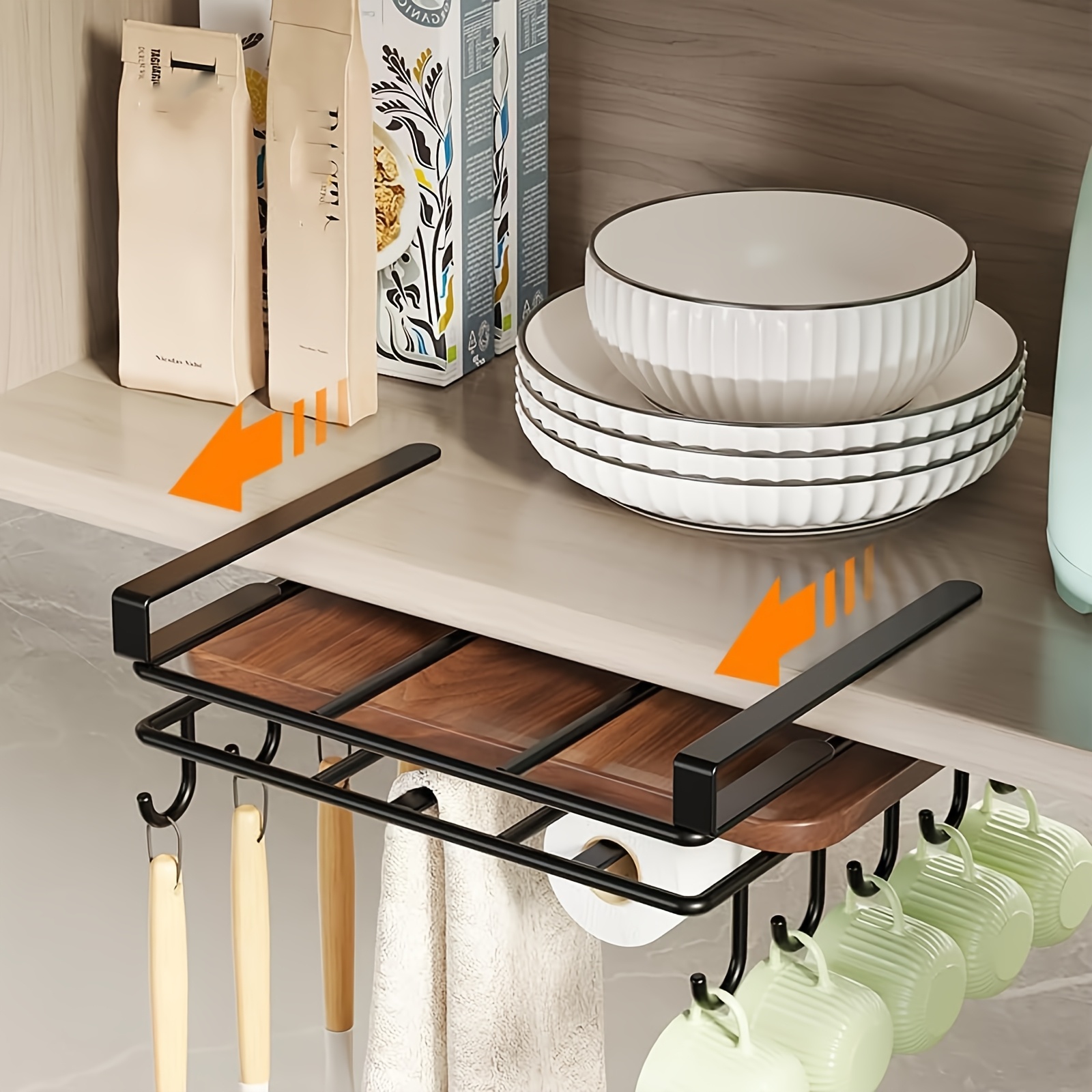
Hooks under shelves use hidden space well. They hold mugs, cups, or small pots without cluttering counters.
This spot works great for hanging items you use daily. It also adds style by showing your favorite mugs.
- Install hooks evenly spaced
- Use strong hooks for heavy mugs
- Keep clearance for easy hanging and removal
Ceiling And Overhead Areas
Ceiling hooks create storage above your kitchen. They work well for hanging pots, pans, and baskets.
This keeps large cookware off counters and cabinets. Make sure hooks are secure to hold heavy weight safely.
- Hang near the center for easy reach
- Use strong anchors for heavy items
- Keep clear of walking paths for safety
Credit: prochefkitchentools.com
Creative Hook Uses For Kitchen Items
Hooks are simple tools that can help keep your kitchen tidy. They save space by using walls and cabinets.
You can hang many kitchen items on hooks to make your kitchen more organized and easy to use.
Hanging Pots And Pans
Hooks help you hang pots and pans to free up cabinet space. They keep your cookware visible and easy to reach.
Use strong hooks on a wall or under a cabinet to hold heavy pots. Arrange by size for quick access.
- Install a pot rack with hooks above your stove
- Use S-hooks on a rail to hang pans by their handles
- Hang lids separately to keep them handy
Organizing Utensils
Hooks keep utensils like spatulas and ladles off the counter. This reduces clutter and speeds cooking.
Place hooks inside cabinets or on walls near your cooking area. Group utensils by type for ease.
- Hang wooden spoons and whisks by their handles
- Use small hooks for measuring spoons and peelers
- Keep frequently used tools within arm’s reach
Storing Mugs And Glasses
Hooks can hold mugs and glasses to save shelf space. Hanging mugs also dry faster after washing.
Use hooks under cabinets or on walls to hang mugs by their handles. Glasses with stems can hang upside down.
- Hang mugs in rows for easy selection
- Use stemware hooks for wine glasses
- Keep cups near the coffee maker for convenience
Holding Cutting Boards And Lids
Hooks keep cutting boards and lids off counters. This helps keep surfaces clear and clean.
Attach hooks inside cabinets or on walls. Hang boards and lids by their handles or edges to save space.
- Use large hooks for heavy cutting boards
- Hang lids in a row to avoid damage
- Group similar items together for quick access
Installation Tips For Secure Hook Placement
Hooks can help keep your kitchen organized. Installing them correctly makes them stronger and safer. Good hook placement holds your items well.
Use the right tools and methods for your kitchen walls. This guide gives tips for secure hook installation.
Using Anchors And Screws
Anchors and screws give strong support for heavy kitchen items. They work best on drywall or plaster walls.
Use anchors to spread the weight. Screws hold the hook tightly in place. Choose the right size for your wall type.
- Drill a hole slightly smaller than the anchor
- Push or tap the anchor into the hole
- Insert the screw and leave some space for the hook
- Hang the hook on the screw head
Adhesive Hooks: Pros And Cons
Adhesive hooks stick to walls without drilling. They are easy to install and remove but may not hold heavy items.
They work well on smooth, clean surfaces. Avoid using on textured or wet walls for best results.
- Pros:No tools needed, no wall damage, easy to move
- Cons:Limited weight support, may fail on rough surfaces, adhesive can weaken over time
Measuring And Spacing
Measure carefully before placing hooks. Proper spacing makes your kitchen look neat and keeps items accessible.
Mark spots with a pencil to avoid mistakes. Space hooks according to the size of what you want to hang.
- Use a tape measure or ruler for accuracy
- Keep heavier items closer to support points
- Leave enough space between hooks for larger items
- Check level with a spirit level or straight edge
Maintaining And Updating Hook Storage
Hooks are useful for storing kitchen items. Keeping them clean and organized helps your kitchen stay neat.
Regular maintenance makes sure hooks last longer and work better. It also keeps your kitchen safe and tidy.
Cleaning Hooks And Surrounding Areas
Dirt and grease can build up on hooks and nearby surfaces. Cleaning them often keeps your kitchen fresh.
Use a damp cloth with mild soap to wipe hooks. Clean the wall or cabinet area around the hooks too.
- Remove items from hooks before cleaning
- Use warm water and gentle soap
- Dry hooks completely to avoid rust
- Clean wall spots or stains near hooks
Rearranging For Better Efficiency
Change hook positions to fit your kitchen needs. Move hooks to places that save time and space.
Group similar items on nearby hooks. This way, you find what you need quickly while cooking.
- Place heavy items on strong hooks
- Keep frequently used tools within reach
- Separate clean and used items
- Adjust hook height for easy access
Replacing Worn Hooks
Hooks can wear out or break over time. Replace damaged hooks to keep storage safe and reliable.
Check hooks regularly for rust, bends, or loose screws. Remove old hooks before installing new ones.
- Choose hooks that match your kitchen style
- Use proper tools to remove and install hooks
- Test new hooks by hanging items carefully
- Replace hooks before they cause damage
Credit: www.temu.com
Frequently Asked Questions
What Are The Best Hooks For Kitchen Storage?
The best hooks for kitchen storage are sturdy, rust-resistant, and easy to install. Options include adhesive hooks, S-hooks, and magnetic hooks. Choose hooks based on the surface and weight of items you plan to hang, such as utensils, pots, or towels.
How Do Hooks Maximize Kitchen Storage Space?
Hooks free up drawer and counter space by utilizing vertical areas. They make items visible and accessible, reducing clutter. Hooks can hold utensils, mugs, pots, and pans, improving kitchen organization and efficiency.
Can Hooks Hold Heavy Kitchen Items Securely?
Yes, heavy-duty hooks made from metal or reinforced plastic can support heavy items like pots and pans. Ensure hooks are properly anchored to walls or cabinets to prevent falling. Always check the weight limit before hanging heavy kitchenware.
Where Should I Place Hooks In The Kitchen?
Place hooks near work areas like the stove, sink, or prep space. Inside cabinet doors, under shelves, or on unused wall space are ideal spots. Position hooks where frequently used items are easily reachable for convenience.
Conclusion
Hooks help keep your kitchen neat and items easy to reach. They save space and make your cooking area more organized. Try different types of hooks for pots, utensils, or towels. Small changes can bring big improvements to your kitchen.
Start using hooks today and enjoy a tidier, more functional space. Simple tools, simple steps, great results.