
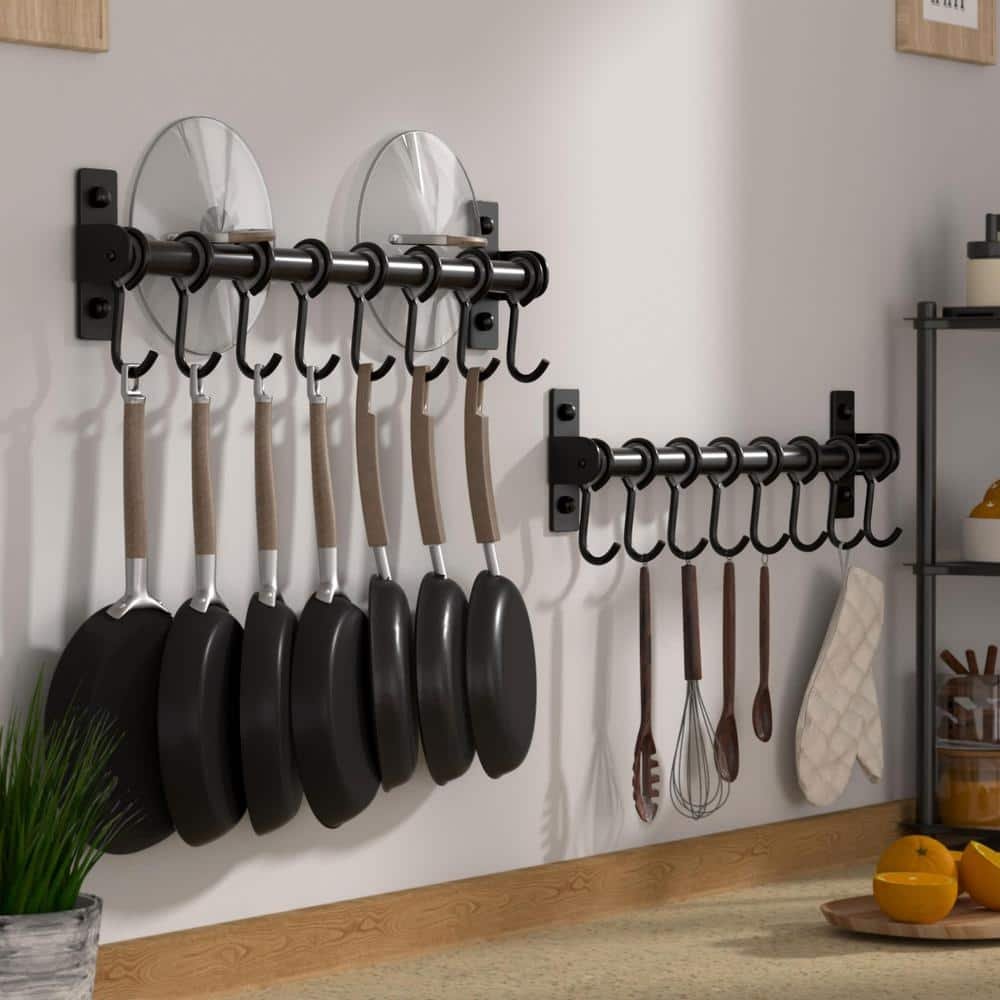
Are you tired of digging through cluttered drawers every time you need a spatula or ladle? Using hooks to hang your utensils can transform your kitchen into a more organized and efficient space.
Imagine having your most-used tools right where you need them—easy to grab and easy to put away. You’ll discover simple, practical ways to use hooks that save space and keep your cooking area tidy. Keep reading, and you’ll learn how a small change can make a big difference in your daily kitchen routine.
Benefits Of Hanging Utensils
Hanging utensils in the kitchen offers many advantages. It makes the kitchen more organized and efficient.
Using hooks to hang utensils can also add a decorative touch. It enhances the overall look of your kitchen.
Maximizing Kitchen Space
Hanging utensils helps to save counter and drawer space. This method keeps your kitchen neat and tidy.
- Hooks can be placed on walls or under cabinets.
- Free up drawer space for other items.
- Keep counters clear for cooking activities.
Enhancing Accessibility
Hooks make utensils easy to reach while cooking. You can quickly grab what you need without searching.
This setup is perfect for busy kitchens. It helps in keeping cooking fast and efficient.
- Utensils are visible and within arm’s reach.
- Reduces time spent looking for items.
- Improves cooking workflow.
Adding Decorative Touch
Hanging utensils can be stylish. Choose hooks that match your kitchen’s design for a cohesive look.
You can arrange utensils in creative patterns. This adds personality to your kitchen space.
- Use colorful hooks for a fun appearance.
- Mix and match utensils for an artistic display.
- Opt for metal hooks for a modern look.
Types Of Hooks For Utensils
Using hooks is a great way to keep utensils organized and easy to reach. Different types of hooks fit various kitchen setups and needs.
Choosing the right hook helps save space and adds convenience while cooking or cleaning.
Adhesive Hooks
Adhesive hooks stick to smooth surfaces without drilling holes. They are easy to install and remove.
These hooks work well on tiles, glass, or painted walls. They hold light to medium-weight utensils.
- No tools needed for installation
- Good for renters or temporary setups
- May not hold heavy items
- Surface must be clean and dry
Magnetic Hooks
Magnetic hooks attach to metal surfaces like refrigerators or metal racks. They provide quick access to utensils.
These hooks are strong and easy to move without damage. They hold medium to heavy utensils well.
- Use on metal surfaces only
- Can be repositioned anytime
- Strong hold for heavier tools
- Keep magnets away from electronics
Screw-in Hooks
Screw-in hooks are fixed by screwing them into walls or wooden surfaces. They provide a very sturdy hold.
These hooks are perfect for heavy utensils or frequent use. Installation requires tools and wall damage is possible.
- Secure and durable
- Good for heavy pots and pans
- Needs drilling and tools
- Permanent placement
Over-the-rack Hooks
Over-the-rack hooks hang over cabinet doors or rack edges. They need no drilling or adhesives.
These hooks are easy to move and ideal for renters. They hold light to medium utensils well.
- No tools or damage to walls
- Move and reuse easily
- Works with cabinet doors and racks
- May not hold very heavy items
Choosing The Right Hooks
Hooks help keep your kitchen organized by hanging utensils. Picking the right hooks is important for safety and style. Consider the hook’s strength, material, and fit with your kitchen surfaces.
Using the best hooks makes your kitchen look neat. It also makes sure your utensils are easy to find and use every day.
Weight Capacity
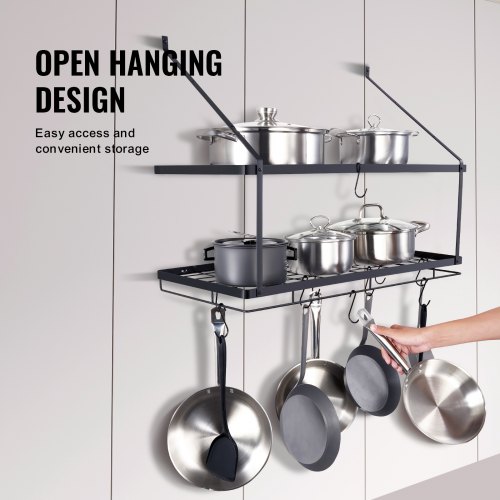
Choose hooks that hold the weight of your utensils. Heavy pots and pans need stronger hooks. Light spoons and spatulas can use smaller hooks.
Check the weight limit on the hook’s packaging. Use multiple hooks for heavy items to share the load. This keeps hooks from bending or falling.
Material And Durability
Hooks come in many materials like metal, plastic, and wood. Metal hooks are strong and last long. Plastic hooks are light but may break easily.
Choose rust-resistant materials if your kitchen is humid. Durable hooks save money because you replace them less often. Match the material style to your kitchen design.
- Stainless steel: strong and rust-proof
- Plastic: light but less durable
- Wood: stylish but may wear out
- Aluminum: lightweight and sturdy
Compatibility With Kitchen Surfaces
Check if hooks work well with your kitchen walls or cabinets. Some hooks need screws and drills. Others use adhesive for easy mounting.
Use strong hooks on solid wood or tile. Use adhesive hooks on smooth, clean surfaces like glass or metal. Avoid hooks that can damage delicate walls.
- Wood surfaces: use screw-in hooks for strength
- Tile or metal: adhesive hooks work well
- Drywall: use anchors with screws
- Glass or smooth surfaces: choose strong adhesive hooks
Credit: www.vevor.com
Ideal Locations For Hanging Utensils
Hooks are a simple way to organize kitchen utensils. Choosing the right spot makes cooking easier and keeps counters clear.
Here are some great places to hang utensils using hooks. Each spot helps save space and keeps tools within reach.
Inside Cabinet Doors
Inside cabinet doors offer hidden storage for utensils. This keeps your kitchen looking neat and clutter-free.
Hooks here are perfect for small tools like measuring spoons or peelers. They stay out of sight but easy to grab.
- Use adhesive or screw-in hooks
- Arrange utensils by size or use
- Keep frequently used items near the stove cabinet
Above The Stove
Hanging utensils above the stove saves counter space. It also keeps tools handy while cooking.
Choose hooks that can hold heavy items like spatulas and ladles. Make sure they are heat resistant.
- Install a rod or rail for multiple hooks
- Place utensils in order of use
- Leave space for larger pans or lids
On The Backsplash
The backsplash is a popular spot to hang utensils. It keeps tools visible and accessible.
Use magnetic strips or hooks on a rail. This adds style and function to your kitchen space.
- Organize by utensil type
- Keep knives and sharp tools safely hung
- Use waterproof hooks for easy cleaning
On Kitchen Islands
Kitchen islands offer extra hanging space. Hooks here keep utensils close while prepping food.
Choose sturdy hooks that fit the island design. This adds convenience without taking up counter space.
- Attach hooks to sides or underneath shelves
- Group utensils by cooking task
- Use strong hooks for heavy tools
Step-by-step Hook Installation
Hanging utensils with hooks keeps your kitchen neat and handy. Proper hook installation is key to hold your tools safely.
Follow these steps to install hooks on your wall or cabinet. Take your time to ensure a strong hold.
Preparing The Surface
Clean the wall or cabinet surface where you want to place the hooks. Dirt and grease can stop hooks from sticking well.
Use a cloth with mild soap and water. Dry the area completely before you start installing.
Measuring And Marking
Measure the space between hooks based on the size of your utensils. Mark the spots lightly with a pencil.
- Use a ruler or tape measure for even spacing
- Mark points at eye level or comfortable reach
- Keep enough space for larger utensils
Mounting The Hooks
Choose the right hooks for your wall type, like adhesive or screw-in hooks. Follow the hook instructions carefully.
- For adhesive hooks, press firmly and hold for 30 seconds
- For screw hooks, drill pilot holes before screwing
- Use a level to keep hooks straight
Testing Stability
After mounting, gently pull each hook to check strength. Make sure they do not move or loosen.
Hang one utensil to test if the hook holds well. Adjust if needed before using all hooks.

Credit: www.amazon.ie
Creative Hanging Ideas
Hooks are a smart way to save space and keep utensils easy to reach. Hanging utensils can make your kitchen look neat and stylish.
Using hooks lets you organize your tools in creative ways. You can mix and match utensils and other items for a unique look.
Using Pegboards
Pegboards offer flexible hanging options for your kitchen utensils. You can move hooks around to fit different tool sizes and shapes.
They also create a clean, organized wall display. Pegboards keep everything visible and easy to grab while cooking.
- Choose a pegboard that fits your kitchen wall space
- Use hooks of different sizes for spoons, spatulas, and whisks
- Add small baskets to hold loose items like measuring spoons
Incorporating Rails And Bars
Rails and bars let you hang utensils in a straight line. This setup works well above counters or near the stove.
You can add multiple hooks to hold a variety of tools. Rails keep your utensils off the counter but still close at hand.
- Install a metal or wooden rail on your kitchen wall
- Hang hooks to hold ladles, tongs, and peelers
- Use S-hooks for easy removal and rearrangement
Grouping Similar Utensils
Group similar utensils together to keep your kitchen tidy. This makes it easy to find the tool you need quickly.
For example, hang all your wooden spoons in one spot and all your metal spatulas in another. This method helps with fast cooking.
- Sort utensils by type or use
- Hang similar items side by side
- Label areas if needed for easy identification
Mixing Utensils With Other Kitchen Tools
Combine utensils with other kitchen tools to save space and add style. You can hang small pots, cutting boards, or strainers alongside utensils.
This mix creates a useful and attractive kitchen display. It also keeps your most-used tools within easy reach during cooking.
- Use hooks to hang strainers next to spatulas
- Add small pots or pans to the same rail or pegboard
- Hang cutting boards by their handles near utensils
Maintenance And Safety Tips
Hooks for hanging utensils keep your kitchen organized and tools within reach. Proper care keeps hooks strong and safe to use.
Follow simple steps to clean, check, and avoid damage. These tips help protect your utensils and prevent accidents.
Regular Cleaning
Clean hooks often to remove dirt, grease, and food particles. This stops buildup that can weaken hooks or cause rust.
Use mild soap and warm water. Dry hooks well to stop moisture damage.
Checking Hook Stability
Test hooks regularly to make sure they are firmly attached. Loose hooks can fall and cause injury or damage.
Press or pull each hook gently. Tighten screws or replace parts if needed.
- Look for rust or cracks
- Check screws and anchors
- Replace damaged hooks
Avoiding Overloading
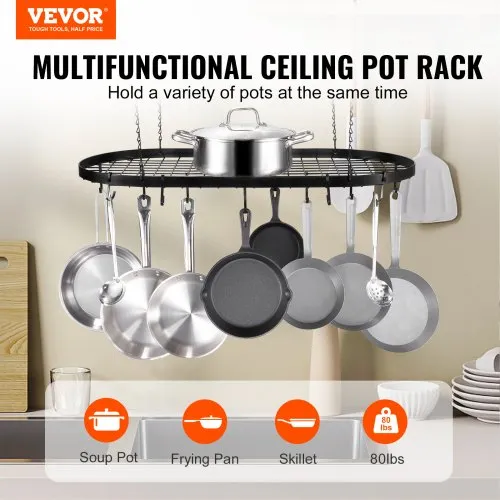
Do not hang too many utensils on one hook. Overloading can bend hooks or make them fall off.
Use hooks within their weight limit. Spread utensils evenly across several hooks for safety.
- Check the hook’s weight rating
- Hang heavy items on strong hooks
- Distribute utensils evenly
Credit: www.vevor.ca
Frequently Asked Questions
What Types Of Hooks Are Best For Hanging Utensils?
Metal S-hooks and adhesive hooks are ideal for hanging utensils. Metal hooks offer durability and strength. Adhesive hooks are easy to install and leave no marks. Choose hooks that match your kitchen style and utensil weight for best results.
How To Install Hooks For Hanging Kitchen Utensils?
Clean the surface before installing hooks to ensure adhesion. Use a drill for wall-mounted hooks or peel-and-stick hooks for smooth surfaces. Space hooks evenly to accommodate utensil size. Follow manufacturer instructions for secure placement and avoid damage.
Can Hooks Hold Heavy Kitchen Utensils Safely?
Yes, sturdy metal hooks can support heavy utensils like pots and pans. Choose hooks with a high weight rating. Secure mounting, such as screws into studs, enhances safety. Avoid using weak adhesive hooks for heavy items to prevent falling.
Where Is The Best Place To Hang Utensils In The Kitchen?
Hang utensils near the cooking area for easy access. Above the stove or next to the countertop works well. Ensure hooks do not obstruct movement or workspace. Proper placement improves kitchen organization and efficiency.
Conclusion
Hooks make hanging utensils simple and neat. They save space and keep your kitchen tidy. Choose the right hooks for your utensils. Place them where you can reach easily. Keep your utensils organized and easy to find. Small changes like these help your kitchen work better.
Try using hooks and see the difference yourself. Simple, smart, and practical. That is how hooks help every kitchen stay clean and ready.