
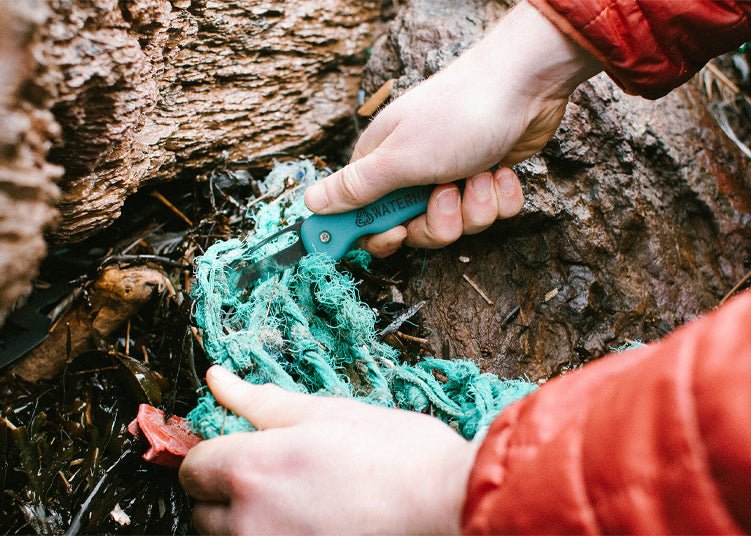
Are you ready to make a simple change that can have a big impact on the planet? Using eco-friendly knives and tools is one of the easiest ways to reduce waste and protect the environment every day.
Imagine cutting your food or working in the garden with tools that are safe for you and the Earth. You’ll discover how to choose, use, and care for eco-friendly knives and tools so they last longer and work better. Keep reading, and you’ll learn practical tips that save money and help you live more sustainably—starting right now.

Credit: www.amazon.ca
Benefits Of Eco-friendly Knives
Eco-friendly knives and tools are becoming popular. They help protect the planet while serving daily needs.
These knives are made with sustainable materials. They offer several benefits for users and the environment.
Environmental Impact
Eco-friendly knives reduce waste. They often use recycled or biodegradable materials.
Using these knives helps lower pollution. This choice supports a cleaner planet.
- Less waste in landfills
- Reduced carbon footprint
- Supports sustainable practices
Health Advantages
Eco-friendly knives often avoid harmful chemicals. They are safe for cutting food.
Using these knives can lead to healthier meals. They keep unwanted substances away from your food.
- No toxic coatings
- Safe for food preparation
- Healthier cooking environment
Durability And Longevity
Eco-friendly knives are built to last. They use high-quality, durable materials.
These knives can withstand regular use. They offer a long-term solution for your kitchen needs.
- Long-lasting blades
- Less frequent replacements
- Cost-effective over time
Credit: graybeardedgreenberet.com
Choosing Sustainable Materials
Using eco-friendly knives and tools starts with picking the right materials. Sustainable materials help reduce waste and protect the environment.
Choosing these materials carefully makes your kitchen greener and safer for everyone.
Bamboo Handles
Bamboo is a fast-growing plant that does not need many resources. It is strong and lightweight, making it great for knife handles.
Bamboo handles look natural and are easy to clean. They break down faster than plastic if thrown away.
Recycled Metals
Recycled metals use old metal parts to create new knives and tools. This saves energy and reduces mining damage.
These metals keep the tool strong and sharp while cutting down on pollution from metal production.
- Stainless steel made from recycled materials
- Aluminum with high recycled content
- Reduced carbon footprint compared to new metals
Biodegradable Components
Biodegradable parts break down naturally in the environment. These parts can be handles, sheaths, or packaging.
Using biodegradable components lowers plastic waste and helps keep nature clean.
- Handles made from plant-based resins
- Sheaths that compost after use
- Packaging from recycled paper or cardboard
Caring For Green Kitchen Tools
Eco-friendly knives and tools help reduce waste and protect the environment. Taking care of them keeps them safe and useful for a long time.
Simple care steps like cleaning, sharpening, and storing properly help these tools stay in good shape. This guide explains how to do that easily.
Cleaning Techniques
Clean your green kitchen tools after each use to avoid damage and bacteria. Use gentle soap and warm water for best results.
Avoid harsh chemicals or scrubbing pads that can hurt the surface. Hand wash tools instead of using a dishwasher to keep them safe.
- Use mild dish soap
- Wash with a soft sponge
- Rinse with warm water
- Dry immediately with a clean towel
- Do not soak wooden handles
Sharpening Eco Blades
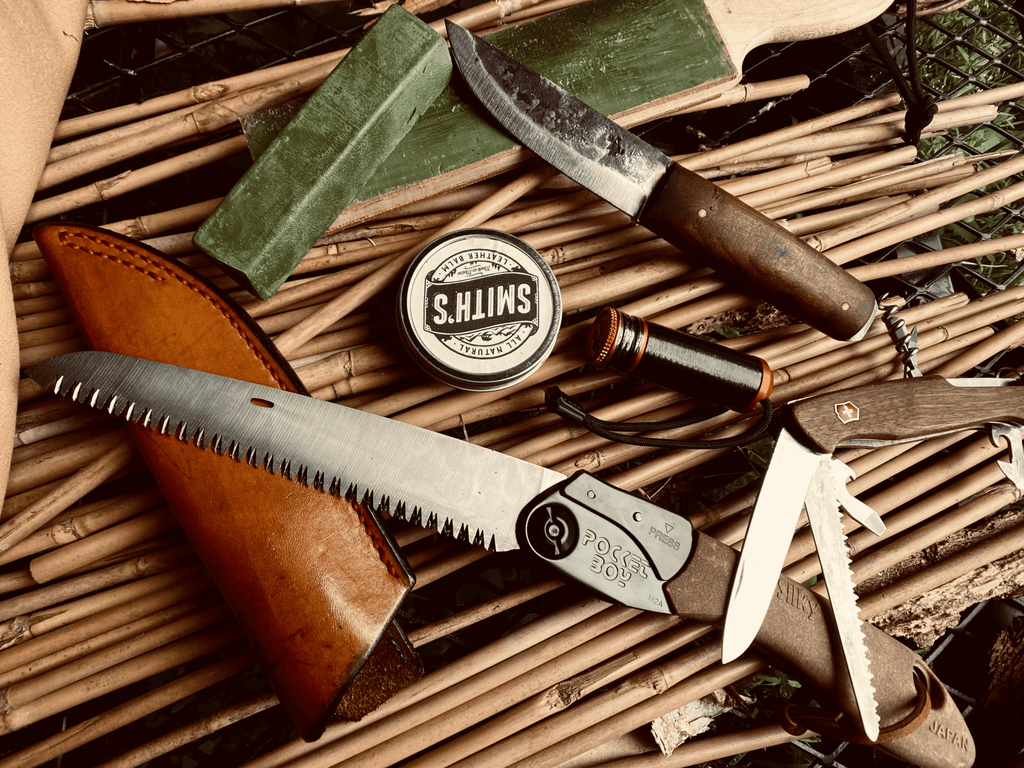
Sharpen eco-friendly knives regularly to keep them effective and safe. Use a sharpening stone or a manual sharpener designed for eco blades.
Keep the blade angle steady while sharpening. Avoid electric sharpeners that may damage natural materials or coatings.
- Hold the blade at a 20-degree angle
- Move the blade gently across the stone
- Sharpen both sides evenly
- Test sharpness carefully after sharpening
- Clean the blade before storage
Proper Storage
Store your eco-friendly tools in a dry and safe place. Proper storage helps prevent rust, dullness, and damage to handles.
Keep blades separated to avoid bumps and scratches. Use knife blocks, magnetic strips, or protective sheaths made from natural materials.
- Keep tools dry before storing
- Use wooden or bamboo knife blocks
- Apply natural oil to wooden handles
- Store knives separately to avoid contact
- Avoid damp or humid places
Credit: www.connox.com
Eco-friendly Alternatives To Common Tools
Using eco-friendly knives and tools helps reduce waste and pollution. Many common kitchen items have green alternatives that work well.
These tools use natural or compostable materials. They protect the environment and last a long time.
Compostable Cutting Boards
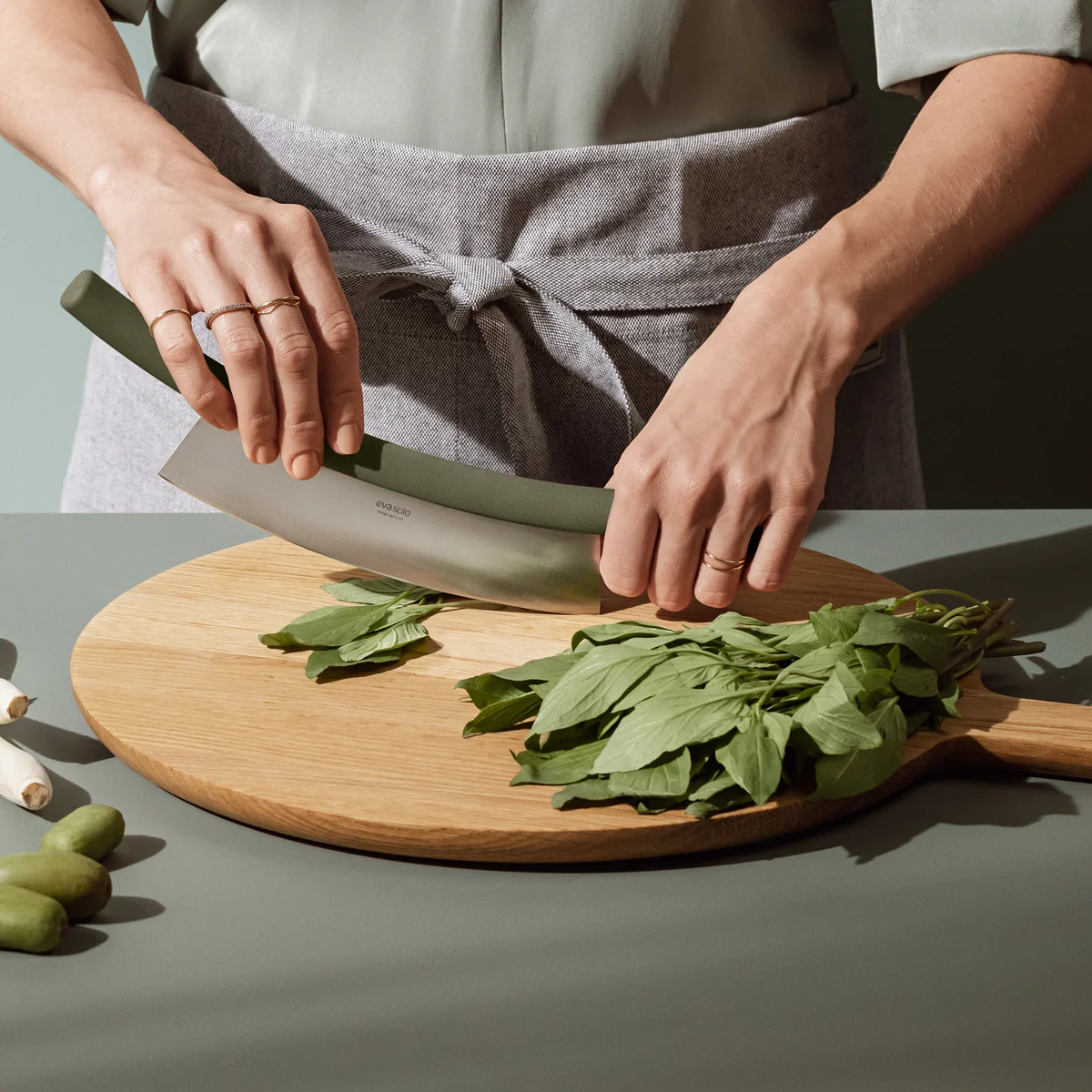
Compostable cutting boards are made from natural materials like bamboo or wood. They break down easily after use.
These boards avoid plastic waste and are safe for the environment. They are sturdy and easy to clean.
- Made from bamboo, wood, or other plant fibers
- Biodegradable and compostable
- Gentle on knife edges
- Can be recycled in compost bins
Reusable Food Wraps
Reusable food wraps replace single-use plastic wraps. They are made from cloth coated with beeswax or plant wax.
These wraps keep food fresh and can be washed and used many times. They reduce plastic pollution in kitchens.
- Made with cotton and natural waxes
- Washable and long-lasting
- Wrap sandwiches, fruits, and bowls
- Compostable at end of life
Natural Fiber Scrubbers
Natural fiber scrubbers use materials like coconut coir or hemp. They clean dishes without plastic fibers.
These scrubbers break down naturally and do not harm the environment. They work well on pots, pans, and vegetables.
- Made from coconut husks, hemp, or jute
- Biodegradable and compostable
- Effective for scrubbing tough stains
- Gentle on surfaces and safe to use
Where To Buy Green Knives And Tools
Eco-friendly knives and tools help reduce waste and protect the environment. Choosing the right place to buy them is important.
This guide explains where to find green knives and tools that are safe for the planet.
Certified Eco Brands
Certified eco brands follow strict rules to make green products. They use safe materials and fair work practices.
These brands often have labels that prove their tools are eco-friendly. You can trust their products to be kind to nature.
- Look for certifications like FSC, Green Seal, or B Corp.
- Many certified brands sell in stores and online.
- Check product details for eco-friendly materials like bamboo or recycled steel.
Local Artisan Options
Local artisans often make knives and tools with natural materials. They use traditional methods that are better for the earth.
Buying from artisans supports small businesses and reduces shipping pollution. You may find unique, handmade items.
- Visit farmers markets or craft fairs.
- Ask about the materials and how tools are made.
- Look for wood handles, natural oils, and recycled metals.
Online Marketplaces
Online marketplaces offer many eco-friendly knives and tools. You can compare products and read reviews easily.
Search for shops that specialize in green kitchen tools. Use filters to find sustainable and natural materials.
- Etsy has many handmade and eco-friendly options.
- Amazon offers eco-certified products with customer ratings.
- Specialty green online stores focus only on sustainable goods.
Reducing Waste In The Kitchen
Using eco-friendly knives and tools helps cut down waste in your kitchen. It supports a cleaner environment and saves resources.
Choosing the right tools can reduce plastic use and waste. It also makes your cooking safer and healthier.
Minimizing Single-use Plastics
Single-use plastics create a lot of kitchen waste. Eco-friendly tools can replace these plastics and last longer.
Use knives with wooden or metal handles instead of plastic ones. Avoid plastic wrap by using beeswax wraps or reusable covers.
- Choose utensils made from bamboo or stainless steel
- Use reusable food storage bags
- Avoid plastic straws and disposable cutlery
- Pick knives with durable, non-plastic handles
Recycling And Upcycling Tools
Old kitchen tools can be recycled or turned into new items. This lowers the amount of trash sent to landfills.
Metal knives and tools can often be recycled. Wooden handles can be upcycled into small craft projects.
- Recycle metal blades at scrap centers
- Turn wooden handles into plant markers
- Use broken tools as garden stakes
- Donate usable tools instead of throwing away
Sustainable Disposal Methods
Dispose of kitchen tools in ways that harm the environment less. Avoid tossing items into regular trash when possible.
Compost wooden parts if untreated. Recycle metal parts properly to keep materials in use.
- Separate metal and wood parts before disposal
- Use local recycling programs for metal tools
- Compost natural materials like wood
- Donate or sell tools if still usable
Frequently Asked Questions
What Are Eco-friendly Knives Made Of?
Eco-friendly knives are made from sustainable materials like bamboo, recycled steel, and biodegradable composites. These materials reduce environmental impact and promote sustainability in kitchen tools.
How Do Eco-friendly Tools Benefit The Environment?
Eco-friendly tools reduce waste, use fewer toxic chemicals, and lower carbon footprints. They promote sustainable resource use and minimize pollution during production and disposal.
Can Eco-friendly Knives Be As Durable As Regular Ones?
Yes, many eco-friendly knives offer comparable durability and sharpness. High-quality sustainable materials ensure they perform well and last long, supporting eco-conscious choices.
How Should I Maintain Eco-friendly Knives?
Maintain eco-friendly knives by hand washing with mild soap and drying immediately. Avoid harsh detergents and dishwashers to preserve their material integrity and lifespan.
Conclusion
Choosing eco-friendly knives and tools helps protect our planet. These items last longer and reduce waste. They often use natural or recycled materials. Caring for them is simple and saves money. Small changes in your kitchen can make a big difference.
Start with one tool and add more over time. Every step counts toward a healthier environment. Be proud of your eco-friendly choices. They benefit both you and future generations.