
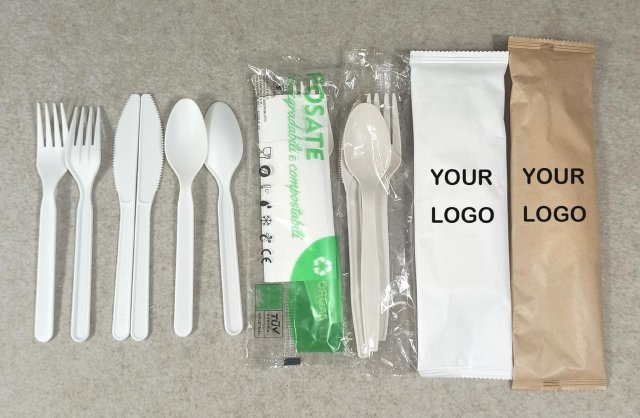
You want to make a positive impact on the environment, and switching to compostable utensils is a great step. But are you using them in the best way possible?
Knowing how to use compostable utensils efficiently can save you money, reduce waste, and help the planet more than you think. You’ll discover simple tips and smart tricks to get the most out of your compostable cutlery. Keep reading, and you’ll find easy ways to make your everyday meals eco-friendly without any hassle.
Choosing The Right Compostable Utensils
Compostable utensils are a great way to reduce waste. They break down naturally and help the environment. Choosing the right compostable utensils can be easy if you know what to look for.
This guide will help you select the best compostable utensils. We will look at materials, certifications, and options available.
Materials To Look For
Compostable utensils come in different materials. Each material has its benefits. Knowing these can help you make a wise choice.
- PLA (Polylactic Acid) – made from corn starch
- CPLA (Crystallized PLA) – heat-resistant and sturdy
- Bamboo – natural and renewable
- Wood – biodegradable and strong
Certifications And Labels
Certifications ensure that utensils are truly compostable. Look for labels that guarantee quality and environmental safety.
These certifications are important when choosing compostable utensils. They confirm that the product meets composting standards.
- USDA Certified Biobased Product
- BPI Compostable Certification
- EN 13432 European Standard
- OK Compost label
Comparing Compostable Options
Different compostable utensils suit different needs. Compare options to find what works best for you.
| Material | Strength | Heat Resistance |
| PLA | Medium | Low |
| CPLA | High | High |
| Bamboo | High | Medium |
| Wood | High | Medium |
Consider your needs and choose the best option for your situation. Compostable utensils can be both practical and eco-friendly.

Credit: www.bioleaderpack.com
Proper Usage Tips
Compostable utensils are eco-friendly alternatives to plastic ones. Using them right helps reduce waste and protect the environment.
Learn how to handle and store these utensils well. Avoid mistakes that waste resources and make them last longer.
Handling And Storage
Keep compostable utensils dry before use. Moisture can weaken their structure and cause damage.
Store them in a cool, clean place away from direct sunlight. This helps keep them strong and ready to use.
- Use airtight containers or sealed bags
- Keep away from heat sources
- Handle gently to avoid cracks or breaks
Avoiding Single-use Mistakes
Don’t throw compostable utensils away after one use if possible. Many can be reused depending on the food type.
Avoid using them with very hot or oily foods if they are not designed for it. This prevents early breakdown or melting.
- Check manufacturer guidelines for reuse
- Use utensils only for suitable food types
- Rinse after use to keep clean for reuse
Maximizing Durability
Use compostable utensils gently to avoid breaking. They are strong but can snap under pressure.
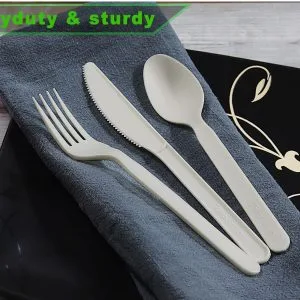
Choose utensils made from durable materials like bamboo or cornstarch. These last longer and handle food better.
- Hold utensils properly to reduce stress
- Avoid cutting hard foods with them
- Pick sturdy options for heavy meals
Disposal Methods
Compostable utensils need proper disposal to break down correctly. Using the right disposal method helps reduce waste and pollution.
Choosing the correct way to dispose of these utensils supports the environment and keeps composting systems working well.
Home Composting Techniques
Home composting allows you to turn compostable utensils into nutrient-rich soil. Make sure your compost bin is healthy and active.
Cut utensils into smaller pieces to speed up the breakdown process. Keep the compost moist and mix it often.
- Chop utensils before adding them to compost
- Keep compost moist but not wet
- Turn compost weekly to add air
- Avoid adding plastic or metal parts
Municipal Composting Programs
Many cities offer composting programs that accept compostable utensils. These programs have large facilities designed to break down materials fast.
Check local rules before throwing utensils into these bins. Some programs only accept specific compostable items.
- Find out if your city accepts compostable utensils
- Separate compostable utensils from trash
- Follow local guidelines for compost bins
- Use designated bags if required
Avoiding Landfill Contamination
Compostable utensils should not go to landfills. Landfills lack the right conditions to break down these items.
Mixing compostable utensils with trash causes contamination. This makes recycling and composting harder and less effective.
- Do not throw compostable utensils in the trash
- Use compost bins whenever possible
- Educate others about proper disposal
- Read labels to confirm compostability
Integrating Compostable Utensils In Daily Life
Compostable utensils help reduce plastic waste. Using them daily supports a cleaner environment.
To use these utensils well, you need good planning and care. This guide shows simple ways to include them in your life.
Meal Planning With Zero Waste
Plan meals to use compostable utensils without waste. Choose meals that need fewer utensils or share utensils when safe.
Keep track of how many utensils you need. Buy only what you plan to use to avoid leftovers.
- Make a list of meals and required utensils
- Use reusable containers for leftovers
- Store utensils in a dry place to keep them fresh
- Compost used utensils properly after use
Using Utensils For Events
Use compostable utensils for parties and gatherings to lower plastic waste. Provide enough utensils for all guests.
Set up clear bins for composting after the event. This helps guests dispose of utensils correctly.
- Estimate the number of guests and utensils needed
- Label compost bins clearly
- Inform guests about composting rules
- Choose utensils made from fast-composting materials
Educating Friends And Family
Teach friends and family why compostable utensils matter. Share tips to use and dispose of them properly.
Show how small changes can reduce waste. Encourage others to join your composting efforts.
- Explain the benefits of compostable utensils
- Demonstrate correct composting steps
- Share easy meal ideas using these utensils
- Invite them to events that use compostable products
Troubleshooting Common Issues
Using compostable utensils helps reduce plastic waste. Yet, some problems can happen during use.
Here are solutions for common troubles with compostable utensils.
Dealing With Breakage
Compostable utensils can break more easily than plastic ones. This happens because some materials are less strong.
To reduce breakage, handle utensils gently and avoid heavy foods that need extra force.
- Use utensils only for soft or medium-textured foods
- Hold utensils firmly but avoid bending them
- Choose thicker compostable utensils for tougher meals
Handling Non-compostable Contaminants
Sometimes, non-compostable materials mix with compostable utensils. This can spoil the composting process.
Check utensils before composting and remove any plastic or metal pieces.
- Sort waste carefully to keep compostable items separate
- Train staff or users to recognize compostable utensils
- Use clear labels to avoid confusion
Storage Challenges
Compostable utensils need dry and cool storage. Heat and moisture can weaken them before use.
Store utensils in sealed containers or packaging to keep them fresh and strong.
- Keep utensils away from direct sunlight
- Store in a dry place to prevent mold
- Use airtight containers to protect from humidity

Credit: www.amazon.com
Credit: www.bioleaderpack.com
Frequently Asked Questions
What Are Compostable Utensils Made From?
Compostable utensils are typically made from plant-based materials like cornstarch, sugarcane, or bamboo. These materials break down naturally. They do not contain harmful chemicals or plastics, making them eco-friendly and safe for composting.
How To Dispose Of Compostable Utensils Properly?
Dispose of compostable utensils in a commercial compost bin or home compost pile. Avoid throwing them in regular trash. Proper disposal ensures they break down efficiently and reduce landfill waste.
Can Compostable Utensils Be Reused Before Composting?
Some compostable utensils can be reused if they remain clean and intact. However, they are designed for single use. Reusing helps reduce waste but ensure they are composted eventually.
Are Compostable Utensils Safe For Hot Foods?
Yes, most compostable utensils are heat-resistant up to certain temperatures. Check packaging for specific heat limits. They are safe for hot foods but may soften with very hot liquids.
Conclusion
Using compostable utensils helps reduce plastic waste. Choose the right utensils for your meal type. Dispose of them in compost bins only. Avoid mixing with regular trash to keep compost clean. Store utensils properly to keep them dry. Small changes make a big difference over time.
Everyone can help protect the environment this way. Start today and make your meals eco-friendly. Simple steps lead to a cleaner planet.