
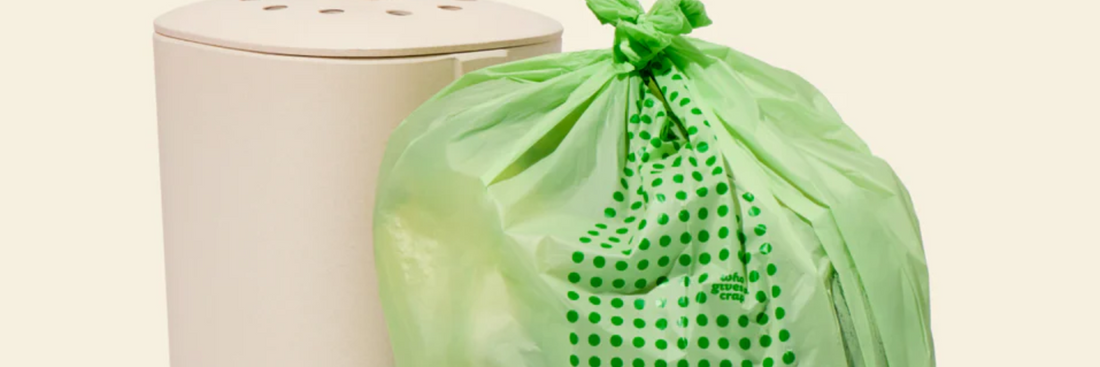
Are you ready to make a simple change that helps both your home and the planet? Using biodegradable trash bags is an easy way to reduce waste and protect the environment.
But if you’re not sure how to use them properly, you might miss out on their full benefits. You’ll discover practical tips to get the most from biodegradable trash bags, save money, and keep your space clean. Keep reading, and you’ll feel confident about making this smart, eco-friendly switch today.
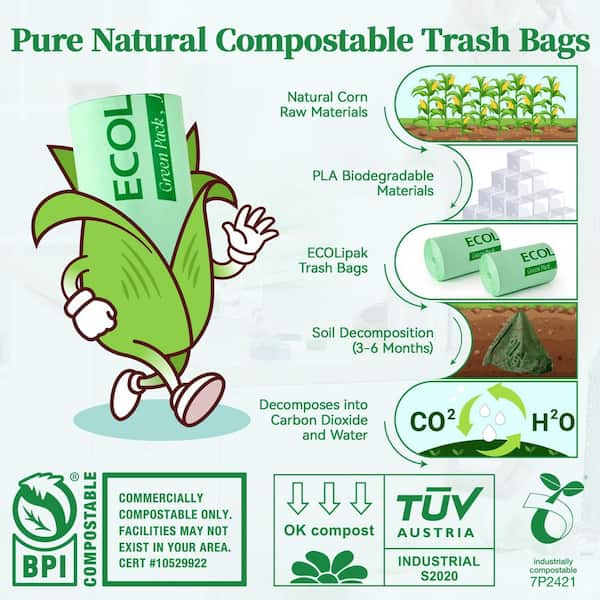
Credit: www.homedepot.com
Benefits Of Biodegradable Trash Bags
Biodegradable trash bags are a great choice for reducing waste. They break down naturally and help the environment.
These bags are made from materials that decompose quickly. They are safe for the earth and promote sustainable living.
Environmental Impact
Biodegradable trash bags reduce plastic pollution. They decompose in a few months, unlike plastic bags that take hundreds of years.
Using these bags helps keep landfills smaller. They support a cleaner and healthier planet for future generations.
Health And Safety Advantages
Biodegradable bags are free from harmful chemicals. They are safer for humans and animals.
These bags do not release toxins into the air or soil. They contribute to a healthier environment in homes and communities.
Cost Considerations
Biodegradable bags can be more expensive than regular bags. The cost reflects the eco-friendly materials used.
Investing in biodegradable bags supports sustainable practices. It shows commitment to protecting the environment.
- Helps reduce long-term environmental costs
- Encourages responsible waste management
- Promotes a green lifestyle
Choosing The Right Biodegradable Bag
Biodegradable trash bags are a better choice for the environment. Picking the right bag helps reduce waste and pollution.
Learn about the materials, sizes, and certifications to find the best biodegradable bag for your needs.
Material Types
Biodegradable bags come from different materials. Each type breaks down in the environment in its own way.
Common materials include plant-based plastics and compostable biopolymers. These reduce plastic pollution.
- Polylactic Acid (PLA): Made from corn starch, breaks down in industrial compost.
- Starch blends: Mix of starch and plastic, degrades faster than regular plastic.
- Polybutylene Adipate Terephthalate (PBAT): Flexible and breaks down with oxygen and microbes.
Size And Strength Options
Choose bag size based on your trash bin. Bags come in small, medium, and large sizes.
Strength matters for heavy or sharp waste. Thicker bags hold more without tearing.
- Small bags fit kitchen bins or office trash.
- Medium bags suit bathroom or bedroom bins.
- Large bags work for yard waste or big trash cans.
- Heavy-duty bags resist punctures and leaks.
Certifications To Look For
Certifications show if bags meet environmental standards. They prove bags break down safely.
Look for these common certifications on packaging or product details.
- OK Compost: Confirms bags compost in industrial facilities.
- Compostable ASTM D6400: US standard for compostable plastics.
- EN 13432: European standard for compostable packaging.
- Seedling Logo: Shows compliance with European compost standards.
Preparing Your Waste For Disposal
Using biodegradable trash bags helps protect the environment. You must prepare your waste properly before disposal.
Proper preparation makes waste easier to handle and recycle. It also reduces pollution and odors.
Sorting Organic And Non-organic Waste
Separate organic waste from non-organic waste to improve composting. Organic waste includes food scraps, leaves, and paper.
Non-organic waste includes plastics, metals, and glass. Sorting helps your biodegradable bags break down faster.
- Place food scraps and garden waste in biodegradable bags
- Keep plastics and metals out of biodegradable bags
- Use separate containers for recyclable materials
Avoiding Contaminants
Do not put hazardous or sharp items in biodegradable bags. These can damage the bags and harm workers.
Keep liquids to a minimum to prevent leaks. Wrap wet waste in paper before placing it in the bag.
- Do not include batteries, chemicals, or glass
- Wrap wet or sticky waste in newspaper
- Seal bags tightly to avoid spills
Reducing Waste Volume
Reduce the amount of waste to save space and extend bag life. Compress soft waste before placing it in bags.
Cut large items into smaller pieces. This helps the bags close properly and makes handling easier.
- Squash food scraps and garden waste
- Cut large cardboard or paper into small parts
- Fill bags without overstuffing to prevent tears
Proper Use Of Biodegradable Trash Bags
Biodegradable trash bags help reduce plastic waste. They break down faster than regular plastic bags.
Using these bags correctly makes sure they work well. This guide explains how to fill, seal, and store them.
Filling Tips
Do not overfill biodegradable bags. Too much weight can cause them to tear.
Place heavier items at the bottom and lighter ones on top. This keeps the bag balanced.
- Use smaller bags for heavy trash
- Avoid sharp objects that can puncture bags
- Keep wet and dry waste separate when possible
Sealing And Handling
Seal biodegradable bags tightly to prevent spills. Tie knots or use bag ties to close them well.
Handle bags gently when moving them. Rough handling can cause rips or leaks.
- Check for holes before sealing
- Do not drag bags on rough surfaces
- Lift bags from the bottom for support
Storage Before Disposal
Store biodegradable trash bags in a cool, dry place. Avoid direct sunlight to keep bags strong.
Keep filled bags away from pests and animals. This prevents damage before disposal.
- Use a covered bin for storing full bags
- Do not keep bags for too long before disposal
- Place bags near waste collection points on pickup days
Disposing Biodegradable Bags Correctly
Biodegradable trash bags break down naturally. You must dispose of them the right way. This helps protect the environment.
Learn where to throw these bags. Different places handle them in different ways. Knowing this stops pollution and waste.
Home Composting Methods
You can compost some biodegradable bags at home. Make sure the bags say “home compostable.”
Cut bags into small pieces. This helps them break down faster. Add them to your compost bin with food scraps and leaves.
- Use a warm, moist compost pile
- Turn the pile regularly to add air
- Avoid adding plastic or non-compostable bags
- Check bags break down in 3 to 6 months
Municipal Composting Facilities
Many cities have composting programs. These facilities use high heat to break down waste quickly.
Only use bags labeled for industrial composting here. Not all biodegradable bags work in these systems.
- Check with your local compost program
- Separate bags from regular trash
- Drop off bags at designated compost sites
- Follow facility guidelines for compostable materials
Landfill Considerations
Landfills do not break down biodegradable bags well. They lack air and moisture needed for decomposition.
Throwing these bags in landfill trash may cause slow decay. It can produce methane, a harmful gas.
- Avoid putting biodegradable bags in landfill trash
- Use composting options when possible
- Reduce waste by reusing bags if safe
- Check local waste rules for proper disposal

Credit: www.amazon.ca
Common Mistakes To Avoid
Using biodegradable trash bags helps reduce plastic waste. Many people make mistakes that limit their benefits.
Learn the common errors to avoid so you can use these bags correctly and help the environment.
Using Non-biodegradable Bags
Some people use regular plastic bags instead of biodegradable ones. This defeats the purpose of choosing green bags.
Non-biodegradable bags take hundreds of years to break down. They add to landfill pollution and harm nature.
Overloading The Bags
Putting too much trash inside the bags can cause them to tear. Biodegradable bags are often thinner than regular plastic.
Torn bags spill waste and make cleaning harder. It also reduces the bag’s ability to compost properly.
- Do not fill bags beyond the recommended weight.
- Distribute trash evenly inside the bag.
- Use multiple bags for heavy or bulky waste.
Mixing With Hazardous Waste
Do not put hazardous waste like batteries or chemicals in biodegradable bags. These materials need special disposal.
Mixing hazardous waste with biodegradable trash can harm composting processes and the environment.
- Separate hazardous waste from regular trash.
- Follow local guidelines for disposing hazardous materials.
- Use biodegradable bags only for organic or non-toxic waste.
Enhancing Eco-friendly Waste Habits
Using biodegradable trash bags helps protect the environment. These bags break down faster than regular plastic.
Changing how we handle waste makes a big difference. Small actions add up to a cleaner planet.
Reducing Overall Waste
Biodegradable bags encourage us to think about how much waste we create. Using less waste means fewer bags are needed.
Choose to avoid single-use items and pack only what you need. This helps lower total trash.
- Plan meals to reduce food scraps
- Use reusable containers
- Buy products with less packaging
Recycling Practices
Biodegradable bags can be used for compost and some recyclables. This keeps waste out of landfills.
Sort your trash carefully. Use these bags for organic waste to help it break down naturally.
- Separate food scraps from plastics
- Use biodegradable bags for compost
- Check local recycling rules
Supporting Sustainable Products
Choosing biodegradable bags supports companies that care about the earth. These products use materials that break down safely.
Buying these bags helps reduce plastic pollution and encourages more green options in stores.
- Look for certified biodegradable labels
- Pick bags made from plant-based materials
- Avoid bags with harmful additives
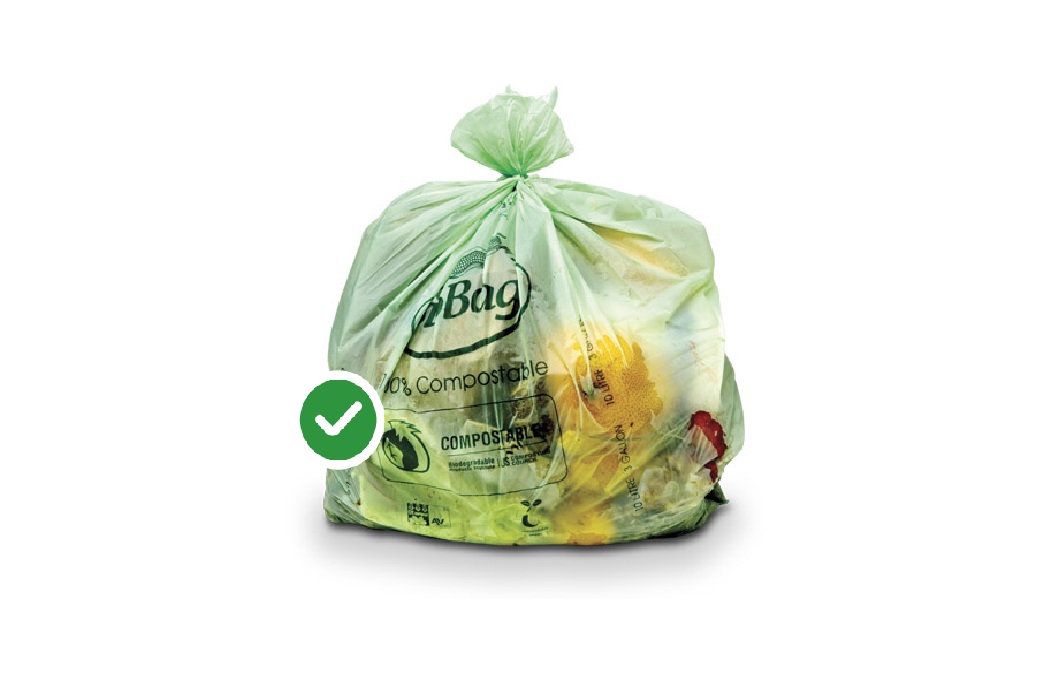
Credit: www.calgary.ca
Frequently Asked Questions
What Are Biodegradable Trash Bags Made Of?
Biodegradable trash bags are made from plant-based materials like cornstarch or vegetable oils. These materials break down naturally, reducing plastic waste and environmental impact. They decompose faster than traditional plastic bags in composting conditions, making them eco-friendly alternatives for waste disposal.
How To Properly Dispose Of Biodegradable Trash Bags?
Dispose of biodegradable trash bags in compost bins or green waste containers. Avoid placing them in regular landfill trash, as they need specific conditions to break down efficiently. Follow local guidelines for compostable waste to ensure proper decomposition and minimize environmental harm.
Can Biodegradable Bags Handle Heavy Or Wet Trash?
Yes, many biodegradable trash bags are designed to hold heavy or wet waste. However, check the bag’s strength rating before use. Some bags may tear with sharp or very wet items, so choose a durable option for tougher trash to avoid leaks and messes.
Are Biodegradable Trash Bags Safe For The Environment?
Biodegradable trash bags are safer than conventional plastic bags as they break down naturally. They reduce plastic pollution and help lower landfill waste. However, their environmental benefits depend on proper disposal and composting conditions, so always follow disposal guidelines.
Conclusion
Choosing biodegradable trash bags helps reduce plastic waste. They break down faster in the environment. Using them is simple and fits daily trash needs. This small change supports cleaner land and oceans. Everyone can make a difference by switching today.
Waste less, care more for our planet. Start using biodegradable bags for a greener tomorrow.