
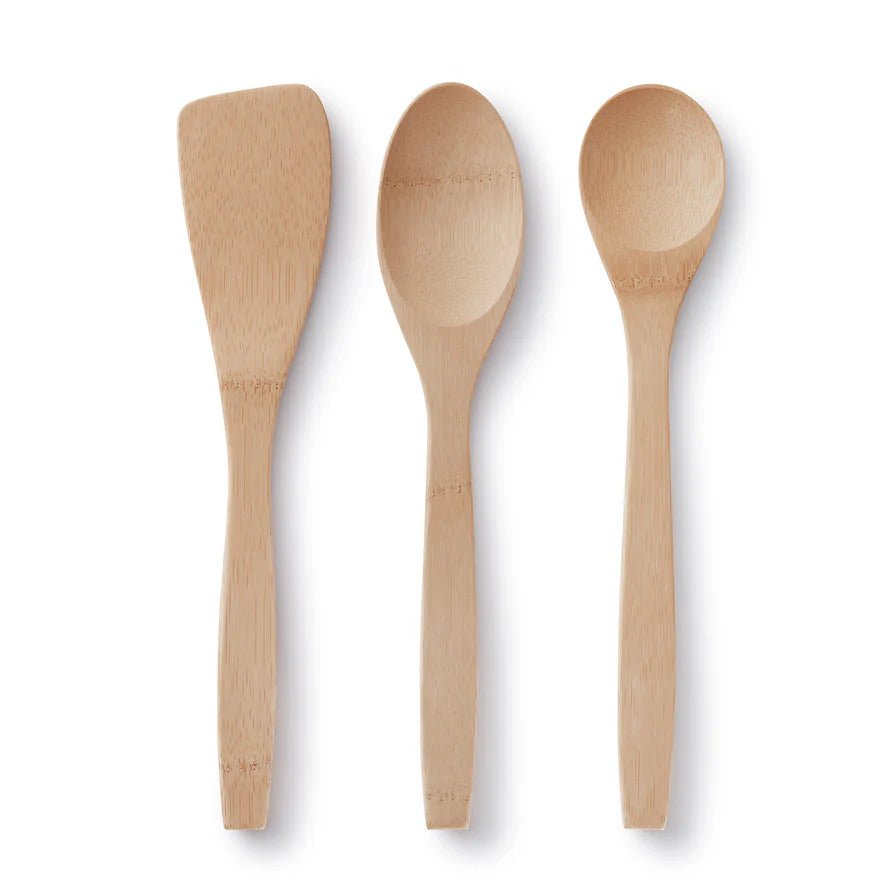
Are you looking for a simple way to make your cooking healthier and more eco-friendly? Bamboo utensils might be the answer you didn’t know you needed.
They’re lightweight, durable, and gentle on your cookware. But how do you use them properly to get the best results? You’ll discover easy tips and tricks to bring bamboo utensils into your kitchen routine. Keep reading, and you’ll soon be cooking smarter, cleaner, and with more style than ever before.
Benefits Of Bamboo Utensils
Bamboo utensils are popular in many kitchens. They offer several benefits for cooking and the environment.
People choose bamboo utensils for their eco-friendly nature, durability, and health advantages.
Eco-friendly Material
Bamboo grows quickly, making it a renewable resource. It does not require harmful pesticides or fertilizers.
Using bamboo utensils helps reduce plastic waste in the kitchen. They decompose naturally over time.
- Bamboo is biodegradable
- Requires less water to grow
- Reduces carbon footprint
Durability And Longevity
Bamboo utensils are strong and long-lasting. They resist heat and do not easily crack or warp.
They maintain their shape and look for many years, even with regular use.
- Resistant to scratches
- Withstands high temperatures
- Lightweight yet sturdy
Health And Safety Advantages
Bamboo utensils are safe for non-stick cookware. They do not release harmful chemicals when cooking.
Their natural surface resists bacteria, making them hygienic for food preparation.
- Non-toxic and BPA-free
- Gentle on cookware surfaces
- Easy to clean
Credit: www.temu.com
Choosing The Right Bamboo Utensils
Bamboo utensils are a great choice for cooking. They are light, strong, and safe for your pots and pans. Picking the right bamboo utensils helps you cook better and keep your kitchen tools lasting longer.
To find the best bamboo utensils, you need to know the different types, how to check their quality, and where to buy them. This guide will help you make a smart choice.
Types Of Bamboo Utensils
Bamboo utensils come in many shapes and sizes. Each type serves a different cooking need. Knowing these types will help you pick what fits your kitchen best.
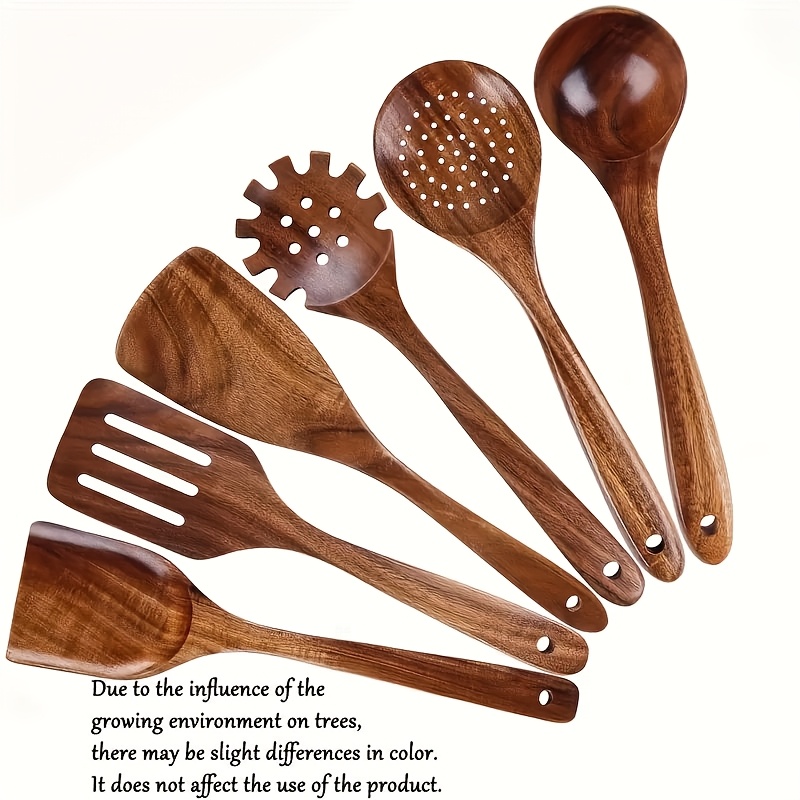
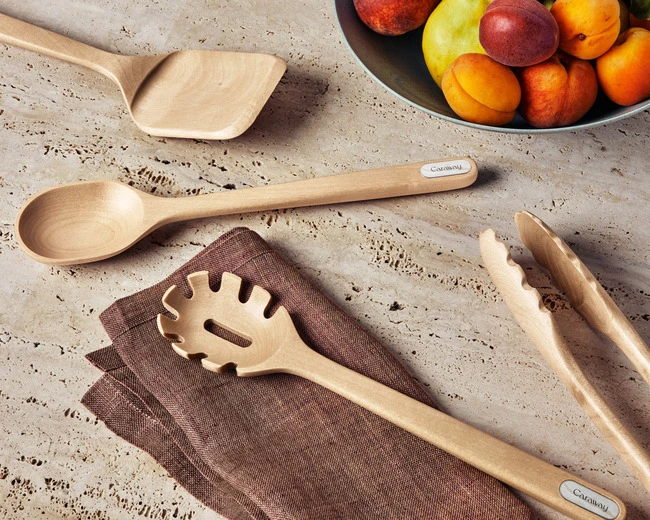
- Spoons: Good for stirring sauces and soups.
- Spatulas: Perfect for flipping and turning food.
- Tongs: Useful for grabbing and serving food.
- Chopsticks: Ideal for Asian cooking and eating.
- Salad servers: Designed to toss and serve salads.
Quality Indicators
High-quality bamboo utensils feel smooth and have no cracks. The bamboo should be strong and well-finished. This means they last longer and stay safe to use.
- Look for utensils with a smooth surface and no splinters.
- Check if the bamboo is natural and untreated.
- Choose utensils that are thick and sturdy.
- A good finish helps prevent water damage and stains.
- Make sure the utensils do not have a strong smell.
Where To Buy
You can buy bamboo utensils in many places. Look for stores that sell kitchen tools or eco-friendly products. Online shops offer many options and reviews from other buyers.
- Local kitchenware stores often have bamboo utensils.
- Eco-friendly shops focus on natural materials.
- Online marketplaces provide wide selections and prices.
- Farmers markets sometimes sell handmade bamboo utensils.
Cleaning Bamboo Utensils
Bamboo utensils are eco-friendly and gentle on cookware. Proper cleaning helps keep them safe and lasting longer.
Cleaning bamboo utensils correctly prevents cracks, stains, and bad smells. Follow simple steps to care for them well.
Hand Washing Tips
Always wash bamboo utensils by hand. Do not put them in the dishwasher. Hot water and harsh detergents can cause damage.
Use mild dish soap and warm water. Gently scrub the utensils with a soft sponge or cloth to remove food.
- Rinse well to remove all soap
- Clean soon after use to avoid stains
- Do not soak bamboo utensils for a long time
Avoiding Damage
Do not use steel wool or rough scrubbers. They can scratch and weaken the bamboo surface.
Avoid leaving bamboo utensils in water or damp places. This can cause warping or mold growth over time.
- Keep away from extreme heat or direct sunlight
- Use cutting boards and avoid hard chopping on utensils
- Apply food-safe mineral oil once a month to protect wood
Drying And Storage
After washing, dry bamboo utensils quickly with a clean towel. Make sure to remove all moisture.
Store utensils in a dry, well-ventilated area. Avoid closed containers that trap moisture and cause mold.
- Place utensils upright to air dry completely
- Keep away from humid kitchen spots
- Regularly check for cracks or mold and replace if needed
Credit: www.carawayhome.com
Maintaining Bamboo Utensils
Bamboo utensils are strong and light. They need care to last long in your kitchen.
Proper maintenance keeps bamboo smooth and safe to use with food.
Oiling Techniques
Oiling bamboo utensils stops them from drying out. It also keeps them shiny and smooth.
Use food-safe oils like mineral oil or coconut oil. Avoid cooking oils that can turn sticky.
- Clean utensils and dry them well before oiling
- Apply a small amount of oil with a soft cloth
- Let the oil soak in for a few hours or overnight
- Wipe off any extra oil with a clean cloth
- Oil utensils once a month or when they look dry
Preventing Cracks And Splits
Cracks happen when bamboo dries too fast or is left in water too long. Avoid these mistakes.
Do not soak bamboo utensils in water. Wash them quickly and dry right away.
- Do not put bamboo utensils in dishwasher
- Keep utensils out of direct sunlight
- Store utensils in a dry place with good air flow
- Use oil regularly to keep bamboo moist
When To Replace
Replace bamboo utensils if they crack deeply or develop splits. These can harbor bacteria.
Also replace utensils if they start to smell bad or change color a lot.
- Deep cracks or splits are unsafe
- Persistent bad odors mean it is time to replace
- Severe discoloration shows wear
Cooking With Bamboo Utensils
Bamboo utensils are a natural choice for cooking. They are light, strong, and easy to use.
Using bamboo tools can protect your cookware and help keep your food fresh. Learn how to use them well.
Best Uses In The Kitchen
Bamboo utensils work well with non-stick pans. They do not scratch or damage the surface.
These tools are perfect for stirring, mixing, and serving food. They handle most kitchen tasks easily.
- Stirring sauces and soups
- Flipping pancakes or eggs
- Mixing ingredients in bowls
- Serving salads and cooked dishes
Handling Hot Foods
Bamboo utensils do not conduct heat like metal ones. This makes them safer to use with hot foods.
They stay cool to the touch, so you can cook without burning your hands or wrists.
- Use bamboo spoons for stirring hot soups
- Flip hot items without heat transfer
- Serve hot dishes without discomfort
Avoiding Cross-contamination
Keep bamboo utensils clean to stop germs from spreading. Wash them well after each use.
Use separate bamboo tools for raw and cooked foods. This lowers the chance of foodborne illness.
- Clean utensils with warm, soapy water
- Dry bamboo tools completely before storing
- Use different utensils for raw meat and vegetables
- Replace bamboo tools if they crack or split
Eco-friendly Tips For Bamboo Utensils
Bamboo utensils are a great choice for cooking and caring for the environment. They are natural, strong, and safe to use in the kitchen.
Using bamboo helps reduce waste and supports a cleaner planet. Here are simple tips to use bamboo utensils in an eco-friendly way.
Sustainable Sourcing
Choose bamboo utensils made from sustainably grown bamboo. This means the bamboo is harvested without harming the environment.
Look for products with certifications or ask sellers about their sourcing methods. Sustainable bamboo grows quickly and does not need many chemicals.
- Supports healthy forests
- Reduces deforestation
- Protects wildlife habitats
Reducing Plastic Waste
Use bamboo utensils instead of plastic ones to cut down on plastic waste. Bamboo breaks down naturally and does not pollute the earth.
Keep bamboo utensils for a long time by cleaning and drying them well. This stops bacteria and keeps them safe to use.
- Bamboo lasts longer than plastic
- Easy to clean with mild soap
- Do not soak bamboo in water
Upcycling Old Utensils
Old bamboo utensils can be reused or turned into new items instead of throwing them away. This lowers waste and saves resources.
Cut old utensils into small pieces for plant markers or craft projects. Sand rough edges to make them safe to handle.
- Make garden plant labels
- Create small kitchen hooks
- Use in art and craft work

Credit: www.amazon.ca
Frequently Asked Questions
Are Bamboo Utensils Safe For Cooking?
Yes, bamboo utensils are safe for cooking. They are natural, non-toxic, and do not leach harmful chemicals. Bamboo is heat-resistant and won’t scratch your cookware, making it a great eco-friendly alternative to plastic or metal utensils.
How Do You Clean Bamboo Utensils Properly?
Clean bamboo utensils with warm soapy water immediately after use. Avoid soaking them for long periods to prevent cracking. Dry them thoroughly with a towel and air dry to maintain their durability and prevent mold growth.
Can Bamboo Utensils Be Used With Non-stick Cookware?
Yes, bamboo utensils are gentle on non-stick cookware. They won’t scratch or damage the coating, ensuring your pans remain in good condition. Bamboo is an excellent choice for maintaining the longevity of non-stick surfaces.
How To Maintain Bamboo Utensils For Longer Use?
To maintain bamboo utensils, oil them occasionally with food-safe mineral oil. This prevents drying and cracking. Store them in a dry place away from direct sunlight to preserve their strength and appearance.
Conclusion
Bamboo utensils bring a natural touch to your cooking. They are light, strong, and gentle on pots. Using them helps avoid scratches on non-stick pans. Cleaning is easy with warm water and mild soap. Remember to dry them well to last longer.
Choosing bamboo supports eco-friendly kitchen habits. Try them in your daily cooking routine. Small changes make a big difference for the planet. Enjoy cooking with simple, safe, and natural tools.