
Are you looking for a simple way to make your kitchen more eco-friendly? Bamboo utensils might be the perfect choice for you.
They are natural, durable, and stylish—but only if you know how to use and care for them properly. You’ll discover easy tips to get the most out of your bamboo utensils. By the end, you’ll feel confident using them every day, saving money, and helping the planet—all at once.
Ready to transform your cooking experience? Let’s dive in!

Credit: holycitystrawcompany.com
Benefits Of Bamboo Utensils
Bamboo utensils are becoming popular in many homes. They offer many benefits over plastic or metal tools.
These utensils are not only good for cooking but also good for the environment and your health.
Eco-friendly Advantages
Bamboo grows fast and does not need many chemicals. This makes it a green choice for utensils.
Using bamboo helps reduce plastic waste and lowers pollution. It is a natural resource that keeps growing.
- Bamboo is renewable and sustainable
- Biodegrades quickly without harming the earth
- Requires less water and no pesticides to grow
Durability And Strength
Bamboo utensils are strong and last a long time. They can handle heat and pressure well.
They do not break easily like plastic and stay smooth without splinters when cared for properly.
- Resistant to cracking and warping
- Lightweight yet sturdy for daily use
- Hold up well against moisture and heat
Health And Safety Features
Bamboo utensils are safe for cooking and eating. They do not release harmful chemicals when heated.
They naturally resist bacteria and are easy to clean, making your kitchen healthier and safer.
- Free from toxic chemicals and plastics
- Natural antibacterial properties
- Non-porous surface reduces germs
Choosing The Right Bamboo Utensils
Bamboo utensils are eco-friendly and durable. They add a natural touch to your kitchen.
Picking the right bamboo utensils helps in cooking and serving better. This guide will help you choose wisely.
Types Of Bamboo Utensils
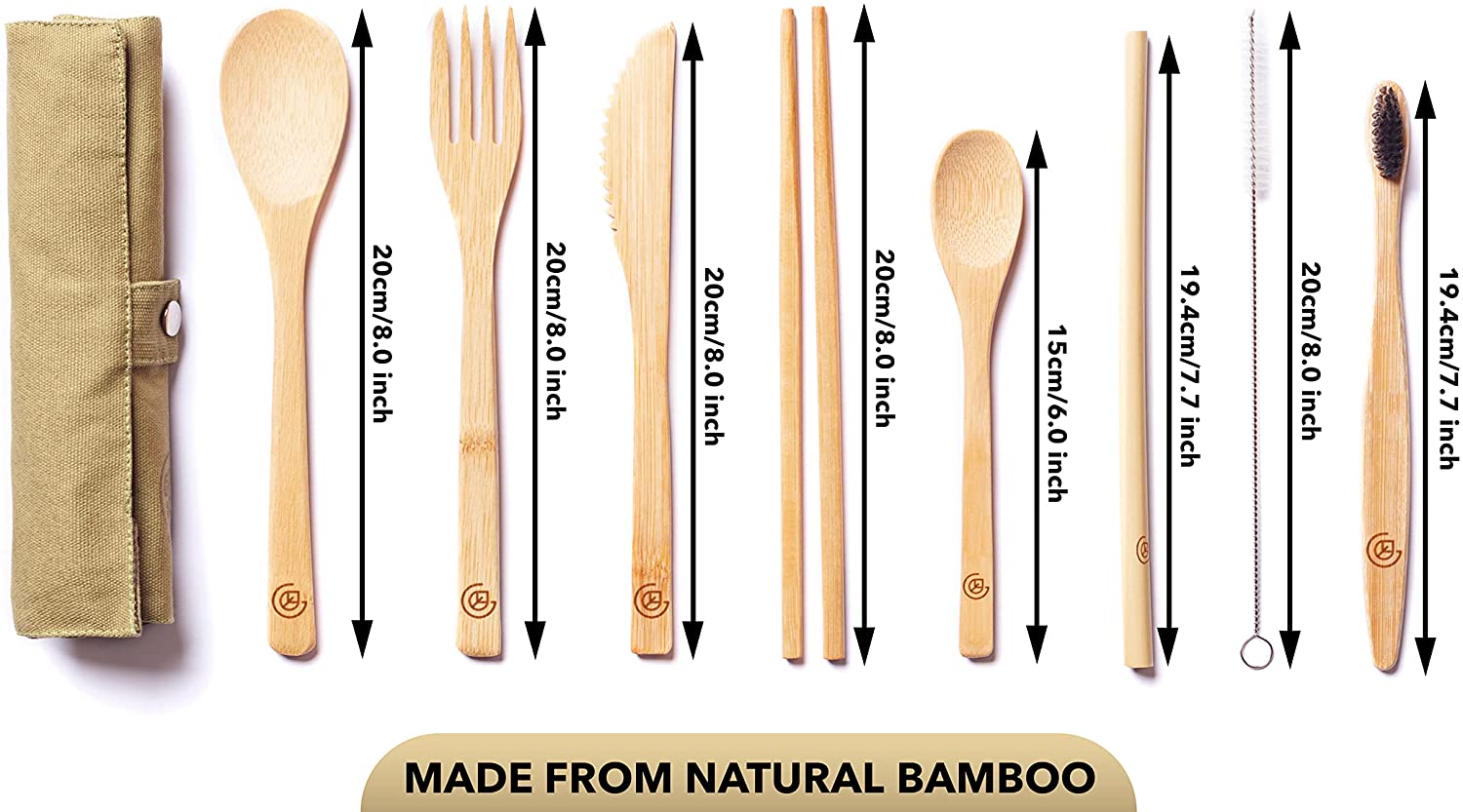
Bamboo utensils come in many shapes and sizes. Each type fits different kitchen needs.
- Spoons: Good for stirring and serving soups or stews.
- Spatulas: Great for flipping and mixing food in pans.
- Chopsticks: Ideal for eating Asian dishes or small bites.
- Salad tongs: Perfect for tossing and serving salads.
- Knives: Used for cutting soft fruits and vegetables.
Quality Indicators To Look For
Quality bamboo utensils last longer and work better. Look for signs that show good craftsmanship.
| Indicator | What It Means |
| Smooth finish | No rough edges or splinters |
| Even color | Consistent bamboo material |
| Strong joints | Utensils do not break easily |
| Food-safe coating | Safe for cooking and serving |
| Lightweight | Easy to handle and use |
Where To Buy
You can find bamboo utensils at many places. Choose stores that offer good quality and fair prices.
- Specialty kitchen stores
- Eco-friendly product shops
- Online marketplaces with user reviews
- Farmers markets or craft fairs
- Local stores supporting sustainable goods
Cleaning And Maintenance Tips
Bamboo utensils last longer with proper care. Clean them carefully after each use. Good maintenance keeps them safe and attractive.
Follow simple tips to avoid damage and keep bamboo utensils smooth. Regular care helps maintain their natural look and strength.
Proper Washing Techniques
Wash bamboo utensils by hand with warm water and mild soap. Avoid soaking them for a long time to prevent swelling and cracking.
- Use a soft sponge or cloth to clean gently
- Rinse thoroughly to remove all soap
- Dry immediately with a towel
- Let them air dry fully before storing
Avoiding Damage
Keep bamboo utensils away from extreme heat and moisture. Do not put them in dishwashers or microwaves. These can cause warping or splitting.
| Action | Effect on Bamboo Utensils |
| Dishwasher use | Causes cracking and fading |
| Soaking in water | Leads to swelling and warping |
| Exposure to direct heat | Dries out and weakens the wood |
| Using harsh scrubbers | Scratches and removes finish |
Seasoning Bamboo Utensils
Seasoning protects bamboo and keeps it smooth. Use food-safe oil like mineral or coconut oil. Apply a thin layer to dry utensils regularly.
- Clean and dry utensils before oiling
- Use a soft cloth to rub oil evenly
- Let oil soak in for a few hours or overnight
- Wipe off any extra oil with a clean cloth
- Repeat every few weeks for best results
Using Bamboo Utensils In Cooking
Bamboo utensils are a popular choice for cooking. They are light, strong, and eco-friendly.
Using bamboo utensils properly helps keep them in good shape. This guide shares tips on how to cook with them.
Best Practices For Different Cuisines
Bamboo utensils work well with many types of food. They do not scratch cookware or change flavors.
For Asian dishes, use bamboo spatulas for stir-frying. They handle quick movements well.
- Use bamboo spoons for serving soups and sauces.
- For baking, bamboo brushes help spread oil or butter.
- Bamboo forks work great for salads and cold dishes.
Handling Heat And Stains
Bamboo can handle heat but avoid direct contact with flames. High heat may cause cracks.
Some foods can stain bamboo utensils. Clean them soon after use to avoid marks.
- Wash with warm, soapy water right after cooking.
- Do not soak bamboo utensils for a long time.
- Dry them completely before storing to prevent mold.
- Use light sanding to remove stubborn stains.
Pairing With Other Cookware
Bamboo utensils are safe to use with non-stick and ceramic cookware. They do not scratch surfaces.
They also work well with stainless steel and cast iron. Be gentle to avoid wear on bamboo.
- Use bamboo spoons for stirring in non-stick pans.
- Choose bamboo spatulas for flipping food on ceramic griddles.
- Pair bamboo tongs with stainless steel grills for easy handling.
Storing Bamboo Utensils Safely
Bamboo utensils are strong and light. Proper storage helps them last longer.
Keeping bamboo dry and clean prevents damage and keeps them safe to use.
Optimal Storage Conditions
Store bamboo utensils in a dry place with good air flow. Avoid damp areas.
Keep them away from direct sunlight and heat sources to stop warping.
- Use a utensil holder with open sides for air flow
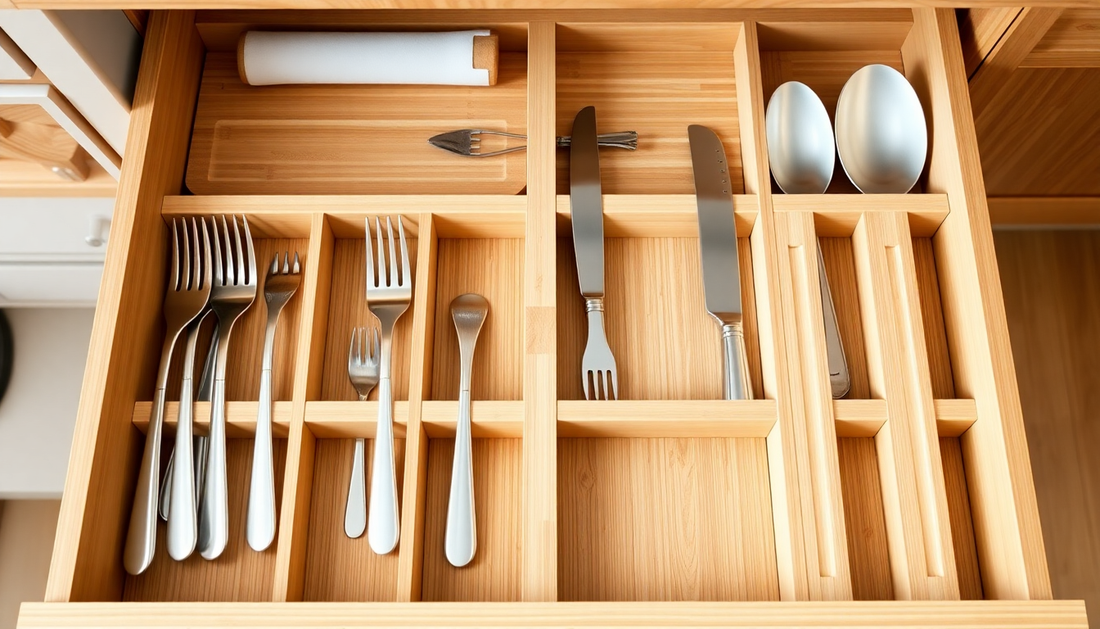
- Store in a drawer with dividers to avoid scratching
- Keep away from sinks and dishwashers
Preventing Mold And Cracks
Do not store bamboo utensils while wet. Dry them fully before putting away.
Clean utensils gently and oil them regularly to stop cracks and mold.
- Wash with mild soap and warm water
- Dry with a cloth and air dry completely
- Apply food-safe mineral oil once a month
- Avoid soaking bamboo in water

Credit: naturepoly.com
Replacing Plastic Utensils With Bamboo
Plastic utensils harm the environment and take many years to break down. Bamboo utensils offer a natural and eco-friendly alternative. They are strong, reusable, and safe for daily use.
Switching to bamboo utensils helps reduce plastic waste. It is a simple change that supports a cleaner planet and healthier living.
Environmental Impact
Bamboo grows quickly and does not need pesticides or fertilizers. This makes it a sustainable resource. Using bamboo utensils lowers plastic pollution in oceans and landfills.
Plastic can take hundreds of years to decompose. Bamboo breaks down naturally in a short time. This reduces harmful waste and protects wildlife.
- Bamboo is biodegradable and compostable
- Plastic releases toxins when it breaks down
- Bamboo harvesting has a low environmental footprint
Cost Comparison
Bamboo utensils often cost more upfront than plastic ones. Plastic utensils are cheap but usually single-use. Bamboo utensils can be reused many times, saving money over time.
Buying bamboo utensils in sets can reduce the cost per item. Bamboo products also avoid the need to keep buying disposable plastic utensils.
| Utensil Type | Typical Cost | Use |
|---|---|---|
| Plastic | $0.05 – $0.10 each | Single use |
| Bamboo | $1.00 – $3.00 each | Reusable for months |
Long-term Benefits
Bamboo utensils last longer and reduce waste. They stay strong and do not break easily. Over time, they help lower the amount of trash created.
Using bamboo supports sustainable farming and reduces plastic demand. This helps protect natural resources for future generations.
- Bamboo utensils can be cleaned and reused daily
- They reduce need for plastic production and disposal
- Help build habits for eco-friendly living
Creative Uses Beyond Cooking
Bamboo utensils are not only great for cooking. They have many creative uses that can add style and function to your home. You can use them in crafts, decoration, and even as thoughtful gifts.
Using bamboo utensils in new ways helps reduce waste and shows how versatile this natural material can be. Let’s explore some ideas to inspire you.
Craft Projects
Bamboo utensils can be the base for many fun and simple craft projects. They are easy to paint, glue, and shape.
- Make small photo frames by cutting and joining bamboo sticks.
- Create plant markers by writing plant names on bamboo spoons.
- Build wind chimes using bamboo forks and string.
- Design jewelry holders by attaching spoons and forks to a wooden board.
- Craft coasters by cutting bamboo into thin discs and decorating them.
Decorative Ideas
Bamboo utensils can add a natural touch to your home decor. Use them to create unique pieces that brighten any room.
| Decorative Use | Description |
|---|---|
| Wall Art | Arrange bamboo utensils in patterns and mount on a frame. |
| Table Centerpiece | Place bamboo spoons and forks in a rustic jar with flowers. |
| Napkin Rings | Bend bamboo strips to hold napkins stylishly. |
| Ornaments | Paint and hang bamboo pieces as natural decorations. |
These ideas help you use bamboo utensils to decorate your space naturally. You can match colors or keep the natural bamboo look.
Gift Options
Bamboo utensils make great gifts. They are eco-friendly and can be personalized easily.
- Wrap bamboo utensil sets with a handmade cloth for a simple gift.
- Engrave names or special messages on bamboo handles.
- Combine utensils with small potted herbs for a kitchen gift box.
- Use bamboo spoons to make custom spice scoops as favors.
- Create gift tags from bamboo slices and attach to packages.
Credit: greenzla.com
Frequently Asked Questions
How Do You Clean Bamboo Utensils Properly?
To clean bamboo utensils, use warm soapy water and a soft sponge. Rinse thoroughly and dry immediately. Avoid soaking them in water for long periods. This helps maintain their quality and prevents warping or cracking.
Can Bamboo Utensils Be Used With Hot Foods?
Yes, bamboo utensils are heat-resistant and safe for hot foods. They won’t leach chemicals like plastic. Always ensure they are dry before using with hot dishes to maintain their durability.
Are Bamboo Utensils Dishwasher Safe?
Bamboo utensils are not dishwasher safe. The high heat and moisture can damage them. Hand wash them gently with mild soap and water to prolong their lifespan.
How Long Do Bamboo Utensils Last?
Bamboo utensils can last several years with proper care. Regularly oil them with food-safe oil to maintain their finish. Avoid prolonged water exposure to prevent damage.
Conclusion
Using bamboo utensils helps protect the environment and your health. Clean them gently with mild soap and warm water. Avoid soaking to keep them strong and long-lasting. Store them in a dry place to stop mold or cracks. Bamboo utensils bring a natural touch to your kitchen.
They feel good to hold and use every day. Try these simple tips to enjoy bamboo utensils fully. Small changes make a big difference in your cooking routine. Choose bamboo for a green and healthy kitchen habit.