
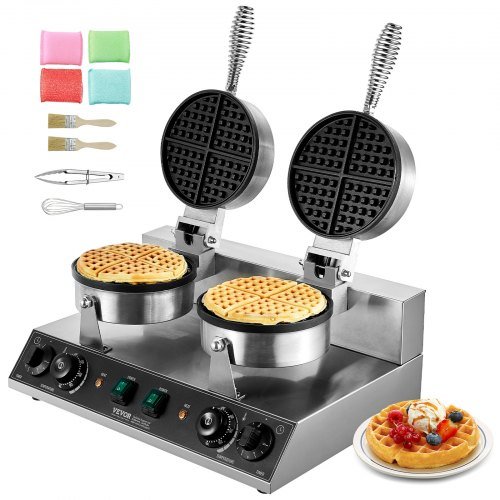
Are you ready to make perfect waffles every time without wasting time or batter? Using a waffle maker efficiently can save you from messy cleanups and uneven cooking.
Whether you’re a beginner or just want to get better results faster, this guide will show you simple tips and tricks to master your waffle maker. Keep reading, and you’ll soon enjoy crispy, golden waffles that taste amazing with less hassle.
Let’s get started!
Credit: www.vevor.com
Choosing The Right Waffle Maker
Picking the right waffle maker helps you cook waffles easily and quickly. It also affects the taste and texture of your waffles.
Consider the type and features that fit your needs before buying a waffle maker.
Types Of Waffle Makers
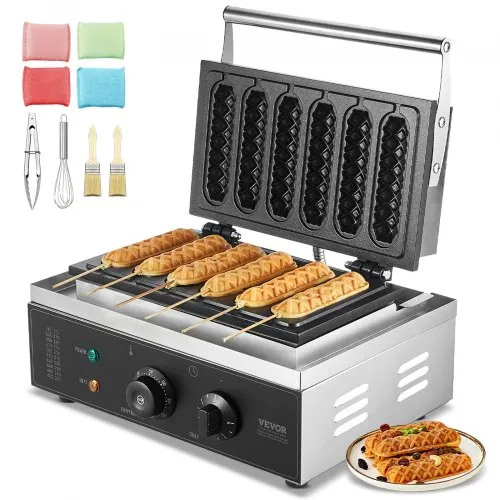
There are many waffle makers. Each type makes a different style of waffle. Choose one based on your favorite waffle style and cooking needs.
- Classic waffle maker:Makes round, thick waffles with deep pockets.
- Belgian waffle maker:Creates large, thick waffles with big squares.
- Flip waffle maker:Allows you to flip the waffle for even cooking on both sides.
- Mini waffle maker:Small size, good for quick snacks or small batches.
Features To Look For
| Feature | Why It Matters |
| Non-stick plates | Makes waffles easy to remove and cleans fast |
| Adjustable temperature | Lets you control waffle crispiness and color |
| Indicator lights | Tells you when the waffle maker is hot or ready |
| Size and storage | Choose a size that fits your kitchen space |
| Easy to clean | Removable plates help with quick cleaning |
Credit: www.consumerreports.org
Preparing The Batter
Making good waffle batter is key to tasty waffles. The right batter helps waffles cook well and taste great.
Follow simple steps to prepare batter that cooks evenly and stays fluffy.
Ingredients For Success
Use fresh ingredients for the best waffle batter. Each item has a role in texture and flavor.
- All-purpose flour for structure
- Baking powder to make waffles rise
- Salt to enhance taste
- Sugar for a touch of sweetness
- Eggs to bind ingredients together
- Milk for smooth batter
- Butter or oil for moisture and crispiness
Mixing Techniques
Mix ingredients gently. Overmixing makes waffles tough and dense.
Start by combining dry ingredients in one bowl and wet ingredients in another. Then, fold wet into dry carefully.
- Whisk dry ingredients to blend evenly
- Beat eggs and milk before adding
- Fold mixtures gently to keep batter light
- Leave some small lumps; do not overmix
Common Mistakes To Avoid
Watch out for mistakes that can spoil your waffle batter. Simple errors affect taste and texture.
- Adding too much flour makes waffles dry
- Overmixing batter causes tough waffles
- Not preheating waffle maker leads to uneven cooking
- Using old baking powder reduces fluffiness
- Skipping oil or butter makes waffles stick
Preheating The Waffle Maker
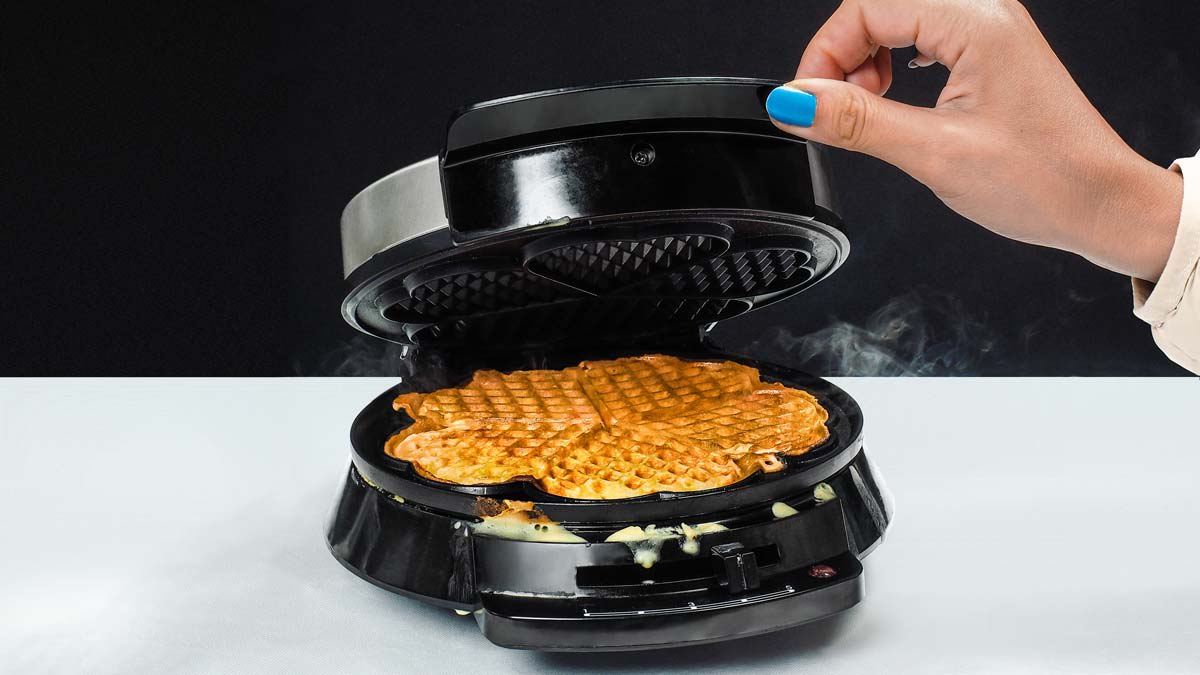
Preheating a waffle maker is key for making perfect waffles. It ensures even cooking and a crispy outside.
Skipping preheating may cause waffles to stick or cook unevenly. Let’s look at how to preheat correctly.
Optimal Temperature Settings
Most waffle makers have temperature controls. Set the temperature to medium or the recommended setting for your model.
- Check your waffle maker’s manual for ideal temperature.
- Use a medium heat setting for golden brown waffles.
- Adjust higher for crispier waffles and lower for softer ones.
Timing For Preheating
Preheating time varies by model. Most waffle makers take 3 to 5 minutes to heat up.
| Waffle Maker Type | Preheat Time |
| Standard Electric | 4 minutes |
| Belgian Style | 5 minutes |
| Non-stick Coated | 3 minutes |
Cooking The Waffles
Using a waffle maker properly helps you cook waffles that are crisp and fluffy. Paying attention to details during cooking ensures the best results.
This guide covers key points on pouring batter, timing the cook, and checking when waffles are ready.
Pouring The Batter Evenly
Pour batter carefully to cover the waffle iron without overflowing. Even spreading helps waffles cook uniformly and prevents mess.
- Use a ladle or measuring cup for consistent amounts
- Pour in the center and let batter spread naturally
- Avoid overfilling to stop batter from leaking out
- Spread gently if needed but do not press the batter down
Monitoring Cook Time
Cook time depends on your waffle maker and batter type. Watch the timer or indicator light closely to avoid undercooking or burning.
| Waffle Type | Cook Time (Minutes) |
| Classic | 4–5 |
| Belgian | 5–6 |
| Whole Wheat | 5–7 |
| Gluten-Free | 4–6 |
Checking For Doneness
Check waffles to see if they are golden brown and crisp. Use these signs to confirm doneness before removing them.
- The edges look firm and slightly browned
- The waffle releases easily from the iron
- Steam slows down or stops coming out
- The surface feels crisp when gently touched
Removing And Serving
Using a waffle maker correctly includes safe removal and serving. This helps keep you safe and your waffles perfect.
Follow these tips to take waffles out easily and serve them nicely.
Safe Removal Techniques
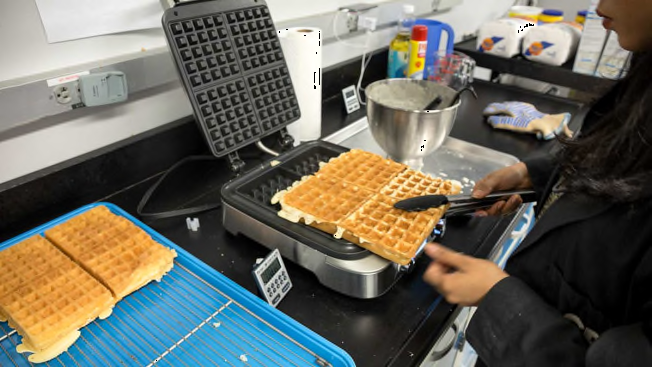
Always wait until the waffle maker is off and cool enough. Use tools that won’t scratch the surface.
- Turn off and unplug the waffle maker.
- Let it cool for a few minutes but not completely cold.
- Use a silicone or wooden spatula to lift the waffle gently.
- Do not use metal tools to avoid damage.
- Place the waffle on a plate carefully to keep its shape.
Serving Suggestions
Serving waffles can be simple or creative. Use toppings to add flavor and style.
| Topping | Description | Serving Tip |
|---|---|---|
| Fresh Fruits | Strawberries, blueberries, or bananas | Slice and spread evenly |
| Syrup | Maple or fruit syrups | Drizzle lightly to avoid sogginess |
| Whipped Cream | Light and fluffy | Add just before serving |
| Butter | Melts into warm waffles | Place a small pat on top |
| Nut Butters | Peanut or almond butter | Spread thinly for richness |
Credit: www.consumerreports.org
Cleaning And Maintenance
Keeping your waffle maker clean helps it work well for a long time. Regular care stops buildup and damage.
Good cleaning and maintenance also keep your waffles tasting fresh and free from old crumbs or grease.
Cleaning After Use
Wait for the waffle maker to cool down before cleaning. This keeps you safe and avoids damage.
Use a soft cloth or sponge with warm, soapy water to wipe the plates. Avoid abrasive tools that can scratch.
- Unplug the waffle maker and let it cool.
- Remove crumbs with a dry brush or cloth.
- Wipe plates with a damp, soapy cloth.
- Clean the outside with a soft, damp cloth.
- Do not immerse the waffle maker in water.
- Dry all parts before storing.
Long-term Care Tips
Keep your waffle maker in a dry, cool place. This prevents rust and damage to electrical parts.
Check the power cord regularly for signs of wear. Replace it if you see cracks or frays.
- Store unplugged and completely dry.
- Use non-stick spray lightly to protect plates.
- Do not use metal tools on cooking surfaces.
- Inspect and clean the waffle maker monthly.
- Follow the manufacturer’s instructions for parts care.
Troubleshooting Common Issues
Using a waffle maker can be simple, but sometimes problems happen. Knowing how to fix common issues helps you save time.
This guide covers three usual problems: uneven cooking, sticky waffles, and waffle maker malfunctions. Learn quick solutions to keep your waffles perfect.
Uneven Cooking
Waffles may cook unevenly if the batter is spread poorly or the machine heats unevenly. This causes some parts to be burnt while others stay raw.
Check that the waffle maker is preheated fully before pouring batter. Spread the batter evenly across the plates to avoid thick or thin spots.
- Preheat the waffle maker until the ready light turns on.
- Use a ladle or cup to pour batter in the center.
- Spread batter gently with a spatula to cover all sections.
- Do not open the lid too soon; wait for the cooking time to finish.
Sticky Waffles
Waffles stick to the plates if you do not grease them or use the wrong batter. Sticky waffles break apart and are hard to remove.
Use a non-stick spray or brush light oil on the plates before cooking. Avoid using very wet or thin batter as it can cause sticking.
- Lightly oil or spray the waffle plates before each use.
- Use batter with the right thickness to prevent sticking.
- Allow waffles to cool slightly before removing them.
- Use a plastic or wooden tool to lift waffles, not metal.
Waffle Maker Malfunctions
Sometimes the waffle maker does not heat, or the power light does not turn on. These malfunctions stop you from making waffles.
Check if the appliance is plugged in properly. Make sure the power outlet works. Clean any batter spills that may block the device’s parts.
- Confirm the power cord is fully plugged in.
- Test the power outlet with another device.
- Clean the waffle maker carefully after each use.
- Do not use water on electrical parts to avoid damage.
Frequently Asked Questions
How Do I Preheat A Waffle Maker Correctly?
Preheat your waffle maker until the indicator light signals readiness. This ensures even cooking and a crispy texture for your waffles.
What Batter Consistency Works Best For Waffle Makers?
Use a smooth, pourable batter that’s not too thick or thin. This prevents overflow and promotes even cooking inside the waffle maker.
How Can I Prevent Waffles From Sticking To The Maker?
Lightly grease the waffle plates with oil or non-stick spray before pouring batter. This helps waffles release easily after cooking.
How Long Should Waffles Cook In A Waffle Maker?
Cook waffles for 4-6 minutes or until golden brown. Avoid opening too early to ensure the waffle cooks fully and crisps well.
Conclusion
Using a waffle maker can be simple and fun. Clean it well before and after use. Measure batter carefully to avoid spills. Preheat the machine for the best results. Watch cooking time to prevent burning. Try different toppings to enjoy your waffles.
Practice makes perfect—don’t give up quickly. Enjoy warm, crispy waffles every time. Keep these tips in mind for easy waffle making. Your kitchen skills will improve step by step. Waffles made right bring smiles to everyone.