
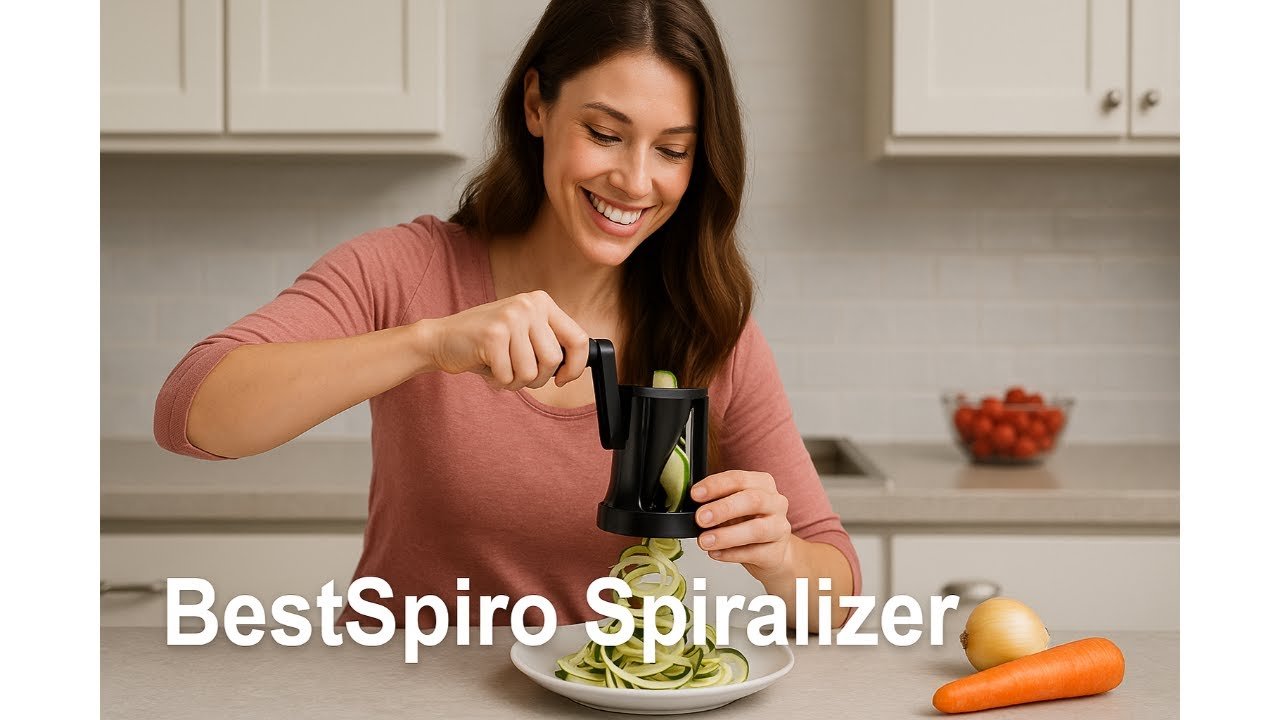
Are you ready to make your meals more exciting and healthy with less effort? Using a vegetable spiralizer can turn ordinary veggies into fun, colorful spirals that add a fresh twist to your dishes.
But if you’re not sure how to use it properly, you might end up frustrated or wasting food. This guide will show you simple, smart tips to get the best results every time. Keep reading, and you’ll soon master your spiralizer, saving time in the kitchen while enjoying tasty, nutritious meals.
Choosing The Right Spiralizer
A vegetable spiralizer helps you make healthy meals fast. Picking the right one saves time and effort. You should think about how you plan to use it before buying.
This guide compares manual and electric models. It also lists key features to find in a good spiralizer.
Manual Vs. Electric Models
Manual spiralizers are simple and cheap. You turn a handle to cut vegetables. They are quiet and easy to clean. But they need more effort and work best with firm vegetables.
Electric spiralizers do the work for you. They save time and are good for large amounts. They can handle many vegetable types. But they cost more and take up more space.
- Manual models are budget-friendly
- Electric models offer speed and ease
- Manual is better for small tasks
- Electric suits bigger cooking jobs
- Manual requires more physical effort
- Electric needs power outlet access
Key Features To Look For
| Feature | Why It Matters | What to Check |
| Blade Quality | Sharp blades cut cleanly and last longer | Look for stainless steel blades |
| Number of Blades | More blades mean more cutting styles | Check if it includes spiral, ribbon, and julienne blades |
| Ease of Cleaning | Cleaning should be quick to save time | Check if parts are dishwasher safe |
| Stability | Prevents slipping during use | Look for suction feet or non-slip base |
| Size and Storage | Fits your kitchen space and storage | Compact design or foldable parts help |

Credit: www.amazon.ca
Preparing Vegetables For Spiralizing
Preparing vegetables properly makes spiralizing easier. It helps the spiralizer work well and keeps the shapes neat.
Good preparation includes cleaning, peeling, and cutting vegetables to fit the spiralizer. These steps save time and reduce waste.
Washing And Peeling
Start by washing vegetables under cold water. This removes dirt and pesticides from the surface.
Peel vegetables if the skin is tough or bitter. Peeling helps create smooth, even spirals.
- Use a vegetable brush for root vegetables
- Peel carrots, cucumbers, and zucchinis if skin is thick
- Keep skin on if it is soft and edible
- Dry vegetables well before spiralizing
Cutting Vegetables To Size
Cut vegetables into lengths that fit your spiralizer. Most spiralizers need pieces about 4 to 6 inches long.
Trim ends to make a flat surface. This helps the vegetable stay steady while spiralizing.
- Remove any soft spots or bruises before cutting
- Cut round vegetables like cucumbers in half if too thick
- Make sure pieces fit snugly without forcing
- Use a sharp knife for clean cuts
Mastering Spiralizing Techniques
Using a vegetable spiralizer can make cooking fun and healthy. It turns vegetables into noodle-like shapes.
Knowing how to handle your spiralizer properly helps you get the best results every time. Here are two key techniques.
Securing The Vegetable
Hold the vegetable firmly on the spiralizer to avoid slipping. This keeps your hands safe and the cuts even.
- Choose vegetables that fit well on the spiralizer’s holder.
- Trim ends if needed to create flat surfaces.
- Press the vegetable tightly against the blade area.
- Use any clamps or grips your spiralizer has for extra hold.
Applying Consistent Pressure
Push the vegetable with steady force while turning the handle. This helps produce even spirals without breaking them.
| Pressure Level | Effect on Spirals |
| Too Light | Vegetable slips, uneven spirals |
| Consistent Medium | Clean, uniform spirals |
| Too Hard | Spirals break, difficult to turn |
Creative Uses For Spiralized Vegetables
Spiralized vegetables add fun shapes and textures to meals. They are easy to cook and eat. Using a spiralizer saves time and makes veggies more appealing.
You can use spiralized vegetables in many dishes. They work well as healthy substitutes for pasta or as fresh salad ingredients.
Zucchini Noodles
Zucchini noodles, also called zoodles, are a great pasta alternative. You can cook them quickly or eat them raw for a crunchy texture. Try different sauces and toppings for variety.
- Lightly sauté zoodles with olive oil and garlic for 2-3 minutes.
- Toss raw zoodles with pesto and cherry tomatoes for a fresh salad.
- Mix zoodles with marinara sauce and meatballs for a classic meal.
- Use zoodles as a base for stir-fry with your favorite vegetables.
- Top zoodles with cheese and bake for a warm dish.
Spiralized Salads
Spiralized vegetables make salads colorful and fun to eat. They add crunch and mix well with dressings. Use a variety of vegetables for a tasty salad bowl.
| Vegetable | Flavor | Best Dressing |
| Carrots | Sweet and crisp | Honey mustard |
| Cucumbers | Cool and fresh | Vinaigrette |
| Beets | Earthy and sweet | Balsamic glaze |
| Radishes | Spicy and crunchy | Lemon dressing |
Maintenance And Cleaning Tips
Keeping your vegetable spiralizer clean and well-maintained helps it last longer. Proper care also keeps it safe to use and working smoothly.
Focus on safe disassembly and protecting the blades during cleaning. These steps make maintenance easier and prevent damage.
Disassembling Safely
Take your time when taking apart the spiralizer. Follow the instructions that come with your device to avoid breaking any parts.
- Make sure your hands are dry to keep a good grip.
- Remove the handle first, if your spiralizer has one.
- Gently pull out the blades and other removable parts.
- Keep all small pieces together to avoid losing them.
- Place parts on a clean surface before washing.
Avoiding Blade Damage
Blades are sharp and fragile. Protect them to keep your spiralizer working well and to stay safe.
| Do | Don’t |
| Use a soft brush to clean blades. | Use metal scrubbers or hard brushes. |
| Store blades in a safe container. | Leave blades loose in drawers. |
| Dry blades fully after washing. | Put blades away when wet or damp. |
| Handle blades with care using gloves if needed. | Touch blades directly without caution. |

Credit: thespiralizer.com
Troubleshooting Common Issues
Using a vegetable spiralizer can be easy and fun. But sometimes you may face small problems. These can slow you down or stop your work.
Below are tips to fix common issues. They help keep your spiralizer working well. Read on to learn how to handle soft vegetables and jams.
Dealing With Soft Vegetables
Soft vegetables can be tricky to spiralize. They may bend or crush instead of making nice spirals. This happens because the vegetable is too soft or wet.
- Choose firmer vegetables when possible, like carrots or cucumbers.
- Chill soft vegetables in the fridge before spiralizing to make them firmer.
- Cut large soft vegetables into smaller pieces for easier handling.
- Press gently on the spiralizer to avoid crushing soft items.
- Use the blade designed for thin slices instead of thick spirals.
Handling Jams And Blockages
Jams happen when vegetable parts get stuck in the spiralizer. This can stop the blades from turning. Clearing jams quickly keeps your work smooth.
| Issue | Cause | Solution |
|---|---|---|
| Blade stops turning | Vegetable pieces stuck | Turn off spiralizer, remove stuck parts with a tool or toothpick |
| Vegetable slips | Not secured tightly | Secure vegetable firmly on prongs before starting |
| Handle hard to turn | Too much pressure applied | Use steady, even pressure while twisting |
| Blade dulls quickly | Cutting very hard vegetables | Use the right blade and sharpen regularly |
Expert Recommendations
Using a vegetable spiralizer can make meal prep faster and more fun. It helps create healthy dishes with fresh veggies.
To get the best results, choose the right tool and try new recipes that fit your taste and lifestyle.
Top Brands To Consider
Many brands offer different types of spiralizers. Some are manual, and some are electric. Picking a good one saves time and effort.
| Brand | Type | Key Feature |
| SpiraEase | Manual | Easy to clean |
| VeggieTwist | Electric | Multiple blade options |
| SlicePro | Manual | Compact design |
| TwirlMaster | Electric | Fast spiralizing |
Innovative Recipes To Try
Spiralized vegetables can replace pasta or add crunch to salads. Try different recipes to enjoy new flavors and textures.
- Zucchini noodles with tomato basil sauce
- Sweet potato spirals roasted with herbs
- Cucumber ribbons in a fresh mint yogurt dip
- Carrot spirals tossed in a spicy peanut sauce

Credit: www.amazon.ae
Frequently Asked Questions
How Do I Choose The Best Vegetable For Spiralizing?
Choose firm and fresh vegetables like zucchini, carrots, or cucumbers. Soft vegetables may not spiralize well. Avoid overly large or watery vegetables for best results.
What Is The Easiest Way To Clean A Vegetable Spiralizer?
Disassemble the spiralizer and rinse parts under warm water immediately after use. Use a brush to remove stuck bits. Dry thoroughly before storing to prevent rust.
How Can I Prevent Vegetables From Breaking While Spiralizing?
Use steady, even pressure while turning the vegetable. Avoid forcing it too hard. Select firm vegetables to reduce breakage and get longer, consistent spirals.
What Recipes Work Best With Spiralized Vegetables?
Spiralized vegetables are great for salads, stir-fries, and low-carb pasta alternatives. They add texture and nutrition to dishes like zucchini noodles or carrot slaws.
Conclusion
Using a vegetable spiralizer can make cooking fun and healthy. Choose fresh vegetables and use the right blade for each type. Always clean the spiralizer after use to keep it in good shape. Try different recipes to enjoy varied meals every day.
Small steps lead to big kitchen improvements. Keep practicing, and you will get faster and better. Enjoy fresh, colorful dishes that everyone will love. Simple tools can help you eat well and save time.