
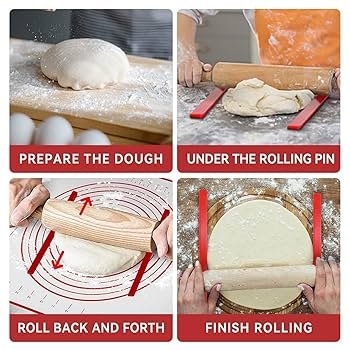
Are you tired of uneven dough and sticky messes every time you use a rolling pin? You’re not alone.
Mastering the art of rolling dough smoothly can change your baking game completely. Imagine effortlessly flattening your dough to the perfect thickness, saving time and avoiding frustration. You’ll discover simple tips and tricks that make using a rolling pin easier and more efficient.
Keep reading, and you’ll soon wonder how you ever baked without this knowledge.

Credit: www.souschef.co.uk
Choosing The Right Rolling Pin
Choosing the right rolling pin makes baking easier and more fun. Different pins suit different tasks and dough types.
It is important to know the types of rolling pins and what works best for your needs.
Material Of The Rolling Pin
Rolling pins come in wood, marble, metal, and silicone. Each material affects how the dough rolls out.
Wood pins are common and easy to handle. Marble pins stay cool, helping with sticky dough.
- Wood: Lightweight and easy to grip
- Marble: Heavy, stays cool to prevent sticking
- Metal: Durable but can be slippery
- Silicone: Non-stick surface, easy to clean
Shape And Size
Rolling pins can be straight or have handles on the sides. The size also matters for your baking tasks.
Straight pins give more control and are good for small dough. Pins with handles are easier to roll large dough.
- Straight pins: Good for detailed work and small batches
- Handled pins: Comfortable for large dough and heavy rolling
- Length: Longer pins cover more dough at once
Weight Of The Rolling Pin
Heavy rolling pins press dough evenly and need less effort. Light pins give more control but need more work.
Choose weight based on your strength and dough type. Heavy pins suit firm dough; light pins suit soft dough.
- Heavy pins: Good for tough dough and quick rolling
- Light pins: Better for delicate dough and fine detail
Ease Of Cleaning
Some rolling pins are easier to clean than others. This helps keep your kitchen tidy and safe.
Wood pins need special care to avoid damage. Silicone and metal pins clean easily with soap and water.
- Wood: Requires hand washing and drying
- Silicone: Dishwasher safe and non-stick
- Metal: Easy to wash but can rust if not dried
Preparing Your Work Surface
Using a rolling pin correctly starts with a clean and ready surface. A good work area helps you roll dough smoothly and evenly.
Prepare your space before rolling to avoid sticking or tearing the dough. This makes your work easier and neater.
Cleaning And Dusting
Make sure your work surface is clean before you start. Dirt or crumbs can stick to the dough and cause problems.
Dust the surface lightly with flour to stop dough from sticking. Use just enough flour to cover the area.
- Wipe the surface with a damp cloth and dry it well.
- Sprinkle a small amount of flour evenly.
- Remove extra flour if it looks too thick.
Using A Pastry Mat
A pastry mat creates a smooth and non-stick surface. It helps keep the dough from sticking and makes cleanup easy.
Place the mat on your countertop and dust it lightly with flour. Roll your dough right on the mat for best results.
- The mat protects your countertop from scratches.
- It keeps flour contained to one area.
- Many mats have measurement guides for even rolling.
Dough Preparation Techniques
Using a rolling pin well helps shape dough quickly and evenly. Good dough preparation makes rolling easier.
This guide shares tips on chilling dough and keeping the right thickness. These help get better baking results.
Chilling The Dough
Chilling dough firms it up. It stops the dough from sticking to the rolling pin.
Cold dough rolls out smoothly and keeps its shape better during baking.
- Wrap dough in plastic wrap before chilling
- Chill for at least 30 minutes in the fridge
- Let dough rest to relax gluten for easier rolling
Proper Dough Thickness
Keep dough thickness even to cook it evenly. Thin dough cooks faster and can get crispy.
Use guides or rolling pin rings to control thickness. Check thickness often while rolling.
- Roll dough to about 1/8 to 1/4 inch thick
- Use rolling pin bands or spacers if available
- Rotate dough often to keep thickness even
Rolling Techniques For Even Dough
Using a rolling pin well helps make dough smooth and even. This is important for baking good bread, cookies, or pies.
Good rolling techniques stop dough from being too thick or thin in some spots. Learn how to roll evenly for better baking results.
Applying Even Pressure
Press the rolling pin down with the same force across the dough. This keeps the dough thickness steady.
Use your hands to feel the pressure and adjust it if some parts feel harder or softer.
- Start rolling from the center outwards
- Keep your arms relaxed but firm
- Check dough thickness often by touch
Rolling In All Directions
Roll the dough not just back and forth but also side to side. This helps spread the dough evenly in every direction.
Turn the dough a little after each roll to keep the shape round and even. Avoid rolling only in one direction.
- Roll vertically, then horizontally
- Turn dough 90 degrees often
- Check edges to avoid thin spots
Handling Sticky Situations
Using a rolling pin can get tricky when the dough sticks to it or the surface. Sticky dough slows down your work and makes it hard to shape.
Learning how to handle sticky dough helps you roll it out smoothly. It keeps the dough even and prevents it from tearing.
Using Flour Sparingly
Adding too much flour to stop sticking can dry out your dough. Use just a little flour on the rolling surface and pin.
Sprinkle flour lightly and roll the pin over it before you start. This helps stop the dough from sticking without changing its texture.
- Lightly dust the counter with flour
- Coat the rolling pin with a thin layer of flour
- Reapply flour only if the dough sticks
- Avoid adding flour directly on the dough
Preventing Dough Tears
Rolling dough too hard or fast can cause tears. Use gentle, even pressure to keep the dough smooth and whole.
Turn the dough often as you roll. This keeps it from sticking and helps you check for thin spots that might tear.
- Roll from the center outward evenly
- Turn the dough 90 degrees after each roll
- Keep dough thickness even to avoid weak spots
- Stop rolling if dough sticks and add light flour
Maintaining Your Rolling Pin
Taking care of your rolling pin helps it last longer. Proper cleaning and storage keep it in good shape.
Learn simple ways to clean and store your rolling pin after every use.
Cleaning After Use
Clean your rolling pin right after you finish using it. Remove all dough and flour to stop it from sticking.
Use warm water and a soft cloth or sponge to wipe it. Avoid soaking the rolling pin in water.
- Do not put wooden rolling pins in the dishwasher
- Dry it well to prevent wood from cracking
- Use mild soap if needed, but rinse it thoroughly
- For stuck dough, use a brush or scraper gently
Storing Properly
Store your rolling pin in a dry place. Keep it away from direct sunlight or heat sources.
Place it on a shelf or hang it to avoid damage. Do not store heavy items on top of it.
- Use a drawer or cupboard for storage
- Keep it separate from sharp objects
- Apply a light coat of oil occasionally on wooden pins
- Check for cracks or warping before use
Common Mistakes To Avoid
Using a rolling pin seems easy, but many make small mistakes. These errors can affect your dough and final baked goods.
Learn what to avoid to roll dough smoothly and get even thickness every time.
Pressing Too Hard
Pressing the rolling pin too hard can tear the dough. It also makes the dough uneven and tough.
Use gentle, even pressure. Let the weight of the rolling pin do the work.
Not Chilling The Dough
Rolling warm dough makes it sticky and hard to work with. It can also lose shape while baking.
Chill dough in the fridge before rolling. This helps keep it firm and easier to handle.
Skipping Flour On Surface
Not using flour on the rolling surface makes dough stick to it. This can tear the dough and ruin its texture.
Lightly dust the surface and rolling pin with flour to prevent sticking. Use sparingly to avoid dry dough.
Rolling Only In One Direction
Rolling the dough in only one direction causes uneven thickness. The dough may stretch more on one side.
Roll the dough forward and backward, turning it often. This keeps the thickness even throughout.
Not Resting The Dough
Rolling dough right after mixing can cause it to shrink back. The gluten needs time to relax.
Let dough rest before rolling. This makes it softer and easier to shape.
Using The Wrong Rolling Pin
Using a rolling pin that is too heavy or small makes rolling harder. It can cause uneven dough.
Choose a rolling pin size and weight that fits your dough and hand size for better control.

Credit: bakabee.com

Credit: www.amazon.com
Frequently Asked Questions
How Do I Prevent Dough From Sticking To The Rolling Pin?
Lightly dust your rolling pin and dough with flour to avoid sticking. Use a smooth, even pressure while rolling. Alternatively, wrap the rolling pin in plastic wrap or use a non-stick rolling pin for cleaner results.
What Is The Best Rolling Pin For Even Dough Thickness?
A rolling pin with adjustable thickness rings is ideal for uniform dough thickness. Wooden or silicone pins with measurements help maintain consistency. This ensures your dough cooks evenly and fits recipes perfectly.
How Should I Clean And Store My Rolling Pin?
Clean your rolling pin with a damp cloth and mild soap. Avoid soaking it in water to prevent warping. Dry it thoroughly and store in a dry place to maintain its shape and longevity.
Can A Rolling Pin Help With Dough Texture?
Yes, a rolling pin smooths dough, creating an even texture. Proper rolling removes air bubbles and ensures consistent thickness. This improves baking quality and final product appearance.
Conclusion
Using a rolling pin well makes baking easier and more fun. Keep your dough smooth and even by rolling gently. Apply just the right pressure to avoid tearing. Remember to clean your rolling pin after each use. Practice often to improve your skill and speed.
A good rolling pin helps create perfect pastries every time. Try these tips, and enjoy cooking with confidence. Simple steps lead to better results in the kitchen. Keep rolling, and your baking will improve day by day.