
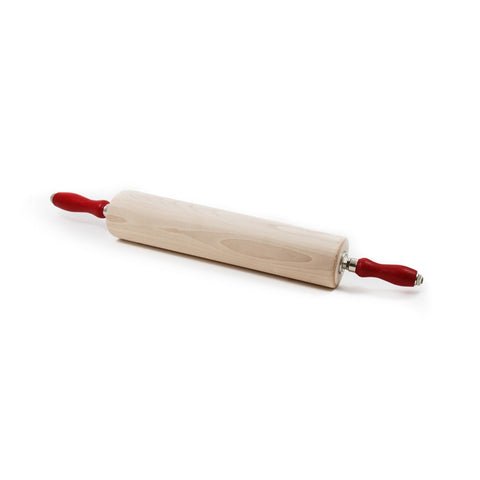
Are you tired of uneven dough and wasted effort every time you use your rolling pin? Learning how to use a rolling pin efficiently can save you time, reduce frustration, and help you achieve perfect results every single time.
Whether you’re making cookies, pizza, or pie crust, mastering the right techniques will make your baking smoother and more enjoyable. Keep reading to discover simple tips and tricks that will transform the way you roll dough, giving you confidence and better outcomes in your kitchen.
Your baking game is about to get a serious upgrade!

Credit: www.souschef.co.uk
Choosing The Right Rolling Pin
Choosing the right rolling pin makes rolling dough easier and more precise. A good rolling pin fits your baking style and comfort.
This guide helps you pick a rolling pin by looking at materials, size, and weight.
Material Options
Rolling pins come in different materials. Each type affects how dough rolls and feels in your hands.
- Wood:Classic choice, smooth surface, good for most doughs.
- Marble:Heavy, stays cool, great for pastry dough.
- Stainless Steel:Durable, easy to clean, can chill before use.
- Silicone:Non-stick surface, light, good for sticky dough.
Size And Weight Considerations
Rolling pins come in many sizes and weights. The right size helps you control the dough better.
| Size | Use | Weight |
|---|---|---|
| Small (9-12 inches) | Small dough, easy to handle | Light |
| Medium (13-18 inches) | Most baking tasks | Medium |
| Large (over 18 inches) | Large dough or big batches | Heavy |

Credit: www.stadlermade.com
Preparing The Dough
Using a rolling pin well helps you get smooth, even dough. Preparing the dough right makes rolling easier.
Good dough preparation stops it from sticking or tearing. It also keeps the dough soft and easy to shape.
Proper Chilling Techniques
Chilling dough firms it up before rolling. Cold dough is less sticky and easier to handle.
Wrap dough tightly in plastic wrap. Chill it in the fridge for at least 30 minutes.
- Chill dough on a flat surface to keep its shape
- Do not freeze dough too long to avoid dryness
- Let dough sit a few minutes after chilling for easier rolling
Flouring The Surface
Flour stops dough from sticking to the table and rolling pin. Use just enough flour to coat the surface.
Too much flour can dry out the dough. Sprinkle flour lightly and add more if needed while rolling.
- Dust the work surface with flour
- Lightly flour the rolling pin
- Lift dough often to add flour underneath
Rolling Techniques
Using a rolling pin correctly helps you get even dough every time. Good rolling techniques save time and improve your baking.
This guide covers two key techniques: using even pressure and the right rolling direction and movement.
Using Even Pressure
Apply steady pressure on the rolling pin to avoid thick or thin spots in the dough. Pressing too hard in one area can cause uneven thickness.
- Place the rolling pin in the center of the dough.
- Press down evenly as you roll outward.
- Lift and reposition the pin if the dough sticks.
- Use your hands to feel for thickness changes.
- Adjust pressure to keep dough uniform.
Rolling Direction And Movement
Rolling in the right directions helps shape the dough. Use smooth, controlled movements to avoid tearing or stretching.
| Direction | Purpose | Tip |
| Center to edge | Spreads dough evenly | Roll gently to avoid holes |
| Back and forth | Flattens dough | Keep pressure steady |
| Rotate dough | Maintains shape | Turn dough 90° often |
Avoiding Common Mistakes
Using a rolling pin seems easy, but many make simple errors. These mistakes can ruin your dough’s texture and shape.
Learning how to avoid these errors helps you roll dough smoothly and evenly every time.
Preventing Sticking
Sticky dough slows your work and tears easily. To stop dough from sticking, use flour or a non-stick surface.
Lightly dust your rolling pin and work surface with flour before rolling the dough.
- Sprinkle flour on the dough and pin
- Use parchment paper under the dough
- Chill dough before rolling to reduce stickiness
Maintaining Dough Thickness
Uneven dough thickness causes uneven cooking. Roll dough evenly to get the same thickness all over.
Check thickness by eye or use guides on your rolling pin if available.
- Roll from the center outwards
- Turn dough frequently for even rolling
- Use rolling pin rings or guides for uniform thickness
Cleaning And Maintenance
Keeping your rolling pin clean is important for safe cooking. Proper care helps it last longer.
Different rolling pins need different cleaning methods. Storing it right keeps it in good shape.
Cleaning Different Materials
Wooden rolling pins should not soak in water. Use a damp cloth to wipe them clean.
Plastic and silicone rolling pins can be washed with warm soapy water. Rinse and dry well.
- Wood: Wipe with damp cloth, dry immediately, oil occasionally
- Plastic: Wash with warm, soapy water, rinse, air dry
- Silicone: Use mild soap, rinse well, dry completely
- Marble: Wipe clean, avoid harsh chemicals, dry thoroughly
Storing Your Rolling Pin
Store your rolling pin in a dry place. Avoid damp areas to prevent damage.
Use a drawer or hang it to keep it safe and easy to reach. Keep it away from heat sources.
- Keep wooden pins oiled and stored in a cool, dry spot
- Plastic and silicone pins can be stored in drawers or containers
- Marble pins need padding to avoid chips or cracks
- Do not stack heavy items on top of your rolling pin

Credit: www.souschef.co.uk
Frequently Asked Questions
What Is The Best Way To Hold A Rolling Pin?
Hold the rolling pin firmly with both hands near the ends. Apply even pressure while rolling to ensure uniform dough thickness.
How Do I Prevent Dough From Sticking To The Rolling Pin?
Lightly flour the rolling pin and dough surface. You can also use a silicone rolling pin or chill the dough before rolling.
How Much Pressure Should I Use When Rolling Dough?
Apply gentle, even pressure to avoid tearing. Press harder for thicker dough and lighter for delicate pastries.
Can I Use A Rolling Pin For Different Dough Types?
Yes, rolling pins work well for bread, pastry, pizza, and cookie dough. Adjust pressure and flour amount based on dough texture.
Conclusion
Using a rolling pin well makes baking easier and more fun. Keep your dough even and smooth with gentle, steady pressure. Roll from the center outwards for best results. Clean your rolling pin right after use to keep it in good shape.
Practice often to feel more comfortable and confident. Small tips can improve your baking every time. Enjoy the process and tasty results!