

Are you tired of uneven cuts and wasted fabric every time you use your rolling cutter? Learning how to use this tool efficiently can save you time, effort, and materials.
Whether you’re a beginner or looking to improve your skills, this guide will show you simple tips to get smooth, precise cuts every time. Keep reading to discover how you can make your cutting tasks easier and more accurate, turning frustration into confidence with your rolling cutter.

Credit: www.amazon.ca
Choosing The Right Rolling Cutter
Using a rolling cutter makes cutting fabric or paper easier. Choosing the right cutter helps you work faster and safer.
Different cutters fit different jobs. Picking the right one saves time and gives cleaner cuts.
Types Of Rolling Cutters
There are many types of rolling cutters. Each type has a specific use depending on the material and cut style.
- Standard rotary cutters: Good for straight cuts on fabric.
- Pinking rotary cutters: Create zigzag edges to prevent fraying.
- Wave rotary cutters: Cut wavy edges for decorative patterns.
- Specialty cutters: Made for leather, vinyl, or thick materials.
Choose a type that matches your project needs. This helps cut smoothly and avoid damage.
Selecting The Correct Blade Size
Blade size affects how easily you cut different materials. Small blades give more control on detailed work.
Larger blades cut faster on big pieces but need more space to move.
- 18mm blades: Best for small, curved cuts and detailed work.
- 28mm blades: Good for general cutting on medium fabrics.
- 45mm blades: Ideal for straight cuts on large fabric pieces.
- 60mm blades: Used for heavy or thick materials like leather.
Pick a blade size that fits the material and your cutting style. Change blades often to keep sharp cuts.
Preparing Your Workspace
Using a rolling cutter needs a clean and organized workspace. Preparing your area helps you cut safely and accurately.
A good setup saves time and prevents accidents. Keep your space clear and tools ready before you start.
Ensuring A Stable Surface
Place your cutting mat on a flat, steady table or desk. A stable surface stops the mat from sliding while you cut.
Make sure the table is strong enough to hold your materials. Avoid surfaces that wobble or tilt.
- Use a non-slip cutting mat for better grip
- Check the table legs for stability
- Clear the surface of any clutter
- Work in a well-lit area to see clearly
Organizing Materials And Tools
Arrange all materials and tools within easy reach. This keeps your workflow smooth and reduces distractions.
Group similar items together, such as fabrics, rulers, and pins. Use containers or trays to keep small tools tidy.
- Place your rolling cutter and replacement blades nearby
- Keep rulers and measuring tools close to your cutting area
- Store scraps and waste in a bin to keep space clean
- Have good lighting focused on your cutting zone
Safety Measures
Using a rolling cutter can be quick and easy. It helps cut fabric and paper smoothly.
Safety is very important when using this tool. Follow these tips to stay safe.
Proper Hand Placement
Keep your fingers away from the blade while cutting. Hold the fabric firmly but safely.
Place your hand on the cutter handle only. Do not put your other hand in the cutting path.
- Hold the cutter with a steady grip
- Keep your guiding hand at least 2 inches away from the blade
- Cut on a flat, stable surface to avoid slips
Using Protective Gear
Wear gloves to protect your hands from cuts. Use safety glasses to protect your eyes from debris.
Make sure your workspace is well-lit. This helps you see clearly and avoid accidents.
- Cut-resistant gloves provide extra safety
- Safety glasses prevent eye injuries
- Good lighting reduces mistakes
Techniques For Precision Cutting
Using a rolling cutter can make cutting fabric or paper faster and cleaner. Precise cutting helps improve your project’s look and fit.
To cut with accuracy, you need good control and tools that help guide your hand. This guide explains how to do it well.
Maintaining Consistent Pressure
Apply steady pressure on the rolling cutter to avoid jagged edges. Too much pressure can damage the material or blade.
Keep your hand relaxed but firm. Press evenly from start to finish for smooth cuts.
- Hold the cutter handle comfortably
- Roll the blade forward without pushing down hard
- Keep the blade edge flat on the cutting surface
- Practice on scrap material to feel the right pressure
Using Guides And Rulers
Guides and rulers help you cut straight lines. Place a ruler on the material and run the cutter along its edge.
Use a metal ruler to protect it from the cutter blade. This also keeps your line clean and prevents slips.
- Align the ruler with your cutting mark
- Hold the ruler firmly to avoid movement
- Cut along the edge of the ruler with the rolling cutter
- Check your blade often to keep it sharp for clean cuts
Maintaining Your Rolling Cutter
Keeping your rolling cutter in good shape helps it cut smoothly and safely. Regular care makes the blade last longer and work better.
Simple maintenance steps prevent problems and keep your cutting tasks easy. Focus on cleaning and replacing parts when needed.
Cleaning The Blade
Clean the blade often to remove dust, glue, and fabric bits. This keeps the blade sharp and stops it from getting stuck.
Use a soft cloth and a small brush to gently clean the blade and handle. Avoid water to stop rust.
- Remove the blade carefully before cleaning
- Use rubbing alcohol to wipe sticky residue
- Dry the blade completely before putting it back
- Wear gloves to protect your hands
Replacing Dull Blades
A dull blade cuts unevenly and can damage your material. Change the blade as soon as you notice difficulty cutting.
Always use the correct blade type for your rolling cutter. Follow the tool’s instructions to replace the blade safely.
- Remove the old blade using the release button or screw
- Handle the new blade by the edges only
- Insert the new blade firmly into place
- Test the cutter on scrap material before use
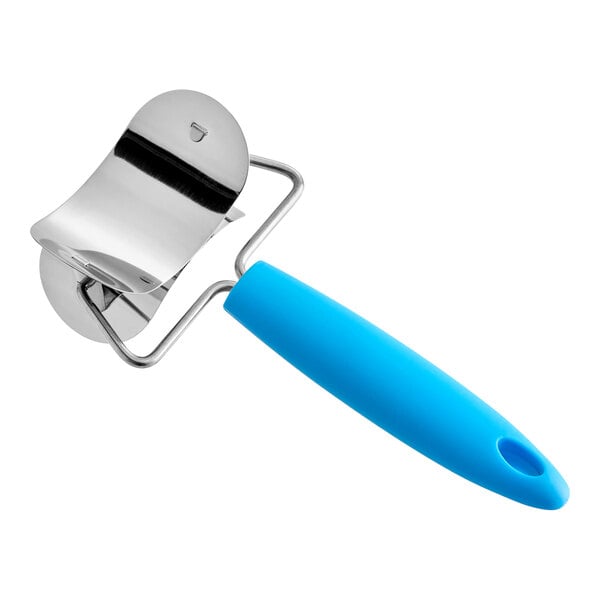
Credit: www.webstaurantstore.com
Troubleshooting Common Issues
Using a rolling cutter can be easy if you know how to fix common problems. Some issues may affect your cuts.
Here are ways to handle skipped cuts and uneven edges for better results.
Dealing With Skipped Cuts
Skipped cuts happen when the cutter blade misses parts of the material. This can cause incomplete cuts.
Check if the blade is dull or dirty. Replace or clean the blade to fix this problem.
- Use a sharp blade for smooth cutting
- Clean the blade and cutting surface often
- Apply steady pressure while cutting
- Make sure the material is flat and secure
Addressing Uneven Edges
Uneven edges happen when the cutter moves at an angle or the blade is not aligned. This causes rough or crooked cuts.
Keep the cutter straight and check the blade position. Adjust the cutter if needed for even edges.
- Hold the cutter firmly and move in a straight line
- Use a ruler or guide to keep the cutter steady
- Replace the blade if it is bent or damaged
- Cut slowly to maintain control
Credit: www.alibaba.com
Frequently Asked Questions
How Do I Choose The Right Rolling Cutter Blade?
Choose a blade based on your fabric type and thickness. Sharp blades cut smoothly and prevent fraying. Replace dull blades promptly for best results. Quality blades improve precision and reduce effort.
What Safety Tips Should I Follow When Using A Rolling Cutter?
Always cut away from your body to avoid injuries. Use a cutting mat to protect surfaces and the blade. Keep fingers clear of the blade path. Store the cutter safely when not in use.
How Can I Maintain My Rolling Cutter For Longevity?
Clean the blade regularly to remove lint and fabric fibers. Store the cutter in a dry place to prevent rust. Replace blades as soon as they become dull to ensure efficient cutting.
What Cutting Techniques Improve Rolling Cutter Efficiency?
Apply consistent pressure without forcing the blade. Use slow, steady motions for accurate cuts. Align fabric edges properly before cutting. Use rulers or guides for straight, clean lines.
Conclusion
Using a rolling cutter correctly saves time and effort. Always keep the blade sharp for clean cuts. Apply steady pressure and move the cutter smoothly. Cut on a proper surface to protect your tools. Regular maintenance extends the life of your cutter.
Practice often to improve your cutting skills. Small tips make a big difference in results. Enjoy your projects with less stress and better precision. Simple steps lead to efficient and safe cutting every time.