
Are you ready to take your baking and cooking skills to the next level? Knowing how to use a pastry brush can make a big difference in your kitchen.
Whether you want to add a shiny glaze to your pie, spread butter evenly on dough, or brush marinade onto meat, this simple tool is your secret weapon. You’ll discover easy tips and tricks to master your pastry brush, so your dishes look and taste amazing every time.
Keep reading, and you’ll be amazed at how this small tool can create big results.

Credit: bakerbettie.com
Choosing The Right Pastry Brush
Using the right pastry brush makes cooking easier and gives better results. Different brushes work best for different tasks in the kitchen.
Choosing the right brush depends on the type, material, size, and shape. These factors affect how you apply sauces, oils, or glazes.
Types Of Brushes
Pastry brushes come in many types. Each type suits a specific cooking need.
- Natural bristle brushes hold sauces well and spread them smoothly.
- Silicone brushes resist heat and are easy to clean.
- Plastic bristle brushes are affordable but less durable.
Materials And Their Uses
Material affects the brush’s durability and how it works with food. Choose based on what you cook most.
- Natural bristles are soft and good for delicate tasks like glazing pastries.
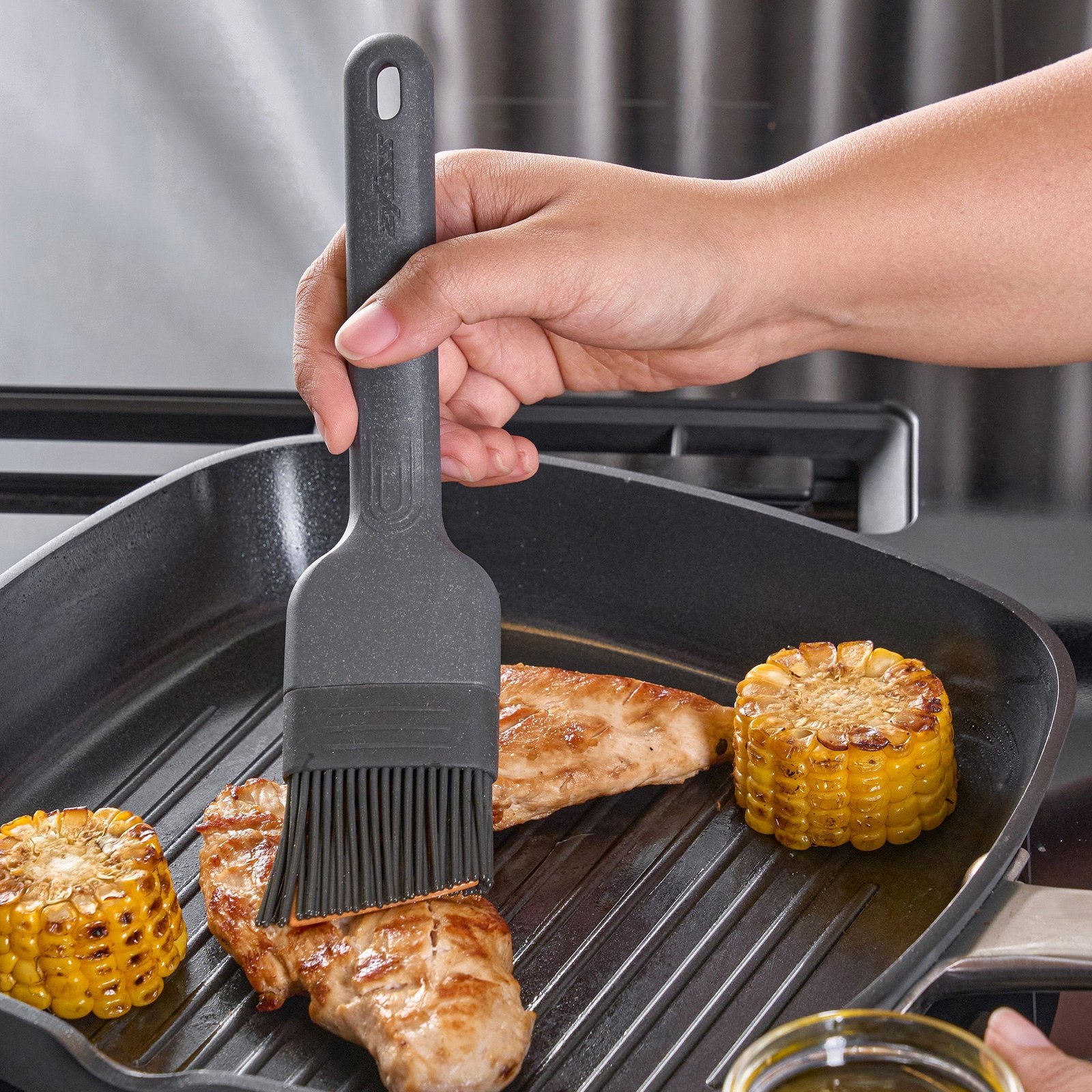
- Silicone brushes can handle high heat and work well for basting meats.
- Plastic brushes are cheap but may melt if used with hot foods.
Size And Shape Considerations
Brush size and shape affect how you spread liquids. Pick a size that fits your cooking style.
- Small brushes work best for detail work like decorating cookies.
- Medium-sized brushes cover areas evenly, good for general use.
- Wide brushes cover large surfaces quickly, ideal for basting meats or breads.
- Flat brushes spread liquids smoothly, while round brushes reach into tight spaces.
Proper Techniques For Using A Pastry Brush
Using a pastry brush helps you spread liquids like egg wash or butter on dough. It makes your baked goods look shiny and tasty.
Knowing the right way to use your pastry brush gives you better control. This guide covers some simple techniques to try.
Applying Even Coats
To get a smooth finish, apply liquids evenly with your pastry brush. Use light, gentle strokes to cover the surface.
Start from the center and brush outward in all directions. This helps avoid thick spots or missed areas.
- Dip brush lightly in liquid
- Tap off extra drip
- Brush in steady, soft strokes
- Cover entire surface evenly
Avoiding Over-application
Too much liquid can make dough soggy or uneven. Avoid soaking your pastry brush before applying.
Use just enough liquid for a thin coat. Dab the brush lightly on the edge of the bowl to remove extra liquid.
- Use a shallow dish for liquids
- Dip brush gently, do not overload
- Brush off excess on bowl edge
- Apply thin, light layers
Handling Delicate Pastries
Delicate pastries can tear or break if brushed too hard. Use a soft touch and a small brush for fragile dough.
Hold the brush at a low angle and use short, careful strokes. This protects the pastry while spreading liquid evenly.
- Choose a soft-bristle brush
- Hold brush gently at a low angle
- Use light, short strokes
- Avoid pressing too hard
Common Uses For A Pastry Brush
A pastry brush is a handy tool in the kitchen. It helps spread liquids or powders evenly on food.
People use pastry brushes for many cooking tasks. These include glazing, applying fats, and dusting ingredients.
Glazing And Egg Wash
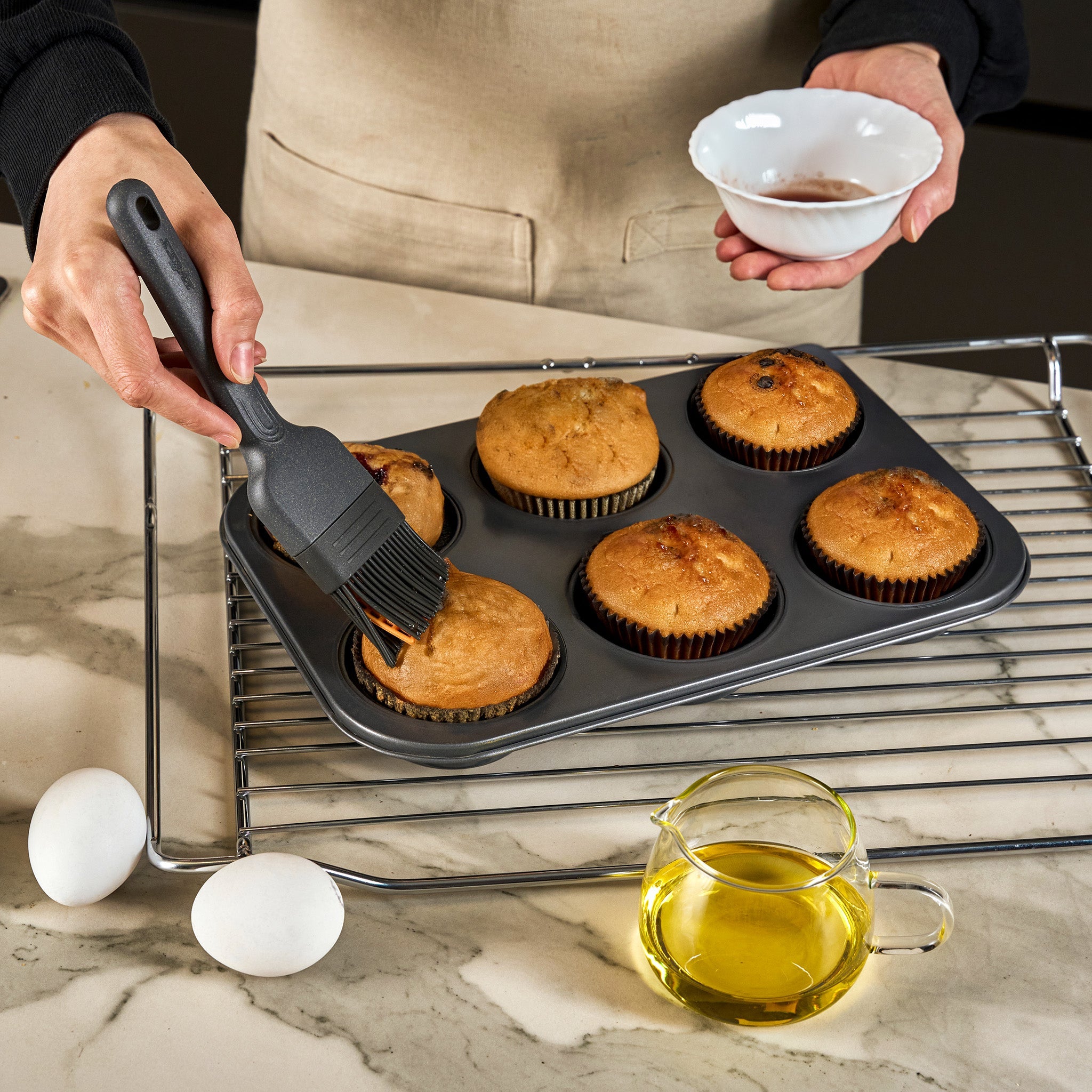
Pastry brushes spread glaze or egg wash on baked goods. This adds shine and helps browning.
Egg wash is a mix of beaten eggs and water or milk. It makes bread or pastry look golden and crisp.
- Brush egg wash on pies before baking
- Apply glaze on donuts or cakes for shine
- Use a light touch to cover evenly
Applying Butter And Oil
Use a pastry brush to spread melted butter or oil on pans or dough. This prevents sticking and adds flavor.
Brushing butter on bread before baking makes a soft crust. Oil on vegetables helps them roast well.
- Brush butter on baking sheets
- Coat dough lightly with oil
- Spread oil on grill grates
Dusting With Flour Or Sugar
A pastry brush can dust flour or sugar on surfaces or dough. This stops dough from sticking or adds sweetness.
Lightly dust flour on your work surface before rolling dough. Sprinkle sugar on pastries for a crunchy top.
- Dust flour on countertop before rolling dough
- Brush sugar over cookies before baking
- Remove excess flour with a dry brush
Credit: zyliss.com
Maintaining Your Pastry Brush
Keeping your pastry brush clean and well stored helps it last longer. Proper care stops old food and bacteria from building up.
Regular maintenance makes sure the brush works well every time you use it in the kitchen.
Cleaning Tips
Wash your pastry brush right after using it. This stops food from drying on the bristles. Use warm, soapy water to clean well.
Rinse the brush under running water to remove soap and leftover food. Avoid soaking wooden handles for a long time to stop damage.
- Use a mild dish soap with warm water
- Gently scrub the bristles with your fingers
- Rinse fully to remove all soap
- Dry the brush by shaking off water
Storage Solutions
Store your pastry brush in a dry place to keep it clean. Avoid places with too much moisture or heat.
Hang the brush by the handle or place it bristle-side up to keep its shape. This helps the bristles stay straight and strong.
- Use a hook or utensil holder for hanging
- Keep the brush away from direct sunlight
- Store in a clean drawer or container
- Make sure the brush is dry before storing
When To Replace Your Brush
Change your pastry brush if the bristles start to break or fall out. Worn brushes do not apply pastry or glaze evenly.
If the brush smells bad even after cleaning, it is time to get a new one. Old brushes can carry germs and affect food taste.
- Bristles are bent, broken, or missing
- Handle is cracked or loose
- Persistent bad smell after washing
- Brush no longer applies glaze evenly
Innovative Uses Beyond Baking
A pastry brush is not just for baking. It can help in many other tasks around the home.
Using a pastry brush in new ways can save time and make work easier.
Crafting And Decorating
Pastry brushes are great for arts and crafts. They help spread glue or paint evenly.
You can also use them to add texture or clean dust from small craft items.
- Apply glue on paper or fabric smoothly
- Paint fine details on models or cards
- Remove dust from delicate decorations
Cooking Applications
Besides baking, pastry brushes help in other cooking tasks. They spread sauces and oils evenly.
Use the brush to baste meat or glaze vegetables for a perfect finish.
- Brush oil on grilling pans or food
- Spread marinades on meats
- Apply egg wash on pastries and bread
- Glaze vegetables before roasting
Household Cleaning Tasks
Pastry brushes can clean hard-to-reach spots at home. Their soft bristles dust small items easily.
Use them to clean keyboards, vents, and other tight spaces.
- Dust computer keyboards and screens
- Clean air vents and fan blades
- Remove crumbs from small corners
- Brush dirt off window tracks

Credit: zyliss.com
Frequently Asked Questions
What Is A Pastry Brush Used For In Baking?
A pastry brush applies liquids like butter, egg wash, or glaze onto dough. It ensures even coating and enhances flavor and texture. Brushes help achieve golden crusts and shiny finishes on baked goods.
How Do You Clean A Pastry Brush After Use?
Rinse the brush immediately with warm water and mild soap. Use your fingers to remove stuck particles. Let it air dry completely before storing to prevent bacteria growth and maintain bristle quality.
Can I Use A Pastry Brush For Grilling?
Yes, pastry brushes are great for applying marinades or sauces on grilled foods. Choose a heat-resistant brush with sturdy bristles to avoid melting or shedding during grilling.
How Often Should I Replace My Pastry Brush?
Replace your pastry brush when bristles become frayed, discolored, or lose shape. Regular replacement ensures hygienic use and optimal performance in applying liquids evenly.
Conclusion
Using a pastry brush makes baking easier and more fun. It helps spread butter, egg wash, or glaze evenly. Clean your brush well after each use to keep it ready. Try different brush types for various tasks in the kitchen.
Practice often to improve your brushing skills. Small steps can make big differences in your baking. Enjoy the process and watch your dishes look better. Simple tools like a pastry brush can boost your cooking joy.