
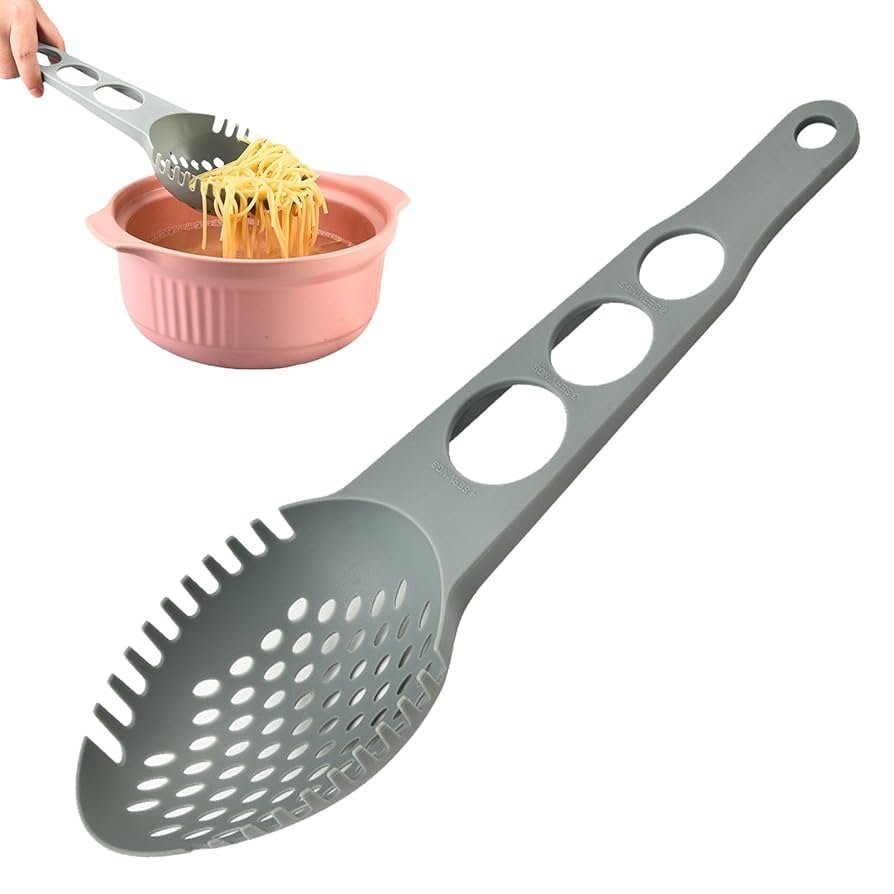
Are you tired of struggling with slippery pasta that slips right off your fork or clumps together on your plate? Using a pasta server the right way can change your whole cooking experience.
With just a few simple tips, you’ll be able to serve pasta quickly, neatly, and without any mess. Keep reading to discover how you can make your pasta nights smoother and more enjoyable—your kitchen skills will thank you!

Credit: www.restaurantsupply.com
Choosing The Right Pasta Server
A pasta server is a helpful tool for serving noodles without making a mess. Picking the right one makes your cooking easier and more fun.
Look for a server that fits your needs and feels good in your hand. This guide will help you find the best pasta server for your kitchen.
Material Of The Pasta Server
Pasta servers come in different materials like plastic, metal, or wood. Each material has its own benefits.
Plastic servers are light and easy to clean. Metal servers are strong and last long. Wooden servers look nice and feel warm.
- Plastic is safe for non-stick pans
- Metal handles heat well but may scratch pans
- Wooden servers need gentle washing to last
Size And Shape
Choose a pasta server size that matches your cooking pots and pasta types. Bigger servers hold more pasta at once.
The shape is important too. Look for servers with wide teeth to grab long noodles easily. A curved design helps scoop pasta better.
- Wide teeth work well for spaghetti and fettuccine
- Curved shape helps scoop pasta without dropping
- Long handle keeps your hand safe from hot water
Handle Comfort And Grip
A comfortable handle makes it easy to serve pasta without slipping. Look for handles with good grip and size that fits your hand.
Some handles have soft covers or textured surfaces. These help you hold the server firmly, even when your hands are wet.
- Soft, non-slip grips prevent accidents
- Ergonomic handles reduce hand strain
- Long handles keep hands away from hot steam
Drainage Features
Good pasta servers have holes or slots to drain water quickly. This helps you serve pasta without extra water on your plate.
Check that the holes are not too big or small. Proper drainage keeps pasta from slipping off while serving.
- Medium-sized slots drain water fast
- Too large holes may let pasta slip through
- Evenly spaced holes improve water flow

Credit: catalunyadiari.com
Understanding Pasta Server Design
A pasta server is a kitchen tool made to help serve pasta easily. It looks like a spoon but has special features.
Knowing how a pasta server is built helps you use it better. It also helps you choose the right one.
Material Considerations
Pasta servers come in different materials. Each material changes how the server works and lasts.
Common materials include stainless steel, plastic, and wood. Each has benefits and limits.
- Stainless steel:Strong and easy to clean, but can get hot.
- Plastic:Lightweight and safe for non-stick pans, but less durable.
- Wood:Gentle on pots and has a natural feel, but can absorb water.
Unique Features
Pasta servers have special parts to help grab and serve pasta well. These parts make them different from regular spoons.
Look for features like teeth, holes, and handle design. They improve grip and make serving easier.
- Teeth:The prongs catch and hold pasta strands without slipping.
- Holes:Drain water while serving, so pasta is not too wet.
- Ergonomic handle:Fits comfortably in your hand for better control.
Techniques For Efficient Serving
Using a pasta server correctly makes serving easier and cleaner. It helps you handle pasta without dropping or breaking it.
Learn simple techniques for gripping, scooping, and controlling portions. These tips save time and reduce mess.
Gripping And Scooping
Hold the pasta server firmly by its handle. Use the curved prongs to grab pasta strands or shapes securely.
Slide the server gently under the pasta. Lift it carefully to keep the noodles from slipping off.
- Grip the handle with your dominant hand
- Use prongs to catch pasta without crushing
- Scoop with a slow, steady motion
- Keep the server level to prevent spills
Portion Control
Use the pasta server’s size to measure servings. One full scoop usually serves one person.
Serve pasta evenly by counting scoops. This helps avoid too much or too little on each plate.
- Fill the server once for a standard portion
- Adjust scoop size for children or light eaters
- Use a timer to keep serving pace steady
- Check portions by weight if needed

Credit: catalunyadiari.com
Tips For Different Pasta Types
Using a pasta server correctly helps you serve pasta easily. Different pasta shapes need different handling techniques.
Here are tips to use a pasta server well for long and short pasta types.
Long Pasta Varieties
Long pasta like spaghetti or fettuccine can tangle easily. Use the pasta server to lift and twist the pasta gently.
Hold the server vertically to grab a good amount without dropping strands.
- Let excess water drain through the server’s holes before serving.
- Use the server’s prongs to separate and portion pasta neatly.
- Twist the pasta on the server to keep it together.
Short Pasta Varieties
Short pasta like penne or fusilli fits well in the pasta server’s scoop. Scoop pasta gently to avoid breaking.
Use the server to lift pasta from the pot or bowl and let water drain before plating.
- Stir pasta with the server to mix sauce evenly.
- Use the server to portion pasta by scooping full servings.
- Hold the server angled to prevent pasta from falling off.
Avoiding Common Mistakes
Using a pasta server seems simple, but many make common errors. These mistakes can make serving pasta messy and hard.
Learning how to avoid these errors helps you serve pasta cleanly and easily. Let’s look at two frequent problems.
Overloading The Server
Putting too much pasta on the server makes it hard to handle. It can drop food or break the pasta.
Serve pasta in small amounts. This keeps the pasta intact and makes it easier to serve.
- Overloading causes pasta to slip off
- Small portions keep pasta stable
- It prevents mess on plates and table
Improper Grip Techniques
Holding the pasta server wrong can lead to dropping pasta or hurting your hand. A firm grip keeps control.
Hold the handle close to your hand. Use your fingers to support the server’s head for balance.
- Grip handle firmly but not too tight
- Use fingers to steady the server’s head
- Keep wrist straight to avoid strain
Maintenance And Care
Using a pasta server properly helps keep it in good shape. Taking care of it extends its life and keeps it clean.
Good maintenance means cleaning and storing your pasta server the right way. This stops damage and keeps it ready for use.
Cleaning Tips
Wash your pasta server soon after use. This prevents food from sticking and drying on it.
Use warm water and mild soap to clean the server. Avoid harsh chemicals that can damage the material.
- Rinse off all food bits before washing
- Use a soft sponge or cloth to avoid scratches
- Dry it completely with a towel to stop rust or mold
- If dishwasher safe, place it on the top rack
Storage Solutions
Store your pasta server in a dry, clean place. Avoid damp areas to prevent rust or mold growth.
Keep it separate from sharp objects that can cause damage. Hanging or placing it in a utensil holder works well.
- Use hooks to hang the server and save space
- Place in a drawer with dividers to avoid scratches
- Keep away from heavy items that can bend it
- Ensure it is fully dry before storing
Enhancing Your Pasta Experience
Using a pasta server helps you serve pasta with ease. It also keeps your portions just right.
With the right technique, you can enjoy every meal more. Let’s explore how to use it well.
Pairing With Sauces
A pasta server helps you mix pasta and sauce evenly. This makes every bite tasty.
Use the server to hold pasta while adding sauce. Stir gently to coat the noodles well.
- Thin sauces work well with long pasta
- Chunky sauces stick better with short pasta
- Use the server’s teeth to hold pasta while saucing
Presentation Tips
A pasta server helps you place pasta neatly on the plate. This makes your meal look inviting.
Twirl the pasta with the server to create a tidy nest. Add sauce on top or around for style.
- Use the server’s curve to shape pasta piles
- Serve pasta in small, neat portions
- Garnish with herbs after plating
Frequently Asked Questions
What Is The Main Purpose Of A Pasta Server?
A pasta server is designed to easily scoop and serve pasta. It helps grip slippery noodles without breaking them. Its prongs prevent pasta from slipping off while serving. This tool makes portioning pasta quick and mess-free.
How Do You Grip Pasta With A Pasta Server?
Use the prongs of the pasta server to grab the noodles. The gaps between prongs allow water to drain. Gently lift and twist to hold the pasta securely. This method prevents clumping and spills.
Can A Pasta Server Help In Measuring Pasta Portions?
Yes, a pasta server can assist in portion control. The prongs help scoop a consistent amount of pasta. It’s useful for serving single or multiple servings. This helps avoid food wastage and uneven servings.
Is It Safe To Use A Pasta Server On Non-stick Pans?
Most pasta servers are made of plastic or silicone. These materials are safe on non-stick cookware surfaces. Avoid metal servers to prevent scratching. Always check the server’s material before use.
Conclusion
Using a pasta server makes serving pasta quick and neat. It holds the noodles well and helps avoid spills. Remember to scoop gently to keep pasta intact. Practice a few times to get comfortable with the tool. Enjoy your meal without the mess or fuss.
Simple steps lead to better pasta serving every time. Try these tips to make your pasta nights easier. A small tool can bring big convenience to your kitchen.