

Are you tired of struggling to serve pasta without making a mess? You might have the perfect tool right in your kitchen but aren’t using it the right way.
A pasta server can make your life easier, helping you grab just the right amount and keep your serving neat. You’ll discover simple steps to use a pasta server like a pro. By the end, you’ll be serving your favorite pasta dishes with confidence and style.
Keep reading—you’re about to unlock a small kitchen secret that brings big results!
Choosing The Right Pasta Server
Picking the right pasta server helps you serve pasta easily and cleanly. The right tool fits your pasta type and kitchen style.
Look for a pasta server that is comfortable to hold and easy to clean. It should also work well with your cookware.
Material Of The Pasta Server
Pasta servers come in different materials like wood, plastic, and metal. Each material has its own benefits.
Wood servers are gentle on pots but harder to clean. Plastic ones are light and dishwasher safe. Metal servers are strong and durable.
- Wood: Good for non-stick pans, natural look
- Plastic: Lightweight, easy to clean, colorful options
- Metal: Durable, strong grip, may scratch cookware
Size And Shape
The size of the pasta server should match the type of pasta you cook most. Large servers work well for long pasta.
Look for servers with wide, curved teeth to hold noodles better. The handle should be easy to grip.
- Long handles keep hands safe from hot water
- Wide teeth hold more pasta
- Curved design prevents noodles from slipping
Heat Resistance
Choose a pasta server that can handle high temperatures. This helps when you scoop pasta straight from boiling water.
Heat-resistant materials last longer and keep you safe from burns. Check the product details for heat limits.
- Silicone servers resist heat up to 400°F (204°C)
- Metal servers handle very high heat but may get hot to touch
- Plastic servers should be BPA-free and heat safe
Ease Of Cleaning
A pasta server that is easy to clean saves time. Look for dishwasher safe options if you want quick cleanup.
Servers without many grooves or joints trap less food. This helps prevent bacteria build-up and keeps your kitchen hygienic.
- Simple shapes clean faster
- Dishwasher safe materials save effort
- Avoid wooden servers that soak water easily
Additional Features
Some pasta servers have extra features like measuring marks or hanging holes. These can add convenience.
Consider what fits your kitchen habits. A hanging hole helps store the server neatly. Measurement marks assist in portion control.
- Hanging hole for easy storage
- Measurement marks for portion control
- Non-slip handle for better grip

Credit: www.amazon.com
Gripping And Holding Techniques
Using a pasta server helps you pick up and serve pasta easily. Knowing how to hold it right makes your task simple and neat.
This guide explains ways to grip and hold the pasta server for better control and less mess.
Hold The Handle Firmly
Grab the handle with your dominant hand. Wrap your fingers around it, keeping your thumb on top. This grip gives a strong hold.
Keep your wrist steady to avoid dropping pasta. A firm grip helps you lift pasta with ease.
Use The Teeth To Secure Pasta
The pasta server has teeth or prongs. Use them to catch and hold pasta strands. Insert the teeth under the pasta before lifting.
Make sure the teeth hold enough pasta so it does not slip. This keeps the pasta in place while serving.
Support With Your Other Hand
Use your other hand to steady the bowl or plate. This helps balance the pasta server while you scoop pasta.
Supporting the bowl prevents spills and makes serving cleaner and easier.
Lift Pasta Gently
Lift the pasta slowly to avoid dropping it. Use a smooth motion from the pot to the plate.
This technique keeps the pasta strands intact and neat on the plate.
Serving Different Types Of Pasta
A pasta server is a helpful tool to serve many kinds of pasta. It makes serving easier and keeps your portions neat.
Different pasta shapes need different ways to use a pasta server. This guide shows how to serve long and short pasta well.
Long Pasta Varieties
Long pasta, like spaghetti and fettuccine, is thin and slippery. A pasta server helps grab and lift these noodles without dropping them.
Use the prongs of the pasta server to scoop and twist the noodles. This holds the pasta firmly and stops it from sliding off.
- Insert the server under the pasta bundle.
- Lift and twist the pasta to grab a good portion.
- Let excess water drain through the holes in the server.
Short And Tubular Pasta
Short pasta like penne and rigatoni has hollow shapes. The pasta server’s prongs help pick up many pieces at once.
Use the pasta server to scoop pasta from the pot. The holes allow water to drain quickly, so your pasta stays dry on the plate.
- Scoop the pasta with the server’s prongs.
- Lift gently to keep pasta pieces from falling.
- Let water drain through the holes before serving.
Preventing Pasta Breakage
Using a pasta server helps you serve pasta without breaking it. Pasta can easily break if handled roughly.
Here are simple ways to use a pasta server to keep your pasta whole and tasty.
Handle Pasta Gently
Lift pasta slowly with the pasta server. Avoid pulling or twisting hard. This stops the noodles from snapping.
Hold the pasta server steady under the noodles to support their weight.
Use The Right Size Pasta Server
Choose a pasta server that fits the type of pasta you cook. Bigger servers work best with long pasta like spaghetti.
Small pasta servers are good for short pasta shapes. The right size helps prevent breakage during serving.
Avoid Overcrowding The Server
Do not scoop too much pasta at once. Too much weight can cause the noodles to break or slip.
- Pick a few noodles at a time
- Serve in small portions
- Repeat until you have enough
Use Warm Water To Rinse The Pasta Server
Rinse the pasta server in warm water before serving. This stops pasta from sticking and pulling apart.
Keep the server clean and smooth to slide easily under noodles without breaking them.
Lift Pasta With Care
Lift pasta straight up, not sideways. Twisting can snap the noodles.
Use both hands if needed: one holds the server, the other supports the bowl or plate.
Ensuring Even Sauce Distribution
Using a pasta server helps to serve pasta with sauce evenly. It keeps the sauce on the pasta, not on your hands.
Even sauce distribution makes each bite tasty and moist. Here are ways to use a pasta server for this purpose.
Scoop Pasta Gently
Use the pasta server to scoop pasta gently from the pot. This keeps the pasta strands intact and coated with sauce.
A gentle scoop helps the sauce stick to the pasta better. Avoid breaking the pasta while serving.
Twist To Drain Excess Water
After scooping, twist the pasta server slightly. This drains extra water but keeps sauce on the pasta.
Removing excess water stops the sauce from becoming watery. It also helps the sauce cling to the noodles.
Mix Pasta And Sauce Together
Use the pasta server to mix pasta and sauce in the pan. Stir gently to coat all noodles evenly.
- Lift and turn pasta carefully
- Spread sauce over all pasta
- Check if sauce covers every strand
Serve With Sauce On Top
When plating, use the pasta server to lift pasta with some sauce on top. This shows the sauce well.
Serving pasta this way keeps sauce visible and tasty in every bite. It also looks more appealing.
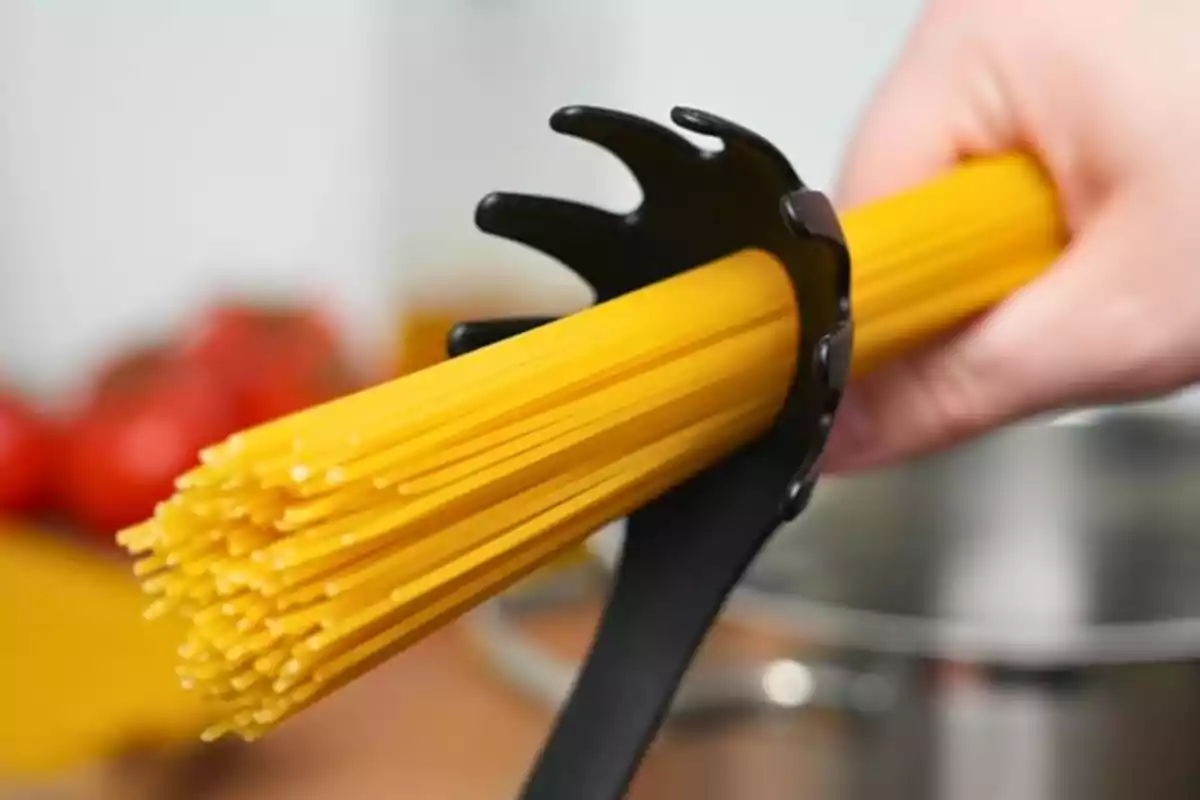
Credit: catalunyadiari.com
Cleaning And Maintenance Tips
Keeping your pasta server clean is important for hygiene and its long life. Dirt and food can stick to the server if not cleaned well.
Follow simple steps to clean and maintain your pasta server easily at home.
Hand Washing Your Pasta Server
Wash your pasta server by hand using warm water and mild soap. This helps remove any stuck food particles.
Use a soft sponge or cloth to avoid scratching the surface of the server.
- Rinse with warm water first
- Apply mild dish soap
- Gently scrub with a soft sponge
- Rinse thoroughly to remove soap
- Dry with a clean towel
Avoiding Dishwasher Damage
Many pasta servers are not dishwasher safe. High heat can damage plastic or wooden parts.
Always check the manufacturer’s instructions before using a dishwasher. Hand wash is safer for most servers.
Maintaining Wooden Pasta Servers
Wooden pasta servers need special care to stay strong and clean. Avoid soaking them in water for too long.
Oil your wooden server regularly to stop it from drying out and cracking.
- Wash quickly with mild soap
- Dry immediately after washing
- Apply food-safe mineral oil once a month
- Keep away from direct heat and sunlight
Removing Stubborn Food Residue
Sometimes pasta or sauce can stick hard to the server. Soak the server in warm water for a few minutes to loosen the food.
Use a soft brush or sponge to scrub off the residue gently. Avoid metal scrubbers that can damage the surface.
Storing Your Pasta Server Properly
Store your pasta server in a dry place to prevent mold and odors. Hang it or place it where air can circulate.
Do not keep it in damp drawers or near the sink to avoid rust or damage.
Common Mistakes To Avoid
A pasta server helps you serve pasta easily. Many people use it wrong and get messy results. Avoid these common mistakes to serve pasta well.
Knowing what not to do saves time and keeps your kitchen clean. It also helps you enjoy your meal more.
Using The Pasta Server For Too Much Pasta
A pasta server is not for scooping large amounts of pasta. It works best for small portions. Taking too much pasta causes it to slip off.
Serve smaller bites to avoid dropping pasta on the floor. This also helps you plate food neatly.
Not Draining Pasta Well Before Serving
Serving pasta straight from the pot causes extra water to drip. This makes your dish watery and less tasty.
Drain the pasta well before using the server. A colander or strainer works best for this step.
Forcing Pasta Through Small Spaces
Some pasta servers have holes or slots. Do not force pasta through these spaces. It can break the pasta or damage the server.
Gently lift and twist the pasta to serve. Let the server hold the pasta naturally without pushing it.
Using A Pasta Server For Sauces Or Soups
A pasta server is not a spoon for sauces or soups. Its design does not hold liquids well and can cause spills.
Use a ladle or regular spoon for liquids. Save the pasta server for pasta only.
Not Cleaning The Pasta Server Immediately
Leaving pasta bits on the server can make cleaning hard later. Dried pasta can stick to the teeth and holes.
Wash the pasta server right after use. This keeps it clean and ready for the next meal.

Credit: www.amazon.com
Frequently Asked Questions
What Is The Primary Use Of A Pasta Server?
A pasta server is designed to scoop, lift, and serve cooked pasta easily. Its prongs help grip slippery noodles without breaking them. It also drains excess water while serving, making it ideal for spaghetti, linguine, and other long pasta types.
How Do You Properly Hold A Pasta Server?
Hold the pasta server by its handle firmly for control. Use the prongs to grab a portion of pasta gently. Tilt the server slightly to drain water before transferring pasta to your plate or bowl, ensuring neat and efficient serving.
Can A Pasta Server Be Used For Other Foods?
Yes, a pasta server can serve other foods like salad, vegetables, or noodles. Its design allows easy gripping and portioning of slippery or loose foods. However, it works best with long or stringy pasta for optimal results.
How To Clean And Maintain A Pasta Server?
Clean the pasta server with warm, soapy water immediately after use. Use a brush to remove stuck pasta bits from prongs. Most pasta servers are dishwasher safe, but check manufacturer instructions for care to maintain durability and hygiene.
Conclusion
A pasta server makes serving easy and neat. It helps grab and hold pasta well. Using it saves time and keeps your hands clean. You can serve different pasta shapes without mess. It is a simple tool that fits every kitchen.
Try using a pasta server for your next meal. Enjoy pasta with less hassle and more fun.