
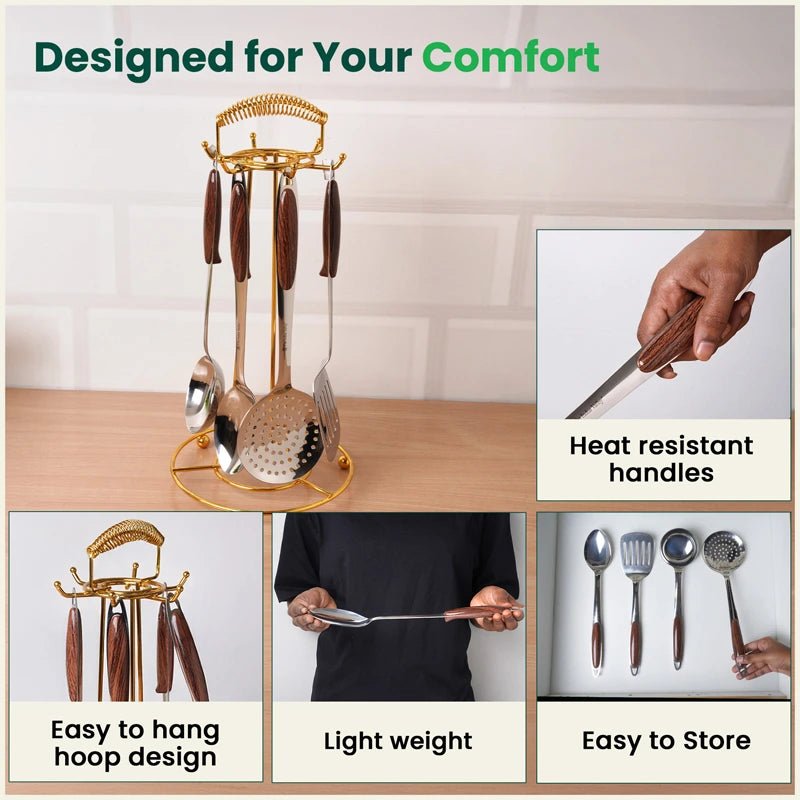
Are you tired of messy spills and wasted soup every time you use your ladle set? You’re not alone.
Using a ladle set efficiently can save you time, keep your kitchen clean, and make serving your favorite dishes a breeze. You’ll discover simple tips and tricks that will help you get the most out of your ladle set—whether you’re cooking for your family or hosting a dinner party.
Keep reading to transform how you handle soups, sauces, and stews with ease and confidence.

Credit: www.theindusvalley.in
Choosing The Right Ladle Set
Picking the right ladle set makes cooking easier. The right set fits your kitchen needs.
Consider materials, size, and design before buying a ladle set. These affect use and comfort.
Materials And Durability
Ladles come in stainless steel, plastic, silicone, and wood. Each material lasts differently.
Stainless steel is strong and lasts long. Silicone is heat-resistant and safe for non-stick pans.
- Stainless steel resists rust and dents
- Plastic is lightweight but can melt
- Silicone handles heat and won’t scratch
- Wood looks nice but needs care
Size And Capacity
Choose ladle sizes based on your cooking needs. Small ladles work for sauces, large ones for soups.
Capacity matters for serving and cooking. Using the right size saves time and reduces spills.
- Small ladles hold 1-2 ounces
- Medium ladles hold 3-4 ounces
- Large ladles hold 6 ounces or more
Ergonomic Design
Pick ladles with comfortable handles. Ergonomic designs reduce hand strain during use.
Look for non-slip grips and balanced weight. These features improve control and safety.
- Handles with soft grips prevent slipping
- Long handles keep hands away from heat
- Balanced ladles feel easier to hold
Proper Maintenance Techniques
Taking care of your ladle set helps it last longer. Proper maintenance keeps ladles clean and safe to use.
Follow simple steps to clean and store your ladles well. This keeps them in good shape and ready for cooking.
Cleaning And Care
Clean ladles right after use to prevent food from sticking. Use warm water and mild soap for washing.
Do not use harsh scrubbers that can scratch the surface. Dry ladles completely to stop rust or damage.
- Rinse ladles with warm water immediately after use
- Use a soft sponge and mild dish soap
- Avoid steel wool or rough scrubbers
- Dry thoroughly with a clean towel
- For wooden ladles, apply mineral oil occasionally to keep wood smooth
Storage Solutions
Store ladles in a dry place to avoid moisture damage. Hanging them keeps ladles organized and easy to find.
Use hooks or a utensil holder to keep ladles upright. Avoid stacking ladles tightly to prevent scratches.
- Hang ladles on kitchen hooks or racks
- Use a utensil holder on the countertop
- Keep ladles separate from sharp tools
- Store wooden ladles away from direct sunlight
- Make sure ladles are fully dry before storing
Mastering Ladle Techniques
Using a ladle set properly makes cooking easier and neater. It helps you serve food with control and care.
Learn simple ladle techniques to improve your kitchen skills. Practice these to handle soups, sauces, and stews smoothly.
Scoop And Serve
Hold the ladle firmly by its handle. Scoop food gently from the pot without splashing.
Fill the ladle to a comfortable level. Avoid overfilling to prevent spills while serving.
- Dip ladle straight down into the food
- Lift slowly to keep food inside
- Pour carefully into bowls or plates
Pour And Drizzle
Use the ladle’s edge to control pouring. Tilt it slowly to drizzle sauces or soups.
Keep your hand steady. Pour close to the dish to avoid splashes and messes.
- Hold ladle handle near the tip for better control
- Start pouring with a small tilt
- Increase tilt as sauce flows smoothly
Stirring And Mixing
A ladle can stir soups and stews evenly. Use a circular motion to mix ingredients well.
Stir gently to avoid breaking delicate foods. Lift the ladle slightly to check mixing progress.
- Move ladle around pot slowly
- Reach bottom and sides to prevent burning
- Lift ladle to check if ingredients are mixed
Cooking Applications
A ladle set is a useful tool in the kitchen. It helps you serve liquids with ease.
Using ladles correctly can save time and keep your cooking neat. Different ladle sizes work well for different tasks.
Soups And Stews
Use larger ladles to serve soups and stews. They hold enough to fill bowls quickly.
Pick a ladle with a deep bowl to scoop thick stews. This helps you get chunks and broth in one scoop.
- Choose a ladle size that fits your serving dish.
- Scoop from the middle of the pot for even distribution.
- Use a ladle with a long handle to avoid burns.
Sauces And Gravy
Small ladles work best for sauces and gravy. They help control the amount you pour.
Pour slowly with a ladle to avoid spills and mess. This keeps your plates clean.
- Use a ladle with a spout for precise pouring.
- Dip gently into sauce to avoid splashing.
- Wipe the ladle edge before serving to prevent drips.
Beverages And Punch
Ladles are great for serving drinks like punch or hot beverages. They help portion liquids easily.
Use a clean ladle for each beverage type to avoid mixing flavors. Choose a ladle size that matches the cup or glass.
- Hold the ladle steady when pouring to prevent splashes.
- Use a plastic or metal ladle based on drink temperature.
- Rinse ladles between servings to keep drinks fresh.
Innovative Uses In The Kitchen
A ladle set is more than just a tool for soup. You can use it in many creative ways.
These ideas help you cook faster and serve food nicely. Let’s explore how to use ladles with batter, dough, and for serving.
Batter And Dough
Use ladles to scoop batter evenly for pancakes and muffins. This keeps sizes consistent and cooks food evenly.
Small ladles help portion dough for cookies or bread rolls. It saves time and reduces mess on your counter.
- Pour pancake batter with a medium ladle for uniform size
- Use a small ladle to scoop cookie dough on baking trays
- Measure dough portions before shaping bread rolls
- Mix batter gently with a ladle to avoid overmixing
Serving And Presentation
Ladles make serving soups and stews neat and easy. Use different ladle sizes to control portion sizes.
They also help present sauces and gravies smoothly on plates. This adds a clean look to your meals.
- Use a large ladle to serve soup without spills
- Choose a small ladle for sauces to decorate plates
- Spoon stews carefully to keep meat and veggies intact
- Use a ladle to transfer liquids between containers safely
Safety Tips And Best Practices
Using a ladle set can make cooking easier and cleaner. It is important to use them safely to avoid accidents.
Follow some simple tips to handle hot liquids and avoid spills while using your ladle set.
Handling Hot Liquids
Always hold the ladle by the handle to keep your hands safe from heat. Use a ladle with a long handle to reach deep pots.
Pour hot liquids slowly to avoid splashes that can burn your skin. Keep your face away from the steam to prevent burns.
- Use oven mitts if the ladle handle gets hot
- Do not overfill the ladle to control pouring
- Place the ladle on a heat-resistant surface after use
Avoiding Spills
Keep your pot or bowl steady before scooping with the ladle. Move slowly and steadily to prevent liquid from spilling.
Use a ladle size that matches the container to control the amount of liquid you serve. Clean spills immediately to avoid slips.
- Hold the ladle close to the container when pouring
- Use two hands if needed for better control
- Wipe the ladle edge after each scoop to prevent drips
Enhancing Kitchen Efficiency
Using a ladle set efficiently helps you cook faster and keep your kitchen neat. It saves time and effort during meal preparation.
Knowing how to organize and use your ladle set well makes cooking easier. You can focus more on your recipes and less on searching for tools.
Organizing Kitchen Space
Keep your ladle set in one place to avoid clutter. Use hooks or a utensil holder near the stove for quick access.
Store ladles by size or use to find the right one fast. This saves space and keeps your kitchen tidy.
- Hang ladles on wall hooks
- Use a countertop utensil holder
- Place ladles in a drawer organizer
- Group by size or function
Time-saving Tips
Use the right ladle for each task to avoid spills and messes. For example, use a small ladle for sauces and a large one for soups.
Clean ladles right after use to keep them ready. This prevents buildup and saves cleaning time later.
- Match ladle size to food type
- Keep ladles near cooking area
- Clean ladles immediately after use
- Use one ladle per dish to avoid mixing flavors

Credit: www.theindusvalley.in

Credit: www.theindusvalley.in
Frequently Asked Questions
What Is The Best Way To Hold A Ladle For Serving?
Hold the ladle by its handle firmly to maintain control. Tilt it slightly to pour liquids smoothly without spilling. This grip ensures efficient and safe serving during cooking or meal times.
How Do I Clean A Ladle Set Properly?
Wash ladles with warm soapy water immediately after use. Use a soft sponge to avoid scratches on the surface. Dry thoroughly to prevent rust and maintain hygiene for long-lasting use.
Can I Use A Ladle Set For Different Food Types?
Yes, ladle sets come in various sizes for soups, sauces, and stews. Using the right ladle size improves serving efficiency and helps avoid cross-contamination between different dishes.
How Should I Store My Ladle Set To Save Space?
Hang ladles on hooks or store them in a utensil holder. This keeps them organized and easily accessible. Proper storage also prevents damage and clutter in your kitchen.
Conclusion
Using a ladle set well saves time and keeps your kitchen neat. Choose the right ladle size for each dish. Hold the handle firmly to avoid spills. Clean your ladles after every use to keep them in good shape. Store them where you can find them easily.
Small steps like these make cooking smoother and more fun. Practice often, and you will feel more confident. Simple tools, used right, help create great meals every day.