
Are you tired of tiny cuts and sore fingers every time you use a grater? You’re not alone.
Grating food can be quick and easy—but only if you know how to do it safely. You’ll discover simple yet powerful tips to protect your hands and get the best results every time you grate. Keep reading, and you’ll never worry about accidental slips or injuries again.
Your cooking experience is about to get safer and smoother!
Choosing The Right Grater
Using a grater safely starts with picking the best type for your needs. Different graters work better for certain foods and tasks.
Understanding the grater’s material and design helps prevent accidents and makes grating easier.
Types Of Graters
Graters come in several styles. Each style suits different foods and cutting needs.
- Box graters have multiple sides with different grating sizes.
- Flat graters are simple and easy to store but need careful handling.
- Microplane graters are good for fine zesting and small shreds.
- Rotary graters use a hand crank for safer, faster grating.
Material And Design
Choosing a grater with the right material and design improves safety and comfort.
| Material | Benefits | Considerations |
| Stainless Steel | Durable and rust-resistant | Can be sharp; handle with care |
| Plastic | Lightweight and safe edges | Less sharp, may not last long |
| Silicone Handles | Provides a non-slip grip | Check for secure attachment |
Credit: medium.com
Setting Up Your Workspace
Using a grater safely starts with preparing your workspace. A good setup helps prevent accidents.
Clear space and good lighting make grating easier and safer. Let’s look at these details.
Clear And Clean Surface
Make sure your workspace is free of clutter. A clear surface stops the grater from slipping.
Clean the surface to remove any water or food bits. Wet spots can cause the grater to move.
- Remove all objects except the grater and food
- Wipe the surface dry before you start
- Use a non-slip mat if the surface is smooth
Proper Lighting
Good lighting helps you see the food and grater clearly. This lowers the chance of injury.
Work near a window or use a bright kitchen light. Avoid shadows on your workspace.
- Use overhead lights or task lamps
- Check that the light does not cause glare
- Adjust the light source if you feel strain
Holding The Grater Correctly
Using a grater safely starts with holding it the right way. A proper hold helps you avoid slips and cuts.
Good grip and stability make grating easier and safer. Let’s look at how to hold a grater correctly.
Grip Techniques
Hold the grater firmly with one hand. Use your dominant hand for better control.
Keep your fingers away from the sharp edges. Hold the handle or sides without touching the blades.
- Wrap your fingers around the handle securely.
- Use your thumb to press against the grater’s body.
- Keep your grip steady and relaxed to avoid slipping.
Stabilizing The Grater
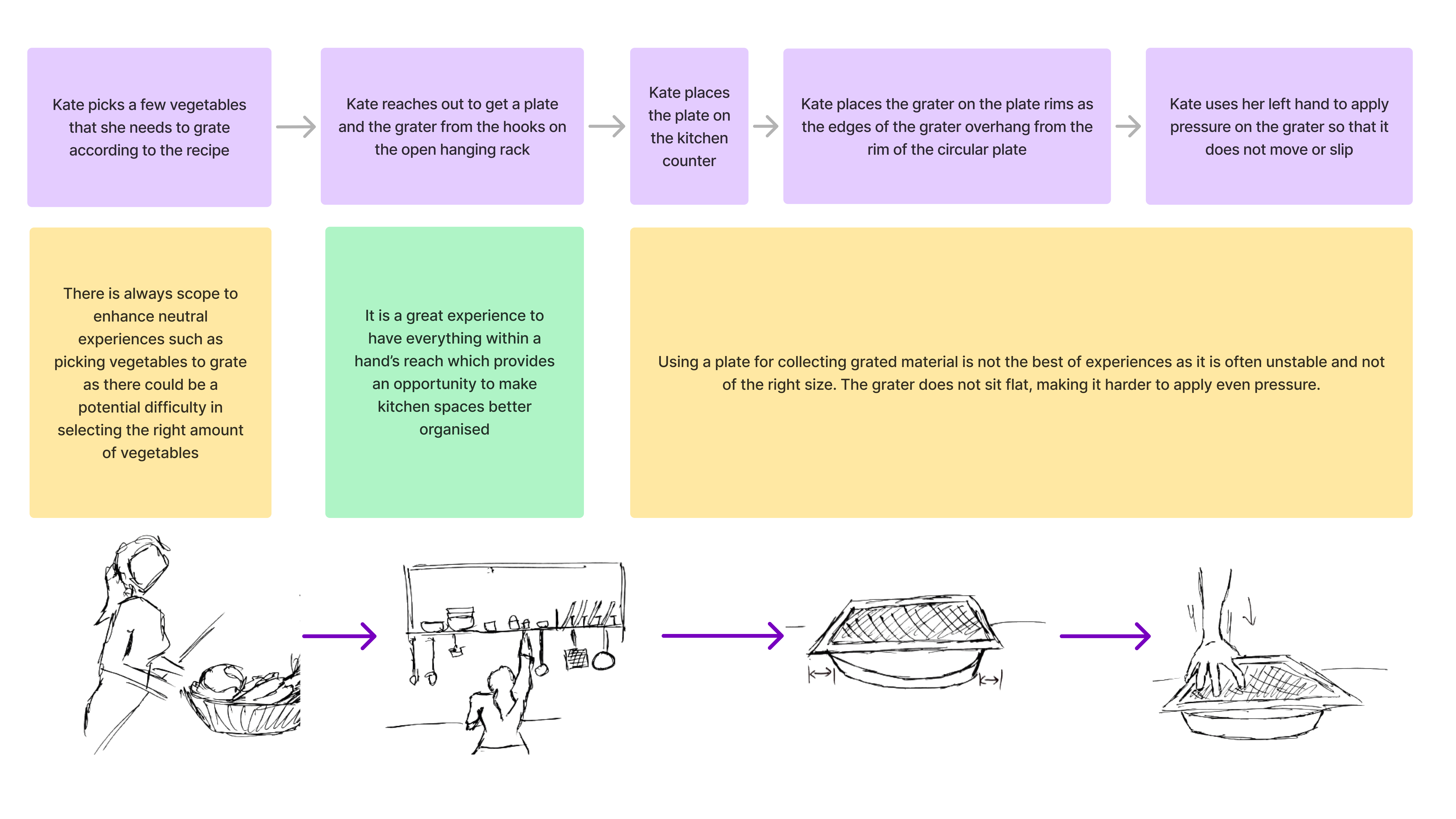
Stabilize the grater on a flat surface before grating. This prevents it from moving and causing accidents.
Use your non-dominant hand to hold the grater steady. Keep fingers clear of the grating surface.
- Place a damp cloth or non-slip mat under the grater for extra grip.
- Hold the grater firmly at the base or sides.
- Keep the grater steady while moving the food up and down.
Safe Grating Techniques
Using a grater can be risky if you are not careful. Knowing how to hold and move the grater keeps your fingers safe.
This guide explains simple ways to use a grater safely. Follow these tips to avoid cuts and injuries.
Angle And Pressure
Hold the grater at a slight angle to the food. This helps the food move smoothly over the grater.
Use gentle pressure. Pressing too hard can slip your hand and cause injury.
- Keep the grater steady on a flat surface
- Hold the food firmly but not too tight
- Grate at a 45-degree angle for best control
- Apply light pressure to avoid slips
Slow And Steady Movements
Move the food slowly across the grater. Fast movements increase the chance of accidents.
Take your time to keep your fingers safe. Steady motions help you control the grater better.
- Grate with calm, even strokes
- Pause if you feel your hand slipping
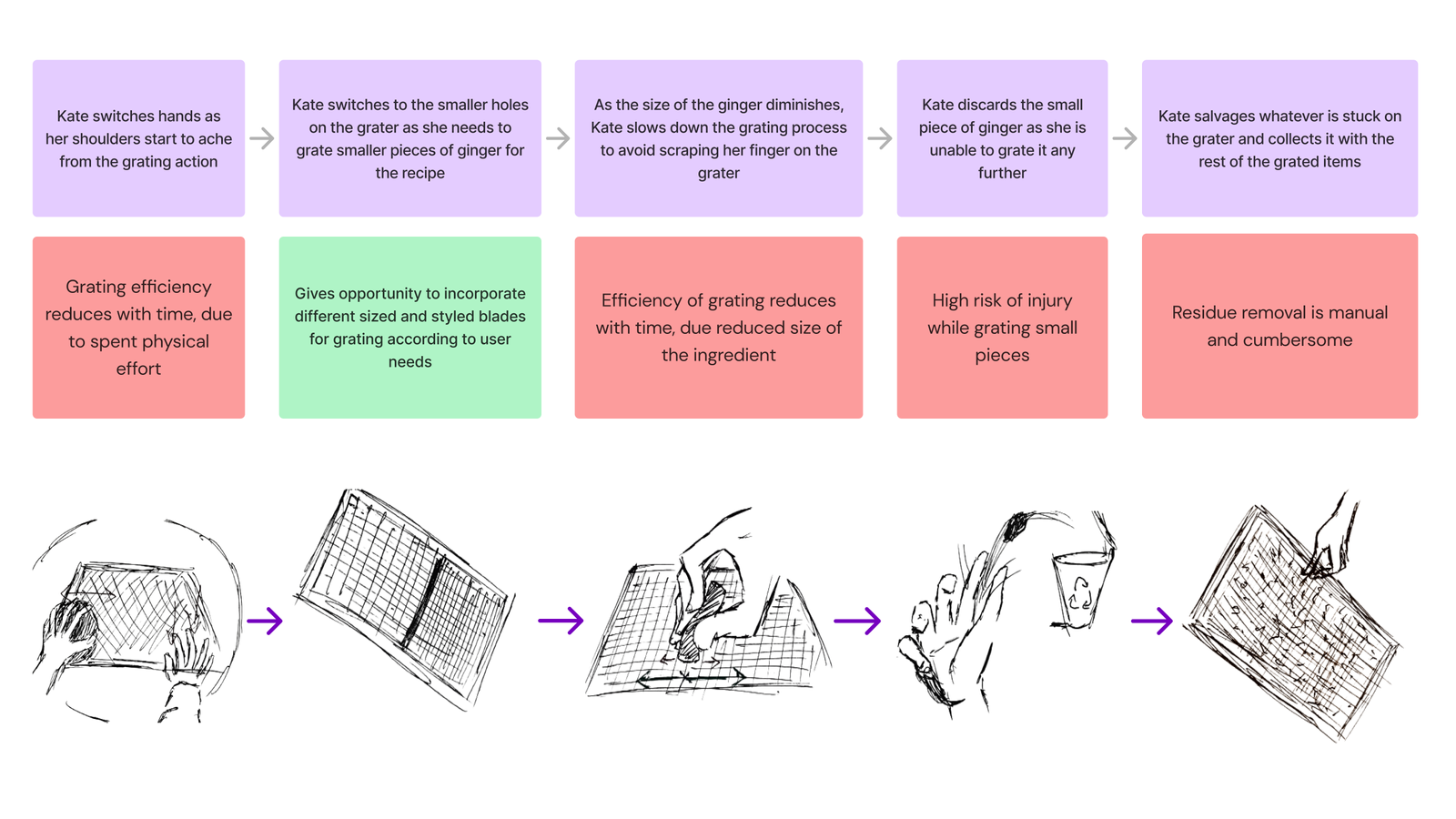
- Keep your fingers away from the sharp edges
- Use the last part of the food carefully or use a guard
Protecting Your Hands
Using a grater can be risky if you do not protect your hands. Cuts and scrapes happen easily. Taking simple safety steps helps avoid injuries.
This guide shows how to keep your hands safe. Focus on using gloves and keeping fingers away from sharp blades.
Using A Protective Glove
Wear a cut-resistant glove on the hand holding the food. This glove acts as a shield from the grater’s sharp edges.
- Choose gloves made from materials like Kevlar or stainless steel mesh.
- Make sure the glove fits snugly to keep good control.
- Check gloves for damage before each use.
- Wash gloves regularly to keep them clean.
Keeping Fingers Away From Blades
Keep your fingers clear of the grater’s surface. Use tools or techniques to hold food safely and reduce finger contact.
| Method | Description |
|---|---|
| Use a Food Holder | Hold small pieces with a tool made for graters. |
| Grate Larger Pieces | Cut food into bigger chunks to grip safely with your hand. |
| Grate Slowly | Move food gently and avoid rushing to prevent slips. |
| Stop Before Finishing | Leave a small piece ungrated to avoid finger contact with blades. |

Credit: chefsupplyco.com.au
Maintaining The Grater
Keeping your grater clean and stored well helps it last longer. It also keeps it safe to use every time.
Proper care stops rust and keeps the blades sharp. This makes grating easier and safer.
Cleaning Tips
Clean the grater right after use to stop food from drying on it. Use a brush or sponge to remove stuck pieces.
- Rinse the grater under warm water soon after use.
- Use a soft brush to clean hard-to-reach spots.
- Avoid harsh scrubbers that can damage the metal.
- Dry the grater completely to prevent rust.
- If food is stuck, soak the grater in warm soapy water before cleaning.
Storage Solutions
Store your grater in a dry place. Keep it away from moisture and other kitchen tools that can dull its blades.
| Storage Option | Benefit |
| Hanging on a hook | Keeps grater dry and easy to reach |
| In a drawer with blade cover | Protects blades and fingers |
| Inside a kitchen utensil holder | Organized and prevents damage |
Common Mistakes To Avoid
Using a grater can be simple, but many people make common mistakes. These errors can cause injuries or make grating harder.
Knowing what to avoid helps you grate safely and efficiently. Let’s look at two frequent mistakes and how to prevent them.
Rushing The Process
Many users want to finish grating quickly. This rush can lead to slips and cuts. Grating too fast lowers your control over the tool.
- Take your time to hold the grater firmly.
- Grate slowly and evenly to avoid slips.
- Use smooth, controlled motions for better results.
- Stop before reaching your fingers or hand.
- Rest if your hand feels tired to prevent mistakes.
Improper Tool Use
Using the wrong grater or holding it incorrectly causes accidents. Each grater type fits specific foods and techniques.
| Mistake | Why It’s Dangerous | Safe Practice |
| Using a flat grater for hard cheese | Slips easily, less control | Use a box grater for hard cheese |
| Holding grater sideways | Unstable and risky | Place grater on a flat surface or hold upright |
| Grating large pieces | Hard to handle, causes slips | Cut food into smaller pieces first |
| Not using protective gloves | Risk of cuts | Wear cut-resistant gloves if needed |

Credit: chefsupplyco.com.au
First Aid For Grater Injuries
Using a grater can cause cuts or scrapes if you are not careful. Knowing first aid helps you treat injuries quickly.
This guide explains what to do right after an injury and when to get medical help.
Immediate Actions
Act fast to reduce pain and prevent infection. Follow these steps carefully.
- Wash your hands with soap and water before touching the wound.
- Rinse the injured area gently with clean water to remove dirt.
- Press a clean cloth or bandage on the cut to stop bleeding.
- Use an antibiotic ointment if available to lower infection risk.
- Cover the wound with a sterile bandage or dressing.
- Keep the injured area raised to reduce swelling.
When To Seek Medical Help
Some injuries need professional care. Watch for these signs and get help if needed.
| Signs to Watch For | What to Do |
| Heavy bleeding that does not stop | Go to the emergency room immediately |
| Deep or large cuts | See a doctor for stitches |
| Signs of infection: redness, swelling, or pus | Visit a healthcare provider for treatment |
| Loss of movement or numbness near the injury | Seek urgent medical care |
| No tetanus shot in last 5 years | Ask a doctor about a booster |
Frequently Asked Questions
How Do I Hold A Grater Safely?
Hold the grater firmly with one hand on a stable surface. Grip the food item securely with the other hand. Keep fingers away from the grating surface to avoid cuts. Use smooth, controlled motions to grate safely and efficiently.
What Precautions Prevent Injuries While Using A Grater?
Always use a flat, stable surface and keep your fingers clear. Use protective gloves if possible. Grate slowly and avoid applying excessive force. Clean the grater carefully with a brush to prevent accidental cuts.
Can I Use A Grater Without A Cutting Board?
Using a cutting board or a non-slip surface is safer. It stabilizes the grater and prevents slipping. Avoid grating directly over your hand or unstable surfaces to reduce injury risk.
How Do I Clean A Grater Without Hurting Myself?
Use a brush or sponge to clean the grater gently. Avoid using bare fingers near the sharp edges. Rinse immediately after use to prevent residue buildup. Dry thoroughly to prevent rust and maintain safety.
Conclusion
Using a grater safely keeps your fingers protected. Always hold the grater firmly and grate slowly. Keep your hand away from the sharp edges. Use a food holder or glove if you have one. Clean the grater carefully after use to avoid cuts.
Practicing these simple steps helps you work with ease. Safety makes cooking more enjoyable and stress-free. Remember, small actions prevent big accidents. Stay alert and take your time while grating. Your hands will thank you for the care.