
Are you tired of guessing if your food is cooked just right? Using a food thermometer is the easiest way to make sure your meals are safe and delicious every time.
But do you know how to use it properly to get the best results? You’ll discover simple tips to use your food thermometer efficiently. By the end, you’ll cook with confidence and never worry about undercooked or overcooked food again.
Keep reading to master this kitchen tool and transform your cooking!
Credit: butcherbbq.com
Choosing The Right Food Thermometer
Using a food thermometer helps you cook food safely. It checks if the food is hot enough to eat. Picking the right thermometer is important for good results.
There are many types of thermometers. Each type works best for different foods and cooking styles. This guide helps you find the best one for your kitchen.
Different Types Of Thermometers
Food thermometers come in many styles. Some are digital, and others use a dial. Choose one that fits your cooking habits and food types.
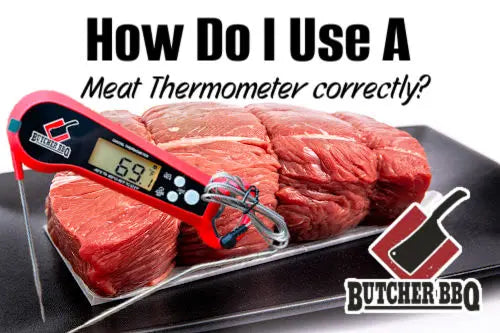
- Digital Instant-Read:Shows temperature quickly. Good for checking meat and poultry.
- Dial Oven-Safe:Can stay in the food while cooking. Works well for roasts and turkeys.
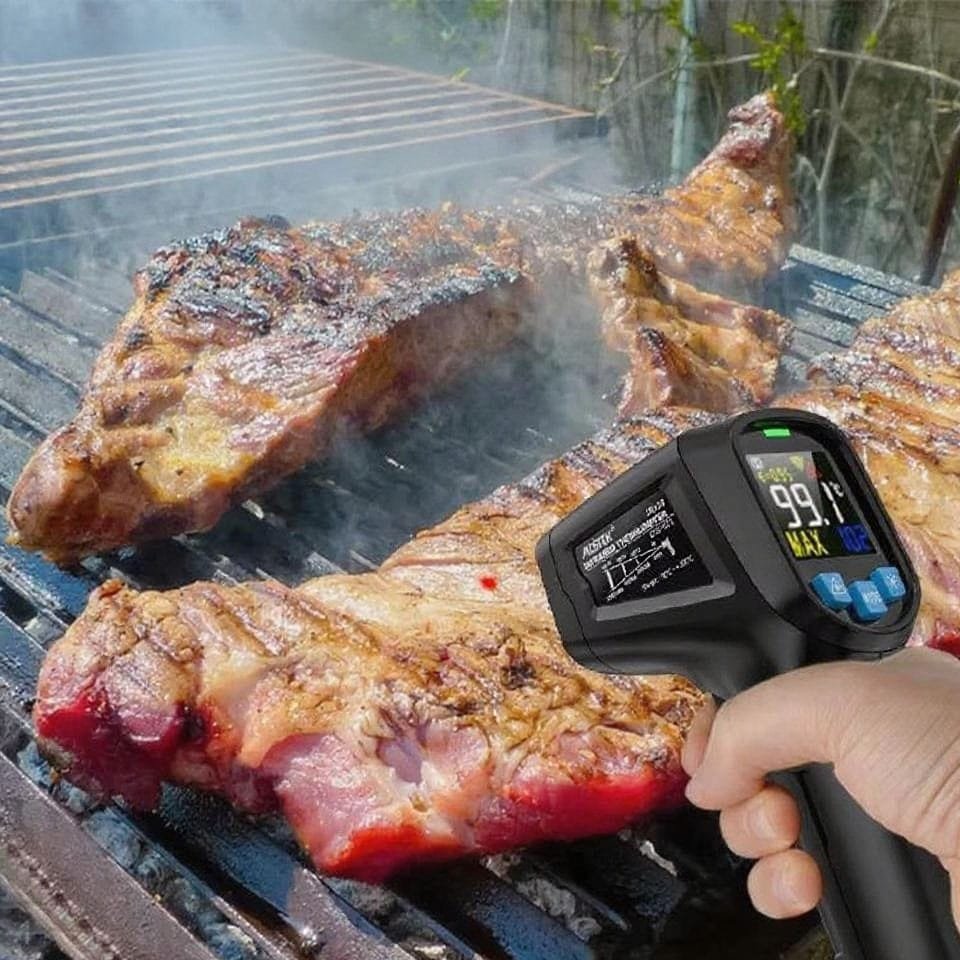
- Infrared:Measures surface temperature without touching. Useful for frying or grilling.
- Probe Thermometer with Alarm:Stays in the food and beeps when done. Great for slow cooking.
Features To Look For
Good thermometers have features that make them easy to use and accurate. Look for these when buying one.
- Accuracy:Check if the thermometer gives correct readings within a small margin.
- Speed:Faster readings save time while cooking.
- Easy to Read:Large, clear numbers help avoid mistakes.
- Durability:Water and heat resistance extend the life of the thermometer.
- Temperature Range:Make sure it covers the foods you cook often.
- Easy to Clean:Removable probes or waterproof designs help keep it hygienic.
Calibrating Your Thermometer
Using a food thermometer helps cook food safely and well. To get accurate readings, you must calibrate your thermometer often.
Calibration means adjusting the thermometer to show the correct temperature. This keeps your food safe to eat.
Importance Of Calibration
Calibration makes sure your thermometer shows the right temperature. If it is not correct, you might undercook or overcook food.
Accurate temperatures help kill harmful germs. This keeps you and your family safe from food illnesses.
Step-by-step Calibration Process
You can easily check and fix your thermometer at home. Here is how to do it with the ice water test.
- Fill a glass with ice and add cold water.
- Stir the ice water and let it sit for one minute.
- Put the thermometer probe into the ice water.
- Make sure the probe does not touch the glass sides or bottom.
- Wait until the thermometer reading stops changing.
- The thermometer should show 32°F (0°C).
- If it does not, use the calibration nut or button to adjust it.
- Repeat the test to confirm the correction.
Proper Placement Techniques
Using a food thermometer correctly is key to safe cooking. Proper placement ensures you get an accurate temperature.
Different foods need the thermometer in different spots. This helps check the part that cooks slowest.
Meat And Poultry
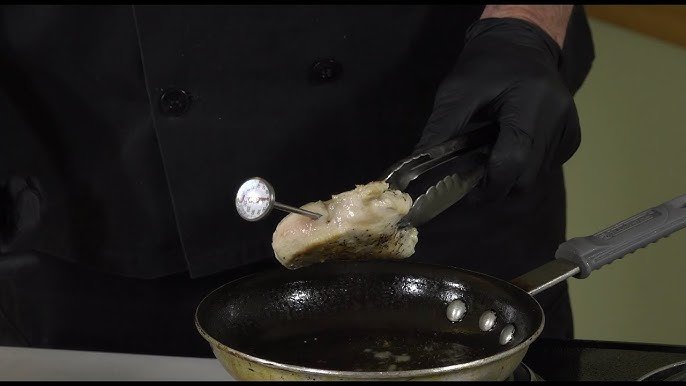
Insert the thermometer into the thickest part of the meat or poultry. Avoid bones, fat, and gristle.
Check the center for even cooking. For whole birds, place it in the inner thigh near the breast.
- Insert probe horizontally for thick cuts
- Avoid touching bone to prevent false readings
- Check multiple spots for large cuts
Fish And Seafood
Place the thermometer in the thickest part of the fish or seafood. Do not touch bones or shell.
For fillets, insert the probe from the side toward the center. Check the temperature quickly.
- Avoid placing near the tail or edges
- Use a thin probe for delicate seafood
- Check several pieces if cooking many
Baked Goods And Casseroles
Insert the thermometer into the center of baked goods or casseroles. This spot cooks slowest.
Make sure the probe reaches the middle without touching the dish sides or bottom.
- Check temperature near the center for even baking
- Avoid touching the pan or dish edges
- Insert probe vertically or at an angle
Understanding Safe Temperature Zones
Using a food thermometer helps keep food safe to eat. It shows if food is cooked enough to kill germs.
Knowing safe temperature zones stops foodborne illness. You can avoid undercooked or overcooked food.
Danger Zone And Its Implications
The danger zone is the temperature range where bacteria grow fast. It is usually between 40°F and 140°F (4°C to 60°C).
Food left in this zone for more than two hours can cause sickness. Bacteria multiply quickly and produce toxins.
- Keep cold food below 40°F (4°C)
- Keep hot food above 140°F (60°C)
- Do not leave food in danger zone over 2 hours
Recommended Cooking Temperatures
Each type of food has a safe minimum cooking temperature. This temperature kills harmful bacteria inside the food.
Use a food thermometer to check the temperature in the thickest part of the food. Do not guess or rely on color alone.
| Food Type | Safe Temperature (°F) | Safe Temperature (°C) |
|---|---|---|
| Chicken and Turkey (whole or ground) | 165°F | 74°C |
| Beef, Pork, Lamb (steaks, roasts) | 145°F | 63°C |
| Ground meats (beef, pork, lamb) | 160°F | 71°C |
| Fish and Shellfish | 145°F | 63°C |
| Egg dishes | 160°F | 71°C |
Cleaning And Maintenance
Keeping your food thermometer clean helps keep it accurate and safe to use. Dirt and food particles can cause wrong readings. Proper care extends the life of your thermometer.
Regular cleaning and correct storage prevent damage and contamination. Follow these tips to keep your thermometer in top shape.
Regular Cleaning Tips
Clean the probe after every use to remove food residue. Use warm, soapy water and a soft cloth. Avoid soaking the entire thermometer unless it is waterproof.
- Wipe the probe with a damp cloth and mild soap
- Rinse the probe under running water carefully
- Dry the probe with a clean towel or air dry
- Do not use harsh chemicals or abrasive cleaners
- Check the manufacturer’s cleaning instructions
Storing Your Thermometer
Store your thermometer in a clean, dry place away from heat and moisture. Use a protective case if your thermometer came with one. This prevents damage to the probe and display.
Keep the thermometer out of reach of children. Avoid placing it near sharp objects that can scratch the surface.
- Use a storage case or pouch
- Keep in a cool, dry location
- Avoid extreme temperatures and humidity
- Store separately from knives and heavy kitchen tools

Credit: www.thermoworks.com
Common Mistakes To Avoid
Using a food thermometer correctly helps you cook safe and tasty meals. Many people make errors that give wrong temperature readings.
These mistakes can cause undercooked or overcooked food. Knowing what to avoid will improve your cooking results.
Misreading Temperature
Reading the thermometer wrong is a common error. Some people check the temperature too fast or look at the wrong place.
Digital thermometers may have a delay before showing the correct number. Analog thermometers need time to settle.
- Wait a few seconds for the reading to stabilize.
- Read the temperature at eye level to avoid mistakes.
- Check the temperature in the thickest part of the food.
- Do not touch bones or cooking trays with the probe.
Improper Use Of Thermometer
Many users place the thermometer probe incorrectly. This causes wrong temperature results and unsafe cooking.
Not cleaning the probe between uses can spread bacteria. Also, some thermometers are not suitable for certain foods.
- Insert the probe deep into the thickest part of the food.
- Avoid touching bones, fat, or gristle with the probe.
- Clean and sanitize the probe before and after each use.
- Use the right thermometer type for the food you cook.
Benefits Of Using A Food Thermometer
Using a food thermometer helps you cook food safely and well. It shows the exact temperature inside the food.
This tool makes sure your meals are both safe to eat and taste great.
Ensuring Food Safety
A food thermometer helps prevent food poisoning by checking the right temperature. Cooking meat or poultry to the right heat kills harmful germs.
It also stops undercooked food, which can make people sick.
- Checks if meat is cooked inside
- Prevents harmful bacteria
- Ensures food is safe to eat
Enhancing Cooking Precision
Using a food thermometer helps you cook food perfectly. It stops overcooking or undercooking by showing the right temperature.
This leads to tastier and juicier meals every time you cook.
- Measures exact cooking temperature
- Prevents dry or burnt food
- Improves food texture and taste
Credit: mestekinstruments.com
Frequently Asked Questions
What Is The Best Way To Insert A Food Thermometer?
Insert the thermometer into the thickest part of the food. Avoid touching bone or fat for accurate readings. Ensure the probe is fully inserted but not through the food.
How Do I Clean My Food Thermometer Properly?
Clean the probe with hot, soapy water before and after each use. Avoid immersing the entire thermometer in water. This keeps it hygienic and prolongs its lifespan.
When Should I Check The Temperature Of Cooked Food?
Check the temperature near the end of cooking. Insert the thermometer before removing food from heat. This ensures safe and accurate cooking results.
Can I Use One Thermometer For All Types Of Food?
Yes, but clean it thoroughly between uses. Different foods require different safe cooking temperatures. Using one thermometer simplifies monitoring while maintaining food safety.
Conclusion
Using a food thermometer helps cook food safely and well. Check the temperature in the thickest part of meat. Clean the thermometer before and after each use. Avoid guessing if food is done by sight alone. Taking these small steps protects your health and improves taste.
Cooking becomes easier and safer every time you use it. Remember, a food thermometer is a simple tool with big benefits. Keep it handy in your kitchen for best results. Safe cooking starts with the right temperature check.