

Are you tired of spending too much time chopping vegetables and fruits? Using a food chopper can save you precious minutes in the kitchen, but only if you know how to use it the right way.
You’ll discover simple tips and tricks to make your food chopper work faster and smarter for you. Imagine finishing your meal prep quickly and with less mess—sounds good, right? Keep reading, and you’ll learn how to get the best results every time you use your food chopper.

Credit: wiproappliances.com
Choosing The Right Food Chopper
Choosing the right food chopper can save time and effort in the kitchen. It helps you prepare ingredients quickly and safely.
There are many types of food choppers. Pick one that fits your needs and kitchen space.
Manual Vs. Electric Models
Manual food choppers work by hand. You pull a cord or press a handle to chop food. They are quiet and easy to clean.
Electric food choppers use a motor to chop food fast. They save effort but need power and take more space.
- Manual choppers are good for small jobs and light use.
- Electric choppers suit large amounts and frequent use.
- Manual models are usually cheaper and portable.
- Electric models offer more power and speed.
Blade Types And Their Uses
Food choppers come with different blade types. Each blade cuts food in a special way.
Straight blades are common. They chop, dice, and mince well. S-shaped blades can handle tougher foods.
- Straight blades: Good for vegetables and fruits.
- S-shaped blades: Best for nuts and harder items.
- Julienne blades: Make thin strips for salads.
- Grating blades: Shred cheese or carrots easily.
Size And Capacity Considerations
Food choppers come in many sizes. Choose one based on how much food you prepare.
Small choppers hold a few cups. Large models can chop bigger amounts at once.
- Small size: Ideal for small kitchens and light use.
- Medium size: Good for families and regular cooking.
- Large size: Best for big meals and heavy cooking.
- Check if the size fits your storage space.
Preparing Ingredients For Chopping
Preparing ingredients properly helps your food chopper work well. It saves time and keeps the chopping even.
Good preparation also makes cleaning easier and keeps your kitchen safe while chopping.
Proper Washing Techniques
Wash ingredients before chopping to remove dirt and bacteria. Use cold water to keep them fresh.
Fruits and vegetables need gentle scrubbing if they have rough skin. Leafy greens should soak briefly and rinse well.
- Rinse under cold running water
- Use a brush for firm vegetables like potatoes
- Soak leafy greens in water for a few minutes
- Dry ingredients with a clean towel or paper towel
Pre-cutting For Optimal Chopping
Cut large ingredients into smaller pieces before using the chopper. This helps the blades work better.
Remove tough parts like stems and seeds to avoid damage. Make pieces similar in size for even chopping.
- Trim ends and remove seeds
- Cut into uniform pieces about 1 to 2 inches
- Remove thick skins if needed for softer chopping
- Dry pieces to prevent slipping inside the chopper
Safety Tips For Handling
Handle the chopper and ingredients carefully to avoid cuts. Keep fingers away from blades at all times.
Make sure the chopper is stable on the counter before use. Use a clean, dry surface to prevent slipping.
- Keep fingers clear of blades when loading ingredients
- Hold the chopper firmly on a flat surface
- Do not overfill the container to avoid jamming
- Clean blades carefully using a brush or cloth
Techniques For Efficient Chopping
Using a food chopper can save time and effort in the kitchen. To get the best results, use the right techniques for chopping.
Good chopping skills help keep food texture and flavor balanced. This guide covers how to chop efficiently with your food chopper.
Speed Settings And Their Applications
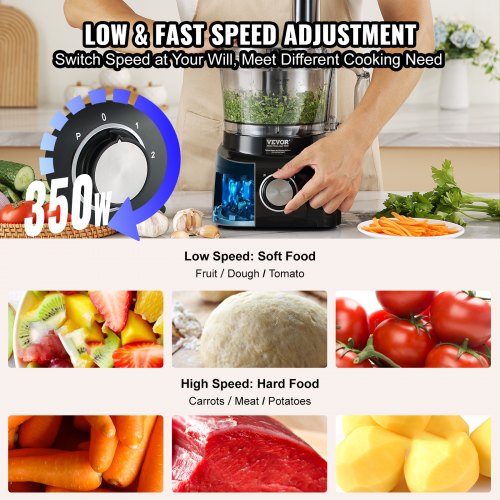
Food choppers have different speed settings. Each speed works best for certain foods and chopping tasks.
Use low speed for soft or delicate foods. High speed works better for hard or dense ingredients.
- Low speed: herbs, onions, tomatoes
- Medium speed: carrots, nuts, cheese
- High speed: hard vegetables, frozen items
Achieving Consistent Cuts
Consistent cuts improve cooking and presentation. Cut food evenly by using short pulses instead of long runs.
Stop the chopper and check the size often. This helps keep pieces uniform and avoids uneven cooking.
- Use pulse mode for better control
- Mix ingredients between pulses
- Check size after every few pulses
Avoiding Overprocessing
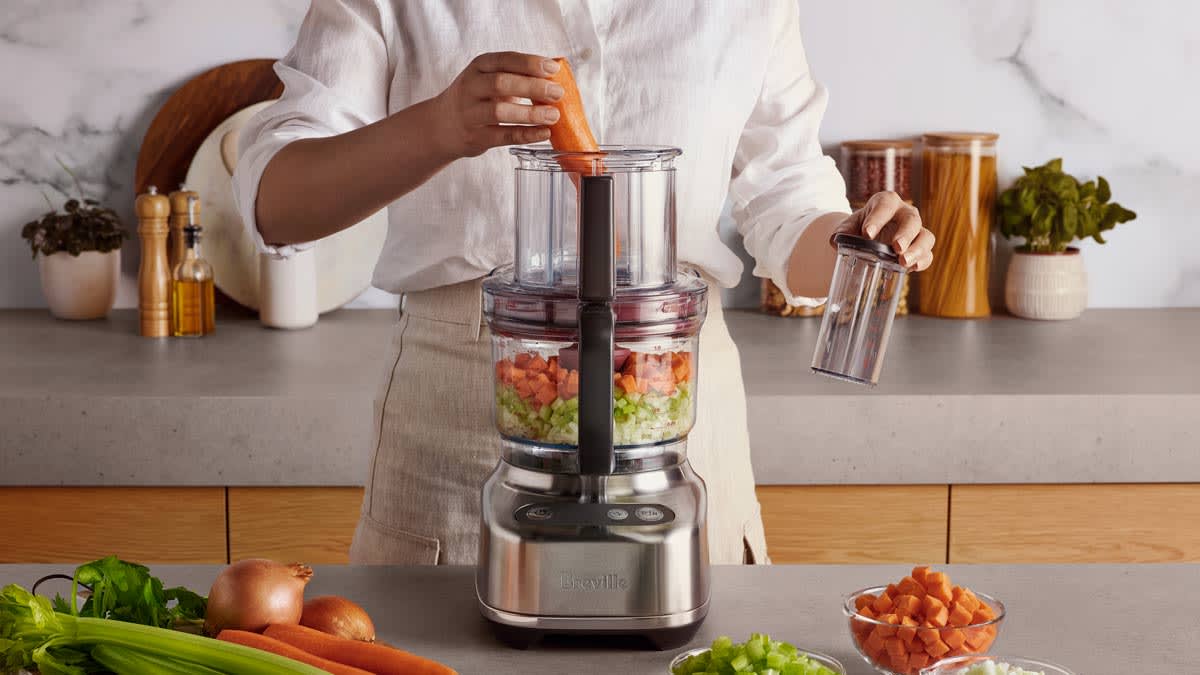
Overprocessing can turn food into mush. To avoid this, chop in short bursts and watch the texture closely.
Stop the chopper as soon as the food reaches the size you want. This keeps the right texture for your dish.
- Use pulse mode to control chopping time
- Check texture often during chopping
- Do not run the chopper continuously
Credit: www.consumerreports.org
Cleaning And Maintenance
Keeping your food chopper clean helps it work better and last longer. Regular care stops food buildup and prevents bad smells.
Follow simple cleaning and maintenance tips to keep your chopper safe and ready to use every time.
Quick Cleaning Hacks
Clean your food chopper right after use. This stops food from drying and sticking to the blades and bowl.
Use warm water and mild dish soap. Rinse well and dry all parts before putting them away.
- Disassemble the chopper carefully.
- Wash blades and bowl with soapy water.
- Use a soft sponge to avoid scratches.
- Dry parts with a clean towel.
- Wipe the motor base with a damp cloth only.
Deep Cleaning Procedures
Deep clean your food chopper once a month. This removes hidden dirt and keeps it hygienic.
Soak removable parts in warm water with vinegar or baking soda. Scrub gently with a small brush to clean hard-to-reach areas.
- Soak blades and bowl for 10-15 minutes.
- Use a soft brush to clean blade edges carefully.
- Rinse all parts thoroughly with water.
- Dry completely before reassembling.
- Check for any damage or wear on parts.
Storing Your Food Chopper Safely
Store your food chopper in a dry, cool place. Keep it away from moisture and dust to protect the motor and blades.
Always keep the blades covered or inside the bowl to avoid accidents and damage.
- Disassemble and dry all parts before storing.
- Keep blades in a protective cover or inside the chopper bowl.
- Store the motor base on a flat surface.
- Avoid stacking heavy items on top of the chopper.
- Check the chopper before each use for cleanliness and damage.
Common Mistakes To Avoid
Using a food chopper can save time in the kitchen. Many people make mistakes that reduce its efficiency.
Learning what to avoid helps you get the best results with less effort.
Overloading The Chopper
Filling the chopper bowl too full can stop the blades from moving well. It causes uneven chopping and can damage the machine.
Work in small batches for better chopping and less strain on the chopper.
- Do not fill the bowl above the maximum line
- Chop small amounts at a time
- Pulse the chopper to control chopping size
Using Incorrect Blades
Different blades are made for different foods. Using the wrong blade can give poor results and damage the food or chopper.
Check which blade fits your chopping needs before starting.
- Use a straight blade for chopping vegetables
- Use a serrated blade for tougher foods
- Do not force food if the blade is not suitable
Ignoring Maintenance
Not cleaning and checking your chopper can cause it to stop working well. Food bits can build up and dull the blades.
Regular cleaning and blade care keep the chopper safe and efficient to use.
- Wash parts after each use
- Dry blades to avoid rust
- Sharpen or replace blades when dull
- Check the motor for any unusual sounds
Enhancing Efficiency With Accessories
Using accessories can help you get the most from your food chopper. These tools make chopping faster and easier.
Choosing the right accessories helps you prepare different foods with less effort and waste.
Additional Blades And Attachments
Extra blades let you chop, slice, or dice various foods quickly. Different blades suit different tasks.
Attachments like shredders or whisks can expand your chopper’s uses. They save time and reduce mess.
- Use a slicing blade for even vegetable cuts
- Try a shredding attachment for cheese or cabbage
- Whisk attachments help with mixing dressings and sauces
- Choose blades made from stainless steel for durability
Using Storage Containers
Storage containers keep chopped food fresh and ready to use. They reduce cleanup time after chopping.
Some food choppers come with matching containers that fit the chopping bowl. This design keeps food sealed well.
- Use airtight containers to keep food fresh longer
- Label containers with dates for easy tracking
- Choose stackable containers to save space
- Use containers to store pre-chopped ingredients for meals
Leveraging Recipe Books For Inspiration
Recipe books show how to use your food chopper in many ways. They provide ideas for meals and snacks.
Following recipes can help you try new chopping techniques and improve your cooking skills.
- Look for recipes that use chopped vegetables and fruits
- Try recipes with different chopping styles like dicing or mincing
- Use recipe books to plan meals ahead of time
- Find tips on how to store chopped ingredients properly
Credit: www.vevor.ca
Frequently Asked Questions
How Do I Use A Food Chopper Safely?
Always secure the lid tightly before chopping. Keep hands away from blades. Unplug or disconnect before cleaning or assembling. Use steady, even pressure to avoid spills and accidents.
What Foods Work Best In A Food Chopper?
Vegetables, fruits, nuts, and herbs chop well. Avoid very hard items like bones or frozen foods. Soft cheeses and cooked meats also work efficiently.
How Can I Clean My Food Chopper Quickly?
Disassemble all parts after use. Rinse blades and containers with warm, soapy water. Use a brush for hard-to-reach areas. Dry thoroughly before reassembling to prevent rust.
Can A Food Chopper Replace A Knife Entirely?
A food chopper saves time but doesn’t replace all knife tasks. It’s ideal for quick chopping but not for precise slicing or dicing.
Conclusion
Using a food chopper saves time and effort in the kitchen. Always cut ingredients into small pieces before chopping. Avoid overfilling the chopper for better results. Clean the device right after use to keep it working well. Practice makes chopping faster and easier.
Enjoy fresh, evenly chopped food every time. Keep these tips in mind to use your food chopper efficiently. Cooking becomes simpler and more fun with the right approach. Try different foods to see what works best. Your meals will look and taste better.