
Are you tired of spending too much time chopping vegetables and fruits for your meals? A food chopper can be your best kitchen helper, saving you time and effort while making your cooking easier and more enjoyable.
If you’ve ever wondered how to use a food chopper properly to get the best results, you’re in the right place. You’ll discover simple, step-by-step tips that will turn you into a chopping pro. By the end, you’ll be able to prepare ingredients quickly and safely, making your cooking faster and more fun.
Ready to make your kitchen tasks easier? Let’s dive in!
Credit: yld-home.com
Benefits Of Using A Food Chopper
A food chopper saves time when preparing meals. It cuts vegetables, fruits, and nuts quickly and evenly.
This kitchen tool makes cooking easier and cleaner. You can chop ingredients without making a big mess.
Saves Time And Effort
A food chopper cuts food faster than using a knife. It reduces the effort needed to prepare meals.
This tool allows you to chop many pieces at once. It is helpful when you cook for family or guests.
Provides Consistent Sizes
The food chopper cuts ingredients into similar sizes. This helps food cook evenly and look nice on the plate.
Consistent pieces improve the texture and taste of your dishes. It also makes recipes easier to follow.
Reduces Mess And Cleanup
Using a food chopper keeps your kitchen cleaner. Food stays inside the container, not on the countertop.
Most food choppers are easy to wash. Many parts are dishwasher safe, saving you time on cleanup.
Enhances Safety In The Kitchen
A food chopper reduces the risk of cutting yourself. The blades are enclosed, so your hands stay safe.
It is a good tool for people who find knives hard to use. It makes chopping safer for everyone.
Versatile For Many Ingredients
Food choppers work well with many foods like onions, peppers, nuts, and herbs. You can prepare many recipes easily.
Some models come with different blades for chopping, slicing, or dicing. This adds to their usefulness.

Credit: www.amazon.ca
Choosing The Right Food Chopper
A food chopper is a handy tool for quick food preparation. Picking the right one saves time and effort in the kitchen.
Consider your needs and kitchen space before buying. This guide helps you choose the best food chopper.
Manual Vs. Electric
Manual food choppers need you to pull or twist a handle. They are simple and do not need power.
Electric choppers work with a button or switch. They chop food faster but need electricity.
- Manual choppers are quiet and easy to clean.
- Electric choppers save time for large amounts.
- Manual ones are good for small jobs and travel.
- Electric models can handle tougher foods easily.
Size And Capacity
Food choppers come in different sizes. Choose one that matches how much food you usually prepare.
Small choppers work well for herbs or nuts. Bigger ones are better for vegetables and large meals.
- Small capacity: 1 to 2 cups, good for small tasks.
- Medium capacity: 3 to 5 cups, good for daily cooking.
- Large capacity: 6 cups or more, best for big batches.
Blade Options
Blades decide how well your food gets chopped. Look for strong and sharp blades made from stainless steel.
Some choppers have multiple blades for different cuts. Others have one blade for basic chopping.
- S-shaped blades are common for chopping and mincing.
- Multi-level blades can slice, dice, or chop finely.
- Removable blades are easier to clean and maintain.
Basic Operation Steps
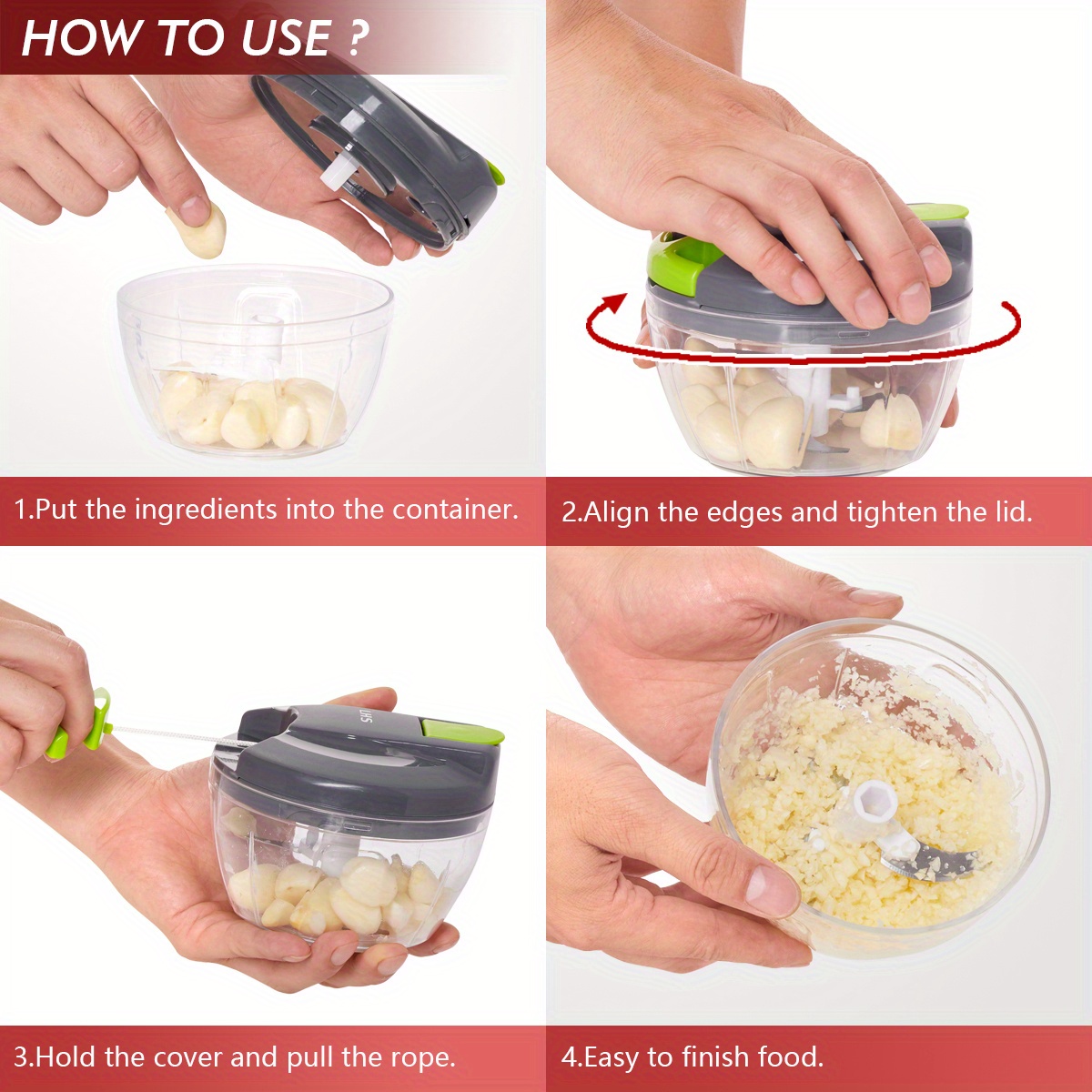
Using a food chopper is simple and saves time. It helps you cut vegetables and fruits quickly.
Follow these steps to use your food chopper safely and correctly.
Assembly Instructions
Before using the food chopper, you need to put its parts together. This will make sure it works well.
Start by placing the blade inside the container. Then, attach the lid securely on top.
- Place the bowl on a flat surface
- Insert the sharp blade carefully into the center
- Put the lid on and lock it in place
- Check if the handle or button is ready to use
Safety Precautions
Food choppers have sharp blades. Always be careful to avoid cuts or injuries.
Keep your hands and fingers away from the blade area when assembling or using the chopper.
- Do not touch the blade directly
- Use the handle or pressing mechanism to chop
- Keep the chopper away from children
- Clean the parts carefully after use
- Do not use the chopper if parts are damaged
Credit: crossroadoc.org
Techniques For Efficient Chopping
Using a food chopper saves time and effort in the kitchen. It helps you cut ingredients evenly and quickly.
To get the best results, use the right technique for each type of food. This guide explains how to chop vegetables, dice fruits, and mince herbs efficiently.
Chopping Vegetables
Cut vegetables into smaller pieces before placing them in the chopper. This helps the blades work better.
Use short pulses to control the size. Stop and check often to avoid over-chopping the vegetables.
- Cut large vegetables into chunks first
- Hold the chopper steady while pulsing
- Pulse in short bursts for even cuts
- Check texture frequently to avoid mushy pieces
Dicing Fruits
Remove any seeds or pits before chopping fruits. Cut fruits into uniform pieces to get even dicing.
Use quick pulses and shake the chopper gently to separate the pieces. This keeps the fruit fresh and firm.
- Peel and core fruits when needed
- Cut fruits into similar-sized pieces
- Use quick, light pulses
- Shake the chopper to loosen fruit pieces
Mincing Herbs
Wash and dry herbs completely before chopping. Place leaves loosely in the chopper to avoid crushing.
Use several short pulses instead of one long press. This keeps herbs fresh and releases their flavor without turning them into paste.
- Dry herbs well to prevent clumping
- Place leaves gently inside the chopper
- Pulse in short bursts for fine mincing
- Stop and check to avoid over-processing
Maintenance And Cleaning Tips
Keeping your food chopper clean helps it work well for a long time. Regular care stops food build-up and damage.
Follow simple steps to clean and maintain your chopper after every use. This keeps it safe and ready to use.
Dishwasher Safety
Not all parts of a food chopper are safe for the dishwasher. Check the user manual to see which parts can go inside.
Usually, blades and containers made of plastic or stainless steel can be placed on the top rack. Avoid dishwasher for wooden or sharp parts.
- Remove blades carefully before washing
- Place plastic parts on the top rack only
- Dry parts completely after dishwasher use
- Hand wash wooden parts to protect them
Avoiding Rust
Rust can damage the blades and metal parts of your chopper. Keep the parts dry and clean to prevent rust from forming.
Use a soft cloth to dry the metal parts right after washing. Store your chopper in a dry place, away from moisture.
- Do not leave wet parts to sit for long
- Use food-safe oil to coat blades sometimes
- Clean blades gently to avoid scratches
- Store parts in a dry, well-ventilated spot
Creative Uses For A Food Chopper
A food chopper is a handy tool in any kitchen. It helps you cut ingredients quickly and evenly.
You can use a food chopper for many recipes beyond just chopping vegetables. Let’s explore some creative ways.
Making Salsa
A food chopper makes fresh salsa fast and easy. It chops tomatoes, onions, and peppers evenly.
Just add all ingredients to the chopper and pulse until you get the right texture. This keeps the salsa chunky but mixed well.
- Use fresh tomatoes, onions, jalapeños, and cilantro
- Add salt and lime juice after chopping
- Pulse gently to avoid over-processing
Preparing Salad
Food choppers help you prepare salad ingredients quickly. They can chop lettuce, cucumbers, and carrots into small pieces.
This saves time and creates uniform pieces for a nice salad texture. You can also chop herbs to add fresh flavor.
- Chop vegetables into bite-sized pieces
- Add herbs like parsley or basil
- Mix everything evenly in a bowl
Creating Nut Butter
You can make nut butter by chopping nuts in your food chopper. Keep pulsing until the nuts turn creamy.
It takes a few minutes, but you get fresh nut butter without any added ingredients. Try almonds, peanuts, or cashews.
- Use roasted nuts for better flavor
- Pulse nuts in short bursts
- Scrape sides to blend evenly
Common Mistakes To Avoid
Using a food chopper can save time and effort in the kitchen. Still, many people make mistakes that reduce its usefulness.
Knowing what to avoid helps you get better results and keeps your chopper safe.
Overfilling The Chopper
Putting too much food in the chopper at once can cause uneven chopping. The blades might not reach all pieces properly.
It is best to chop in small batches. This way, the food is cut evenly and the machine works well.
Not Securing The Lid Properly
The lid must be locked tightly before you start chopping. If the lid is loose, the chopper can leak or stop working.
Always check the lid fits well to avoid accidents and keep the machine running smoothly.
Chopping Hard Foods Without Prep
Hard foods like carrots or nuts need to be cut into smaller pieces before chopping. Large chunks can damage the blades.
Prepare hard ingredients by slicing them first. This helps the chopper work safely and better.
Using The Chopper For Wet Foods
Food choppers are not made for chopping very wet or liquid foods. Water or juice can spill inside the motor.
Use the chopper only for dry or slightly moist foods to protect it from damage.
Ignoring Cleaning Instructions
Not cleaning the chopper right after use can cause food to stick and odors to form. It also reduces the blade’s sharpness.
Follow the cleaning steps in the manual and dry all parts well before storing.
Forcing The Chopper To Work Too Long
Running the chopper for a long time without breaks can overheat the motor. This may shorten its life.
Use short pulses and pause between chopping sessions to keep the motor cool.
Frequently Asked Questions
What Types Of Food Can I Chop With A Food Chopper?
You can chop vegetables, fruits, nuts, herbs, and cooked meats. Food choppers handle soft and hard foods well. Avoid overly wet or fibrous items for best results. This tool simplifies meal prep by cutting ingredients evenly and quickly.
How Do I Safely Operate A Food Chopper?
Always assemble the chopper correctly and secure the lid before use. Keep fingers away from blades. Use the handle or pull cord gently. Clean blades carefully after use to avoid injuries. Follow manufacturer instructions for safe and efficient operation.
Can I Use A Food Chopper For Making Salsa?
Yes, a food chopper is perfect for making salsa. It finely chops tomatoes, onions, peppers, and herbs evenly. Control the chopping speed for preferred texture. It saves time and ensures consistent salsa quality.
How Do I Clean And Maintain My Food Chopper?
Disassemble the chopper and rinse parts with warm, soapy water. Avoid soaking the motor base if electric. Dry parts thoroughly before reassembling. Regular cleaning prevents odor and extends the chopper’s lifespan. Check blades for sharpness and replace if dull.
Conclusion
Using a food chopper saves time and effort in the kitchen. It helps you prepare ingredients quickly and evenly. Always handle the blades with care to avoid injuries. Clean your chopper right after use to keep it working well. Practice with different foods to see what works best.
With regular use, chopping becomes easier and faster. Enjoy cooking with less mess and more fun!