
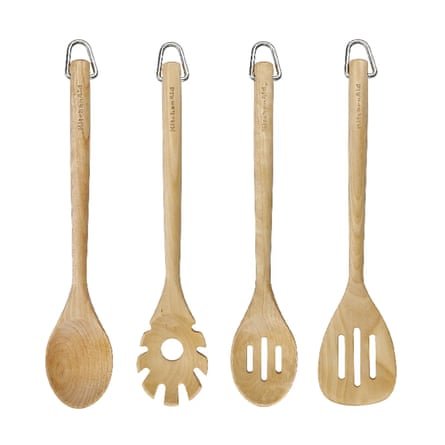
Are you ready to make your kitchen a greener, healthier space? Switching to sustainable kitchen tools is easier than you think—and it can have a big impact on your daily life and the planet.
Imagine using tools that last longer, reduce waste, and keep your food safe without harmful chemicals. You’ll discover simple steps to swap out your old kitchen gear for eco-friendly alternatives. By the end, you’ll feel confident making choices that benefit both your home and the environment.
Keep reading to find out how you can start this positive change today.
Benefits Of Sustainable Kitchen Tools
Switching to sustainable kitchen tools is good for the planet. It also benefits your health and saves money.
These tools are made from eco-friendly materials. They help reduce waste and pollution.
Environmental Impact
Sustainable kitchen tools are made from renewable resources. They cut down on plastic and waste.
Using these tools lowers your carbon footprint. It helps protect the planet for future generations.
- Bamboo utensils decompose quickly
- Glass containers reduce plastic use
- Reusable bags prevent waste
Health Advantages
Sustainable tools often contain no harmful chemicals. They are safer for cooking and storing food.
These tools help keep your food fresh and clean. They reduce exposure to toxins.
- Stainless steel does not leach chemicals
- Glass keeps food odor-free
- Bamboo is naturally antimicrobial
Cost Savings Over Time
Sustainable tools may cost more upfront. But they last longer and reduce the need for replacements.
Investing in these tools saves money in the long run. You buy less over time.
- Durable tools need fewer replacements
- Reusable items save on buying disposables
- Quality materials last longer
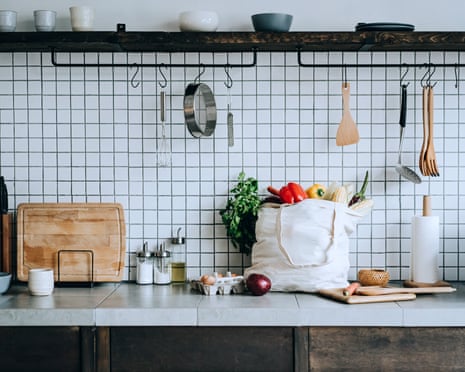
Credit: www.theguardian.com
Choosing Eco-friendly Materials
Switching to sustainable kitchen tools helps reduce waste and protect nature. Choosing the right materials makes a big difference.
Eco-friendly materials last longer and are safer for the environment. Here are some good options for your kitchen tools.
Bamboo And Wood
Bamboo and wood are natural and renewable resources. They grow quickly and can be harvested without harming the environment.
These materials are strong and light. They do not release harmful chemicals when used in cooking.
- Bamboo is fast-growing and easy to replace.
- Wood tools can be recycled or composted.
- Both materials add a warm look to your kitchen.
Stainless Steel
Stainless steel is durable and long-lasting. It does not rust or break easily, making it a good choice for kitchen tools.
This material can be recycled many times without losing quality. It is safe to use with food and easy to clean.
- Resists stains and corrosion.
- Can last for many years.
- 100% recyclable at the end of use.
Glass And Ceramic Options
Glass and ceramic are natural and non-toxic materials. They do not absorb smells or colors from food.
These materials are safe for cooking and storing food. They are also easy to clean and reuse many times.
- Glass is recyclable and does not release toxins.
- Ceramic is made from natural clay and minerals.
- Both materials add a clean and classic style.
Replacing Common Kitchen Items
Switching to sustainable kitchen tools helps protect the environment. Many items can be replaced with eco-friendly options.
Choosing the right materials makes your kitchen safer and greener. Start by changing everyday items.
Utensils And Cutlery
Plastic utensils add waste and pollution. Replace them with reusable options made from natural materials.
Bamboo and stainless steel are good choices. They last long and are safe for food.
- Use bamboo spoons and spatulas instead of plastic
- Choose stainless steel forks, knives, and spoons
- Look for utensils made from recycled or renewable materials
Cookware And Bakeware
Non-stick pans often contain chemicals that harm the environment. Cast iron and stainless steel are better choices.
Glass bakeware is also a sustainable option. These materials last longer and can be recycled.
- Replace Teflon pans with cast iron skillets
- Choose stainless steel pots and pans
- Use glass or ceramic baking dishes instead of disposable trays
Storage Containers
Plastic containers can release harmful chemicals and create waste. Switch to glass or metal for storing food.
Silicone lids and beeswax wraps offer reusable, eco-friendly sealing options. These reduce single-use plastic use.
- Use glass jars with metal lids for dry goods
- Choose stainless steel containers for leftovers
- Replace plastic wraps with beeswax or silicone covers
Shopping Tips For Sustainable Tools
Choosing sustainable kitchen tools helps reduce waste and protect the planet. It also supports fair work and better materials.
This guide covers smart shopping ideas to find eco-friendly kitchen tools that last longer and have less impact.
Buying Secondhand
Buying used kitchen tools saves resources and keeps items out of landfills. You can find good tools at thrift shops or online markets.
Look for tools in good condition that just need cleaning or minor repairs. This helps you save money and reduce waste.
Supporting Local And Ethical Brands
Buy from local makers who use safe materials and fair work practices. This supports your community and reduces shipping pollution.
Ethical brands often use natural or recycled materials. They also make tools that last longer and are safer to use.
Prioritizing Durability
Choose kitchen tools made to last. Durable tools reduce the need to replace items often, saving money and resources.
Look for strong materials like stainless steel, bamboo, or heavy-duty glass. Avoid plastic that breaks easily.
- Check for solid handles and sturdy construction
- Read reviews about tool lifespan
- Pick designs that can be repaired if needed
Maintaining And Caring For Tools
Switching to sustainable kitchen tools means you want them to last longer. Proper care helps keep tools in good shape. This saves money and reduces waste.
Learn how to clean, repair, and store your tools. These steps make your kitchen more eco-friendly and efficient.
Cleaning Techniques
Clean your kitchen tools gently to avoid damage. Use mild soap and warm water for most items. Avoid harsh chemicals that can wear out materials.
Dry tools completely to prevent rust or mold. For wooden tools, use natural oils to keep the wood from drying out and cracking.
- Wash by hand when possible
- Use soft sponges or cloths
- Rinse well and dry immediately
- Apply food-safe oil on wooden tools
Repair And Upcycling Ideas
Fix small damages to extend your tools’ life. Tighten loose handles or smooth rough edges. Use glue or nails for wooden parts.
Upcycle old tools into new kitchen items. Turn broken cutting boards into serving trays or plant holders. This reduces waste and adds charm.
- Sand and re-oil worn wooden handles
- Replace broken parts instead of discarding
- Use old tools as kitchen decor
- Turn scraps into useful kitchen gadgets
Proper Storage
Store your tools in dry, cool places to avoid damage. Keep wooden and metal tools separate to prevent rust. Use holders or racks to organize them well.
Proper storage keeps tools ready for use and prevents accidents. It also helps you find tools quickly when cooking.
- Hang tools on wall hooks or racks
- Use drawer dividers for small items
- Keep wooden tools away from moisture
- Store metal tools in dry, ventilated areas
:max_bytes(150000):strip_icc()/We-Asked-5-Organizing-Experts-Their-1-Tip-for-Decluttering-Kitchens-They-All-Said-the-Same-Thing-b7390fb7ad4348cbb229df94c9039709.jpg)
Credit: www.eatingwell.com
Incorporating Zero-waste Practices
Switching to sustainable kitchen tools helps reduce waste. It also saves resources and protects the environment.
Zero-waste practices focus on using less, reusing items, and recycling what you can. These steps make your kitchen greener.
Reducing Plastic Use
Plastic is common in kitchens but harms nature. Cutting down on plastic lowers pollution and waste in landfills.
Choose tools made from wood, metal, or glass instead of plastic. These materials last longer and are safer for the planet.
- Use wooden spoons and bamboo cutting boards
- Pick stainless steel or glass containers
- Avoid single-use plastic bags and wrap
- Buy kitchen tools with little or no plastic packaging
Composting Kitchen Waste
Composting turns food scraps into useful soil. It reduces trash and helps plants grow better.
Start a compost bin for vegetable peels, coffee grounds, and eggshells. Avoid adding meat or dairy to keep it clean.
- Collect fruit and vegetable scraps
- Add coffee grounds and tea leaves
- Use eggshells to add calcium
- Keep compost moist and turn it often
Using Reusable Alternatives
Reusable kitchen tools cut down on waste from disposable items. They save money and protect nature.
Choose cloth towels instead of paper, metal straws instead of plastic, and glass jars for storage. These options last longer.
- Switch to cloth dish towels and napkins
- Use metal or bamboo straws
- Store food in glass or stainless steel containers
- Bring your own bags for groceries and produce

Credit: kitchenmakeovers.co.uk
Frequently Asked Questions
What Are The Best Sustainable Kitchen Tools To Use?
Sustainable kitchen tools include bamboo utensils, stainless steel cookware, and glass containers. They reduce waste and last longer, minimizing environmental impact. Choose tools made from renewable or recyclable materials for an eco-friendly kitchen upgrade.
How Can I Identify Eco-friendly Kitchen Utensils?
Look for kitchen utensils made from bamboo, recycled metal, or biodegradable materials. Avoid plastic tools and check for certifications like FSC or BPA-free labels. These ensure the products are safe and sustainable for your kitchen.
Why Switch To Sustainable Kitchen Tools?
Switching to sustainable tools reduces plastic waste and carbon footprint. These tools are durable, safer for health, and often made from renewable resources. They help create an eco-conscious kitchen that supports environmental preservation.
Are Sustainable Kitchen Tools More Expensive?
Sustainable tools can cost more initially but save money over time. Their durability reduces replacement needs, making them cost-effective in the long run. Investing in quality eco-friendly tools benefits both your wallet and the planet.
Conclusion
Switching to sustainable kitchen tools helps protect the planet. You save money by choosing long-lasting items. Small changes in your kitchen make a big difference. Start with one tool and build your collection slowly. Enjoy cooking with eco-friendly products every day.
This choice supports a healthier home and Earth. Keep learning and sharing tips with friends and family. Sustainability begins with simple steps anyone can take. Your kitchen can be kinder to nature and future generations.