
Are you ready to make a simple change that can have a big impact on your health and the planet? Switching to sustainable cookware sets is easier than you think, and it can transform the way you cook every day.
Imagine preparing your meals with cookware that’s safe, eco-friendly, and built to last. You’ll discover practical tips to help you choose the best sustainable cookware for your kitchen. Keep reading, and you’ll learn how to make smart choices that benefit you and the environment—starting right now.
Benefits Of Sustainable Cookware
Sustainable cookware is better for your health and the planet. It is made from eco-friendly materials.
Switching to sustainable cookware can save money in the long run. Let’s explore the benefits.
Health Advantages
Sustainable cookware is often non-toxic. It does not release harmful chemicals into your food.
Materials like stainless steel and ceramic are safe for cooking. They keep your meals healthy.
Environmental Impact
Sustainable cookware reduces waste. It is made from recyclable and renewable materials.
Choosing these products helps protect natural resources. It reduces your carbon footprint.
- Less energy is used in production
- Fewer resources are wasted
- Products last longer, reducing landfill waste
Long-term Savings
Sustainable cookware is durable. It lasts longer than regular cookware, saving you money.
Investing in quality cookware reduces replacement costs. You spend less over time.
| Material | Durability |
| Stainless Steel | High |
| Ceramic | Moderate |
Materials To Choose
Choosing the right materials helps make your cookware eco-friendly. Sustainable cookware lasts longer and reduces waste.
Look for natural and recyclable materials that do not harm the environment. These options are safe for you and the planet.
Stainless Steel
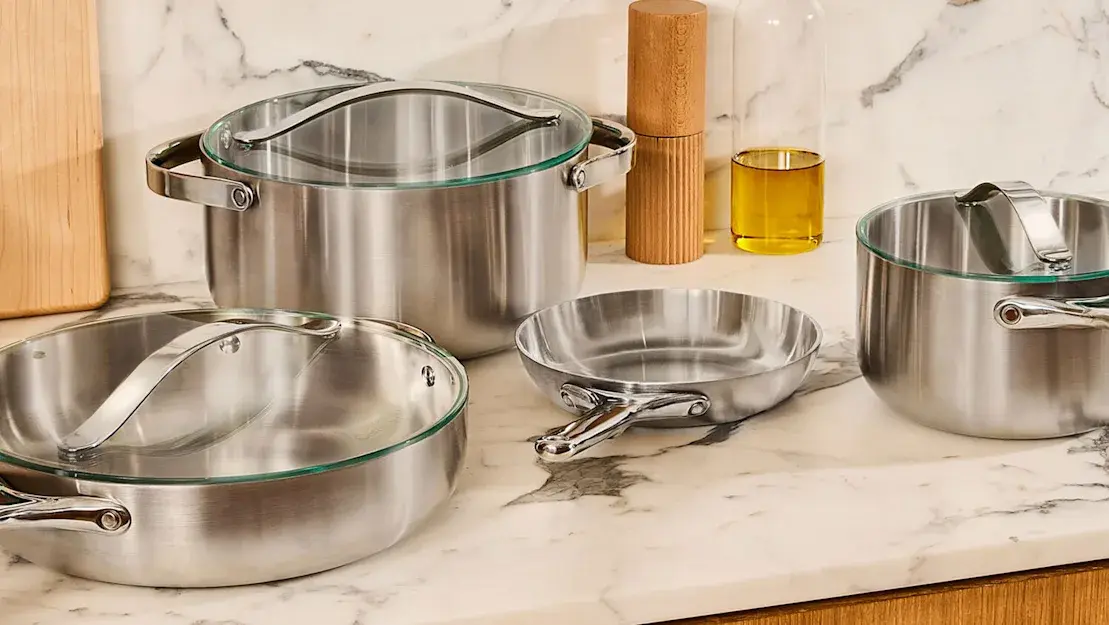
Stainless steel is strong and does not rust easily. It works well for many cooking styles.
This material is easy to clean and lasts for years. It does not release harmful chemicals when heated.
Cast Iron
Cast iron is very durable and holds heat well. It can be used on many heat sources, including ovens.
When cared for properly, cast iron cookware can last a lifetime. It also adds a small amount of iron to your food.
- Requires seasoning to prevent rust
- Heavy but very sturdy
- Improves with use over time
Ceramic And Clay
Ceramic and clay cookware is made from natural materials. It does not contain metals or chemicals that can harm health.
This cookware heats evenly and keeps food warm. It is biodegradable and can be recycled in some cases.
- Use low to medium heat to avoid cracking
- Hand wash to protect the surface
- Great for slow cooking and baking
Recycled Aluminum
Recycled aluminum cookware uses less energy to produce. It helps reduce waste by reusing materials.
This type of cookware heats quickly and is lightweight. Look for products made with recycled content to support sustainability.
Avoiding Harmful Coatings
Many cookware sets use coatings that can harm health and the environment. These coatings may release toxic chemicals when heated. Choosing safer cookware helps protect your family and the planet.
Sustainable cookware avoids harmful coatings. It lasts longer and is safer for cooking. Learning about alternatives can help you make better choices.
Teflon Alternatives
Teflon coatings can release dangerous fumes if scratched or overheated. Look for cookware with safer coatings like ceramic or enamel. These options do not use toxic chemicals.
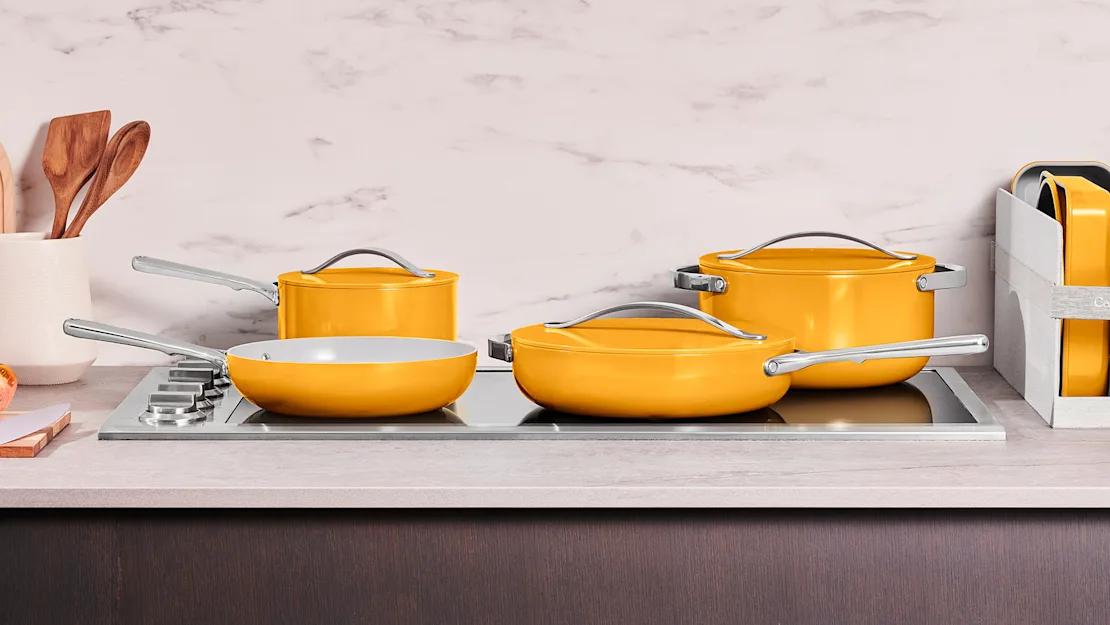
Ceramic coatings are made from natural minerals. They resist sticking and are heat-resistant. Enamel coatings cover cast iron or steel and provide a smooth cooking surface.
- Ceramic coatings are free from PTFE and PFOA
- Enamel coatings do not chip easily and are non-toxic
- Both options work well for everyday cooking
Natural Non-stick Options
Some cookware does not use any chemical coatings. Cast iron and stainless steel can be natural non-stick when used properly. They need seasoning or good cooking techniques.
Cast iron cookware holds heat well and improves with use. Stainless steel is durable and easy to clean. Both are safe and last for many years.
- Season cast iron with oil to create a natural non-stick layer
- Use enough oil when cooking on stainless steel to prevent sticking
- Avoid overheating to protect cookware and food quality
Credit: www.carawayhome.com
Shopping Tips
Choosing sustainable cookware helps protect the environment. It also ensures healthier cooking for your family.
Look for options that last longer and have less impact on nature. Use these tips to shop smart.
Certified Eco-friendly Brands
Buy from brands with eco-certifications. These labels show the product meets green standards.
Look for certifications like USDA Organic, Green Seal, or Cradle to Cradle. They prove the product is safer for the earth.
- Check the label for official eco-certifications
- Read brand policies on sustainability
- Choose products made from recycled or natural materials
Buying Secondhand
Secondhand cookware reduces waste and saves money. Many items still work well after gentle use.
Visit thrift stores or online marketplaces to find quality pieces. Inspect for damage before buying.
- Look for sturdy metals like cast iron or stainless steel
- Avoid cookware with deep scratches or cracks
- Clean and season secondhand pans before use
Checking Product Longevity
Pick cookware that lasts many years. Long-lasting products reduce waste and save money over time.
Read reviews and product details to learn about durability. Heavy and solid materials often last longer.
- Choose materials like cast iron, stainless steel, or ceramic
- Avoid non-stick coatings that wear out fast
- Look for warranties that cover defects
Maintaining Sustainable Cookware
Switching to sustainable cookware is a smart choice for your health and the planet. To keep your cookware lasting long, you need to maintain it well.
Good care helps prevent damage and keeps cooking safe. Learn easy ways to clean, season, and store your sustainable pots and pans.
Proper Cleaning Methods
Use gentle cleaning to protect your cookware’s finish. Avoid harsh chemicals and scrubbers that can scratch or wear it out.
Wash with warm water, mild soap, and a soft sponge. Rinse well and dry immediately to stop rust or stains.
- Do not put sustainable cookware in the dishwasher unless stated safe.
- Remove stuck food by soaking instead of scrubbing hard.
- Use natural cleaners like baking soda for tough spots.
Seasoning Cast Iron
Seasoning cast iron builds a natural non-stick layer. It also protects the pan from rust and damage.
To season, clean the pan well and dry it. Then apply a thin layer of cooking oil over the entire surface.
- Heat the pan upside down in the oven at 350°F (175°C) for one hour.
- Let it cool in the oven before storing.
- Repeat seasoning if food starts to stick or the surface looks dull.
Storage Tips
Store cookware in a dry place to avoid rust and damage. Keep pans separate to stop scratches and dents.
Use pan protectors or cloth between stacked pots. Hang pans if you have space to keep them safe.
- Make sure all cookware is dry before storing.
- Keep lids off or loosely placed to allow air flow.
- Check your cookware regularly for signs of wear or rust.

Credit: www.greenpan.us
Eco-friendly Cooking Habits
Switching to sustainable cookware sets helps protect the environment. It also supports healthy and green cooking habits.
Small changes in how you cook can save energy and reduce waste. These changes improve your kitchen’s eco-friendliness.
Energy-efficient Cooking
Use cookware that heats quickly and evenly. This lowers the cooking time and saves energy.
Cook with lids on pots and pans. Trapping heat helps food cook faster and uses less power.
- Choose cookware with good heat conduction, like stainless steel
- Use the right size burner for your pot or pan
- Turn off heat a few minutes before food is done
Reducing Food Waste
Plan meals to buy only what you need. This helps avoid throwing away extra food.
Store leftovers properly and use them within a few days. This cuts down on waste and saves money.
- Use airtight containers for storage
- Label leftovers with dates
- Freeze food if you won’t eat it soon
Using Reusable Utensils
Choose utensils made from wood, bamboo, or metal. These last longer and reduce plastic waste.
Wash and reuse utensils instead of using disposable ones. This lowers trash and helps the planet.
- Use metal or silicone spatulas and spoons
- Avoid single-use plastic cutlery
- Keep a set of reusable utensils for meals on the go
Credit: www.carawayhome.com
Frequently Asked Questions
What Are The Benefits Of Sustainable Cookware Sets?
Sustainable cookware reduces environmental impact by using eco-friendly materials. It improves health by avoiding toxic chemicals. These sets are durable, saving money long-term. They also promote ethical manufacturing and reduce waste, making your kitchen greener and safer.
How To Identify Eco-friendly Cookware Materials?
Look for materials like stainless steel, cast iron, ceramic, and recycled aluminum. Avoid non-stick coatings with harmful chemicals. Check for certifications like BPA-free or eco-labels. These indicators ensure your cookware is safe, sustainable, and environmentally responsible.
Can Sustainable Cookware Improve Cooking Performance?
Yes, sustainable cookware often offers excellent heat distribution and durability. Materials like cast iron and stainless steel enhance cooking quality. They resist warping and last longer, making them a practical and eco-conscious choice for your kitchen.
Is Switching To Sustainable Cookware Expensive?
Initial costs can be higher, but sustainable cookware lasts longer. This durability saves money over time. Investing in quality eco-friendly sets reduces frequent replacements and waste, making it cost-effective in the long run.
Conclusion
Choosing sustainable cookware helps protect the planet and your health. It saves resources and reduces waste in your kitchen. Small changes in your cooking tools make a big difference. Start with one set and switch slowly to avoid waste. Enjoy cooking with safer, eco-friendly materials every day.
Your efforts matter for a cleaner, greener future. Keep learning and making smart choices in your kitchen. Sustainable cookware is a simple step toward a better world.