
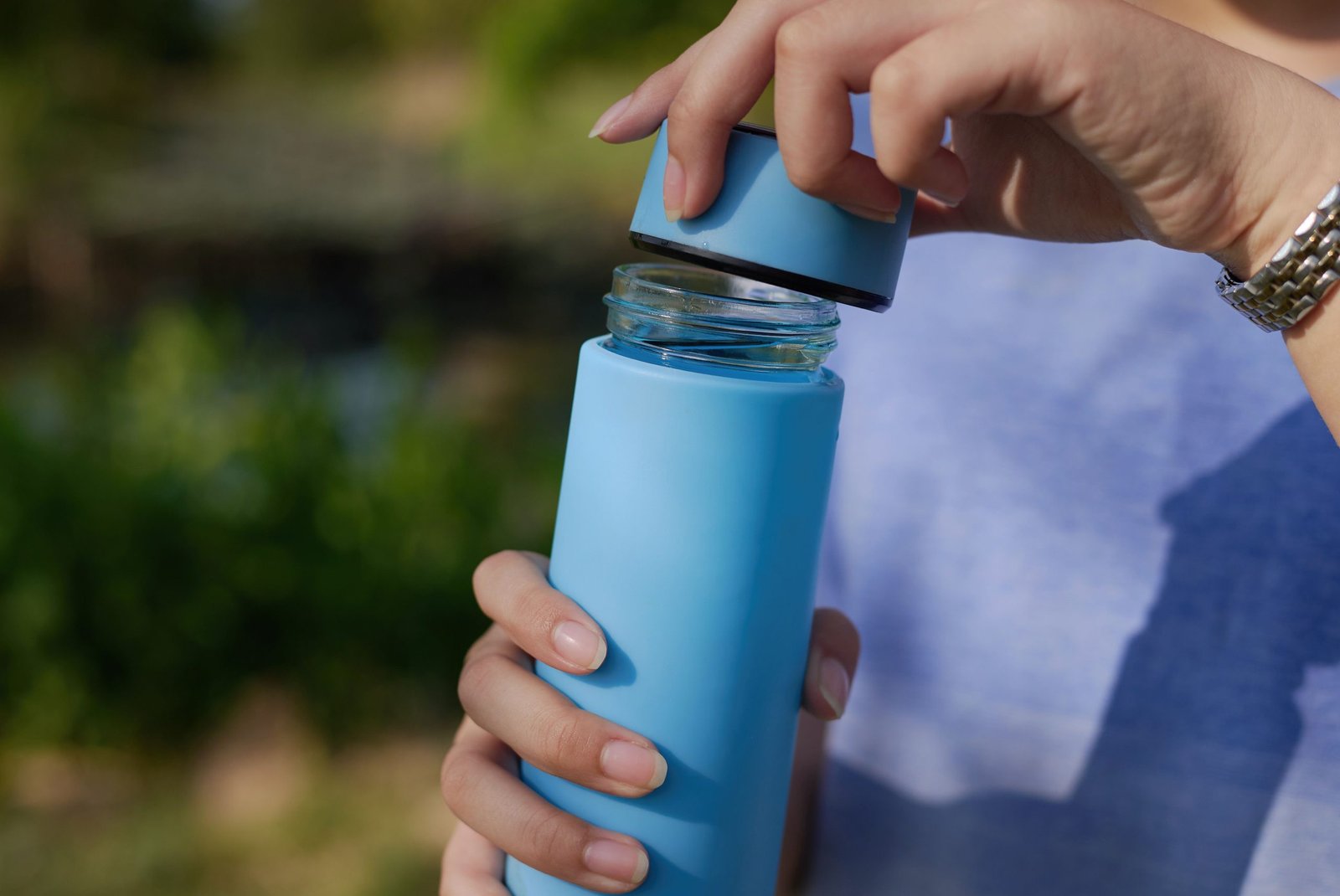
You probably use plastic water bottles every day without thinking twice. But have you ever wondered how much waste those bottles create or how much money you could save by switching?
Making the change to reusable water bottles is easier than you think—and it can have a big impact on your health, your wallet, and the planet. You’ll discover simple, practical steps to switch smoothly to reusable bottles and enjoy benefits you didn’t expect.
Ready to make a change that truly matters? Let’s dive in.
Benefits Of Reusable Bottles
Switching to reusable water bottles is a smart choice. It helps the environment and saves money. Plus, it’s better for your health.
Understanding the benefits can encourage more people to make this switch. Let’s explore some key advantages.
Environmental Impact
Reusable bottles reduce plastic waste. Fewer plastic bottles end up in landfills and oceans. This helps protect wildlife and natural habitats.
Producing fewer plastic bottles saves energy and resources. This lowers pollution and greenhouse gas emissions.
- Less plastic waste in landfills
- Reduced pollution from manufacturing
- Conservation of natural resources
Cost Savings
Reusable bottles save money over time. Buying bottled water is expensive. A reusable bottle is a one-time purchase.
Many public places offer free water refills. This makes it easy to keep your bottle full without spending more.
- Lower cost compared to buying bottled water
- Free refills at many locations
- Long-lasting and durable
Health Advantages
Reusable bottles are often made from safer materials. They do not contain harmful chemicals found in some plastics.
Keeping a bottle with you encourages more water intake. Staying hydrated improves concentration and overall health.
- No harmful chemicals
- Encourages regular hydration
- Improves focus and health
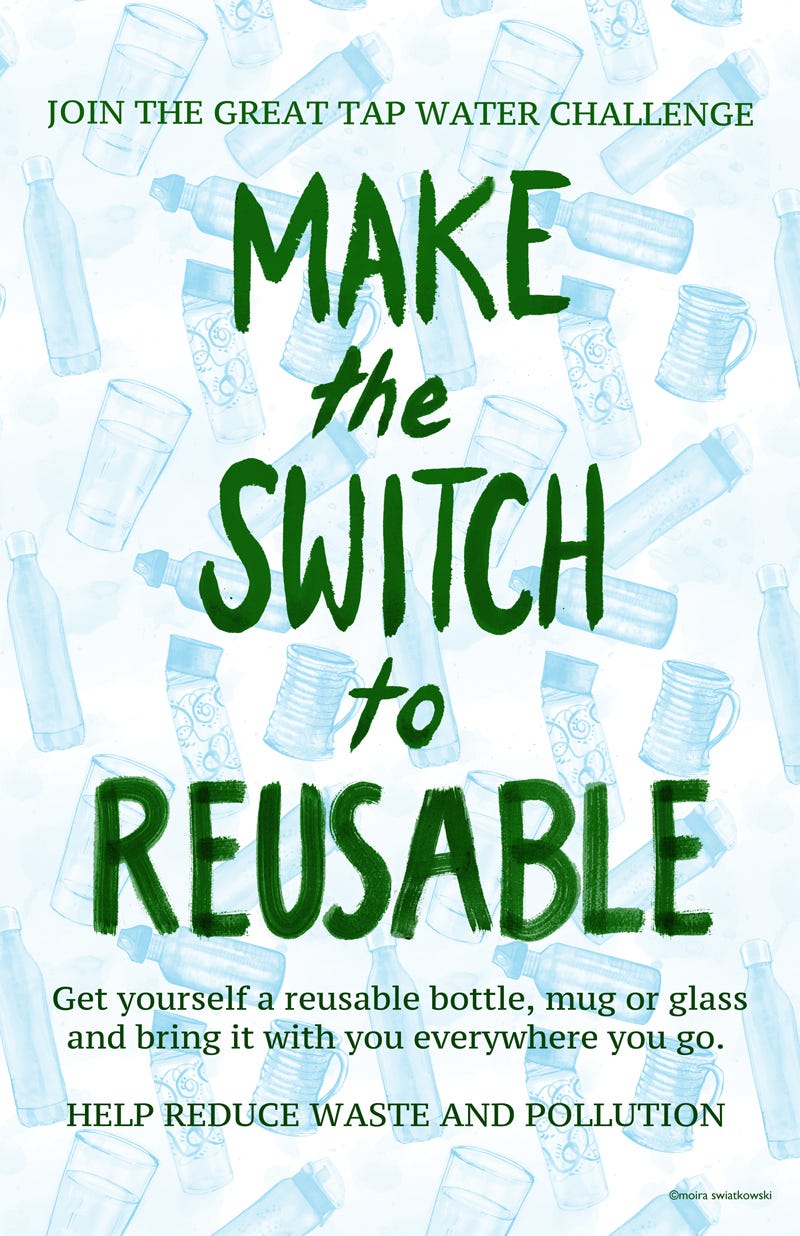
Credit: medium.com
Choosing The Right Bottle
Switching to reusable water bottles is a smart choice for your health and the planet. Picking the right bottle makes it easier to drink water every day.
This guide helps you find the best bottle by looking at materials, size, design, and useful features.
Materials To Consider
Water bottles come in many materials. Each has good and bad points. Choose one that fits your lifestyle and keeps water fresh.
- Stainless Steel:Durable and keeps drinks cold or hot longer.
- Glass:Pure taste and easy to clean but can break.
- BPA-Free Plastic:Lightweight and affordable but may not last long.
- Aluminum:Lightweight but often has a liner inside.
Size And Design Options
Choose a bottle size that fits your daily water needs and bag size. The design should be comfortable to carry and use.
- Small (12-16 oz):Easy to carry, good for short trips.
- Medium (17-25 oz):Fits most bags, good for work or school.
- Large (26 oz and up):Great for long days or workouts.
- Shape:Slim bottles fit cup holders better.
- Weight:Lighter bottles are easier to carry all day.
Features That Matter
Some bottle features make drinking easier and more fun. Think about what you need most.
- Leak-proof caps:Prevent spills in your bag.
- Wide mouths:Easier to add ice and clean.
- Built-in straws:Drink without tilting the bottle.
- Insulation:Keeps drinks cold or hot longer.
- Carrying handles or loops:Makes it easy to carry or clip on bags.
Tips For Transitioning
Switching to reusable water bottles helps reduce plastic waste. It is easy to start with small changes.
These tips will help you use reusable bottles every day without stress.
Start Small
Begin by using your reusable bottle once or twice a day. Slowly increase use over time.
Try carrying your bottle to work or school first. This makes the habit easier to keep.
Set Reminders
Use alarms or phone alerts to remember your bottle. Reminders help build a strong habit.
- Set a morning reminder before leaving home
- Use lunch break alerts to drink water
- Have an evening reminder to clean your bottle
Keep It Accessible
Keep your reusable bottle where you can see it. Easy access means you will use it more.
Place bottles in your bag, desk, or car. Having bottles nearby helps avoid plastic bottles.

Credit: x.com
Cleaning And Maintenance
Switching to reusable water bottles is a great way to reduce waste. Keeping them clean is important for health and taste.
Regular cleaning stops bacteria and keeps your bottle fresh. Proper maintenance helps your bottle last longer.
Daily Cleaning Tips
Rinse your bottle with warm water after each use. Use mild soap and a bottle brush to clean inside.
Make sure to clean the cap and mouthpiece too. Let your bottle air dry completely before closing it.
- Use warm water and gentle soap
- Clean all parts including caps and lids
- Dry bottle fully to avoid moisture buildup
Deep Cleaning Methods
Do a deep clean once a week or more if needed. Use baking soda or vinegar to remove buildup and odors.
Fill your bottle with warm water and add baking soda or vinegar. Let it sit for several hours or overnight.
- Mix 1-2 tablespoons of baking soda with warm water
- Or use equal parts vinegar and water
- Rinse thoroughly after soaking
- Scrub hard-to-reach places with a bottle brush
Avoiding Odors And Stains
Do not leave water in your bottle for days. Clean it soon after use to stop smells and stains.
Avoid sugary drinks in your bottle. These cause sticky residue and bad odors.
- Empty and rinse bottle daily
- Use baking soda or vinegar to remove smells
- Store bottle open to air dry
- Do not put sugary drinks inside
Encouraging Others
Switching to reusable water bottles helps reduce plastic waste. You can inspire others to make this change too.
Sharing your actions and ideas makes it easier for others to join you. Small steps can lead to big changes.
Sharing Your Experience
Tell friends and family why you chose reusable bottles. Explain the benefits you noticed, like saving money and helping the environment.
Be honest about any challenges you faced. This helps others prepare and feel ready to try too.
Organizing Group Challenges
Invite people to join a challenge to use reusable bottles for a set time. Group efforts keep everyone motivated and accountable.
- Set clear goals, like using reusable bottles daily for a month
- Share tips and reminders during the challenge
- Celebrate milestones and successes together
Group challenges make the switch fun and social. This helps build good habits faster.
Using Social Media
Post photos and stories about using reusable water bottles. Show how easy and useful they are.
Encourage friends to share their own posts. This spreads awareness and inspires more people.
- Share tips for choosing the right bottle
- Post reminders to bring your bottle
- Highlight environmental benefits
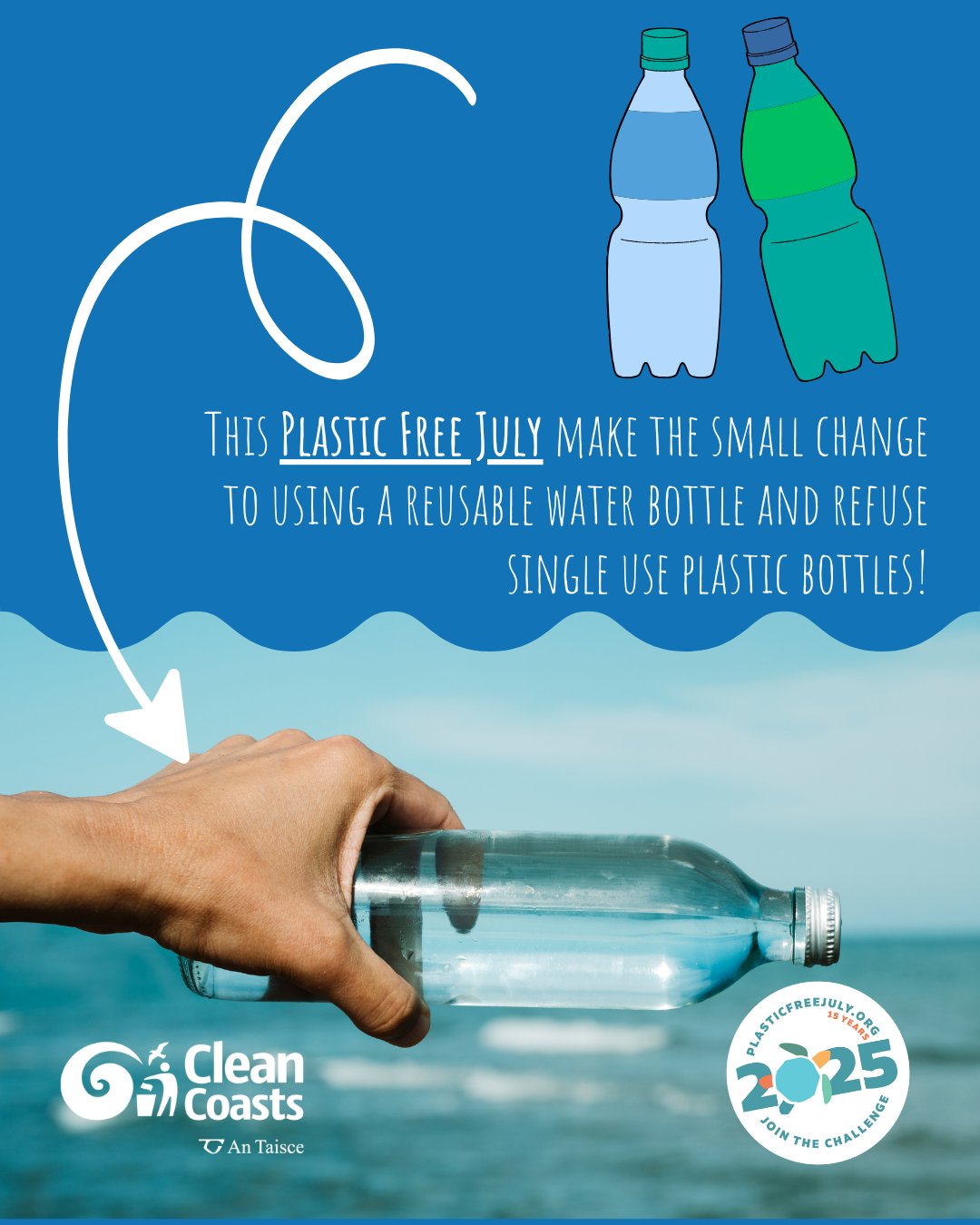
Credit: x.com
Frequently Asked Questions
What Are The Benefits Of Switching To Reusable Water Bottles?
Reusable bottles reduce plastic waste and save money. They are eco-friendly, durable, and often BPA-free. Using them helps conserve resources and supports sustainable living.
How Do I Choose The Best Reusable Water Bottle?
Pick bottles made from BPA-free materials like stainless steel or glass. Consider size, insulation, and ease of cleaning. Choose one that suits your lifestyle and preferences.
How Can I Clean My Reusable Water Bottle Properly?
Wash daily with warm, soapy water and a bottle brush. For deep cleaning, use vinegar or baking soda solutions. Avoid harsh chemicals to maintain bottle safety and longevity.
Are Reusable Water Bottles Safe For Daily Use?
Yes, most reusable bottles are safe when cleaned regularly. Opt for BPA-free, non-toxic materials. Proper care prevents bacteria buildup and ensures safe hydration every day.
Conclusion
Switching to reusable water bottles helps protect the planet. You save money by using fewer plastic bottles. Carry your bottle everywhere to stay hydrated and eco-friendly. Choose a bottle that fits your style and needs. Small changes make a big difference over time.
Start today and feel proud of your choice. Clean your bottle regularly to keep it safe. Join many people who care about the environment. Every refill counts toward a cleaner world. Simple steps lead to a healthier lifestyle for you and the earth.